
0
Product added
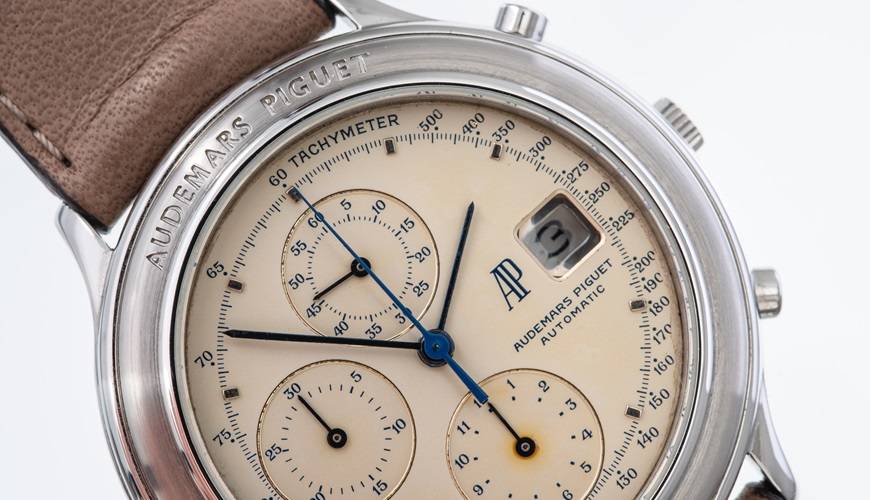
On a watch, a complication refers to any function beyond the display of hours, minutes, and seconds. Think a calendar, a chronograph, or so much more!
Naturally, a watch with one or more complications tends to be more complex in its design than a simple timepiece that only displays the time.
While technical models like pilot's watches are often packed with complications, elegant dress watches can also incorporate additional functions… On that note, did you know that the most complicated watch in the world features 63 different complications? It's a creation by the Vacheron Constantin manufacture, bearing the beautiful name "Les Cabinotiers The Berkley Grand Complication."
Watch complications come in an incredible variety of forms - and they can bring to life both mechanical movements and quartz mechanisms alike. While some are genuinely useful day-to-day, others are rarer and designed for very specific purposes. Throughout this series of guides, you'll discover the full spectrum of watch complications, from the everyday to the extraordinary. Ready to have your mind blown?
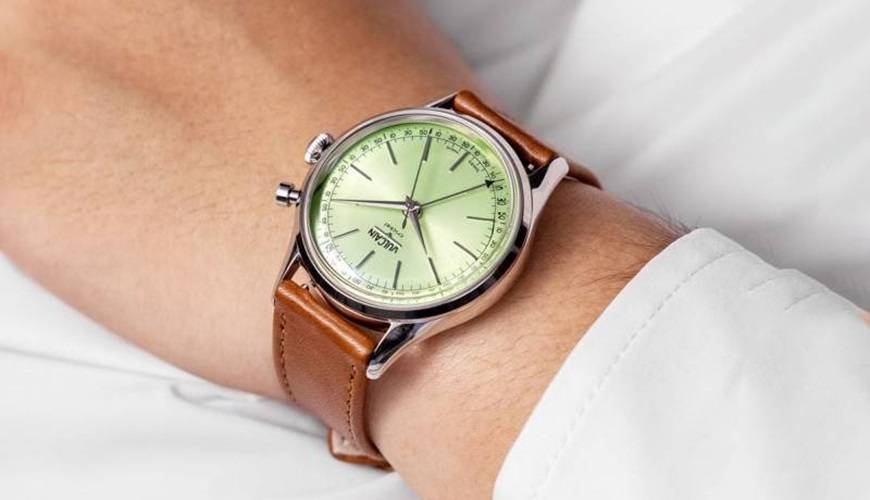
As the name suggests, a watch with an alarm or alarm function is specifically designed to wake you up or alert you at a set time, via an audible signal.
These watches are nothing new - they were, in fact, hugely popular among travelers who regularly made long train journeys, and whose nomadic lifestyles called for a portable miniature alarm they could take anywhere.
This particularly useful complication is becoming increasingly rare today, but some watch manufactures are keeping the tradition alive - offering, to our delight, watches designed to start your day on the right foot!
Curious about the secrets behind alarm complication watches? Dive into our quick guide and find out everything.
Discover the Alarm
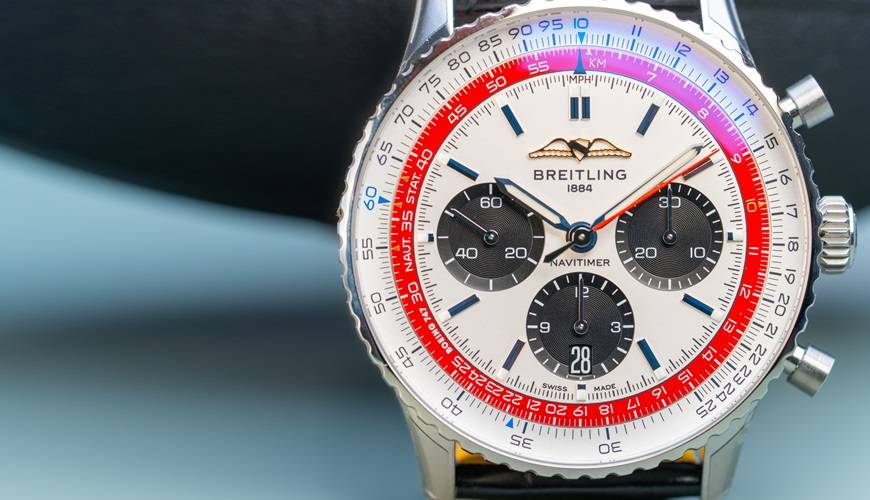
The chronograph is undoubtedly one of the most celebrated complications in watchmaking! There's a reason so many watches considered "iconic" are equipped with this head-turning function…
Known among enthusiasts simply as the "chrono," this function lets you perform a variety of actions - from timing intervals to measuring average distances and tracking heart rate. In short, the chronograph is a remarkably useful complication across many fields. Its history is also deeply intertwined with sports, and in particular with the thrilling world of motorsport.
Be careful not to confuse "chronograph" and "chronometer" - they are two entirely different things. That said, it's an easy mistake to make!
Passionate about watchmaking and eager to explore the chronograph complication? Our dedicated guide reveals every secret of this remarkable function.
Discover the Chronograph
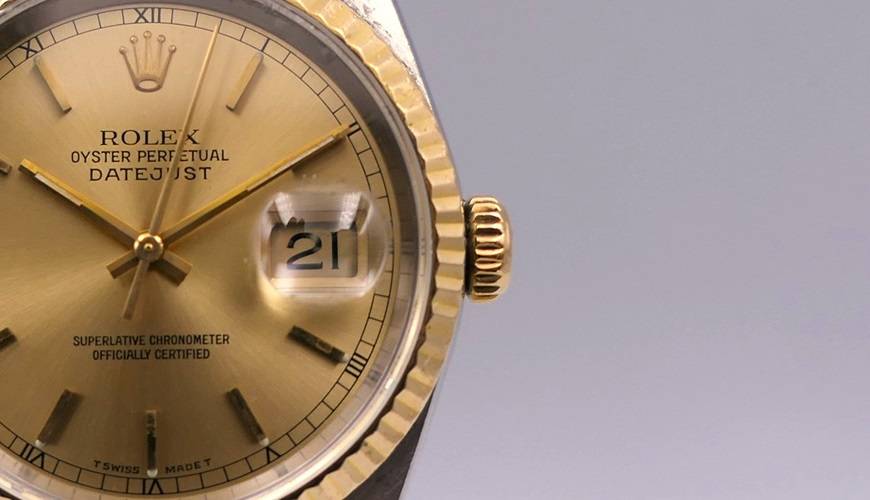
Sometimes called "dateur" or "dato," the date is without question the most widespread complication in watchmaking - and for good reason. This function, which displays the current date, is genuinely useful to everyone in daily life.
That's why a large portion of watches on the market come equipped with a date complication. In fact, we'd be willing to bet that the watch on your wrist right now has one…
That said, this function hasn't always been so widespread! As you'll see, the date display in watchmaking is a relatively recent complication that has evolved considerably over the decades.
But shh - we won't give away more here… Our dedicated guide on the date complication is where you'll deepen your watchmaking knowledge.
Discover the Date
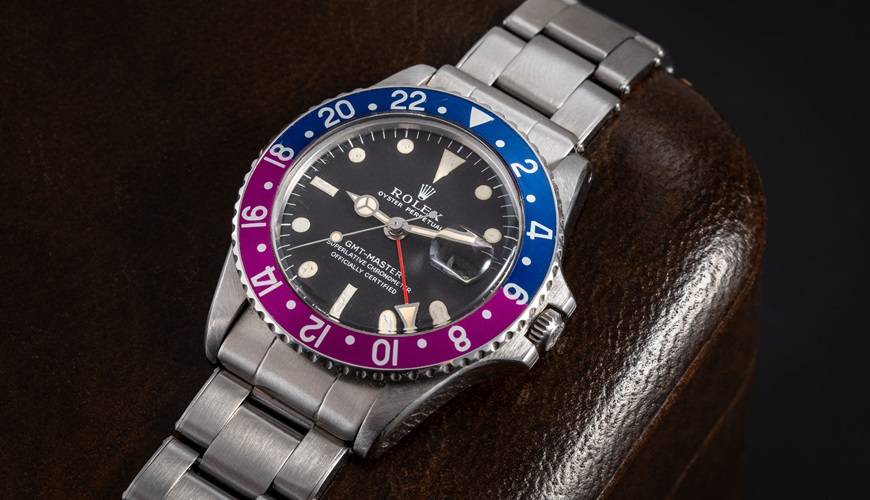
In watchmaking, GMT is a complication that lets you keep track of two separate time zones at once. Its origins date back to the mid-20th century, when aviation began to develop on a large scale. The GMT function proved invaluable to pilots who regularly flew between multiple geographic zones.
Today, this watch complication is no longer reserved for cockpit commanders! Globetrotters and watch enthusiasts alike have embraced this practical function - for reasons you may not expect.
Do you know what the abbreviation "GMT" stands for, or how to correctly use a 24-hour graduated bezel? Our guide on the GMT complication takes you to new heights and into a fascinating world full of mysteries…
Discover the GMT
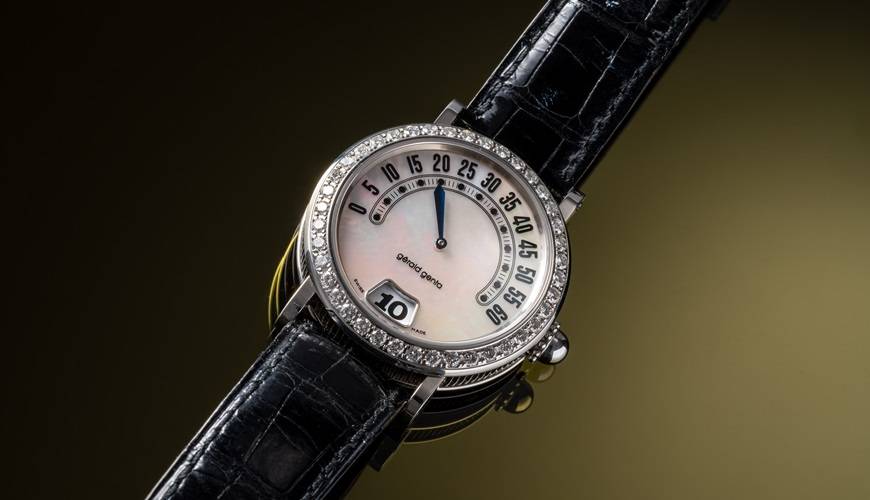
Jumping hour watches are nothing new, yet they boast a truly distinctive style. These timepieces display the passage of time in a wholly unconventional way - featuring a dial with a window for the hours and a counter for the minutes.
Born from French ingenuity (cocorico), this complication was once a staple of the Art Deco era and today captivates some of the greatest names in watchmaking.
If you love unconventional watches and can't wait to discover timepieces with truly out-of-the-ordinary displays, check out our dedicated guide on the jumping hour complication.
Discover the Jumping Hour
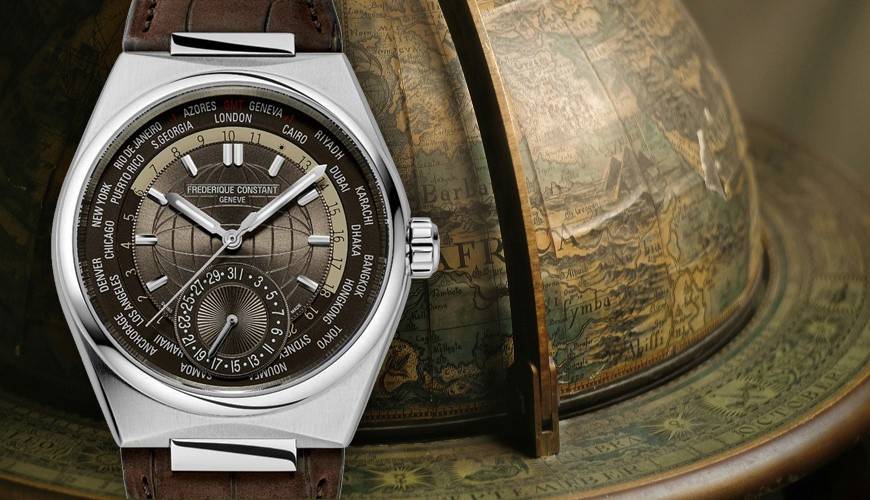
Known as "world time," this complication lets you quickly and easily read the time in multiple locations around the globe. Thanks to its clever system of rotating discs positioned around the watch dial, you can instantly identify the time in London, Hawaii, Sydney, or New York - all relative to your current location.
Today, world time is a function reserved for the most prestigious watches on the market. Its ability to display the time across more than twenty time zones simultaneously makes it a natural choice for business professionals who regularly work across international borders.
Dive into the captivating world of borderless timekeeping with the world time complication. Don't miss our dedicated guide!
Discover the World Time
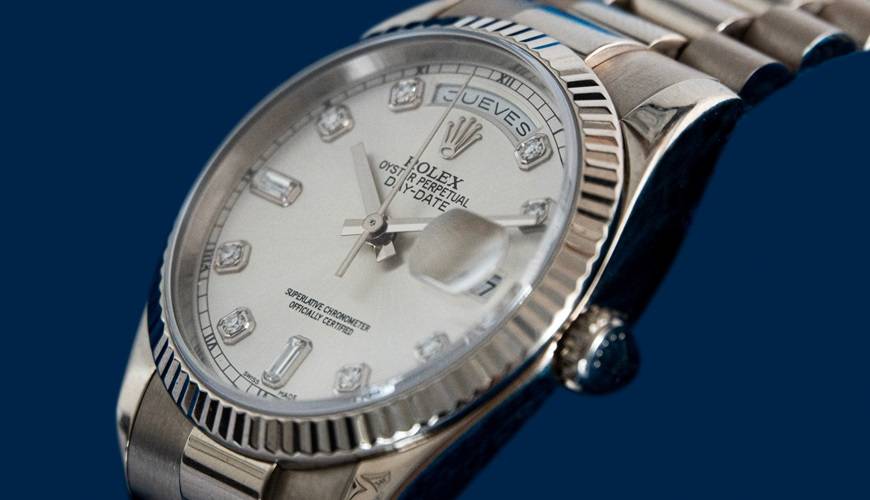
Often referred to by its English name "Day-Date," the Day-Date complication is a versatile function. It can be found on everything from entry-level watches to ultra-luxury timepieces.
Displaying the date from the 1st to the 31st and the day from Monday to Sunday, it keeps you on track and organized. In short, you'll always know exactly where you stand! On a Day-Date watch, the day is shown either spelled out in full or abbreviated. Some watches even display the day in two different languages…
Want to deepen your knowledge and learn more about this intriguing function that only a handful of brands offer? Go further with our guide on the day-date complication.
Discover the Day-Date

Sometimes confused with the Moon Phase complication mentioned earlier, the Day/Night indicator is a function that lets you track the progression of the day. With it, you'll never have to wonder whether your watch hands are pointing to a morning or afternoon hour. Often beautifully crafted, this complication delivers a touch of magic that makes it truly wonderful to look at!
Looking for information on this function? The Ocarat guide on the day/night complication sheds light on everything you need to know.
Discover the Day/Night
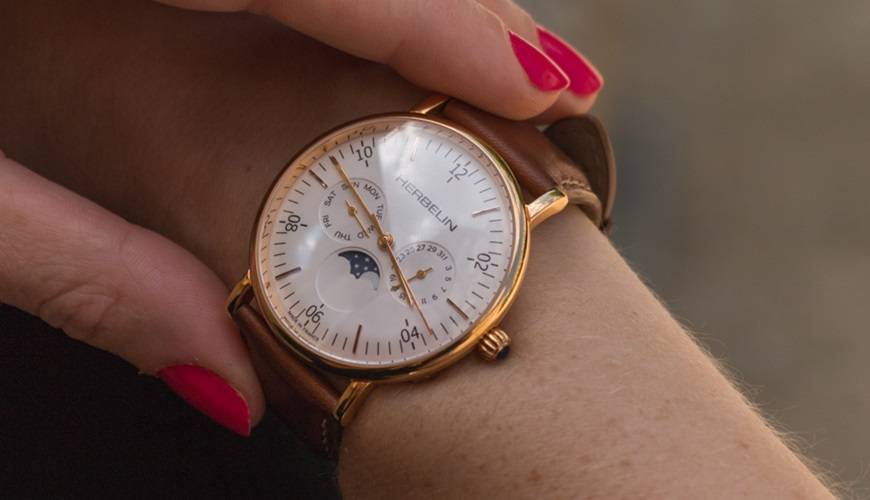
Perhaps the most romantic of all watch complications… The moon phase is a function that precisely tracks the orbit of Earth's natural satellite. Watches equipped with this complication feature a special aperture on the dial, typically shaped like a crescent moon.
What's more, some people claim that moon phases have an impact on mood, energy levels, and even digestion. Pretty wild, right? As you can tell, moon phase watches are a world unto themselves!
To learn everything about this function and what makes it special, don't miss our guide on the moon phase complication.
Discover the Moon Phase
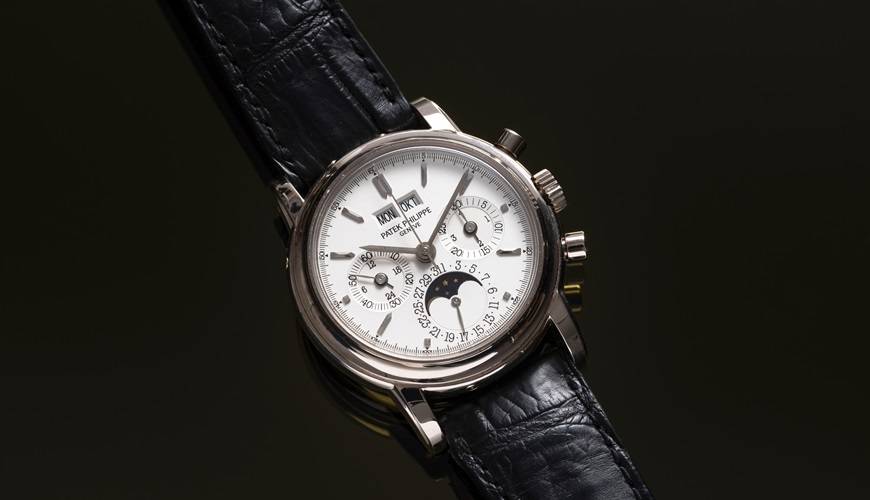
Exceptionally complex to develop, the perpetual calendar is one of watchmaking's most sophisticated complications. It displays multiple pieces of information - date, day, and month - but that's not all. A watch equipped with a perpetual calendar accounts for leap years and automatically recognizes month-end dates. Pretty incredible, right?
This exceptional complication enables watches equipped with it to always display an up-to-date calendar. Its remarkable complexity is designed to make your life simpler - and that's part of the magic of watchmaking!
Sharpen your watchmaking knowledge with our guide to the perpetual calendar complication.
Discover the Perpetual Calendar
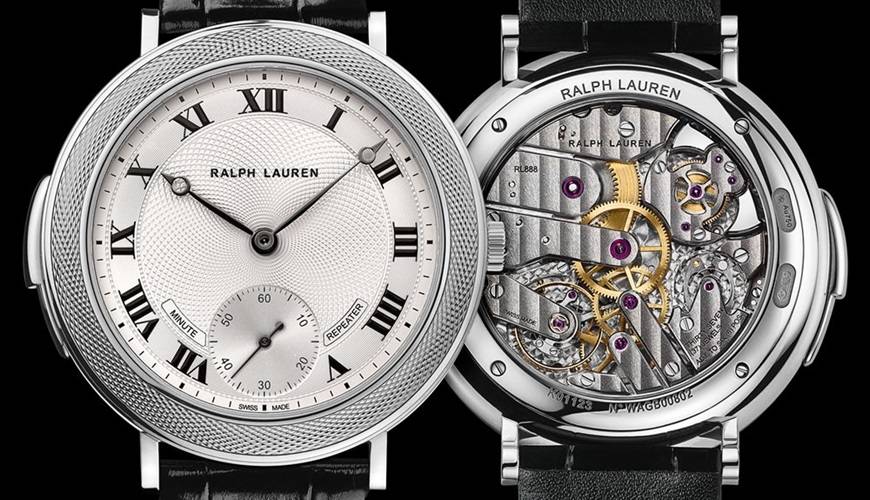
Source: aBlogtoWatch
Equally complex to produce, the minute repeater is a melodious function found only on the most extraordinary watches. With it, the senses blur - sight fades into the background, giving way to the pleasure of sound…
Because this gentle complication lets you know the time without even glancing at your watch. But how does it work - and how is it even possible?
To uncover every secret of this rare watch function, head over to our guide on the minute repeater complication - and listen closely!
Discover the Minute Repeater
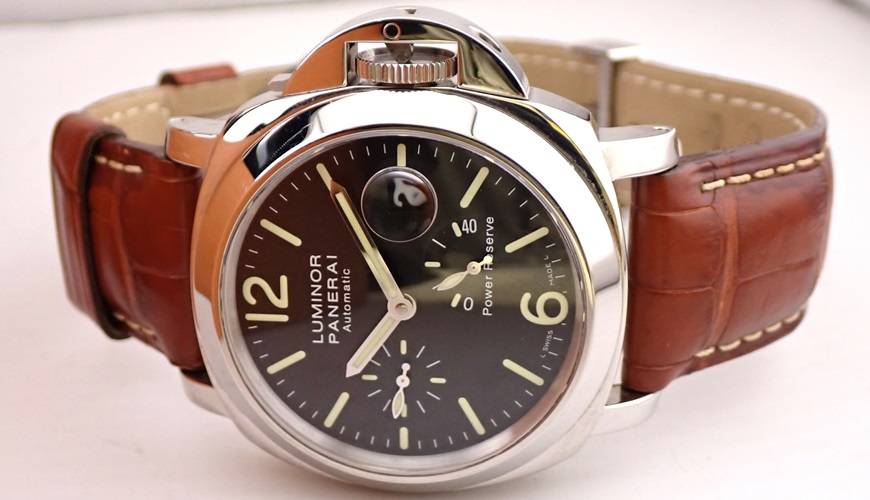
Much like a car, a smartphone, or simply like us humans, a watch needs energy to run. If you regularly wear a mechanical watch, you've inevitably faced one recurring challenge: knowing exactly how much power reserve is left in your timepiece.
To bring clarity to the matter, a watchmaker in the 18th century tackled the challenge head-on and had the brilliant idea of developing a complication - a function designed to precisely indicate the amount of energy remaining in a timepiece's movement.
Want to master this topic inside and out? Explore our guide on the power reserve complication and soak up every detail!
Discover the Power Reserve
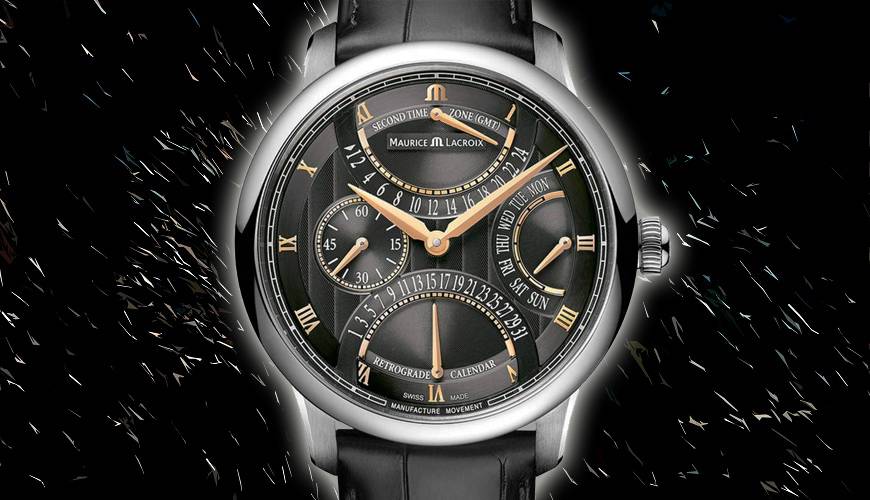
Unique, rare, surprising… These are often the first words that come to mind when you come face to face with a watch featuring a retrograde display. And rightly so - this watchmaking complication (often overlooked by newcomers) is as intriguing as it is fascinating to enthusiasts around the world!
As you've likely noticed from the illustration used here, timepieces featuring this function look very different from the watches we encounter in everyday life. Indeed, their hands follow a distinctive movement…
To deepen your knowledge and prove that watchmaking never stops surprising you, Ocarat presents its guide entirely dedicated to the retrograde complication.
Discover the Retrograde
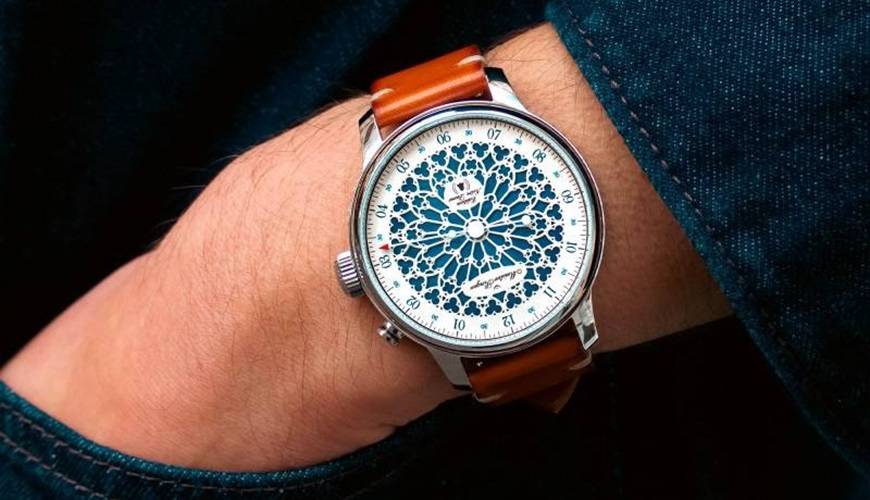
The chime is an acoustic watch complication that echoes the earliest timekeepers in history, which emitted a sound to mark the passage of time and to announce important events.
From the petite sonnerie to the grande sonnerie, and the passing strike in between, watchmaking offers many different types of chimes! Whatever the form, chime watches feature a miniature mechanism that produces a soft, melodious sound - reminiscent of a mantel clock fitted with a carillon. Just be careful not to confuse the chime complication with the retrograde complication we discussed earlier.
With our guide on the chime complication, you'll know everything about this function that knows how to get noticed for all the right reasons…
Discover the Chime
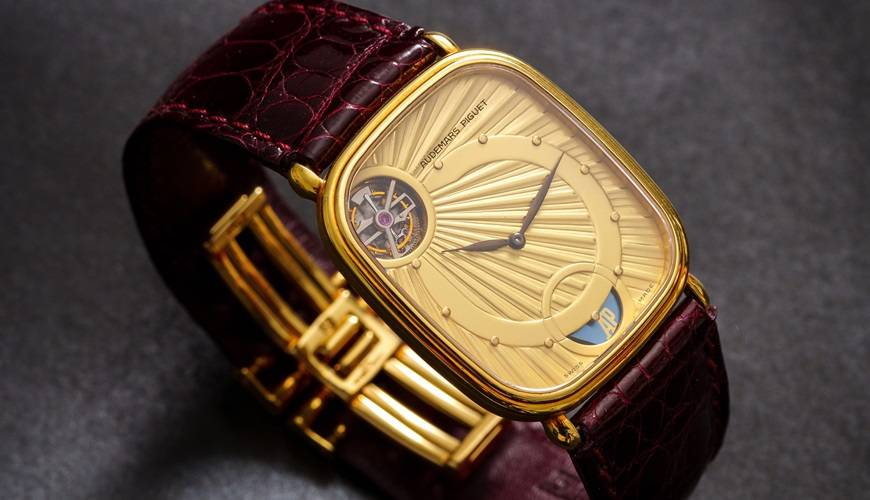
The tourbillon ranks among the most ultimate of all watch complications. Why? Simply because, beyond its fascinating mechanics, this regulating device is extraordinarily difficult to produce.
Invented at the very beginning of the 19th century by a celebrated watchmaker whose name will likely sound familiar, the tourbillon takes the form of a small rotating cage. In fact, that's precisely why some enthusiasts refer to it by the term "rotating cage."
The tourbillon is an ingenious mechanism designed to solve a very specific problem - do you know what it is? If you want to become a true expert on the subject, dive into our guide on the tourbillon complication!
Discover the Tourbillon
Share :
Official European Union notice on your rights in the event of a product's lack of conformity.