
0
Product added
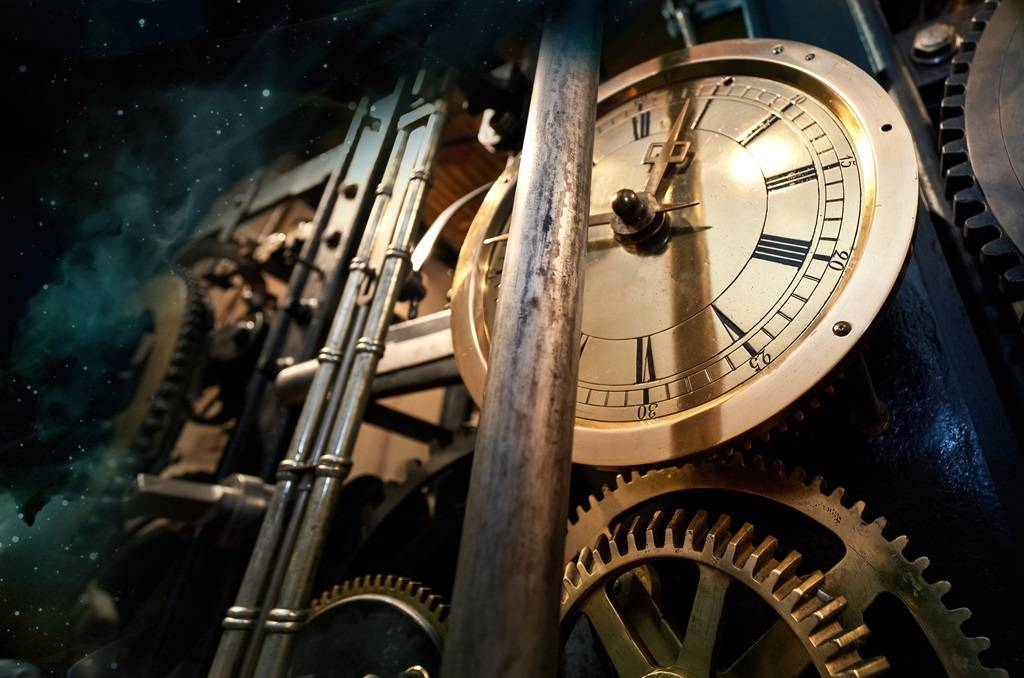
For centuries, watchmaking has been a world that intrigues and fascinates us in equal measure! While they all share the common purpose of counting the passing of time, watches have seen their craft evolve through the ages to become, today, objects coveted by enthusiasts around the world. And it's always the synchronized interplay of multiple parts that makes the magic happen! Captivating as it is, however, this world can sometimes feel impenetrable to many… "Automatic movement," "quartz movement," "sapphire crystal," "bezel," "rotor"… these somewhat vague terms (downright cryptic for some) are ones we've all heard before - but do you know exactly what they refer to?
To help you see things more clearly, the Ocarat experts have developed a comprehensive collection of illustrated guides on watchmaking topics. Whether you're looking to expand your knowledge of the watch world or simply searching for one specific piece of information, you've come to the right place for answers.
Step into the wonderful world of watchmaking with our collection of themed guides. Expand your knowledge effortlessly - and uncover all the secrets that watches have to offer.
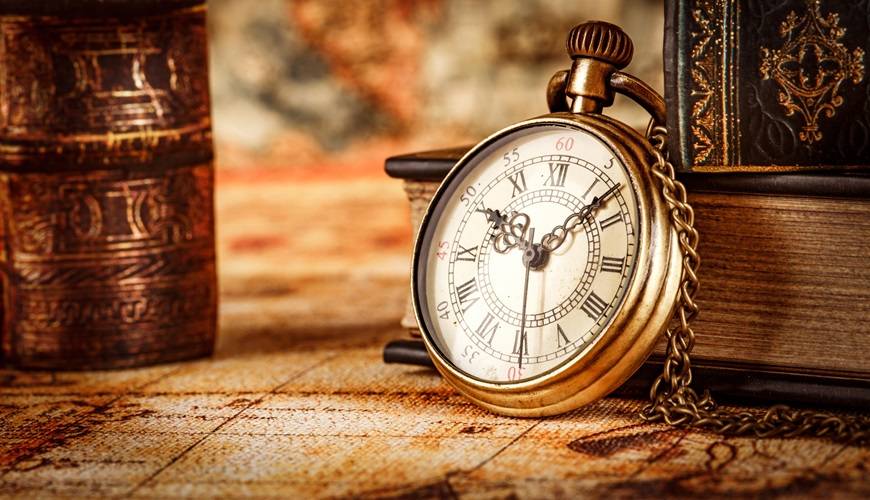
When we think about watchmaking, we often picture contemporary watches - wristwatches, that is. And that makes perfect sense, since most of us own one! But if you think a little deeper, pocket watches and mantel clocks naturally come to mind as well. Either way, we tend to picture objects that are historically recent, precise, and largely mechanical in nature.
But the roots of watchmaking actually go back much further - far further than you might think. They stretch all the way back to prehistoric times! The people of that era had the genius to develop revolutionary tools for their age, instruments that laid the very foundations of organized social life.
Want to know more? Our guide tracing the history of watchmaking covers everything.
Discover the History of Watchmaking
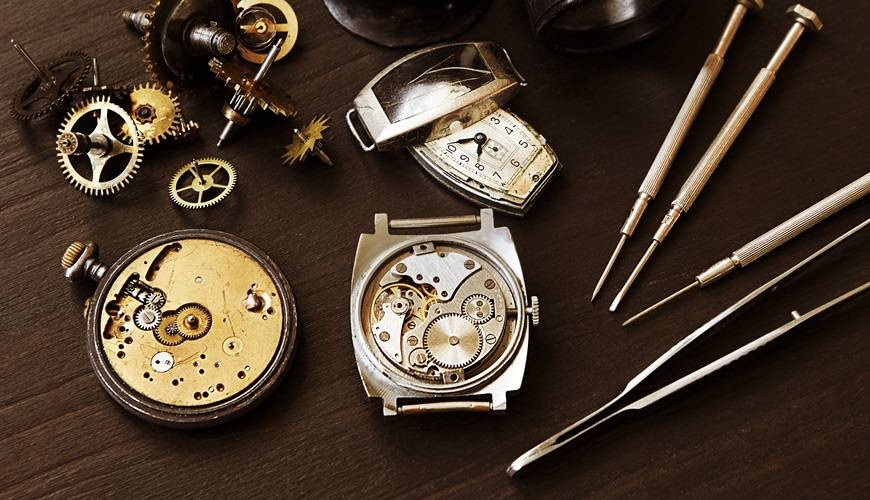
Considered the heart of every watch, the movement is the element that drives the life of these beloved small objects. While they once relied entirely on pure mechanics, the technological advances of recent decades have brought a breath of fresh air to the fascinating world of watchmaking. A true revolution shook the industry at the very end of the 1960s - and at the time, mechanical watches nearly disappeared altogether!
Automatic movement, mechanical movement, quartz movement, meca-quartz movement, solar movement… Each has its advantages and a handful of drawbacks. But what really sets these major movement families apart? Our guides dedicated to watch movements are here to help - shedding light on everything you need to know about them.
Discover Watch Movements
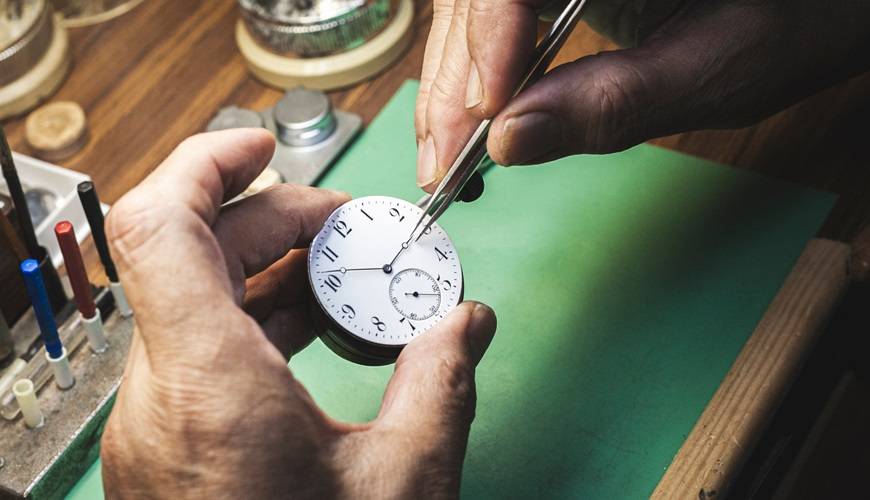
What would a watch be without hands? Not much more than a beautiful object, at best! But don't be fooled - this functional element has a very real impact on the style of every timepiece.
There is, in fact, a remarkable variety of watch hands on the market today. Some designs are favored by sports watches, while others are typically chosen to complement the most dress-oriented timepieces. Sword hands, baton hands, cathedral hands, dauphine hands, Mercedes hands… each has its own distinct characteristics.
Did you know there are actually more styles of watch hands than there are watch styles? If you've already managed to identify a few of them, do you know their names - and more importantly, can you tell all of them apart with precision? The differences are sometimes very subtle!
Either way, our guide to watch hands is here to point you in the right direction.
Discover Watch Hands
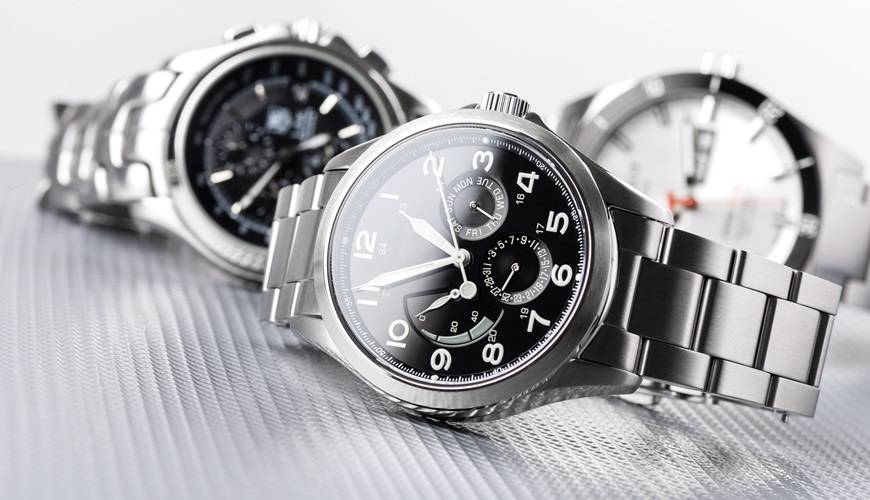
"Complication" - now there's a word that sounds rather exotic! But don't let it intimidate you. While it's true that complications represent the pinnacle of watchmaking expertise, this is by no means a subject reserved for the most seasoned enthusiasts.
Simply put, watch complications are the additional "functions" found in our timepieces. While the date, chronograph, and GMT rank among the most popular, did you know there are actually dozens of others? The list is long - but every single one is unique and has the power to add a distinct touch of character to our favorite watches!
Our expert-written guides will help you clearly distinguish between the different watch complications, and understand how each one works.
Discover Watch Complications
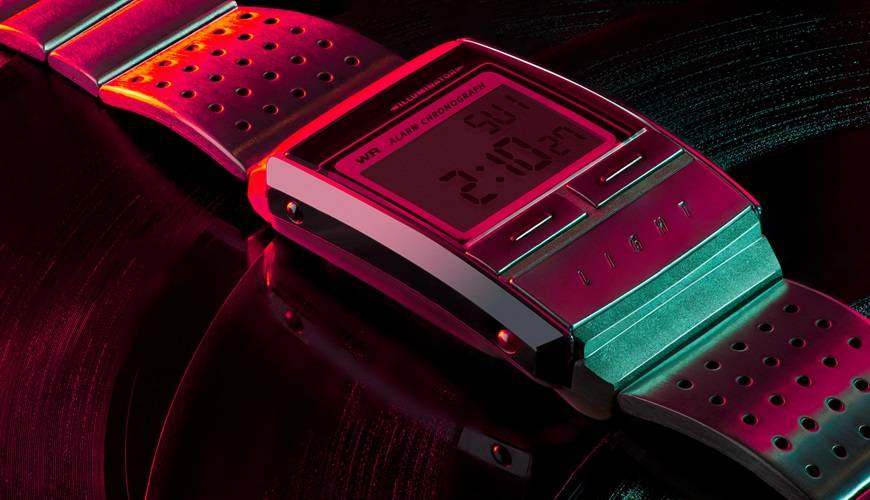
In watchmaking, there's a whole host of display types! While most watches feature hands and therefore offer an analog display, some models rely on a slightly different technology to show the passing of time.
It was in the early 1970s that a true innovation in this area emerged. At the time, many people even went so far as to abandon traditional analog watches - then considered outdated - in favor of this new option, seen as futuristic. Decades later, after countless technological upheavals, the watchmaking industry has embraced certain innovations to serve both enthusiasts and athletes looking to track their performance.
With our guide dedicated to watch displays, you'll become a true expert on the subject. You'll see - there's really nothing to it!
Discover Watch Displays
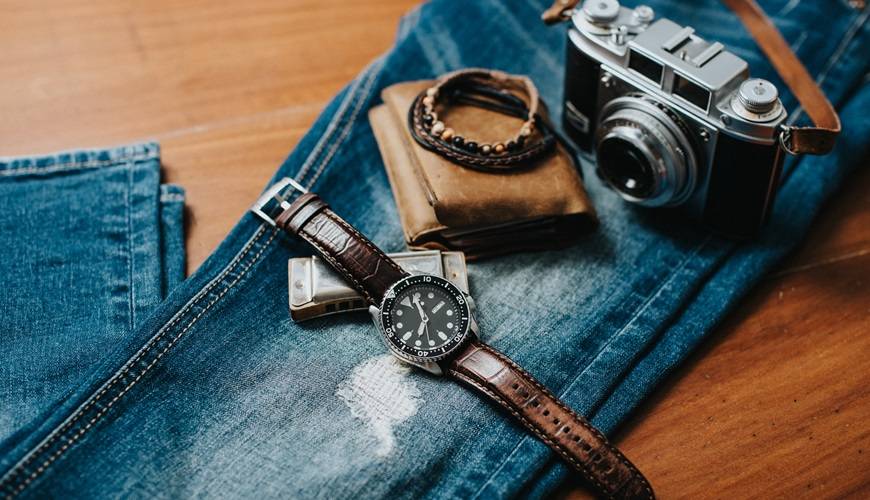
Watches are a lot like clothing, when you think about it. Some styles are designed for casual, laid-back wear, while others are made to elevate your most dressed-up looks.
The good news is, whatever your style, you can now find a timepiece whose look perfectly matches your way of life.
With our guide to watch styles, learn to quickly distinguish between classic watches, military watches, and sport watches - all while diving into their unique worlds.
Discover Watch Styles
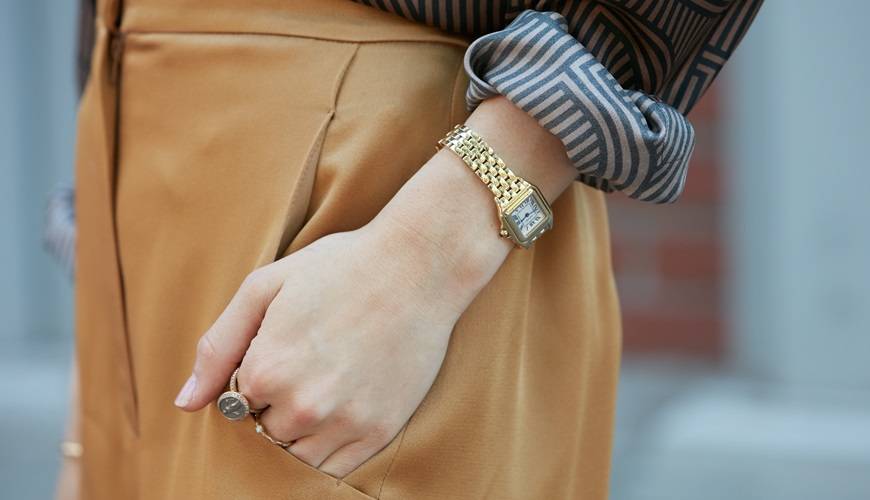
When we think of watches, round watches are usually the first to come to mind. And for good reason - this widely adopted shape produces timepieces that are symmetrical and perfectly legible.
While the vast majority of watches on the market today adopt this circular format, the ingenuity of certain prestigious brands also gives you access to shapes, colors, and materials as diverse as they are varied. You're certainly familiar with rectangular stainless steel watches, but have you ever heard of asymmetric, triangular, or elliptical models - or even those whose case has been treated with a black PVD coating?
There are many more shapes, colors, and materials out there - but we'll save those for another time. To learn how to tell them apart, simply browse our dedicated guides!
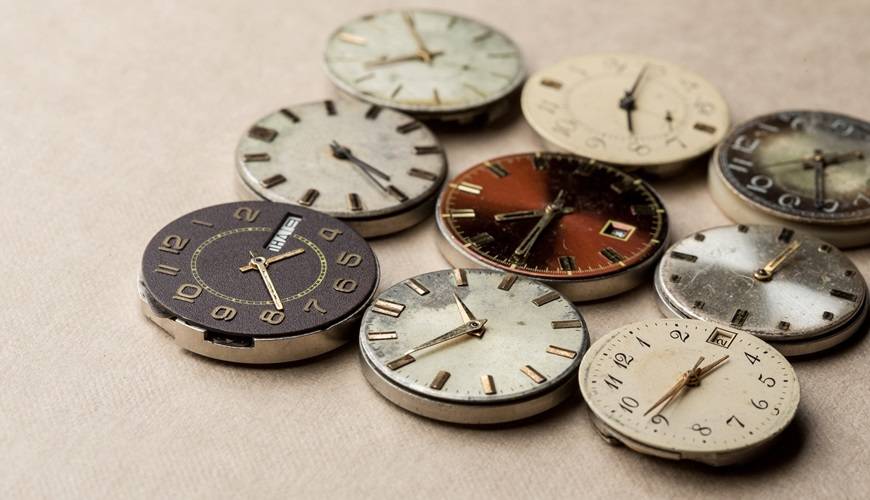
When you think about it, the dial is really the face of a watch. You probably know it can come in a variety of colors - but are you aware of the many finishes it can take? The most well-known is certainly the sunray finish, but other far more original and rare options exist too. You're sure to be surprised by just how much variety is out there!
When you take a close look at a watch dial, the first things you notice are its color and finish. Nothing new there, you might say. But do you know what raw material is used as a base in its machining process? Is it a common metal, or something more precious? Glass? Plastic?
Our 100% dedicated guide reveals every secret behind this masterpiece component - without which our beloved watches would lose all their personality.
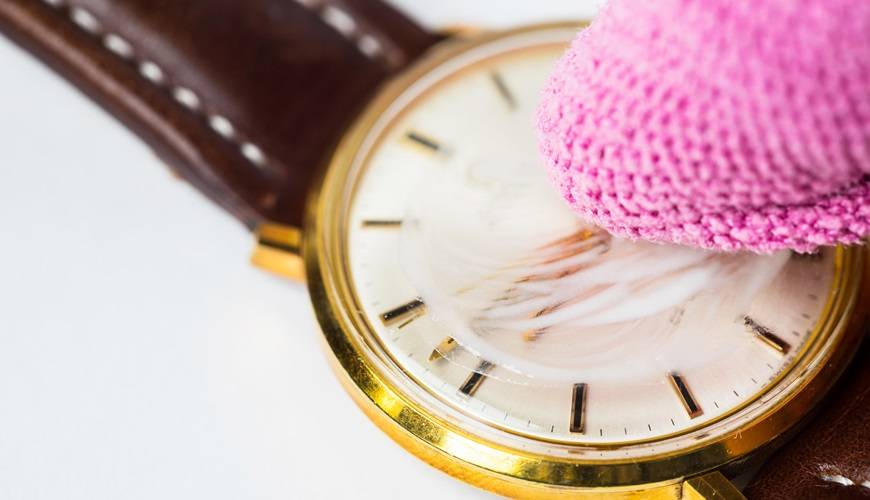
A crystal is just a crystal, right? Think again. Today there's a whole range of watch crystals available. While they all share the same purpose - protecting the dial while ensuring clear legibility - they can be made from different materials, come in several shapes, and even receive various surface treatments.
Watch crystals are a world unto themselves - and the good news is, our guide is here to help you decode all their mysteries with ease.
Some of this information is sure to surprise you! You'll discover, among other things, that there's a type of crystal that is virtually scratch-proof - even against the tip of a metal object.
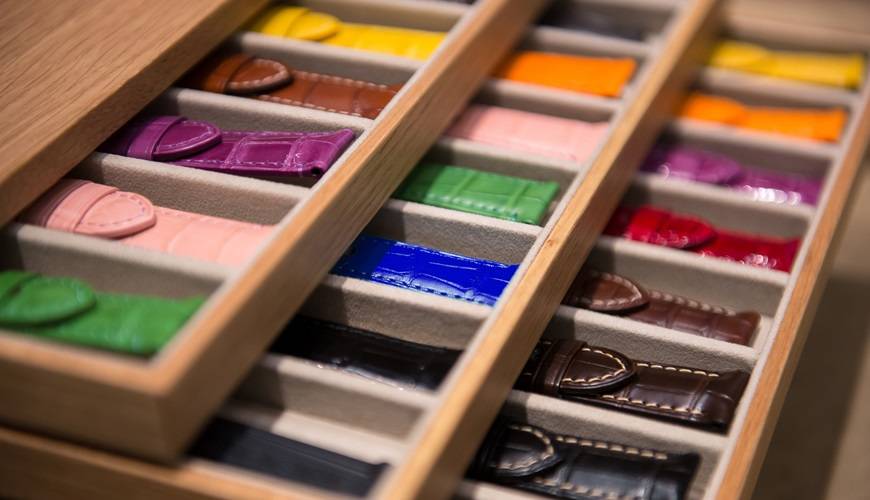
Watch straps are more than just functional elements that keep our timepieces on our wrists. They add a genuine final style touch - so much so that some now consider them true fashion accessories. The most passionate enthusiasts even coordinate them with their favorite outfits.
Available in a wide range of styles, shades, materials, and finishes, finding a strap that suits your personality has never been easier. While the NATO strap in textile and stainless steel link bracelets are hugely popular right now, the market actually offers an almost endless array of options - some of them surprisingly unexpected.
Today, the leather watch strap is crafted from precious exotic animal skins. Highly sought after by discerning collectors, the textures and color renditions it offers are truly remarkable.
With our guides, watch straps will hold no more secrets for you!
And if you'd like to learn more about jewelry, precious metals, and the stones that adorn them, feel free to browse our jewelry guide.
Share :
Official European Union notice on your rights in the event of a product's lack of conformity.