
0
Product added
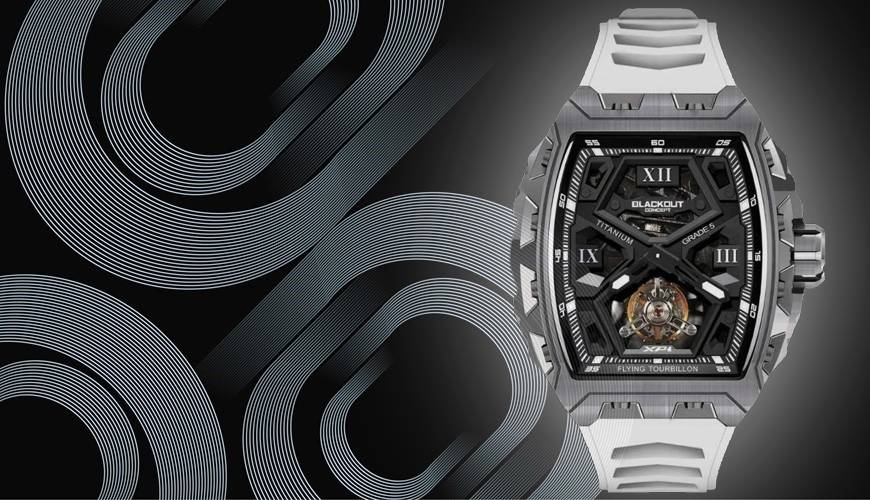
The tourbillon is a term you've likely heard, even if you're not quite sure what it actually means… Its fame has a simple explanation: it ranks among the most celebrated complications in the watch world, to the point where some enthusiasts consider it the ultimate Holy Grail!
Today, we cover everything you need to know about the tourbillon complication - from its definition and inner workings to its remarkable history.
Sometimes called a “rotating cage,” the tourbillon gets that name from its cage, which typically makes one full revolution every 60 seconds. This small, exceptionally complex device is added to the escapement of mechanical watches.
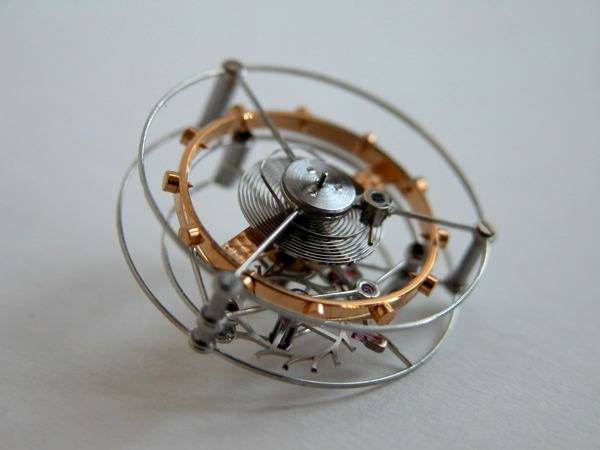
Watch Tourbillon (Source: Wikipedia)
A tourbillon is easy to spot through the circular opening in the dial, often at 6 o'clock. We won't get into the technical details just yet, but to understand exactly how it works, you first need to know the basics of mechanical / automatic watches.
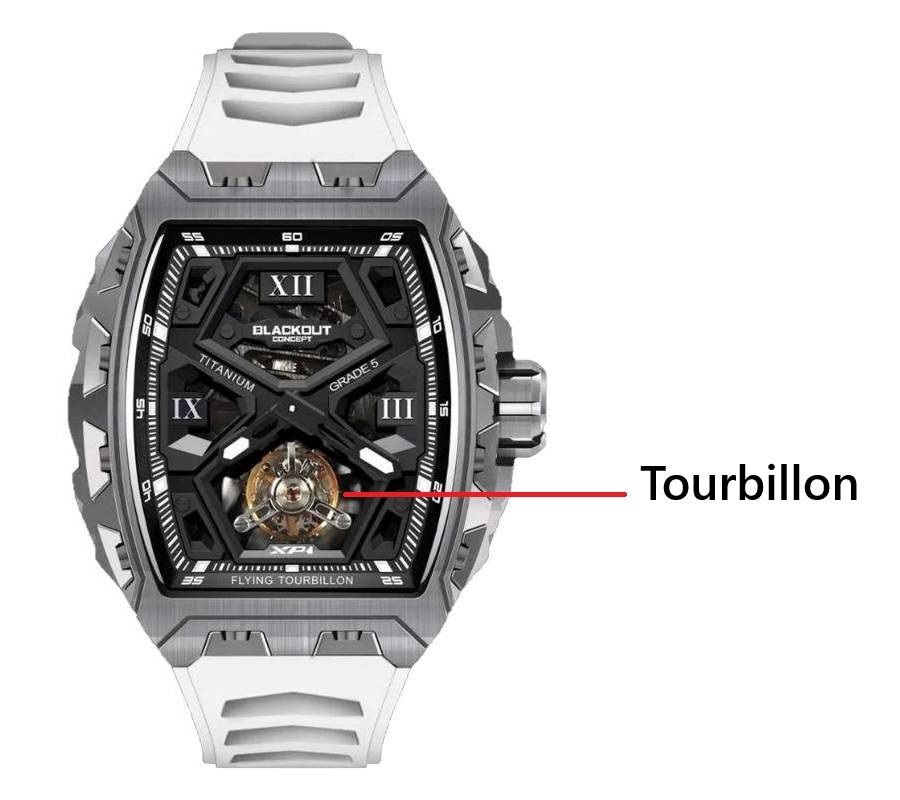
Tourbillon Placement on a Blackout Watches Watch
The tourbillon is a complication unlike any other because, strictly speaking, it adds no function to a watch. Its purpose is something else entirely: to improve the watch's accuracy.
Be careful not to confuse it with a much more common “open-heart” watch, which also has a small round opening in the dial. The distinction matters: the open-heart design serves no technical purpose. It is purely aesthetic, offering a pleasing view of the movement.
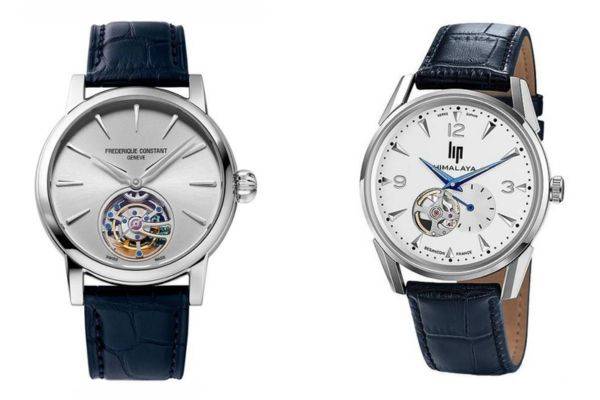
Tourbillon Watch vs. Open-Heart Watch
The tourbillon's purpose is to eliminate (or at least greatly reduce) the effect of gravity on a watch's rate, helping mechanical movements achieve a high level of precision. Some people do not consider the tourbillon a watch complication in the strict sense. If a complication must add a function beyond displaying the hours, minutes, and seconds, the tourbillon does not qualify. Everyone agrees, though, that it is a mechanical complication!
Before we get into the details, the tourbillon should not be confused with the carousel (sometimes spelled “karrusel”). Invented much later, in 1892, by Bahne Bonniksen, this mechanism shares the tourbillon's goal of improving watch accuracy but works differently. Although visually similar to a tourbillon, it is rare today.
The tourbillon, meanwhile, was invented by Abraham-Louis Breguet around 1795.
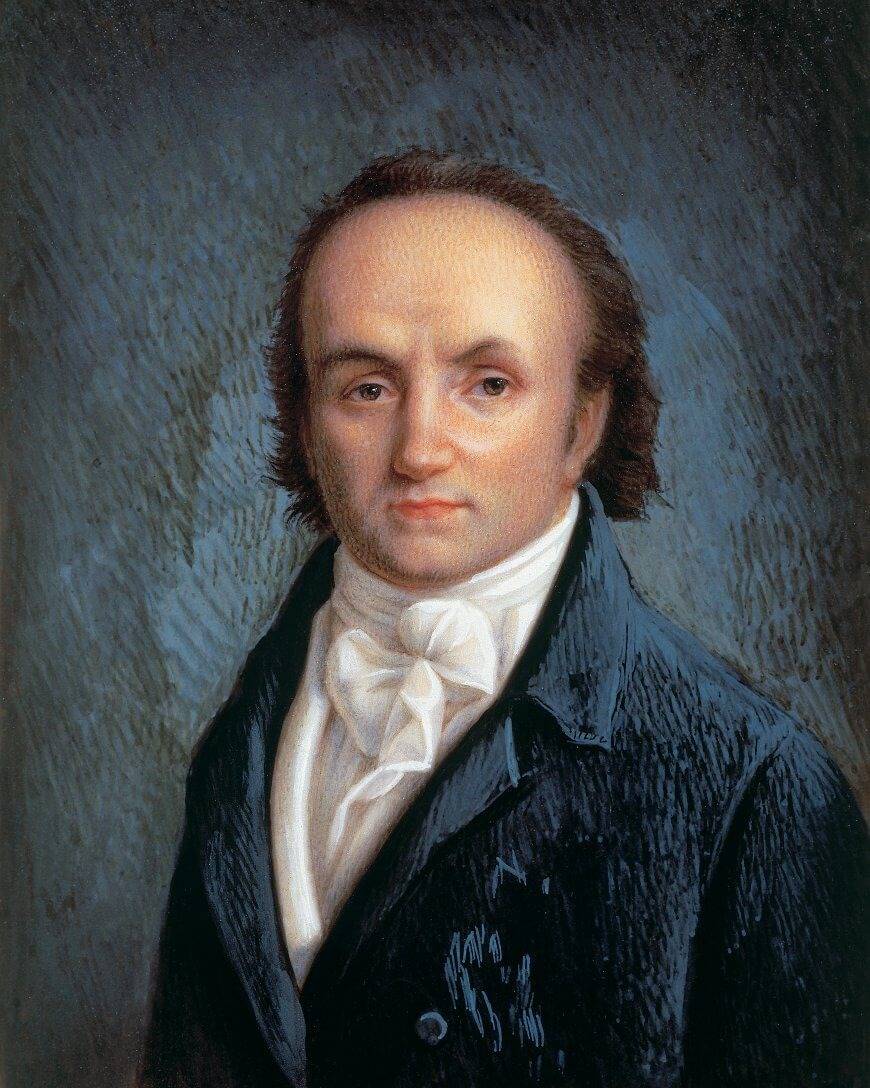
Portrait of Abraham-Louis Breguet, 1747-1823 (Source: Amis et Passionnés du Père Lachaise)
At the time, the watchmaker noticed something intriguing while observing mechanical watches at work: changing a watch's position changed its accuracy because gravity acted on its regulating mechanism. For a watch, which in those days meant a pocket watch, that was a real problem!
As watchmaker to French royalty, Breguet conducted numerous experiments to solve this problem. He eventually developed a solution he named the “tourbillon.” On December 24, 1800, he filed the technical documentation for a patent on this regulator. The patent was granted on June 26, 1801, for ten years.
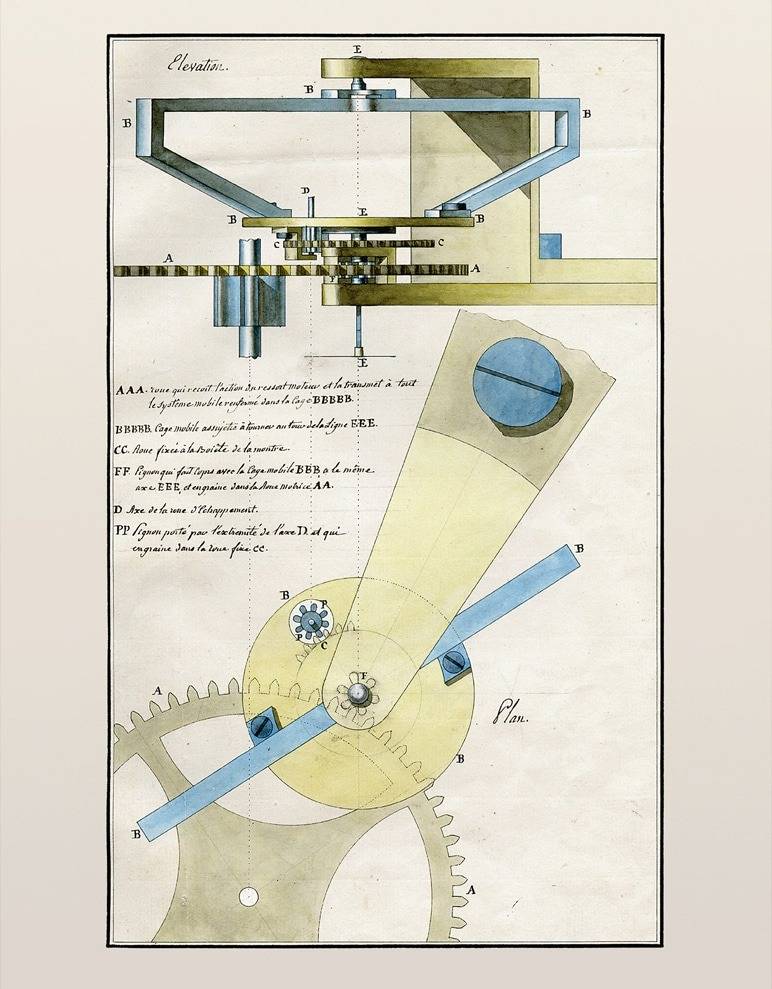
Tourbillon Drawing by Abraham-Louis Breguet (Source: Breguet)
In the summer of 1801, Abraham-Louis Breguet finally brought his invention to life, unveiling the first watch in history fitted with a tourbillon regulator. It remained experimental, but it made his idea a reality. Another four years would pass before a tourbillon watch was sold to the public in 1805.
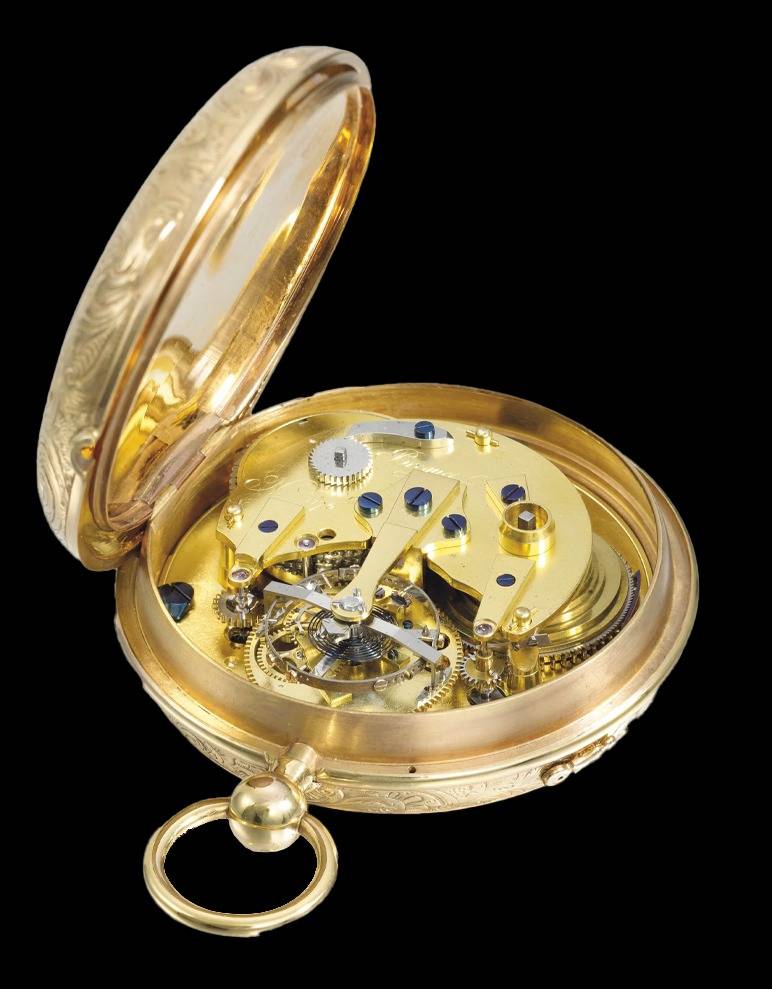
First Tourbillon Watch by Abraham-Louis Breguet, 1801 (Source: Breguet)
To promote his invention, Breguet took part in the National Exhibition of Industrial Products, held on the Esplanade des Invalides in Paris in October 1806. The tourbillon regulator quickly gained attention and has impressed watch enthusiasts ever since.
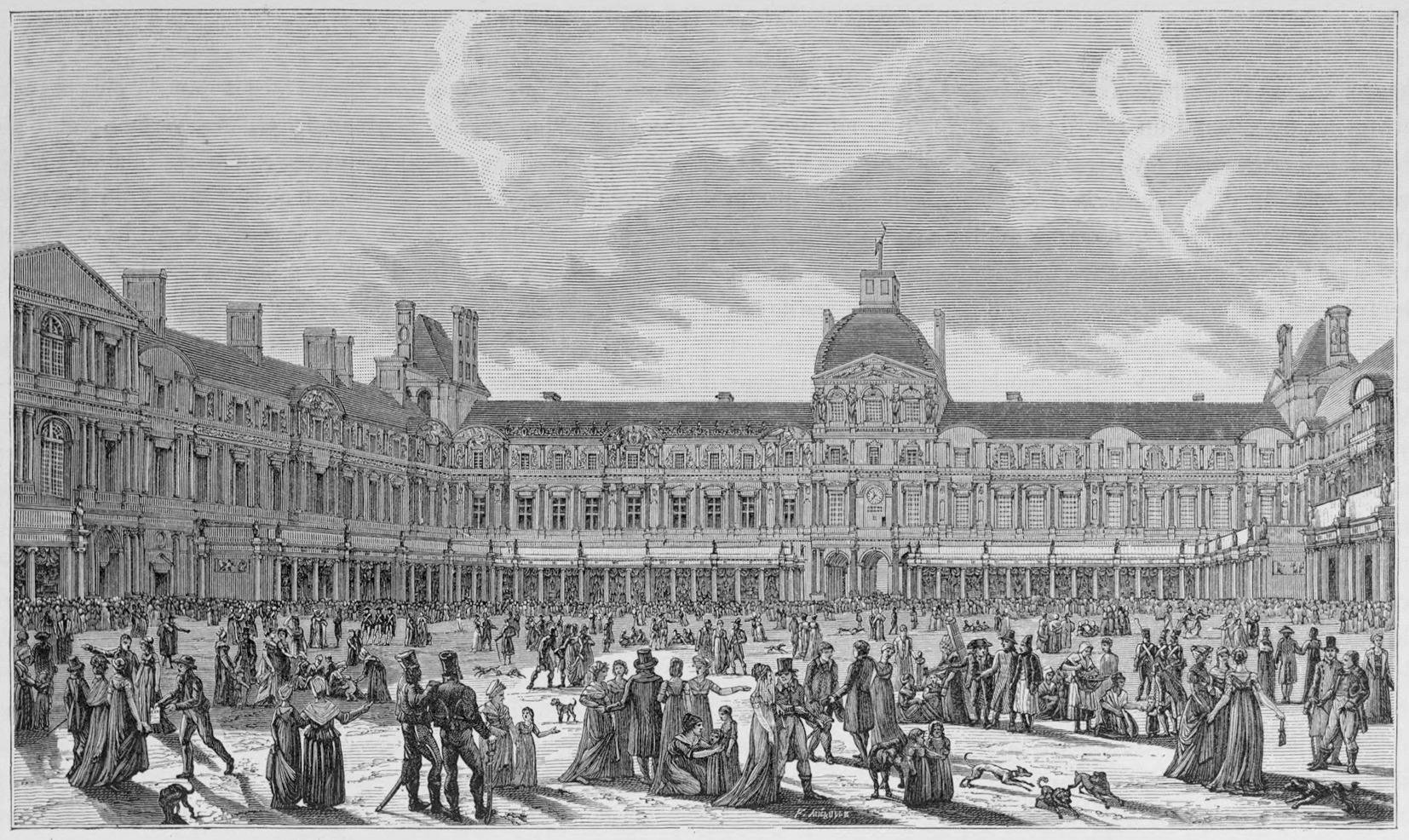
National Exhibition of Industrial Products, Paris - Esplanade des Invalides (Source: OpenEdition Journals)
Abraham-Louis Breguet's invention quickly caught the attention of the elite. Buyers included Italian patron Sommariva, the Prince Regent of England, Bishop Belmas, and members of Spain's Bourbon family. But production was far from plentiful: between the start of sales in 1805 and Breguet's death in 1823, just 35 tourbillons left his workshops.
This was not the only tourbillon watch Breguet developed. Others followed in the first half of the 19th century, including the famous “watch number 169,” presented to John Roger in 1809 in memory of his father, John Arnold, the great English watchmaker who had died a year earlier.
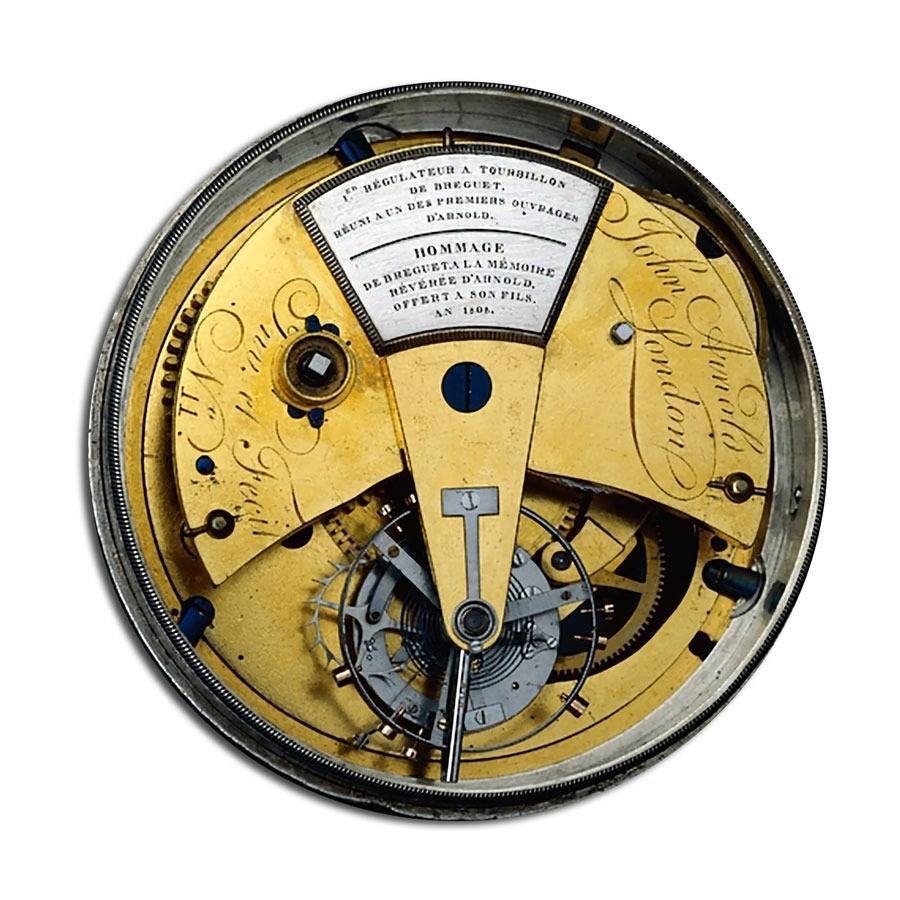
Breguet Watch Number 169, 1809 (Source: MyWatch)
This piece is all the more remarkable because it began as a chronometer made by John Arnold himself, which Abraham-Louis Breguet later modified to incorporate a tourbillon.
In 1920, another influential watchmaker, Alfred Helwig, made a major change to Breguet's original concept. A traditional tourbillon cage is supported between two pivots, rather like a bicycle wheel held between two bolts. Helwig devised a configuration in which the cage was supported by just one pivot.
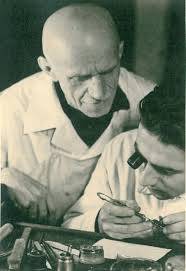
Alfred Helwig, 1886-1974 (Source: aBlogtoWatch)
In this new design, the cage rests on a small base, making the tourbillon appear to float in midair. This ingenious construction gave rise to the name “flying tourbillon” (or “flying tourbillon”).
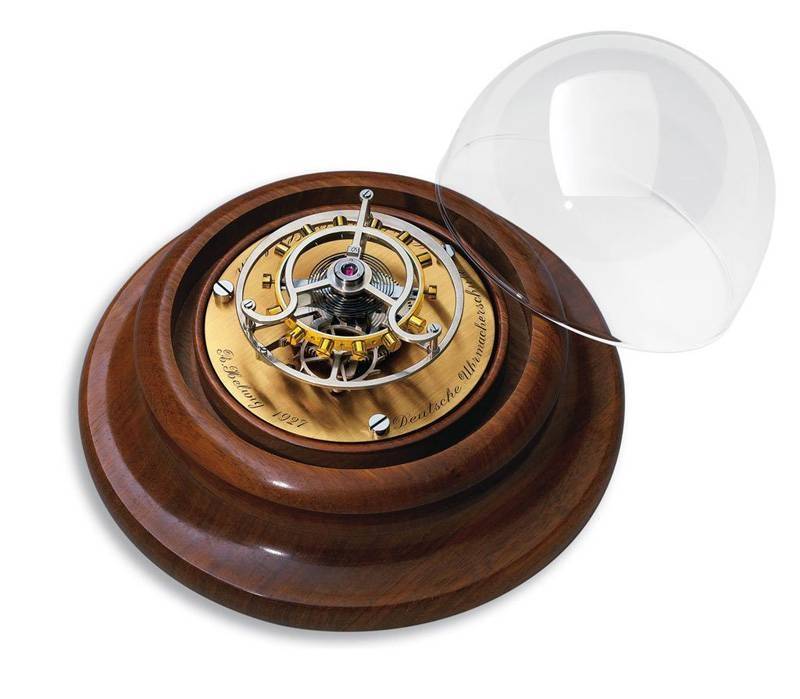
Demonstration Model of Alfred Helwig's Flying Tourbillon, 1927 (Source: Europastar)
Another milestone came in 1947, when Omega introduced one of the first tourbillon wristwatches. It was a historic advance, given how difficult it is to make and miniaturize a tourbillon. Omega's watchmakers managed to fit the mechanism into a wristwatch case, a feat that earned the Swiss manufacturer several awards.
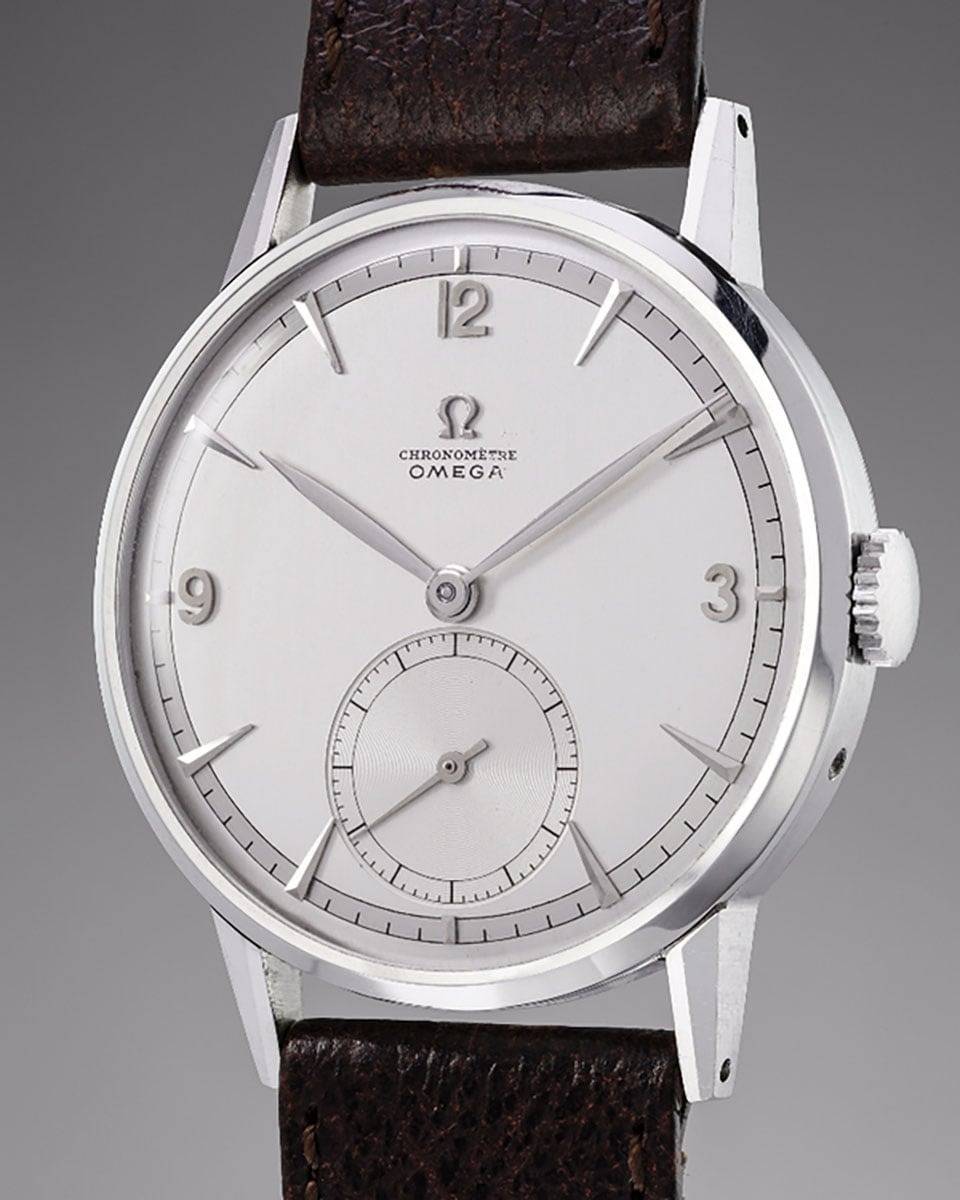
Omega Tourbillon Watch Prototype, circa 1940 (Source: Omega)
At the time, the tourbillon was hidden in some watches and could not be seen from the front.
In 1948, French brand Lip unveiled a prototype of its famous T18 fitted with a tourbillon. This compact rectangular watch is exceptionally rare today. An opening at 6 o'clock on the dial makes its tourbillon visible.
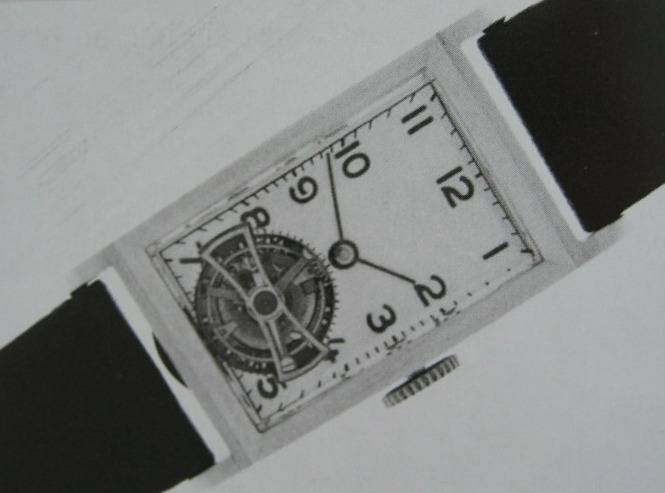
Lip T18 Tourbillon Prototype, 1948 (Source: watchesz.free)
At the time, wristwatches with tourbillons were either prototypes or exceptional pieces. Manufacturers struggled to miniaturize the complex system, and the very few models fitted with one were extremely expensive to make, limiting their commercial viability. Tourbillons were also originally designed for pocket watches, safely sheltered in vest pockets. They were therefore delicate and less suited to wristwatches, which face knocks and other everyday stresses.
It is also worth remembering that during the 20th century, more and more manufacturers offered chronometer watches, meaning exceptionally accurate watches, without tourbillons. Paradoxically, advances in watchmaking made Breguet's accuracy-focused invention almost obsolete.
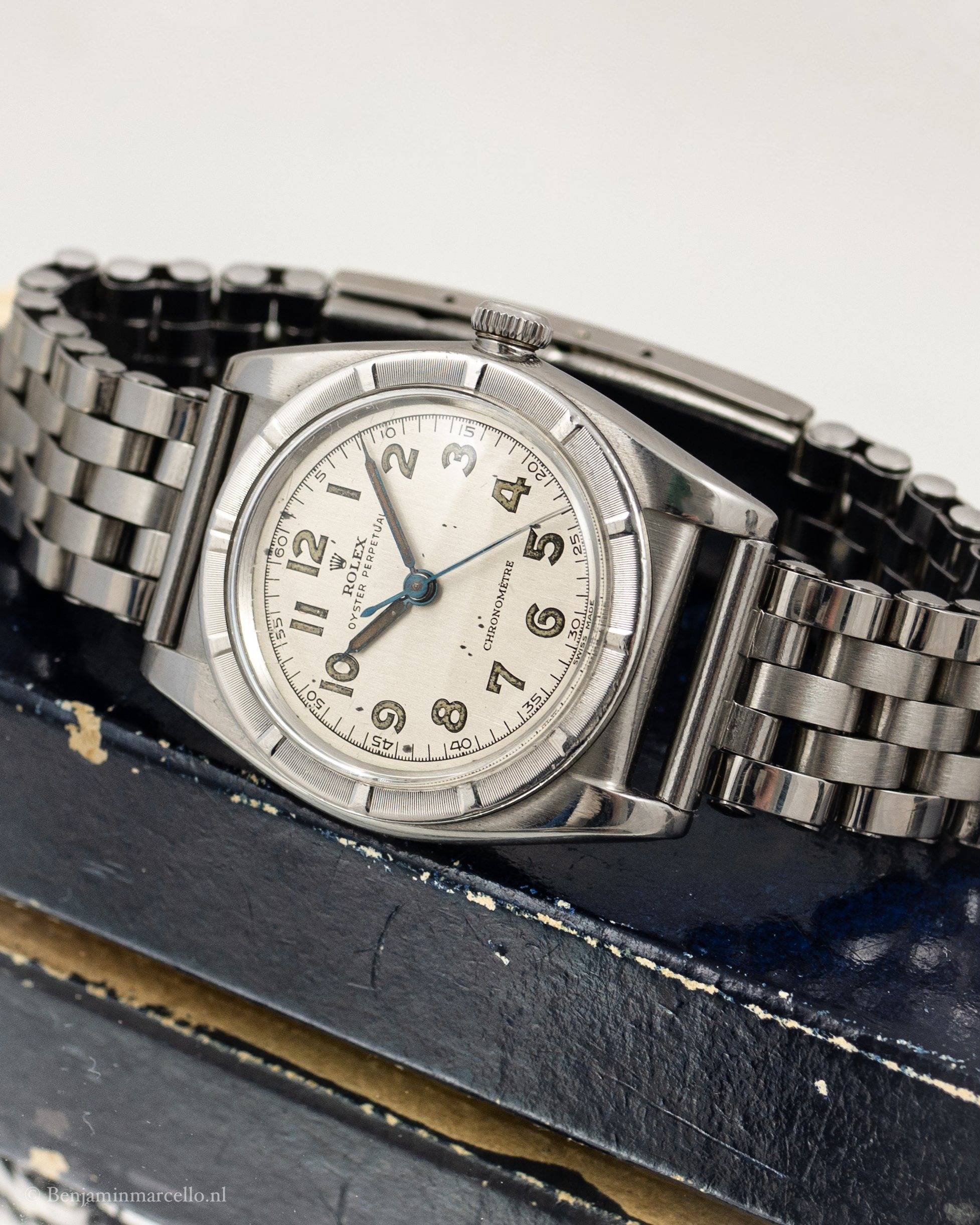
Rolex Bubble Back Chronometer Watch Ref. 6050, 1947 (Source: Benjamin Marcello)
Tourbillon watches did not reappear until the 1980s and 1990s, when interest in major watch complications revived. They were developed by leading manufacturers such as Jaeger-LeCoultre, IWC, Patek Philippe, Audemars Piguet, Breguet, Blancpain, Glashütte Original, and Gérald Genta. In short, they all came from prestigious watchmaking houses.
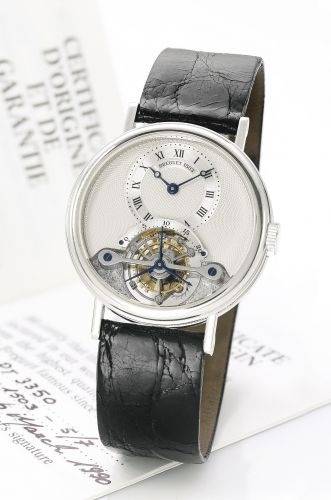
Breguet Tourbillon Watch, circa 1990 (Source: Collector Square)
If you love vintage pieces, expect to pay at least several tens of thousands of euros for these watches today. The rarest models can even fetch several hundred thousand euros on online marketplaces!
In 2003, Patek Philippe introduced the rectangular reference 5101 P watch with a 10-day power reserve. Its tourbillon is visible only through the case back, as the dial has no opening for it.
The platinum case houses a movement just 6 mm thick, measuring barely 28 mm high by 20 mm wide, an impressive technical feat for a tourbillon watch.
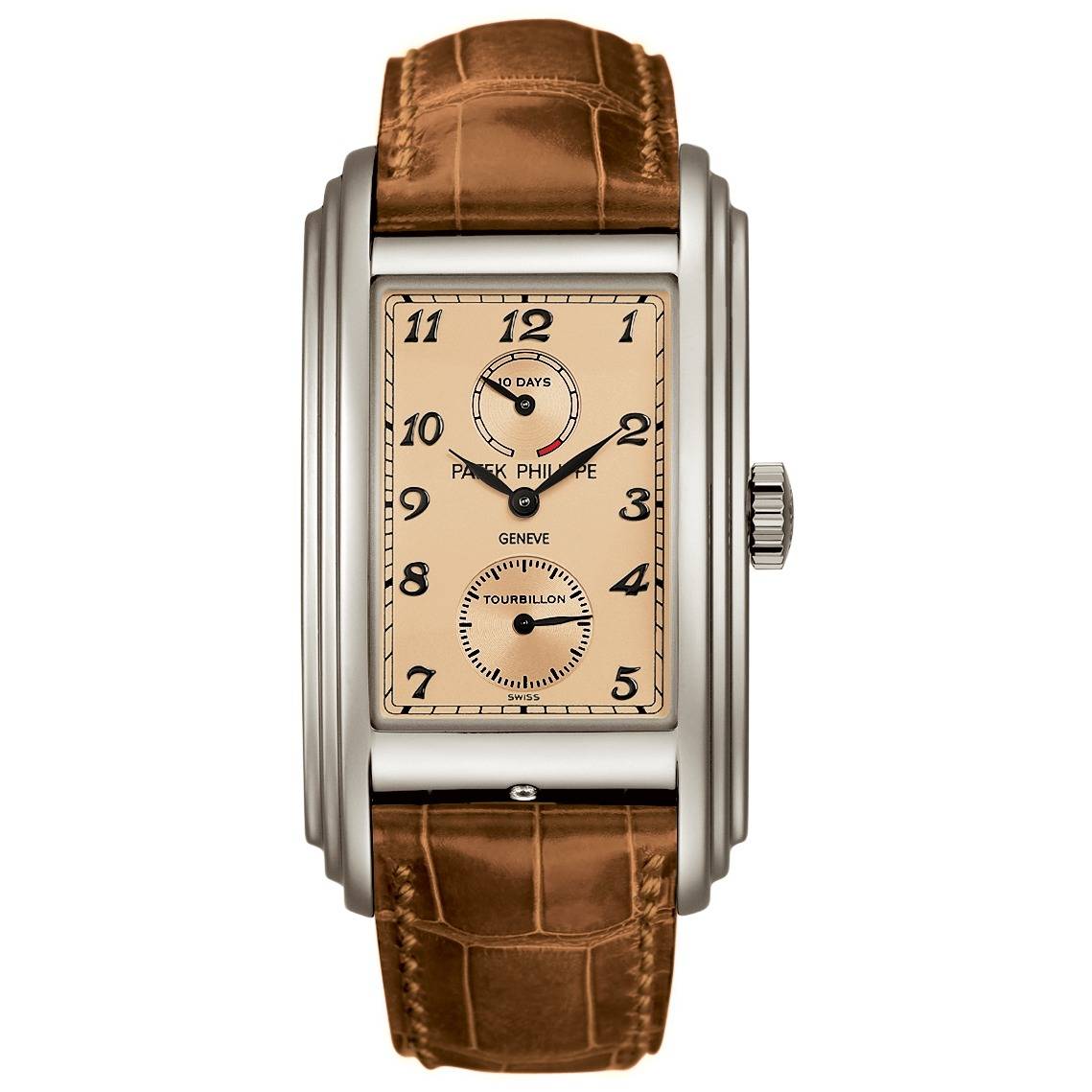
Patek Philippe Watch Ref. 5101 P, 2003 (Source: GPHG)
More recently, in 2024, prestigious watchmaker Piaget, known for its ultra-thin watches, unveiled the Altiplano Ultimate Concept Tourbillon for its 150th anniversary. Measuring 41.5 mm in diameter and just 2 mm thick, it is the world's thinnest tourbillon watch.
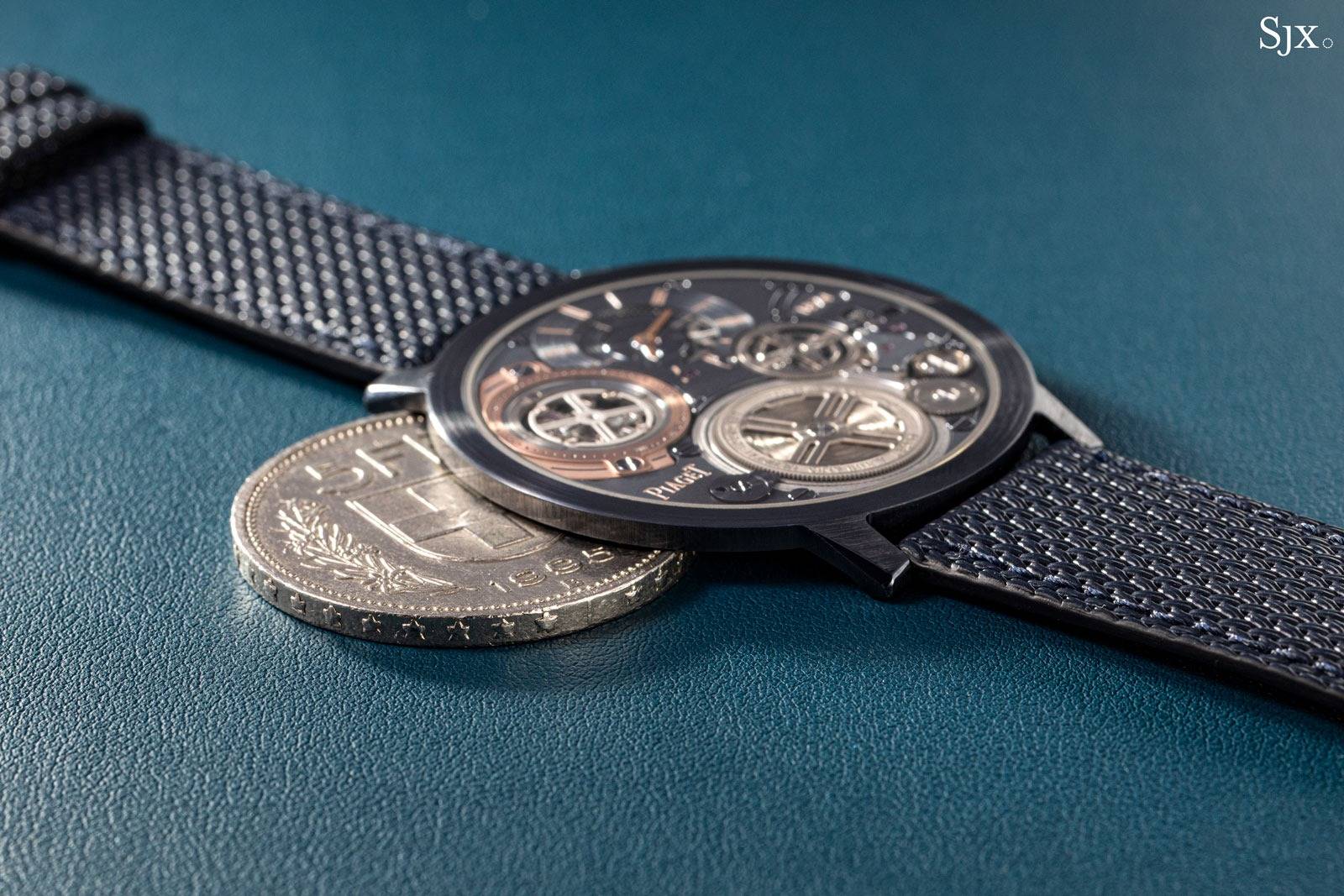
Piaget Altiplano Ultimate Concept Tourbillon Watch, 2024 (Source: SJX Watches)
These timepieces were once priced far beyond most people's reach, but that has changed. Some manufacturers now offer more affordable tourbillon watches. One is Blackout Watches, which makes sporty models with a stealthy, futuristic look, such as the The Wormhole Black Corner x Blackout Watches. Developed in collaboration with artist BLYNE, who founded the Black Corner brand, this model features a central tourbillon positioned in the middle of the dial, with hands that seem to float around it.
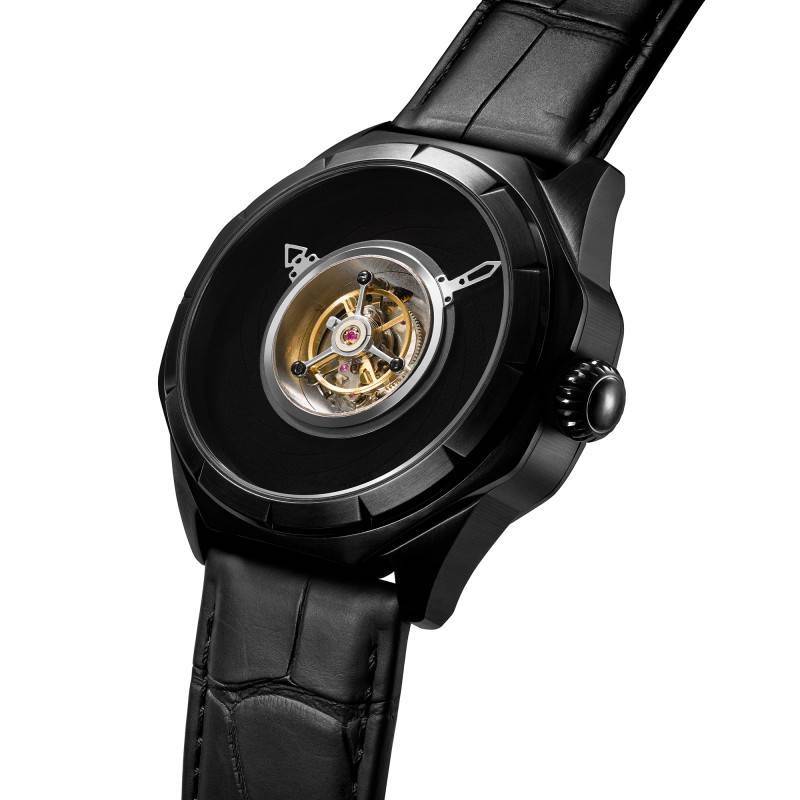
The Wormhole Black Corner x Blackout Watches Watch
Another brand, Inercy, has even managed to offer a tourbillon for less than 1 500 € with the Inercy One, a feat that would have been unthinkable a few decades ago, when this complication was so expensive!
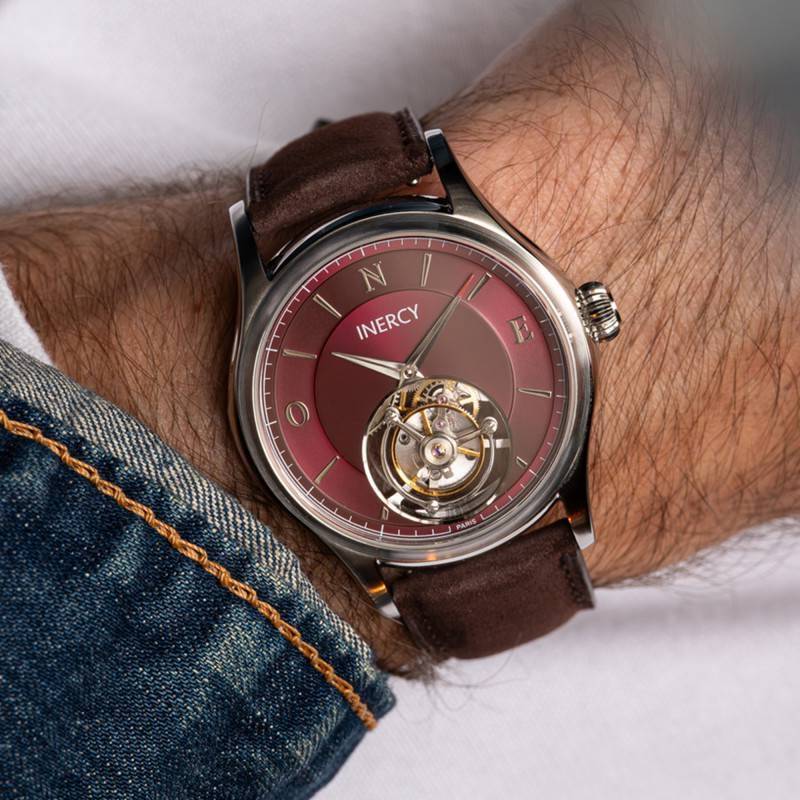
Inercy One Red Tourbillon Watch
Now that you know the history of tourbillon watches and how they gradually became more accessible, let's look at how these exceptional timepieces work and what makes their mechanics so fascinating.
The tourbillon rests on a simple but ingenious idea: counteracting gravity's effect on a watch's regulator. In a mechanical watch, the balance wheel, hairspring, and escapement form the beating heart of the movement. These components oscillate to regulate timekeeping, but, as we saw earlier, their accuracy depends on the watch's position. Pocket watches were often carried vertically, so gravity acted on these components continuously, causing small variations in rate.
To counter this effect, Abraham-Louis Breguet devised a way to place the entire regulating assembly inside a rotating cage. The cage typically completes a revolution in 60 seconds, carrying the balance wheel and escapement through every possible position in turn.
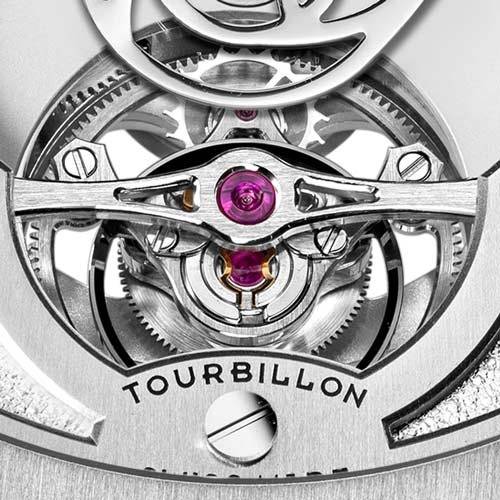
Tourbillon in Dwiss Caliber 8950
The idea is to average out the errors! Each position introduces a tiny deviation, and a full rotation spreads those deviations across the cycle, producing better average accuracy than conventional watches of the time.
Breguet also experimented with longer rotations of 4 or 6 minutes to study how rotation time affected error compensation. Though less common, these variations show the scientific rigor with which Abraham-Louis Breguet studied a movement's timekeeping consistency.
Making a tourbillon is a major technical challenge! Its cage, made up of dozens of tiny parts, must be light and perfectly balanced so it does not disrupt the movement. The gear train drives the rotating assembly while the balance wheel and escapement continue working inside it.
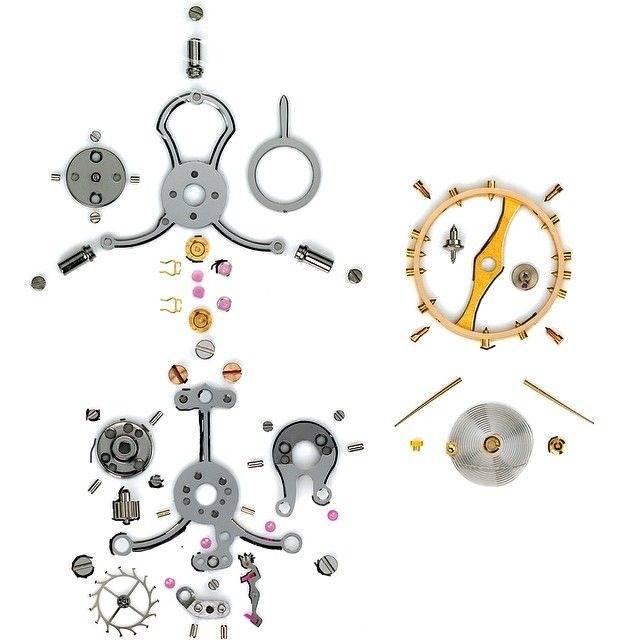
Components of a Watch Tourbillon (Source: Pinterest - @Aranud Valette)
One of the greatest challenges is transmitting energy. The escapement must receive power from the gear train while the cage rotates steadily. Any imbalance or excessive friction can affect accuracy. The tourbillon is both a functional mechanism and a demonstration of craftsmanship, requiring extremely precise adjustment of the balance wheel and hairspring.
The tourbillon was originally intended to improve the timekeeping consistency of pocket watches held in fixed positions. Its practical value declined with the arrival of wristwatches, which are often in motion, but it remains a symbol of watchmaking virtuosity.
Watchmakers have also developed many variations, including flying, multi-axis, double- and triple-cage, and inclined-cage tourbillons.
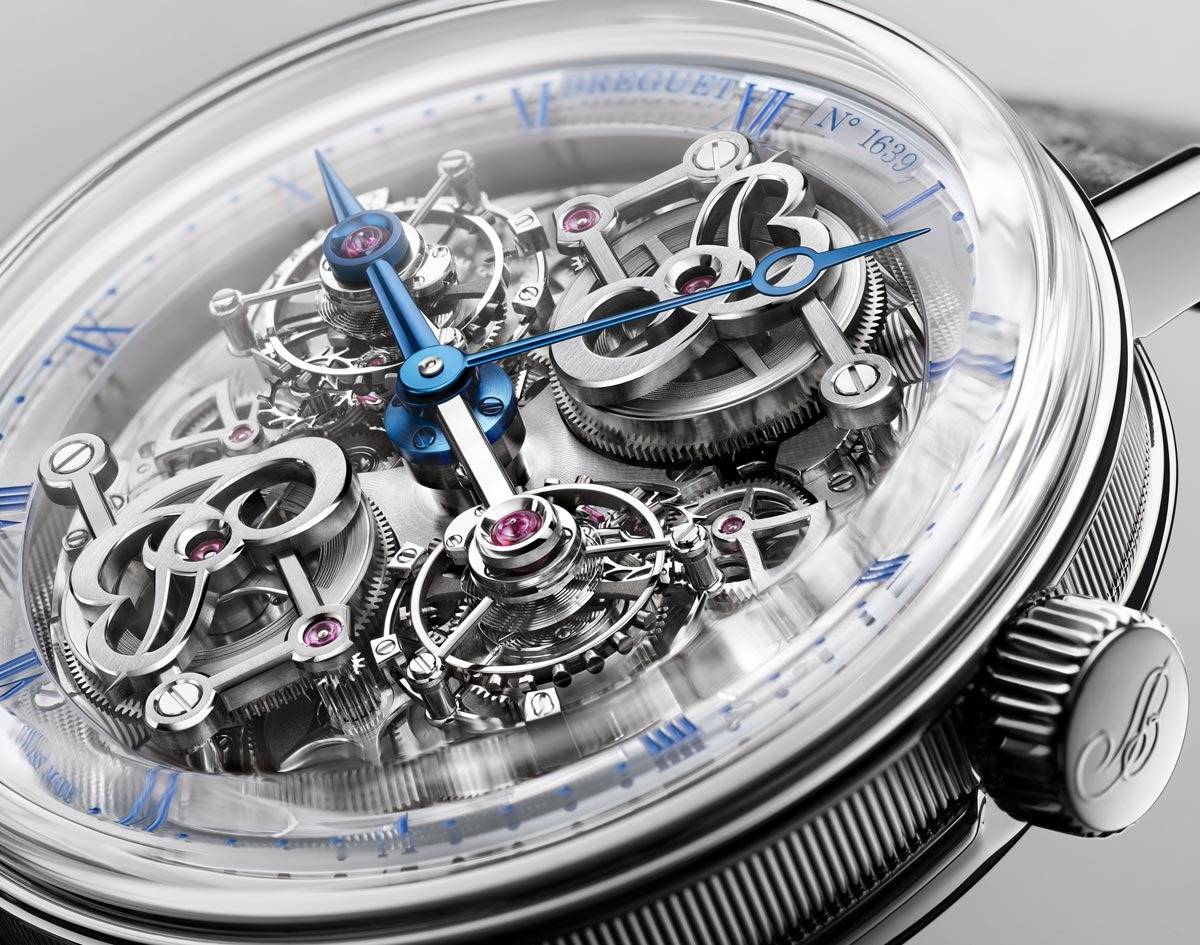
Breguet Classique Double Tourbillon Watch Ref. 5345 Quai de l'Horloge (Source: La Cote des montres)
Each of these advances builds on Abraham-Louis Breguet's idea, pushing technical boundaries and highlighting the mechanism's elegance. More than two centuries later, the principle is unchanged: rotate the regulator to counter gravity, bringing science, precision, and beauty together in a single watch complication.
Originally, the tourbillon was a breakthrough in timekeeping. In 18th-century pocket watches, it compensated for gravity's effects on the balance wheel and escapement, delivering far greater accuracy than conventional movements. The rotating cage evened out small variations in rate and achieved a level of timekeeping consistency unprecedented at the time.
Today, things are very different. Modern mechanical watches benefit from far more advanced technology and manufacturing standards. Chronometer watches certified by organizations such as COSC deliver exceptional timekeeping consistency even without a tourbillon.
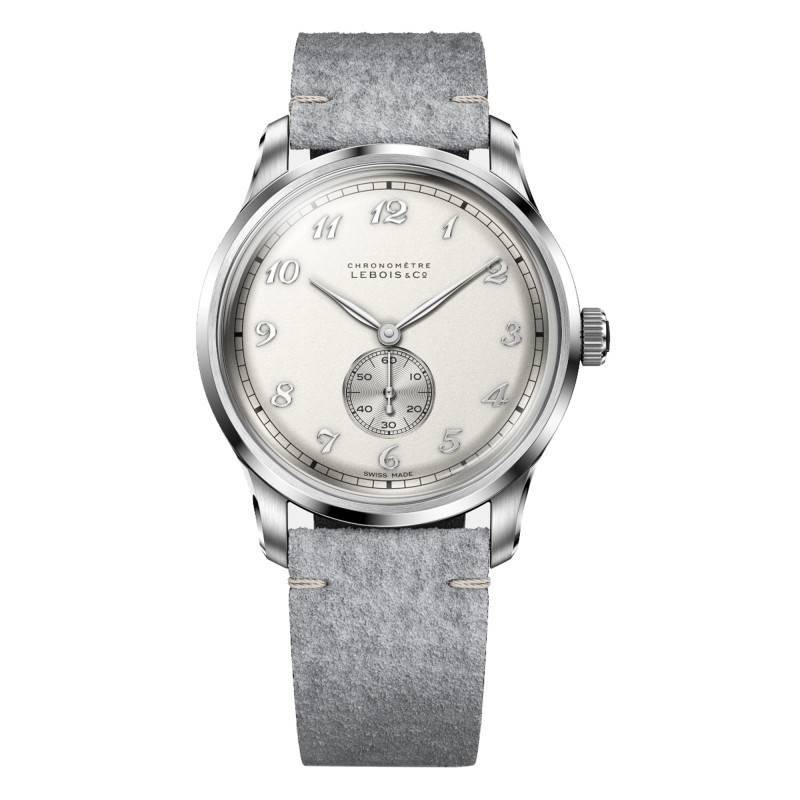
Lebois & Co Heritage Small Seconds Script Chronometer Watch
The arrival of quartz watches also radically changed expectations for accuracy. A quartz watch can stay accurate to the second for several months, making the tourbillon's practical advantages almost negligible in everyday life.
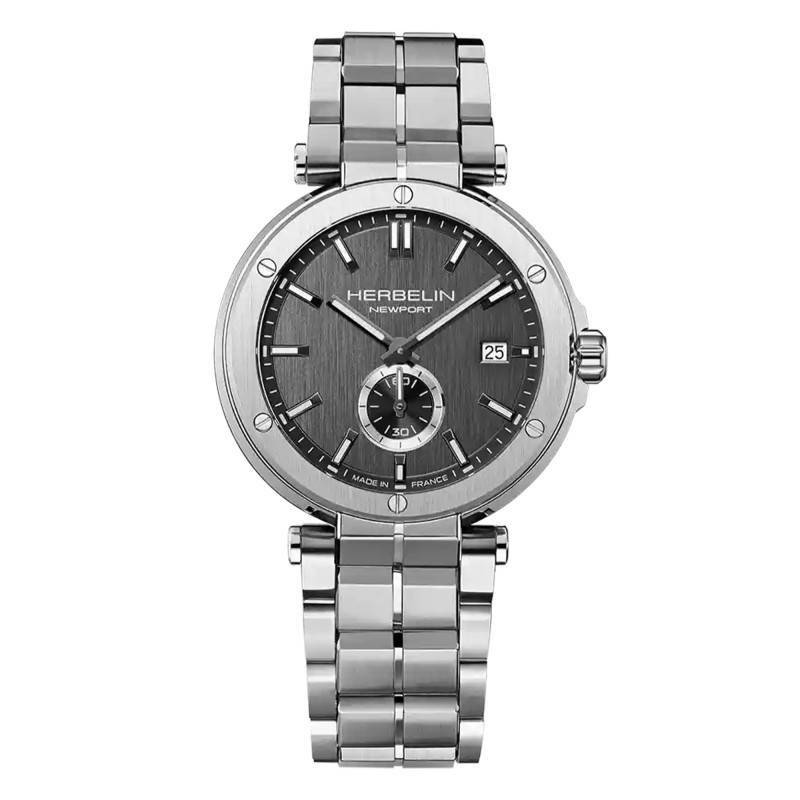
Herbelin Newport Elegance Quartz Watch
The tourbillon therefore no longer plays a significant role in accuracy. Today, it is more a feat of watchmaking than a technical necessity. Its demanding design, from miniaturizing the parts to perfectly balancing the cage and maintaining a continuous power supply, presents a real challenge for master watchmakers. Creating a tourbillon takes exceptional skill, and brands that succeed show their mastery of watchmaking!
Today, the tourbillon is a symbol of mechanical virtuosity and innovation rather than a tool for improving accuracy. It brings together visual beauty and technical ingenuity. Watching its cage turn with the balance wheel oscillating inside remains captivating. In contemporary collections, it often stands as a mark of expertise and exclusivity, showing that a manufacturer can meet one of watchmaking's most complex challenges.
Though a tourbillon is no longer essential for accurate timekeeping, it remains a showcase of watchmaking excellence, bringing mechanical skill and creativity together. It carries on Abraham-Louis Breguet's legacy while celebrating modern technical ingenuity.
Share :
Official European Union notice on your rights in the event of a product's lack of conformity.