
0
Product added
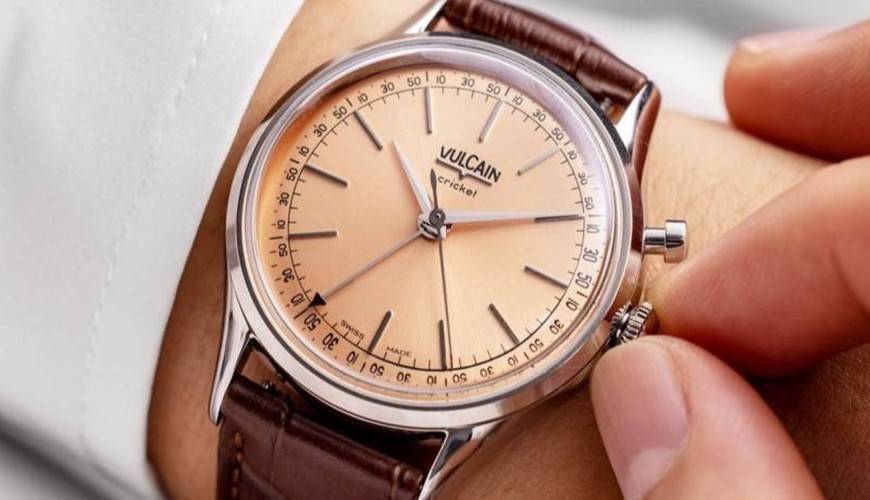
Does your passion for fine horology lead you to explore the alarm complication? This Ocarat guide reveals everything you need to know about this remarkably rare watchmaking feature...
In watchmaking, the alarm is a complication that allows a watch to chime at a preset time. This feature can come in handy in many situations. Of course, it can serve as a wake-up call, but it can also be used as an audible alert to notify you of a specific event.
For example, if you have an appointment or a task scheduled at a specific time, you can set your watch's alarm to alert you with an audible signal. Once very popular, this complication offered a 2-in-1 solution - a watch and an alarm combined - which was especially appreciated by travelers and businesspeople.

Today, the alarm complication is relatively rare in watchmaking, yet some manufacturers - you may well know them - continue to integrate it brilliantly into the sometimes iconic pieces of their collections.
In watchmaking, the alarm is a complication that has existed since the 17th century! However, if you've read our guide on the history of watches, you'll know that wristwatches came into being in the early 20th century. It was only then that the very first wristwatch equipped with an alarm function appeared.
It was Swiss watchmaker Eterna that developed this watch, unveiled in 1914. A landmark piece, as it was the first wristwatch produced in large quantities to feature an alarm. Its patent was filed a few years before it went on sale - in 1908, to be precise!
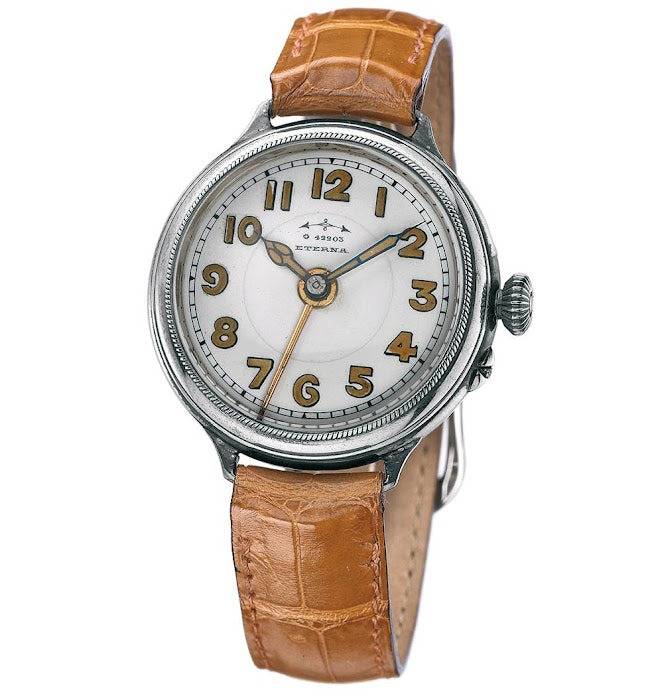
Eterna alarm complication watch, 1914 (Source: Time and Watches)
This watch's alarm could ring for a few seconds - long enough to effectively alert the wearer. However, it had one significant drawback: both the alarm mechanism and the main movement drew power from a single shared barrel. When the alarm activated, it consumed a significant portion of the available energy, reducing the watch's power reserve. This meant the movement had to be wound more frequently than a standard mechanical watch.
Moreover, the alarm could only ring for 6 to 7 seconds at most and was only adjustable within a 12-hour window, requiring the wearer to plan carefully. For example, to wake up at 7 in the morning, the alarm had to be set the evening before. Over time, this early alarm mechanism could also affect the watch's accuracy.
Over the following years, and through to the late 1930s, Eterna continually refined and improved this model. The brand introduced a second version without a pusher, on which the alarm was set by rotating the bezel. Ingenious, right?
In the 1940s, Vulcain unveiled its own alarm watch: the legendary Vulcain Cricket. This iconic timepiece took five years to develop, with research beginning in 1942 and the watch launching in 1947.
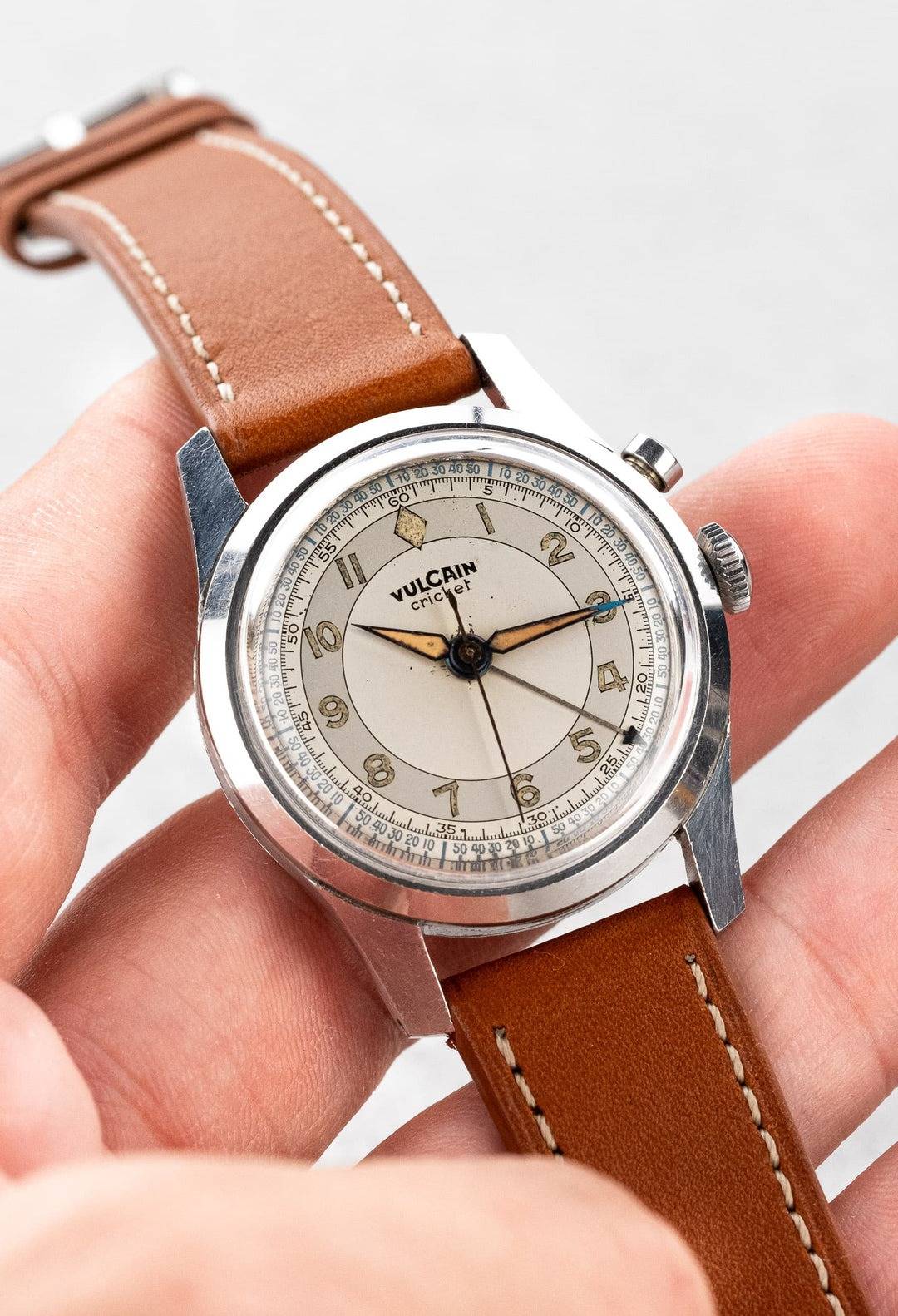
Vulcain Cricket, 1947 (Source: Amplitudewatches)
Powered by calibre 120, the Vulcain Cricket incorporated two separate barrels: one dedicated to the timekeeping function and the other to the alarm, solving the power reserve issue encountered on the Eterna.
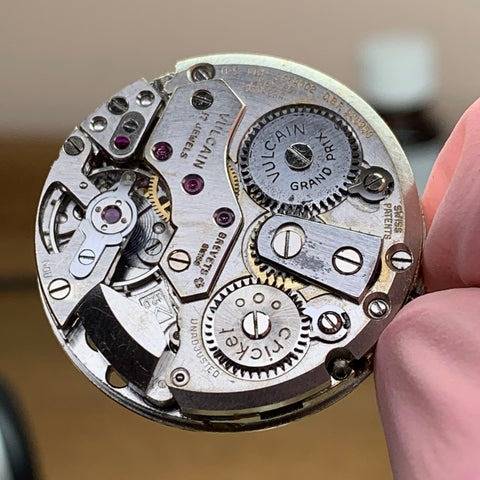
Vulcain Calibre 120 (Source: ClockSavant)
Despite the two barrels, both the movement and the alarm were wound via a single crown at 3 o'clock. This required:
Once fully wound, the alarm could ring for up to 25 seconds - more than enough to wake its owner. The sound was amplified by a perforated case back acting as a resonance chamber. The name "Cricket" comes from the fact that its ring was reminiscent of a cricket's chirp.
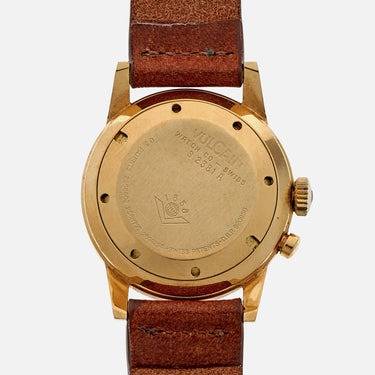
Vulcain Cricket perforated case back, 1950 (Source: Hodinkee Shop)
A fun fact: the Vulcain Cricket became famous under the nickname "the Presidents' Watch," as it was adopted by numerous American presidents including Harry S. Truman, Dwight D. Eisenhower, Lyndon B. Johnson, Richard Nixon, and even Barack Obama!
In 1950, Jaeger-LeCoultre launched its Wrist Alarm model, introducing a major innovation: the use of a central rotating disc to set the alarm, replacing the traditional hand.
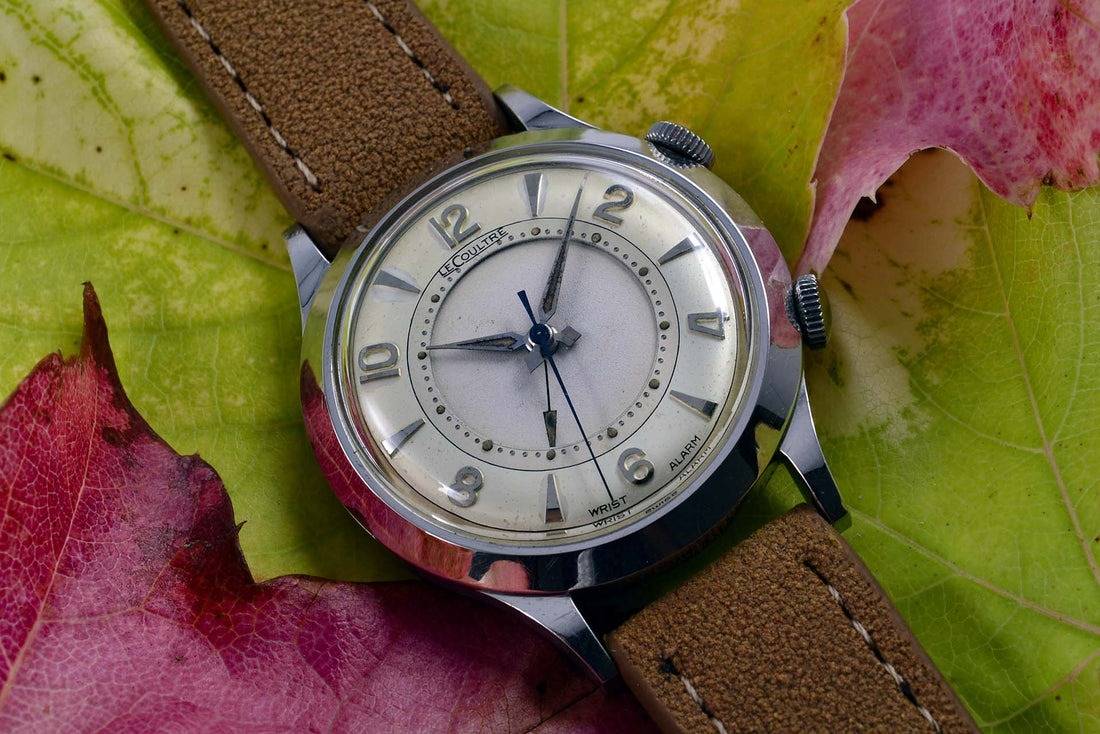
Jaeger-LeCoultre Wrist Alarm, 1950 (Source: LumeVille)
Shortly after, this model was renamed "Memovox," a contraction of "Memor" and "Vox," meaning "the voice of memory."
The Memovox's in-house calibre 489 also featured separate power reserves for the watch and the alarm. The model had two crowns - one at 2 o'clock and another at 4 o'clock - a configuration that created a pleasing visual symmetry.
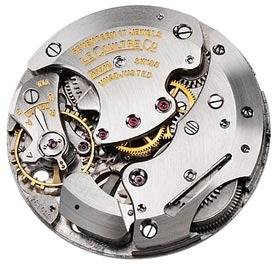
Jaeger-LeCoultre Calibre 489, 1950 (Source: La Cote des Montres)
The slogan used by Jaeger-LeCoultre to advertise the Memovox was: "The precision watch that reminds, warns, awakens." Simple, memorable, and remarkably effective!

Vintage Jaeger-LeCoultre Memovox advertisement (Source: The Beautiful Watch)
The Memovox was a genuine commercial success for Jaeger-LeCoultre. It found its audience in the businessmen of the era, whose busy lifestyles demanded organization. The watch was also worn by a few celebrities, including Charlie Chaplin, who received a model as a gift.
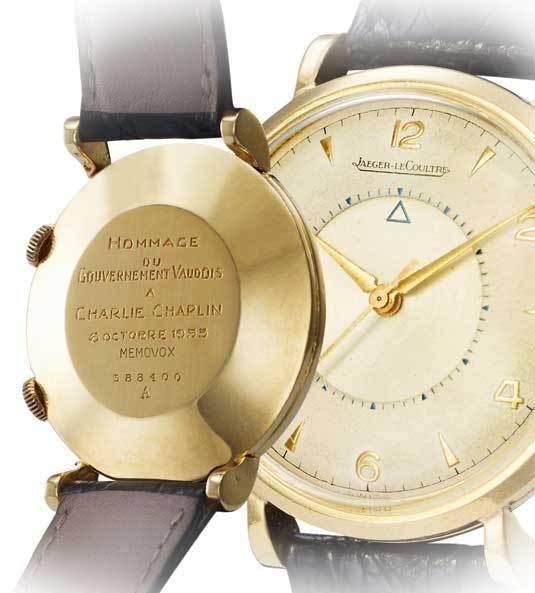
Charlie Chaplin's Jaeger-LeCoultre Memovox (Source: Montres de luxe)
Back in the day, picking up a Jaeger-LeCoultre Memovox meant a visit to Van Cleef & Arpels, Cartier, or Gubelin. Buying a Memovox was quite an experience!
But Eterna, Vulcain, and Jaeger-LeCoultre weren't the only brands to enter this space. Throughout the 20th century, many Swiss, French, and even Soviet watchmakers launched their own versions of the alarm watch.
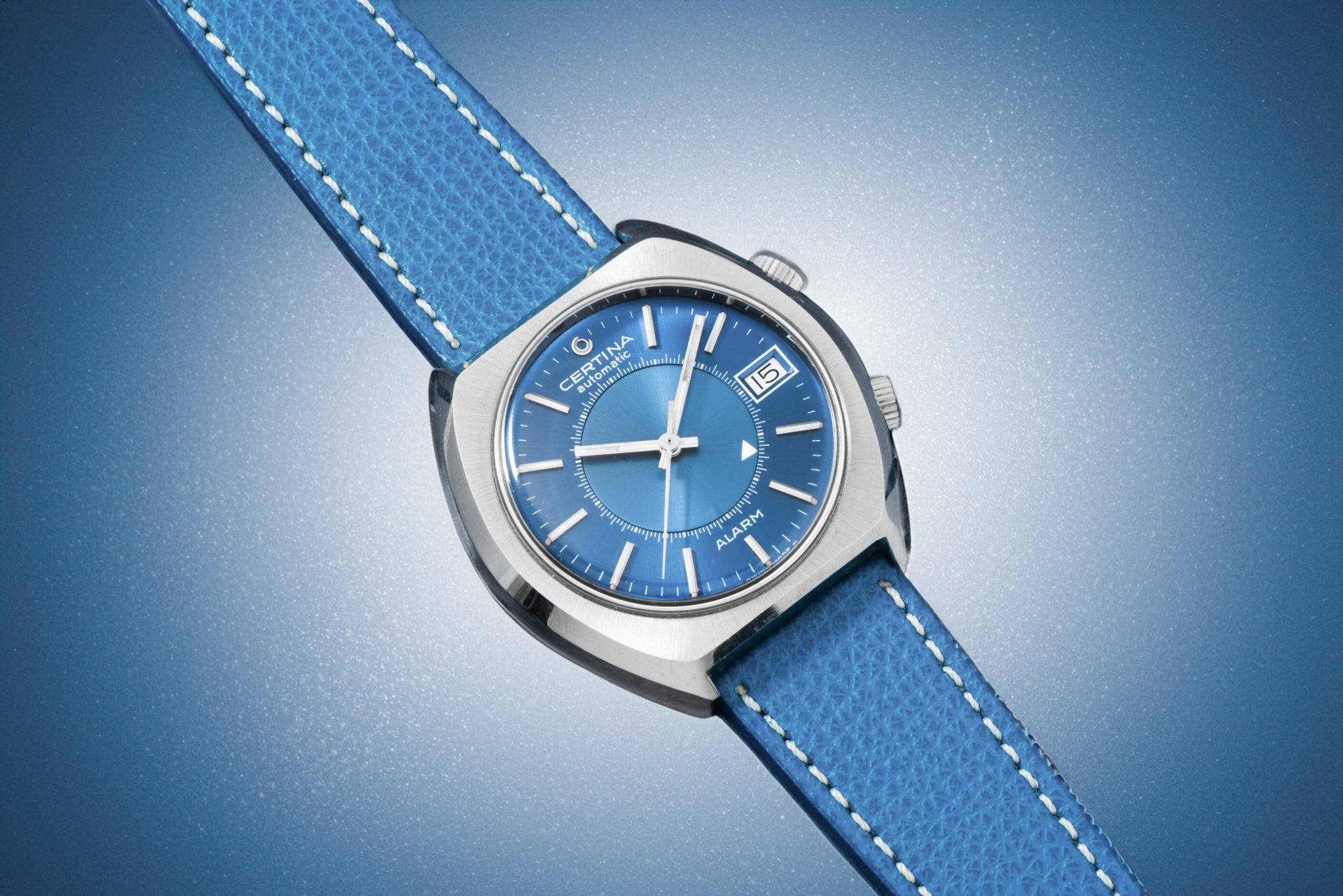
Certina Alarm (Source: Analog:Shift)
Here are a few examples:
Developed in the USSR, the Poljot Alarm was originally designed for pilots and cosmonauts. Its affordable price made it a popular choice among travelers crossing the vast distances of Russia.
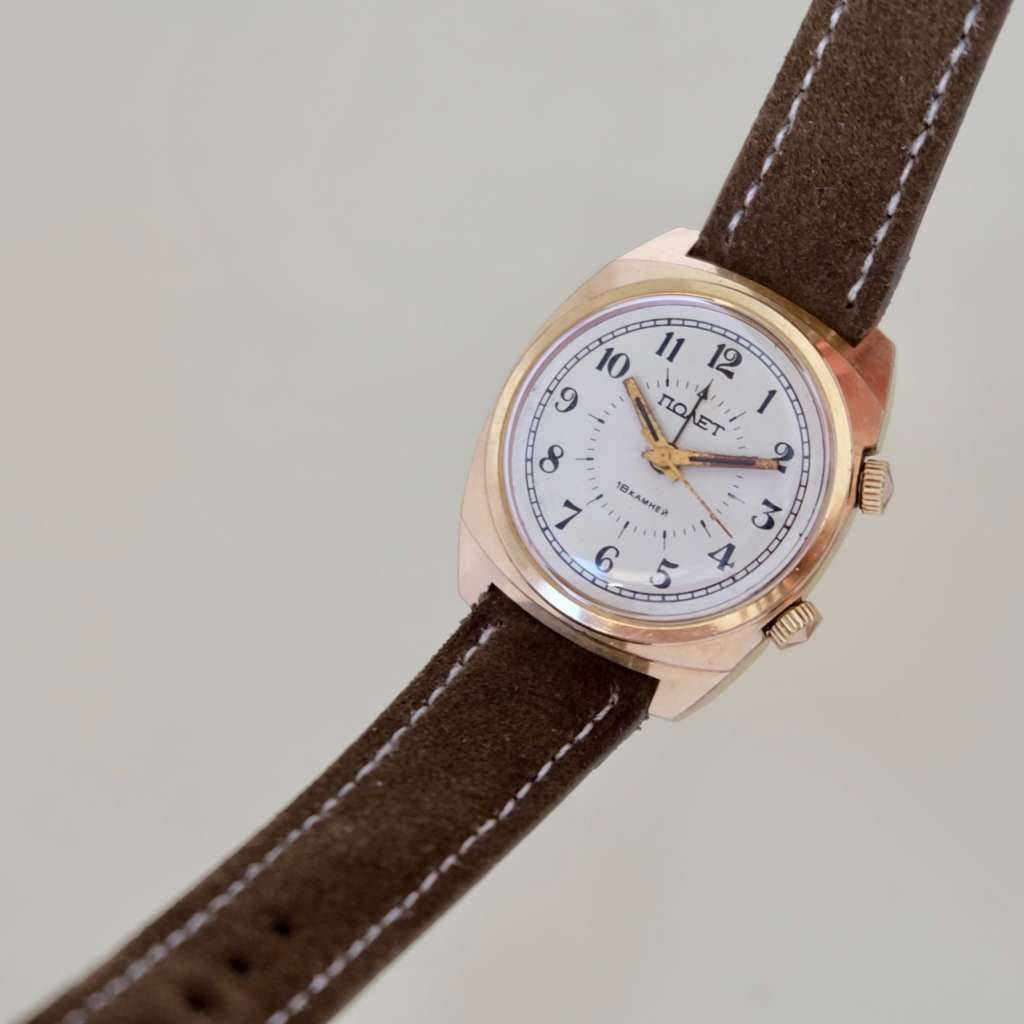
Poljot Alarm watch, 1960 (Source: Café Noir)
Also known as the "Poljot Signal," it gave wearers an alarm they could always keep on their wrist - one that rang for 10 seconds. The watch was produced in a wide range of styles and remained available at a very modest price well into the 1980s.
Some manufacturers also had the idea of reimagining the alarm watch concept to create truly unique pieces. This is how watches with a parking meter function came to be. Both Vulcain and Jaeger-LeCoultre released "parking" versions of their flagship alarm watches.
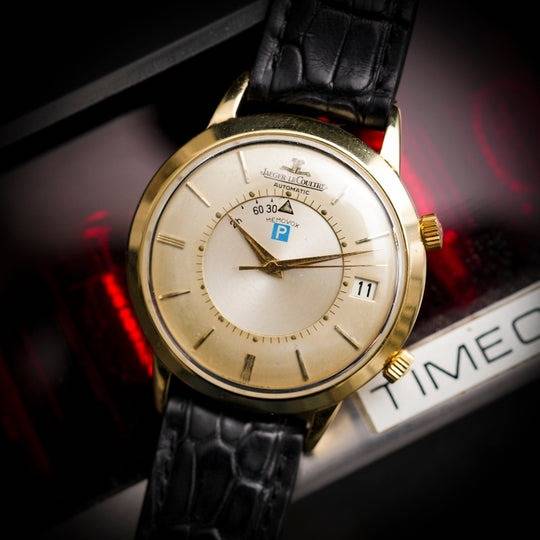
Jaeger-LeCoultre Memovox Parking (Source: Pascal Karp watches expertise)
Several brands entered this space, but the Lip Stop is undoubtedly the most iconic. A collector's favorite, this piece features a 60-minute graduated disc on the upper portion of its dial, letting you see at a glance exactly how much parking time you had left.
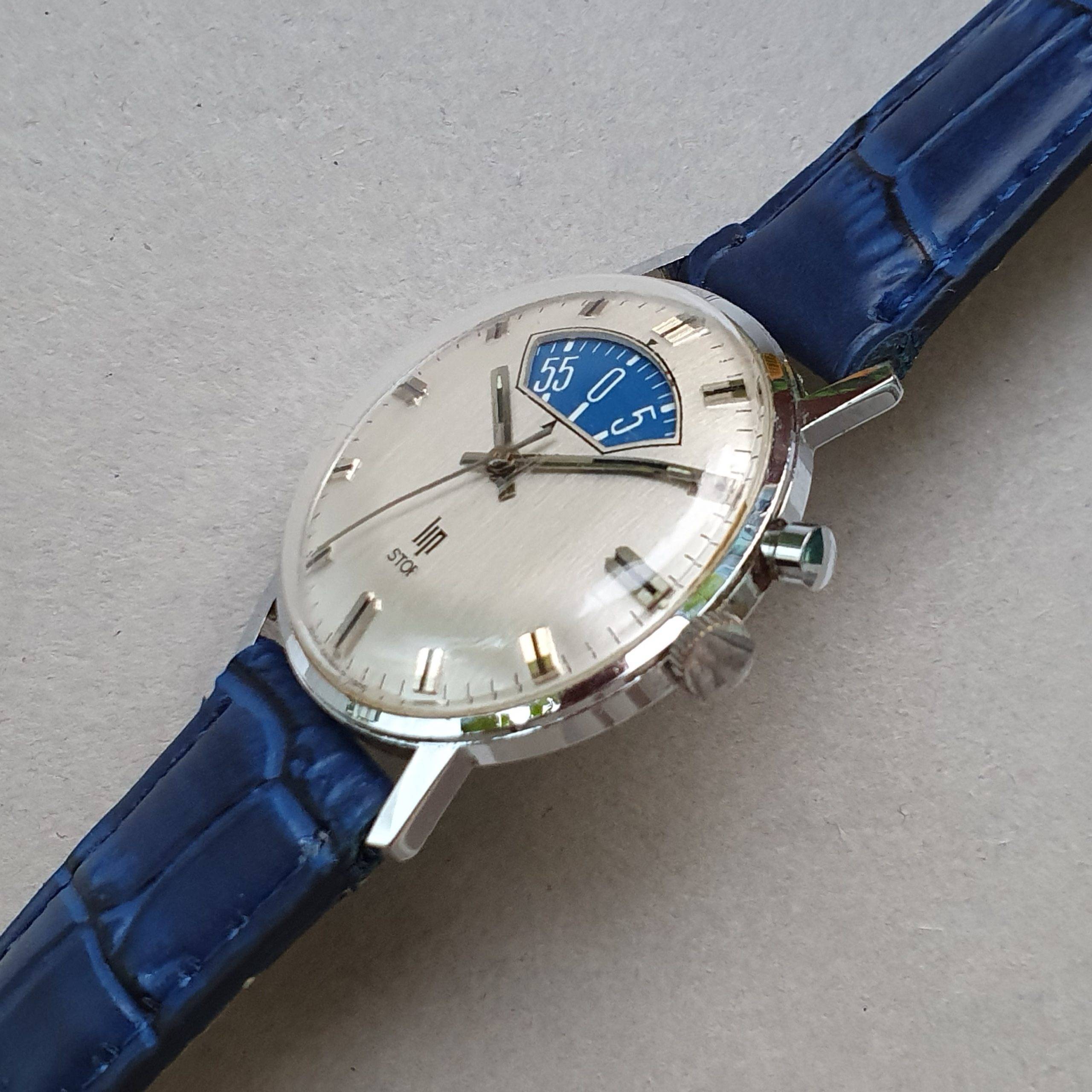
Lip Stop parking watch (Source: imeasuretime)
The case was available in several styles - gold-plated or chrome-plated metal. The Lip Stop's dial disc came in a wide range of colors, from blue and red to green and black, making it easy to find a model that suited your taste.
In an era before smartphones and smartwatches, these timepieces served a very specific purpose - and that's exactly what makes the alarm complication so undeniably charming!
Watches with an alarm complication typically feature two crowns: one to wind the watch and alarm and to set the time, and the other dedicated to setting the alarm. Some models, like the iconic Vulcain Cricket, use a different configuration with a single crown paired with a pushbutton.
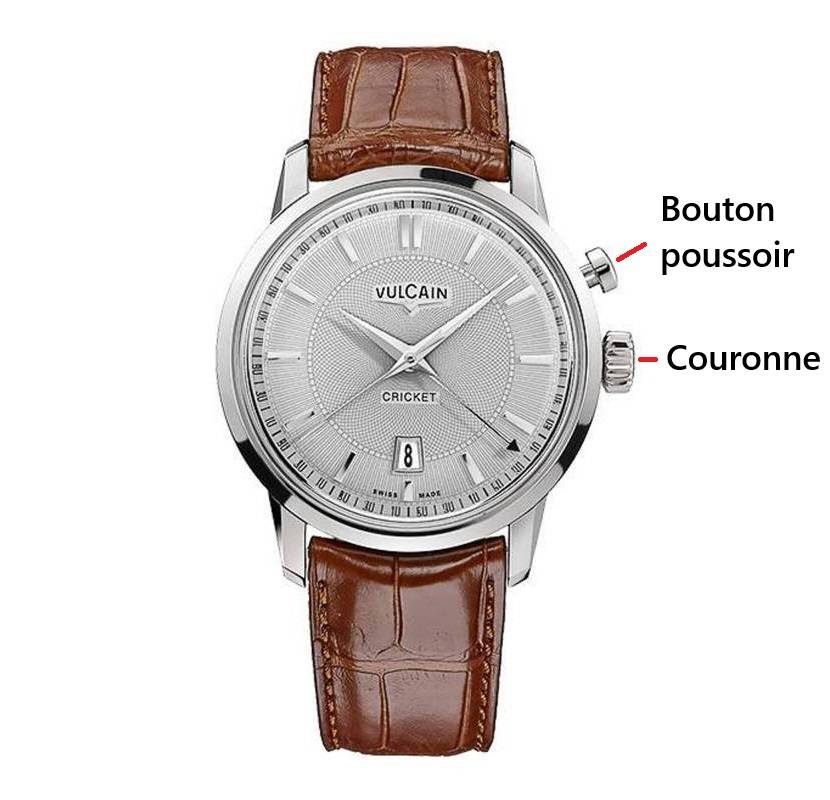
Vulcain Cricket controls: pushbutton + crown
Watches with an alarm function feature an indicator that can take the form of a traditional hand or a disc positioned at the center of the dial. Regardless of its style, this indicator lets you set the exact moment you want your watch's alarm to go off.
Alarm setting varies by model, but as a general rule:
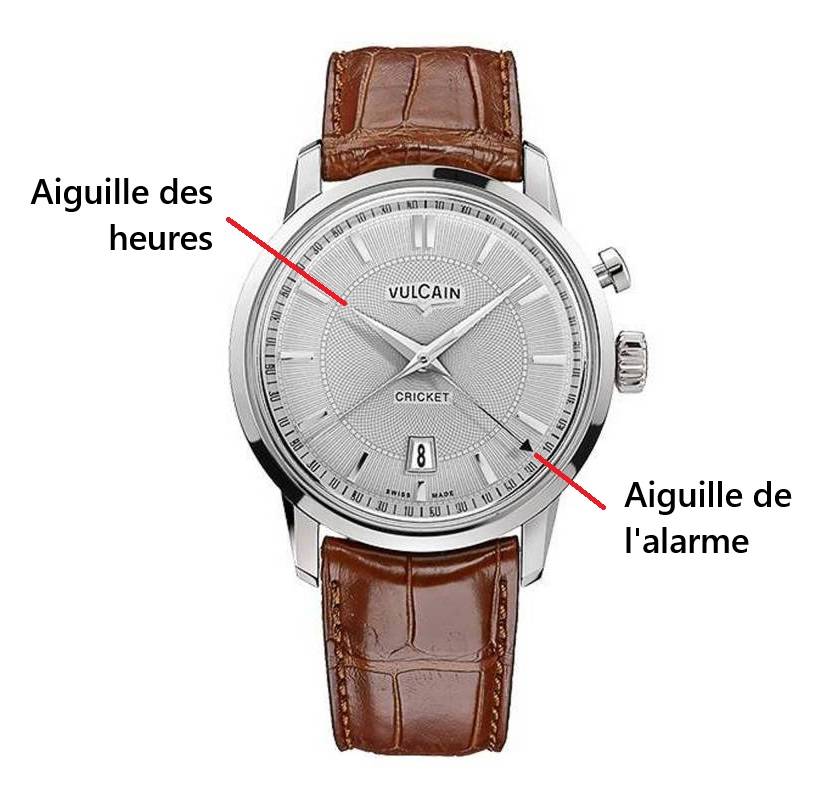
Hour and alarm hands on a Vulcain Cricket
Once the watch is set and the alarm fully wound, when the hour hand reaches the same position as the alarm indicator - whether a hand or a disc - a small metal hammer strikes the inner wall of the case. This miniature mechanism produces a distinctive sound that marks the triggering of the alarm.
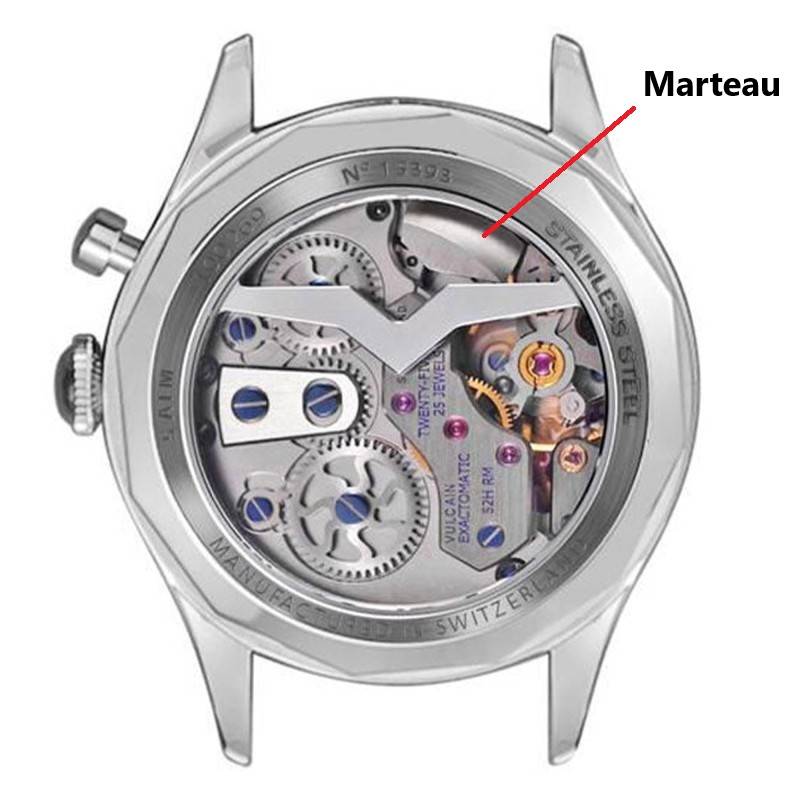
Hammer from the Vulcain Cricket V-10 calibre (modern watch)
It's this miniature mechanism that produces a distinctive sound. In short, that's the precise moment the alarm goes off!
To amplify the sound, some alarm watches feature a specially crafted case back designed to optimize resonance. Thanks to this design, the alarm signal remains perfectly audible whether the watch is resting on a nightstand or worn on the wrist.
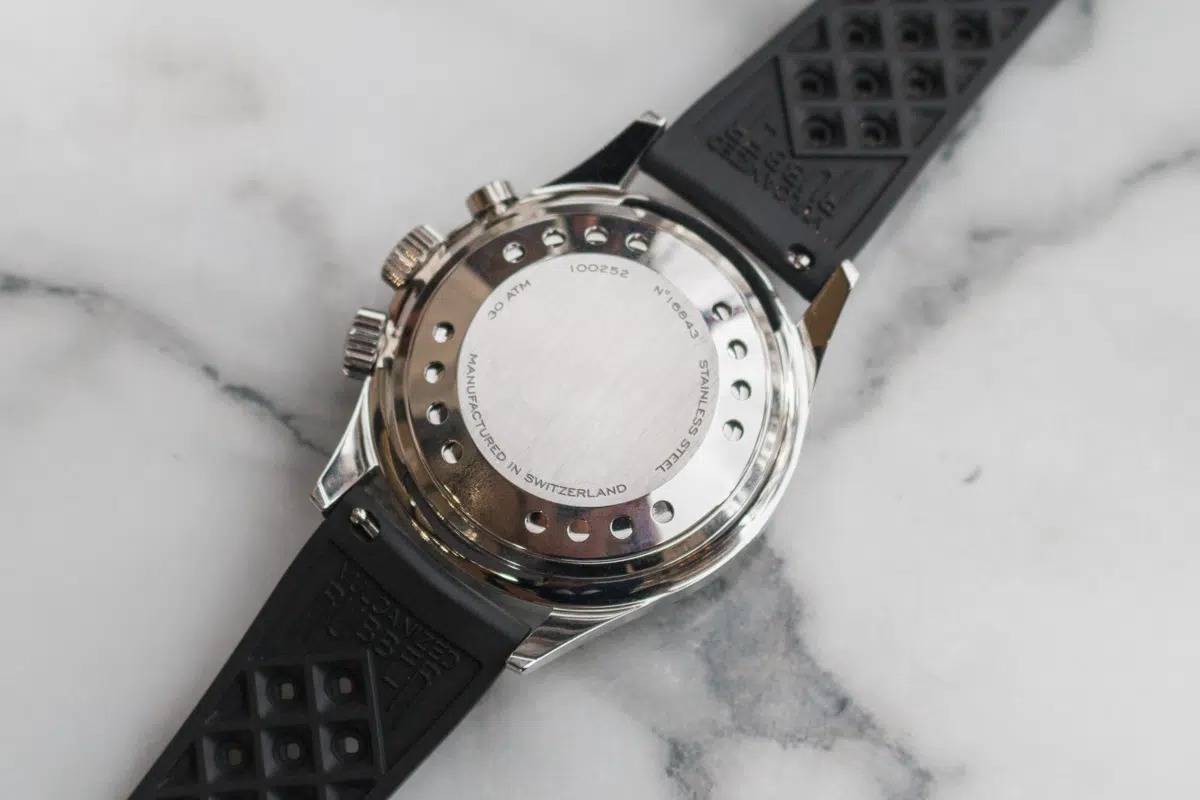
Perforated case back of the Vulcain Nautical Heritage (Source: Mr Montre)
Now you know everything about the alarm complication - from its history to how it works. If you're passionate about watches, we've put together a whole series of dedicated guides on horological complications. Why not pick another one and keep reading?
Share :
Official European Union notice on your rights in the event of a product's lack of conformity.


