
0
Product added
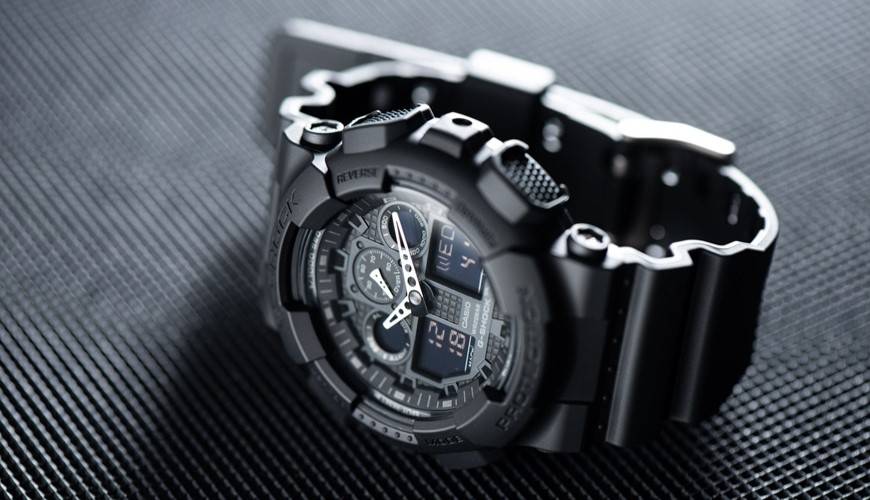
Boldly hybrid and refreshingly unique, ana-digi display watches captivate with their singular take on watchmaking. Sitting at the crossroads of analog and digital, they stand out with an aesthetic that blends traditional hands with a digital screen - opening the door to a world that's as technically fascinating as it is visually compelling.
Discover everything ana-digi watches have to offer - dive in now.
The ana-digi display - sometimes written "ana digi" or "anadigi" - is a blend of the words analog and digital. It refers to a hybrid display mode that combines traditional hands with one or more LCD screens (for "Liquid Crystal Display"), each serving a distinct purpose.
The screens found on ana-digi watches are almost always monochrome and typically take the form of a geometric cutout - usually rectangular - in shades of gray, beige, or a slight greenish tint. They display various pieces of information as numbers or letters, a point we'll come back to in just a moment…
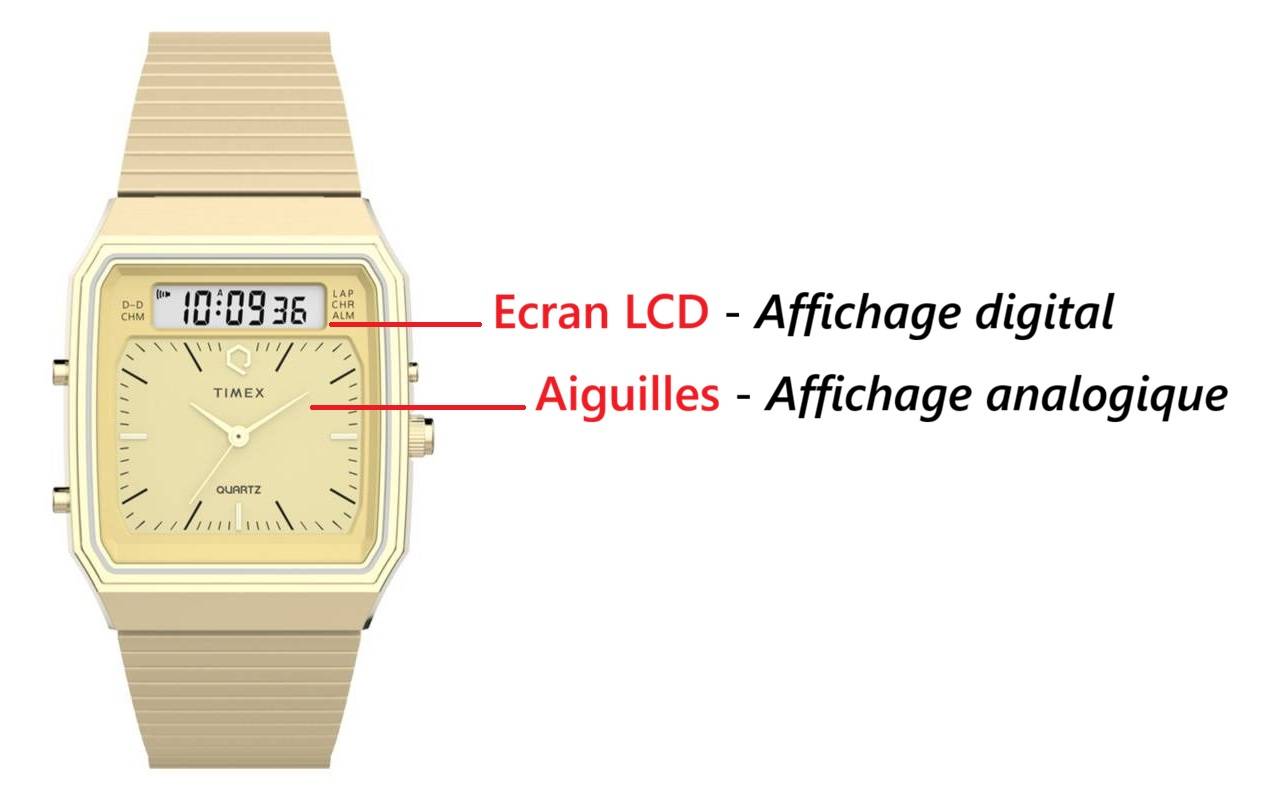
Breakdown of an ana-digi watch with screen and hands
In the watch market, ana-digi timepieces remain less common than purely analog or fully digital models. They nonetheless appeal to a specific audience - one that typically seeks a versatile watch perfectly suited to everyday wear.
With their one-of-a-kind presentation, ana-digi watches give brands a true canvas for creativity, inspiring ever more ingenious designs. In short, these timepieces are packed with strengths - and that's exactly what we're about to dive into!
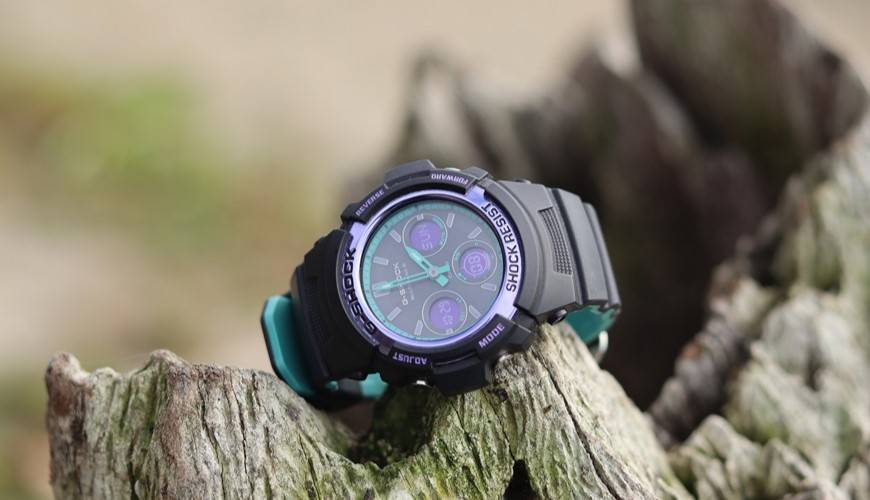
Thanks to their hybrid nature, ana-digi watches combine the strengths of both analog and digital models. Their key advantages include:
To find the very first ana-digi watch in history, you have to go back to the late 1970s. It was 1978 when Japanese watchmaker Citizen unveiled a truly remarkable piece featuring a hybrid display combining analog hands with a digital readout. The world's first ana-digi watch had arrived!
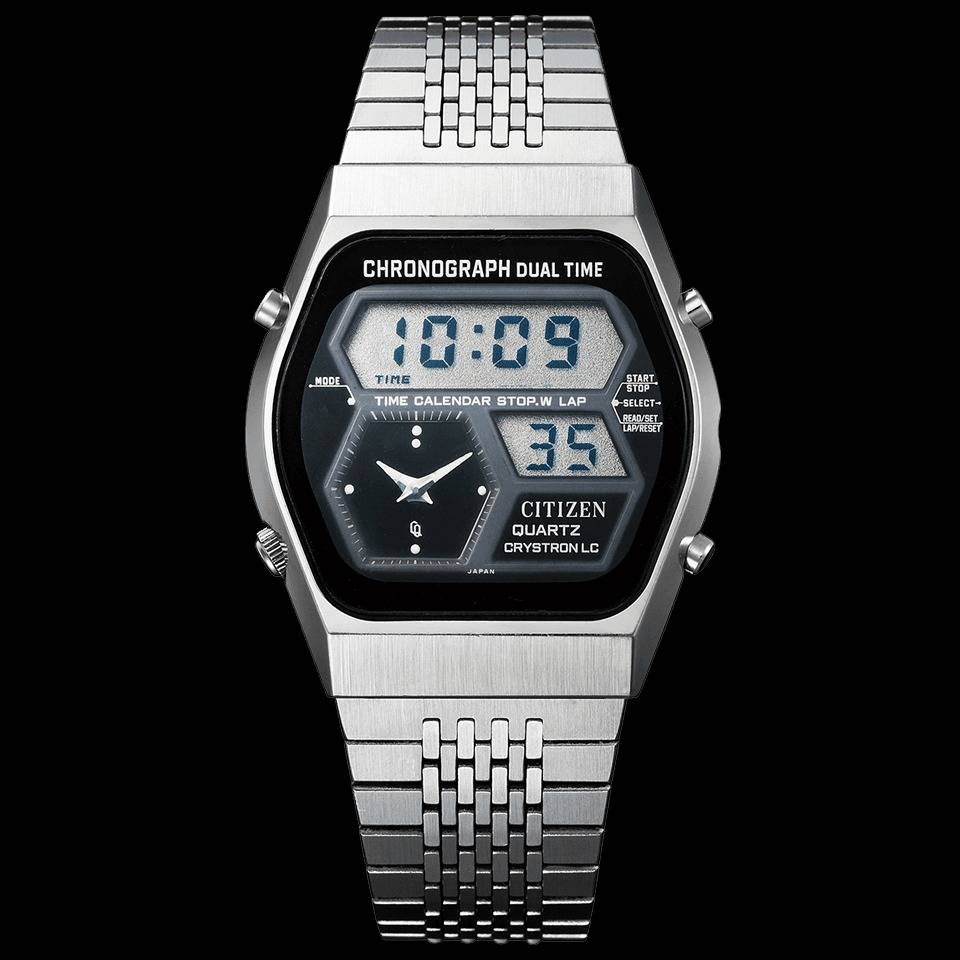
First Citizen Ana-Digi Watch, 1978 (Source: CITIZEN WATCH Global Network)
When Citizen brought this model to market - powered by the caliber 8900 - the brand did so with a clear purpose. It chose to position the watch as a resolutely futuristic timepiece, built to adapt to every situation in daily life. This vision comes through clearly in a 1978 advertisement produced by the manufacture itself for the Asian market.
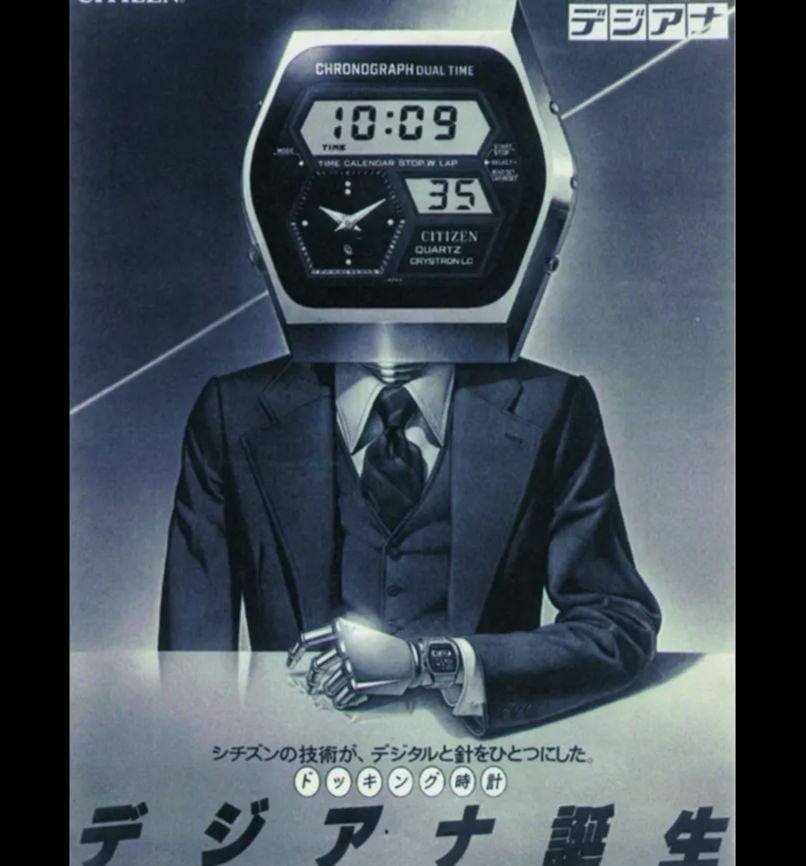
Citizen advertisement for Ana-Digi watch, 1978 (Source: Fratello Watches)
This forward-looking positioning was particularly effective, as it spotlighted the watch's many advanced features. Dual time reading, chronograph, perpetual calendar… This Japanese creation from Citizen already stood out as a genuine multifunction watch.
In the years that followed, other Japanese players entered the ana-digi watch market. Seiko and Casio quickly emerged as serious competitors, even as Citizen maintained a dominant position in the segment. Throughout the 1980s, the brand also sought to break into the French market, developing hard-hitting advertising campaigns that highlighted the intrinsic qualities of its models in just a few words.
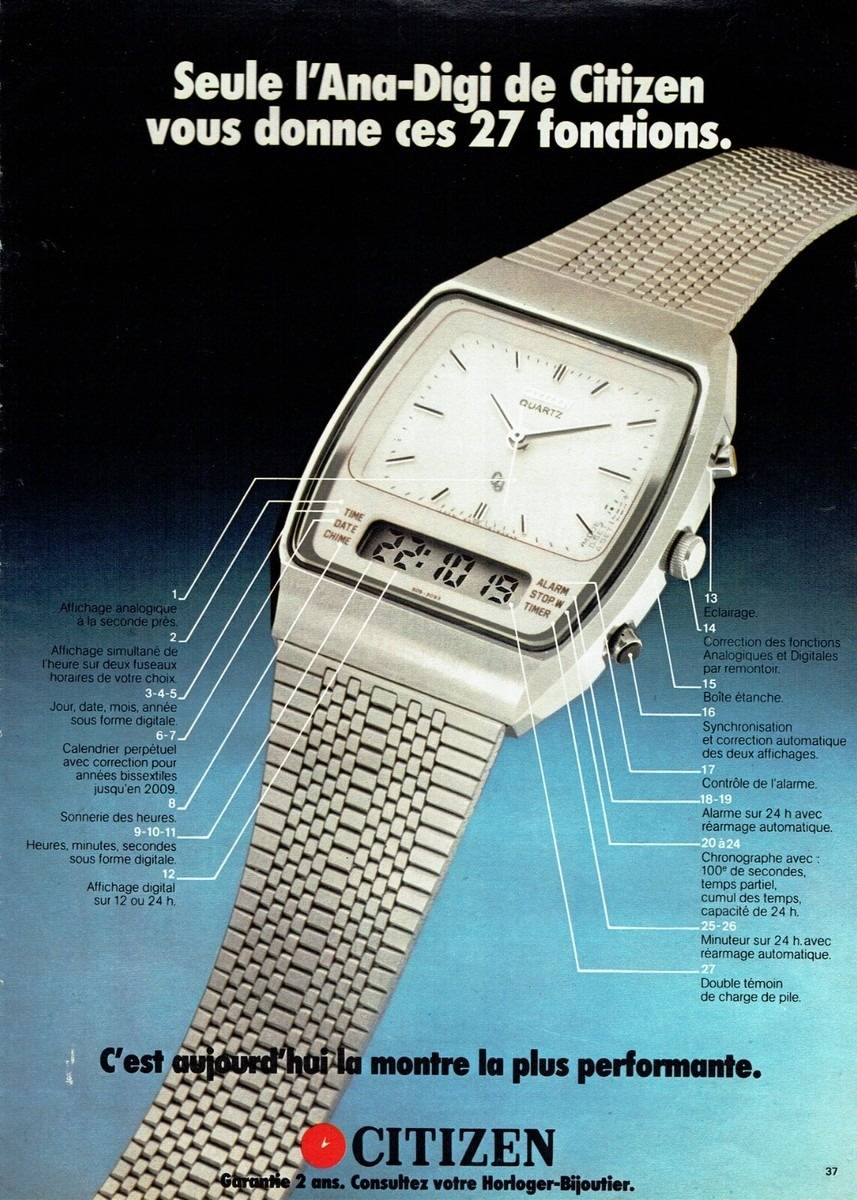
Citizen advertisement for Ana-Digi watch, circa 1980 (Source: EBay - @Les Trésors de Papou)
At the time, Citizen had no hesitation in marketing one of its watches - boasting 27 different functions - as "the most capable watch in the world".
In 1985, Swiss brand Breitling brought its own interpretation of the ana-digi watch to life with the launch of the iconic Aerospace. Visually, this luxury timepiece stood out with a compelling design - one that retained Breitling's signature analog aesthetic while integrating two LCD screens and two hands.
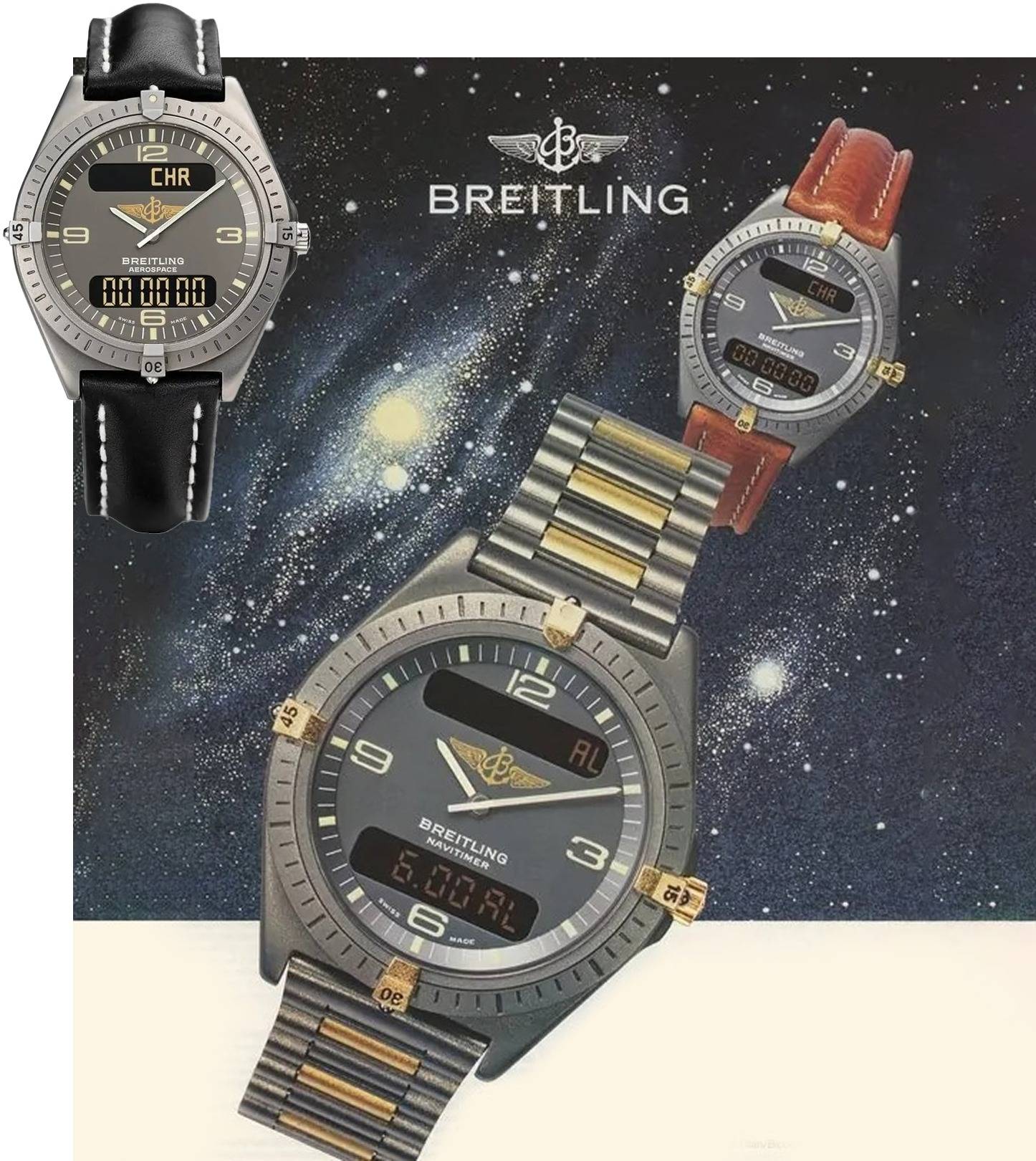
Breitling Aerospace advertisement, 1985 (Source: Breitling)
But what made the Breitling Aerospace even more impressive was how it worked. Unlike other ana-digi watches of the era, navigating between functions didn't require a row of pushers. Everything was controlled exclusively via the crown at 3 o'clock. From the second time zone display (GMT complication) to 1/100th-of-a-second timing and countdown, all could be accessed by simply turning that single crown. Clever, isn't it?
The Breitling Aerospace could be powered by a Breitling B56 or B65 movement. For the technically curious, this was in fact an ETA 988.332 caliber.
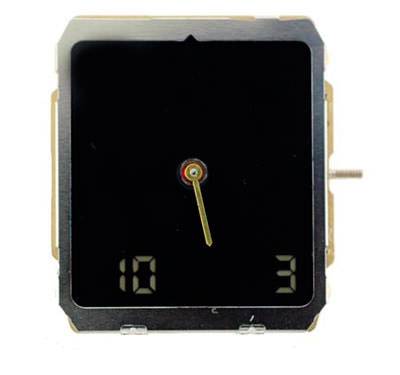
ETA 988.332 movement (Source: Star Time Supply)
Despite its understated style - which could easily pass for a classic watch at first glance - the Breitling Aerospace is today considered one of the most iconic ana-digi watches in watchmaking history!
Breitling was far from the only Swiss brand to stake a claim in the ana-digi watch market. If you've ever taken the time to study vintage models - particularly chronographs from the late 20th century - you may have noticed a striking similarity between their dials. And for good reason: many of them shared the exact same movement, the ETA 251.265.
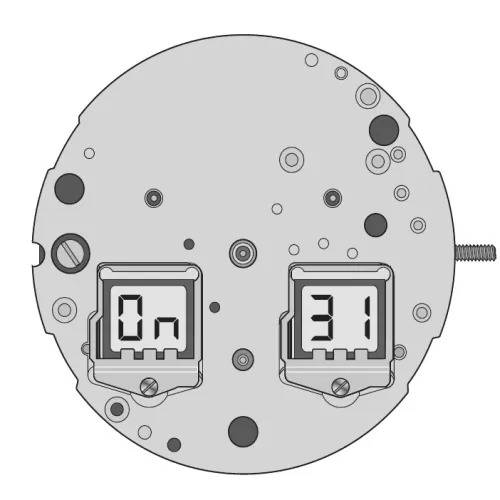
Sketch of the ETA 251.265 movement (Source: WatchBase)
These models can come from a variety of manufacturers, including Longines, TAG Heuer, Certina, Swiss Military, and Tissot. Certain Italian brands, such as Sector and Lorenz, have also produced high-quality ana-digi pieces!
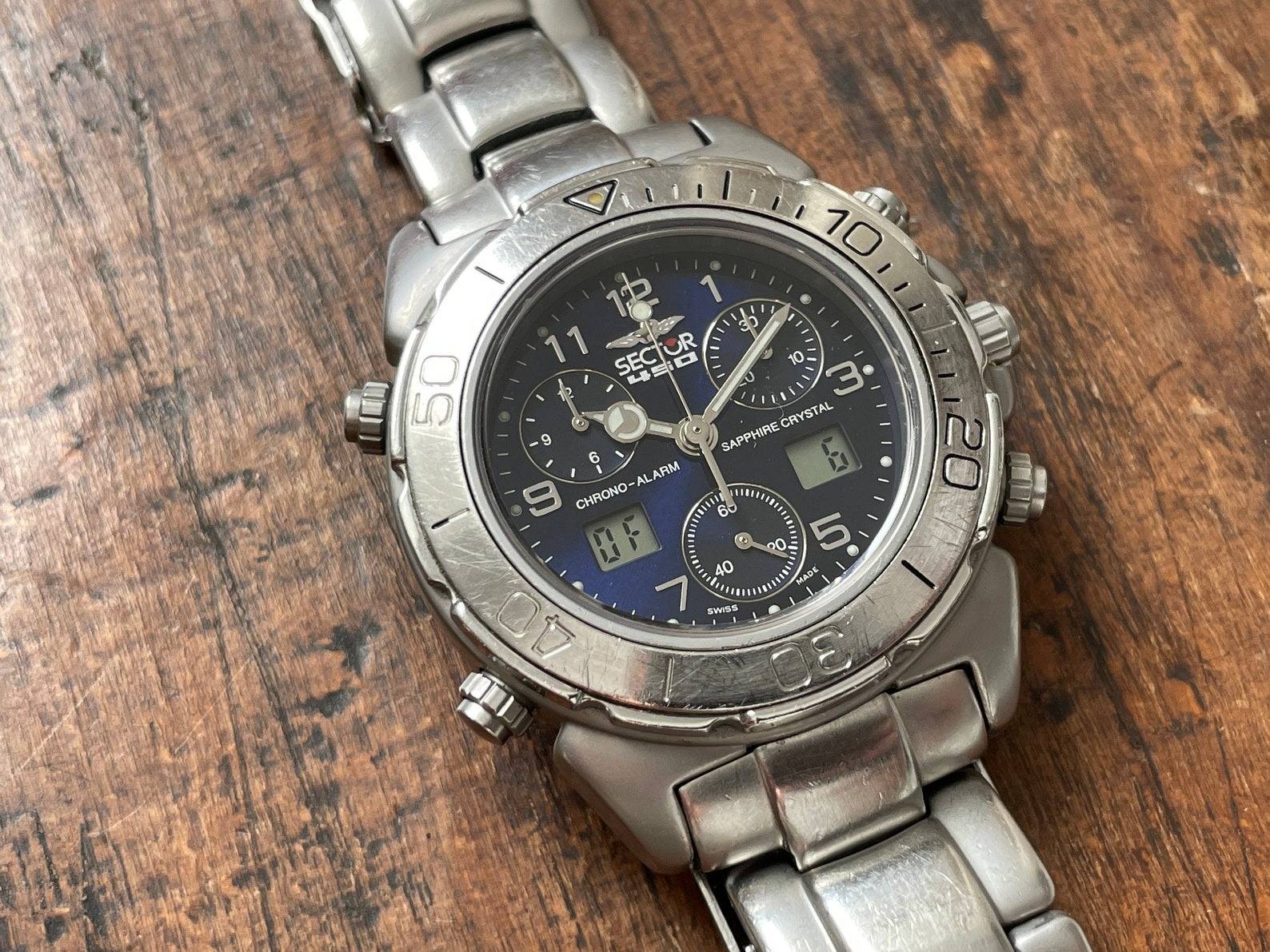
Sector 450 ana-digi chronograph watch with ETA 251.265 movement (Source: Etsy - @Vintagestyle70)
Regardless of the brand they come from, these watches share a very distinctive dial layout. Hours, minutes, and seconds - as well as the chronograph complication - are displayed analog-style via hands. Other functions, however, are accessed through two small square LCD screens, typically positioned at 4 o'clock and 8 o'clock on the dial.
Want a fun fact? Formula 1 driver Ayrton Senna was known to wear a TAG Heuer S/El ana-digi chronograph!

Ayrton Senna wearing a TAG Heuer S/El ana-digi chronograph (Source: TAG Heuer)
As for Tissot, while the brand has released several ana-digi watches over the years, it was in 1999 that it unveiled a truly iconic and innovative piece: the T-Touch. As the name suggests, it was a touch-sensitive watch operated directly by finger. Yes, really! Switching between functions was as simple as placing your finger on different zones of the crystal.

Advertisement for the Tissot T-Touch watch, 1999 (Source: Facebook - @Tissot)
Beyond its boldly innovative approach, the Tissot T-Touch introduced a wide range of new features. Options such as weather forecast, compass, and thermometer opened the door to a new vision of watchmaking - one that, in many ways, foreshadowed the connected watches we know today.
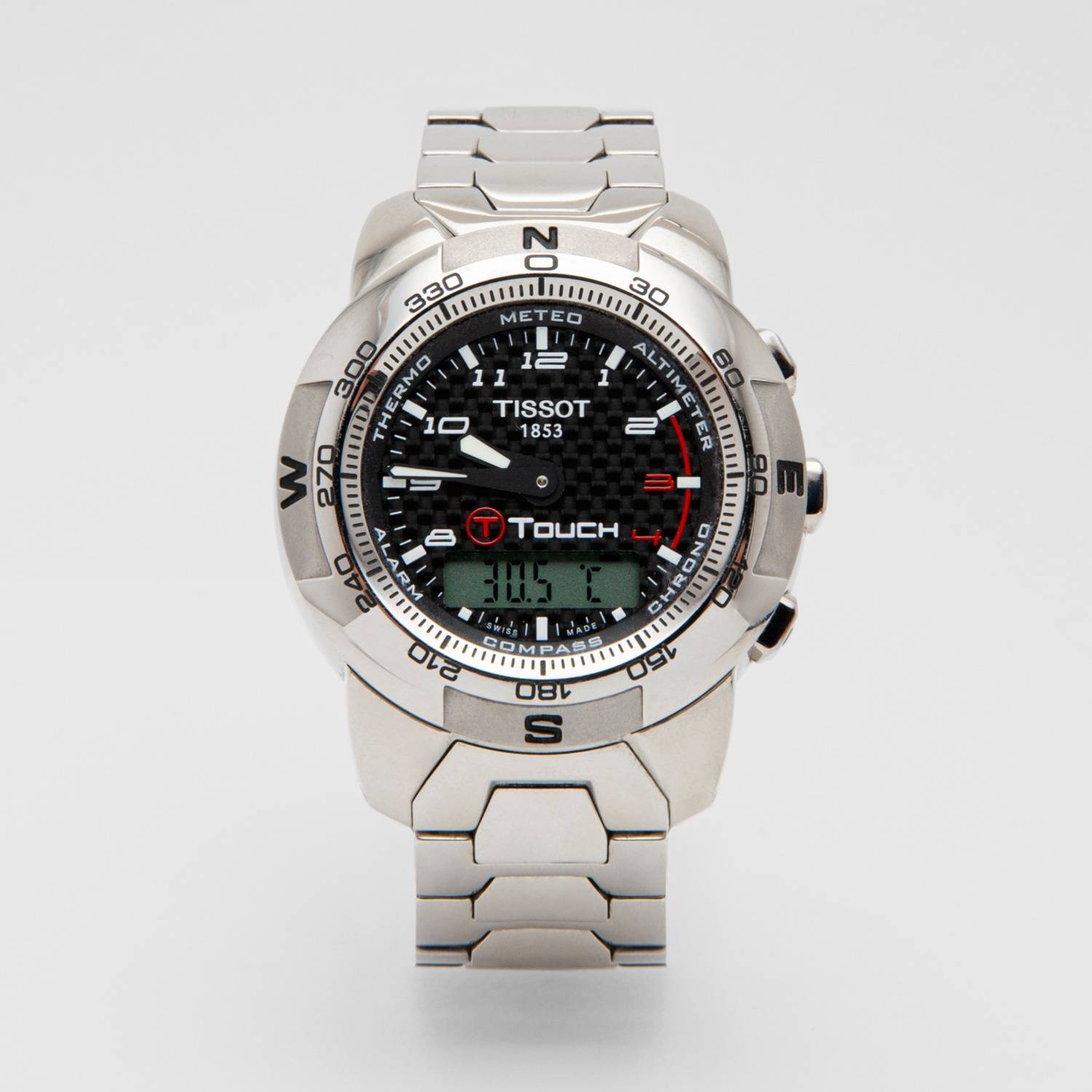
Tissot T-Touch watch, circa 1999 (Source: Joieria Vintage)
Want a fun fact about the Tissot T-Touch? It's the watch famously worn by French TV host Jamy Gourmaud, longtime presenter of the show C'est pas sorcier. A timepiece that's both technologically advanced and feature-packed - a perfect match for his curious, encyclopedic mind!

Jamy Gourmaud wearing a Tissot T-Touch (Source: Purepeople)
Today, ana-digi watches come in a wide range of designs. While it's easy to find models with a distinctly contemporary look, there are also pieces with a more retro feel. Some are even reissues of iconic references that left their mark on the history of this display style!
The vast majority of ana-digi watches are wristwatches. A handful of clocks do use this type of hybrid display, but they remain relatively rare and niche.
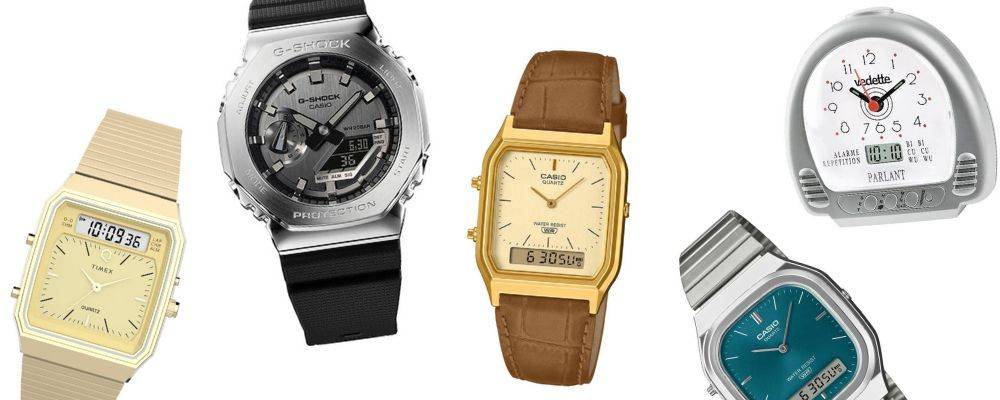
Several ana-digi display watches and an alarm clock
Pocket watches, on the other hand, tell a completely different story - there is simply no known model featuring an ana-digi display. This format is historically and technically tied to the wristwatch, designed for modern, multifunctional use.
If you're looking to buy an ana-digi watch, you'll find a wealth of options from brands such as Casio, Citizen, Timex, Calypso, and Breitling. Vintage enthusiasts can also explore older references from watchmakers like Pulsar, Lorus, Longines, and TAG Heuer.
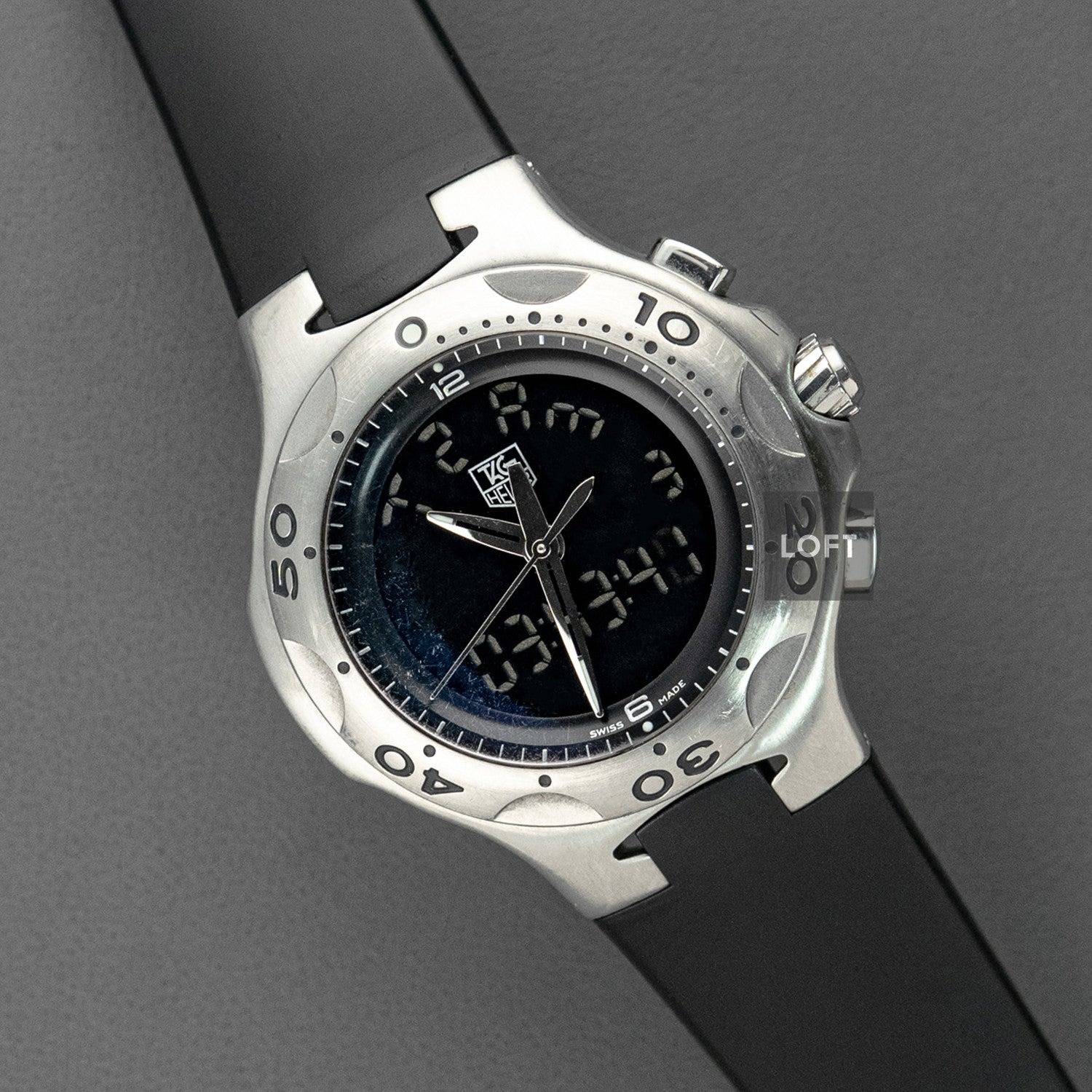
TAG Heuer Kirium ref. CL111A with ana-digi display, circa 2000 (Source: LOFT Watches)
By their very nature, ana-digi watches offer access to a wide variety of functions. This versatility has driven the development of some truly distinctive models - including sports-oriented watches, some of which were even designed to clip directly onto a belt loop.
Now that you have a solid grasp of the ana-digi watches - past and present - that use this distinctive display, it's time to uncover the secrets behind how they work!
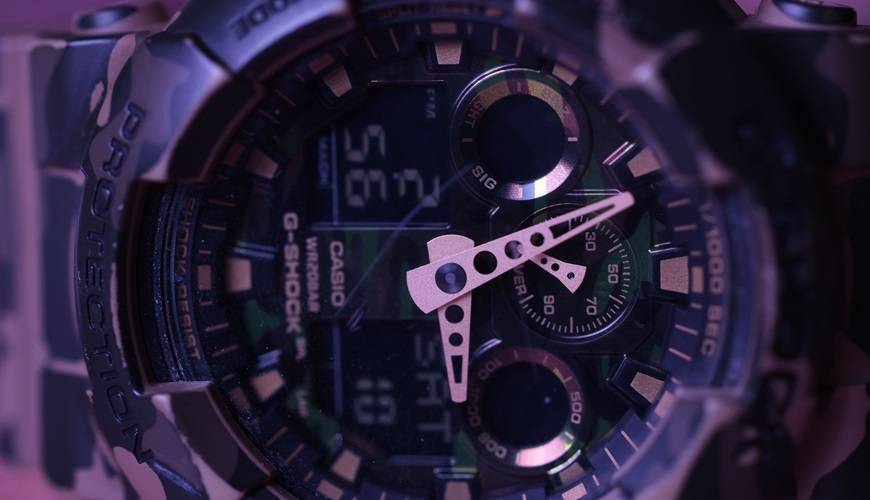
As we've seen, an ana-digi watch combines two fundamentally different methods of displaying time: analog display via hands and digital display via screen(s). This coexistence isn't merely a design choice - it relies on a specific technical architecture engineered to make mechanical and electronic components work together within a single movement.
At the heart of every ana-digi watch is a quartz movement. An electrically excited quartz crystal vibrates at an exceptionally stable frequency, serving as the single time reference for the entire watch. This vibration is then divided electronically down to one pulse per second - the shared rhythm that drives both the hands and the digital display.
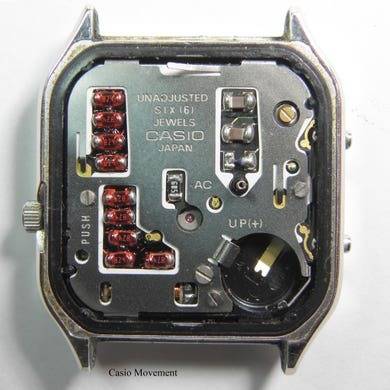
Casio module 320 from an ana-digi watch (Source: The Watch Site - @ausimax)
The analog display is driven by a stepper motor, a component typical of quartz watches. With each pulse from the quartz crystal, an electromagnetic coil advances a magnetized rotor by a precise angle. This motion is transmitted through a miniature gear train that drives the hour and minute hands - and sometimes the seconds hand as well. The mechanism closely resembles that of a standard quartz watch, except that it must coexist with more complex electronic circuits and a digital display within a very confined space.
The digital display, for its part, most commonly relies on a liquid crystal display. It consists of segments that become visible when an electric current passes through them. A microcontroller - the true computing core of the movement - keeps track of time, manages the calendar, and controls the various additional functions. Alarm complication, chronograph, second time zone, and date indication are all shown in numerical form, with no moving mechanical parts, enabling high precision and remarkable versatility.
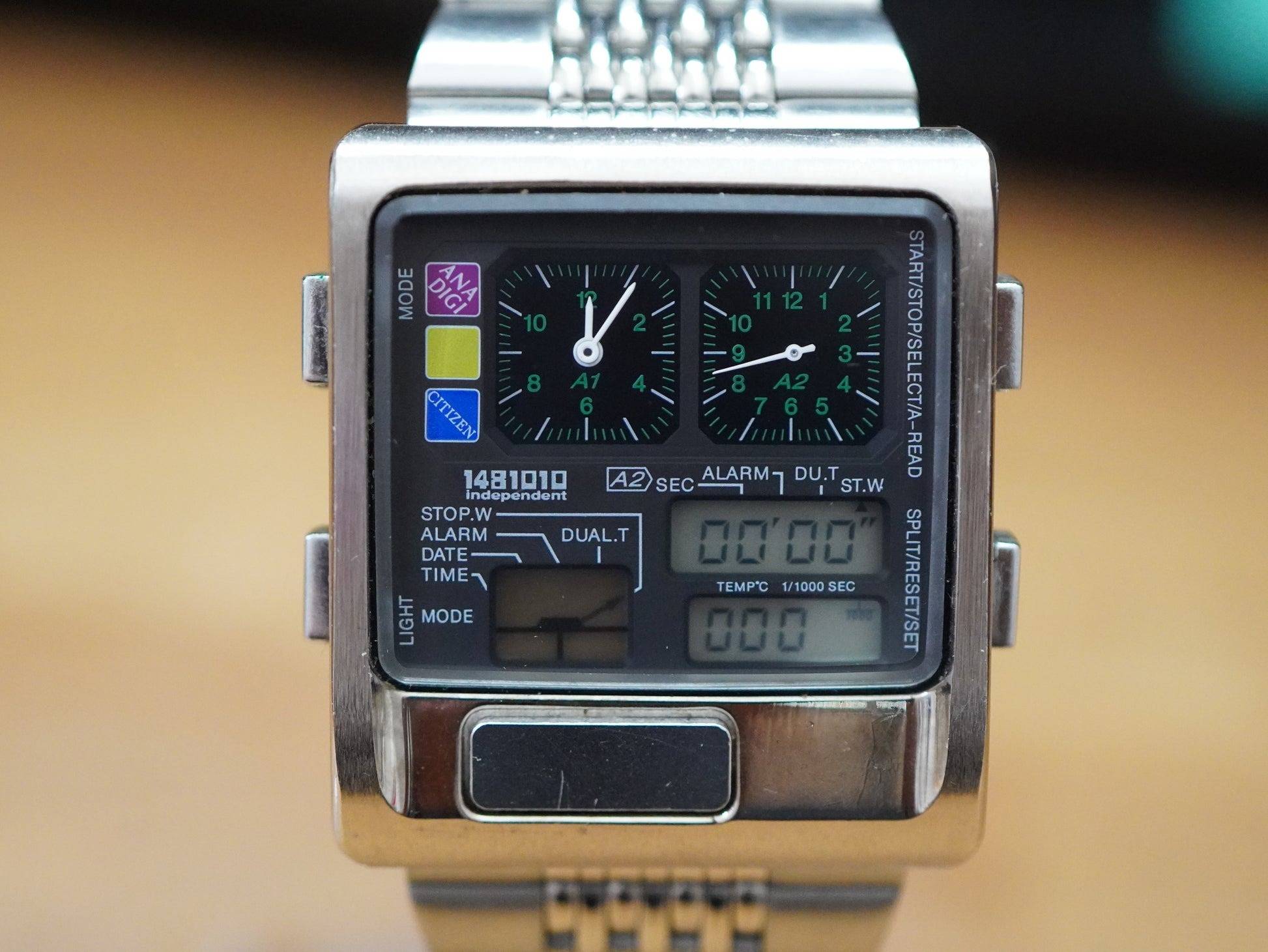
Watch 1481010 Independent by Citizen with ana-digi display (Source: The Japanese Factory)
The key to any ana-digi watch lies in the synchronization between its two displays. In most architectures, the electronic module acts as the central brain. It sends the necessary pulses to the hands' motor while simultaneously calculating and displaying digital information. This ensures that the time shown by the hands and the time shown on the screen remain consistent. On certain models, the system can even automatically correct the position of the hands if they fall out of sync - after a shock, a battery change, or an accidental manipulation, for example.
This dual architecture does, however, come with specific constraints. Power management is one of the key challenges: the hands run continuously, while the digital display, backlight, and alarms place intermittent higher demands on the battery.
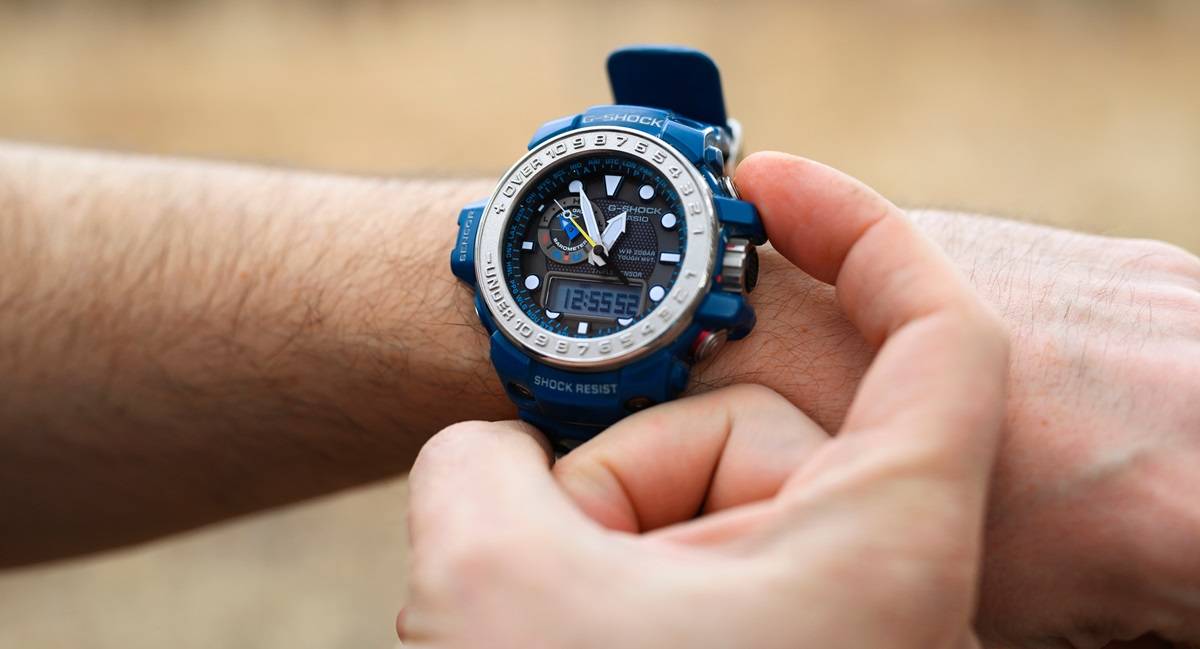
Legibility of an ana-digi display watch
Legibility is also a critical factor! The hands must not obscure the digital display, which is why some watches incorporate solutions to temporarily move the hands or automatically position them outside the digital zone. Finally, miniaturization remains an ongoing challenge, as the motor, gear train, electronic circuits, and screen(s) must all fit inside an often compact case.
Ultimately, the ana-digi display has stood the test of time because it harnesses the best of two worlds: analog watches and digital watches. The hands deliver an intuitive, at-a-glance reading of the time, while the digital display adds precision, extra information, and advanced features. Ana-digi isn't just a compromise - it's a genuine technical synthesis of traditional watchmaking and modern electronics!
Share :
Official European Union notice on your rights in the event of a product's lack of conformity.