
0
Product added
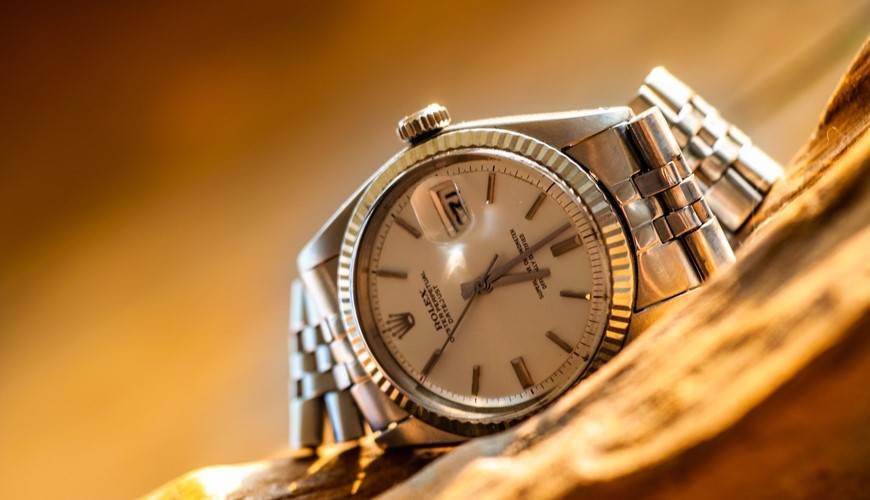
In watchmaking, analog display is the most common display format. Despite being everywhere - on our wristwatches, on our wall clocks, and even on Big Ben - few people truly understand it… Beyond simply allowing us to read the time efficiently, this display format has a rich history and meaningful advantages that we'll explore throughout this guide!
The word "analog" comes from "analogy," defined by Larousse as a "relationship between things or people that share common characteristics." An analog display watch uses this principle of analogy to represent the passage of time through a dial and hands.
Analog display watches use one or more hands to represent time. The most familiar is the hour hand, followed by the minute hand, and sometimes the seconds hand (also known as the "sweep hand").
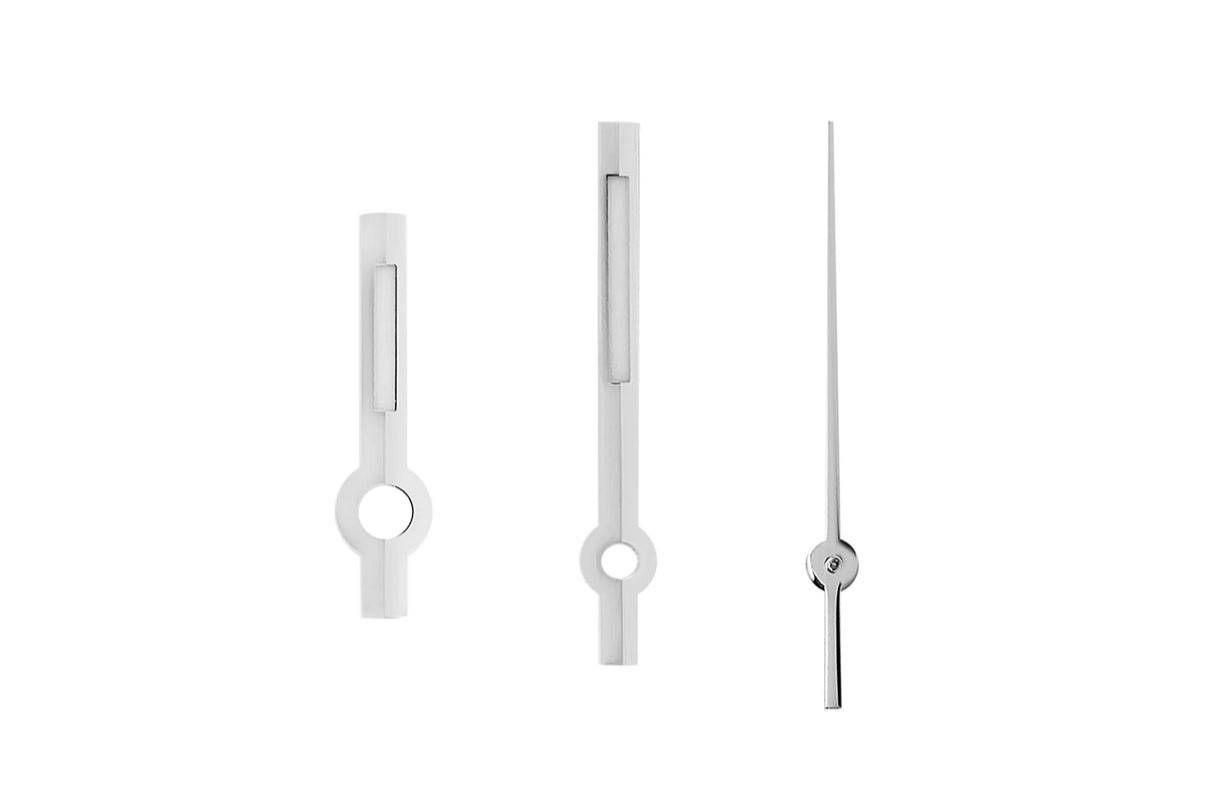
Hour, minute, and second hands of an analog watch (Source: Chronos classics)
Depending on the type of watch, the movement of the seconds hand can vary. On a quartz watch, it advances in discrete steps, ticking once per second, while on a mechanical watch - whether manually wound or automatic - it can beat up to 10 times per second. This rapid succession of micro-movements can create the illusion that the seconds hand glides smoothly across the dial, when in reality it is making multiple tiny jumps.
Analog display comes in several variations:
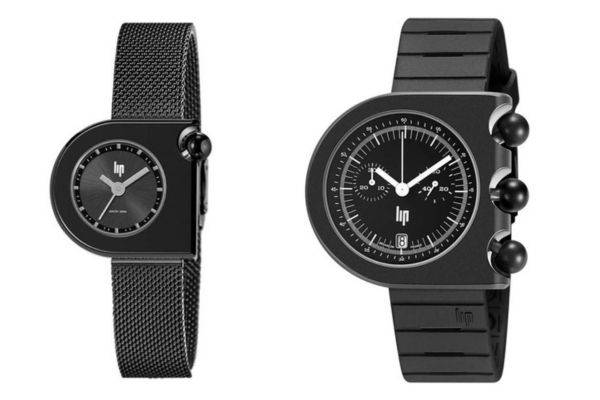
Lip Mach 2000 Analog Watches, three-hand version and chronograph version
Watch hands aren't just decorative - they're also highly practical, as their appearance can highlight certain watch complications. If you've ever taken a close look at chronographs, particularly vintage models from the 1970s, you may have noticed that many of them feature one or more stylized hands, often in fluorescent orange.
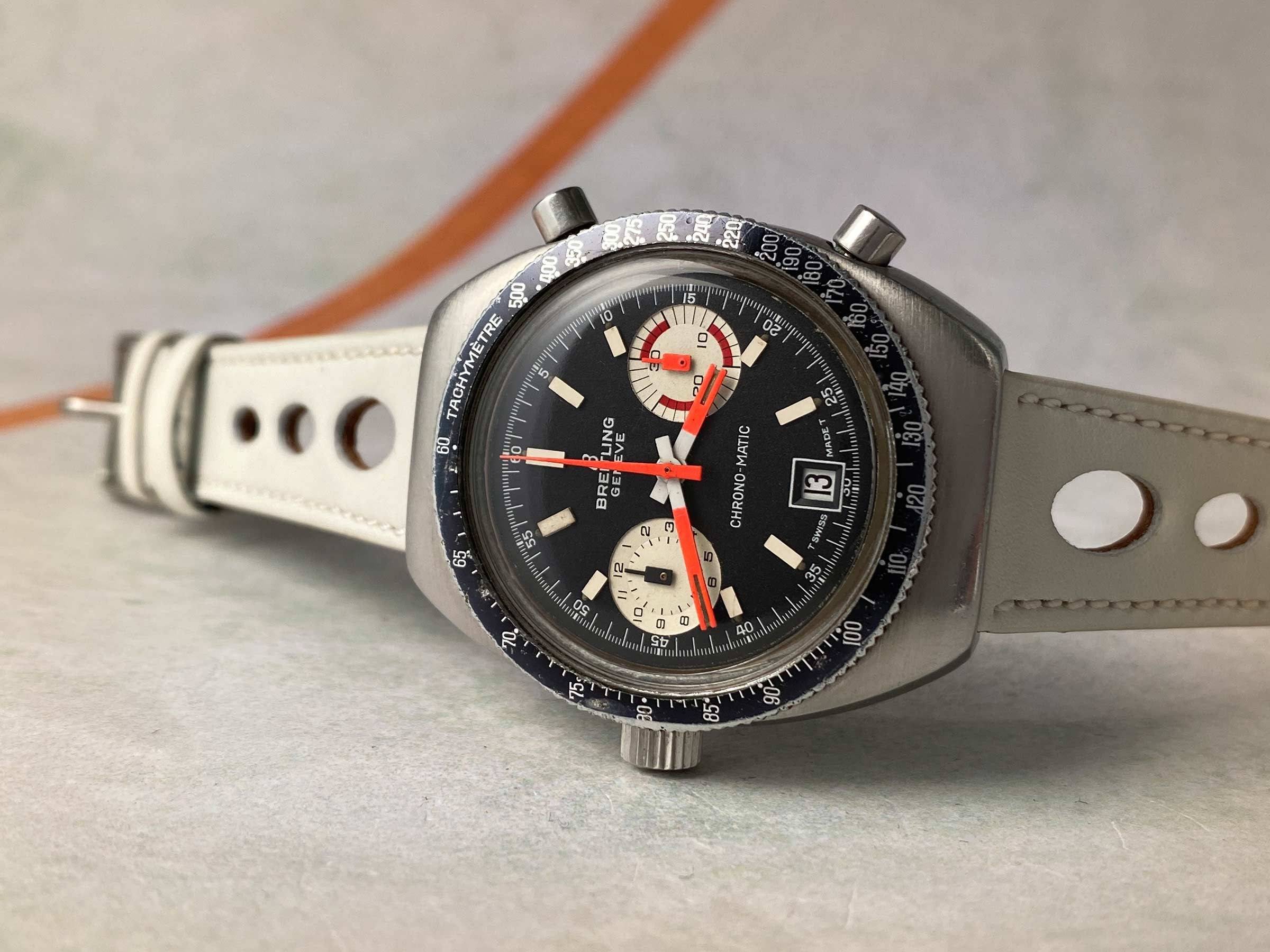
Breitling Chrono-Matic ref. 2114, circa 1970 (Source: Watches83)
Beyond its aesthetic appeal, this configuration serves a real purpose: it once gave race car drivers exceptional readability when using their watch's chronograph complication as a professional timekeeping tool!
Analog display doesn't have just one face… Depending on the hands used, it can give a watch a classic, sporty, or even futuristic look. Hand style often defines the register a watch occupies, and there is a myriad of different shapes, each with its own identity. You may be surprised by how striking some designs can be. Our guide to watch hands will give you a fascinating overview.
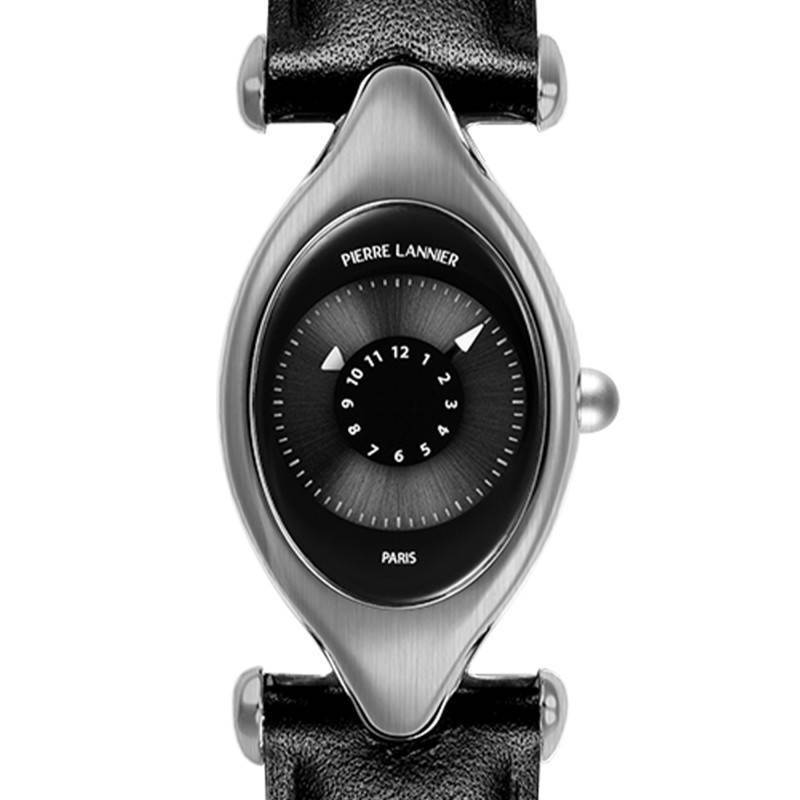
Pierre Lannier OVNI Watch with mystery hands
Another major advantage of analog display lies in its ability to give watches personality and shape our perception of passing time. A prime example is the 24-hour display watch, whose hour hand completes one full revolution of the dial in a single day, offering a unique way to read the time.
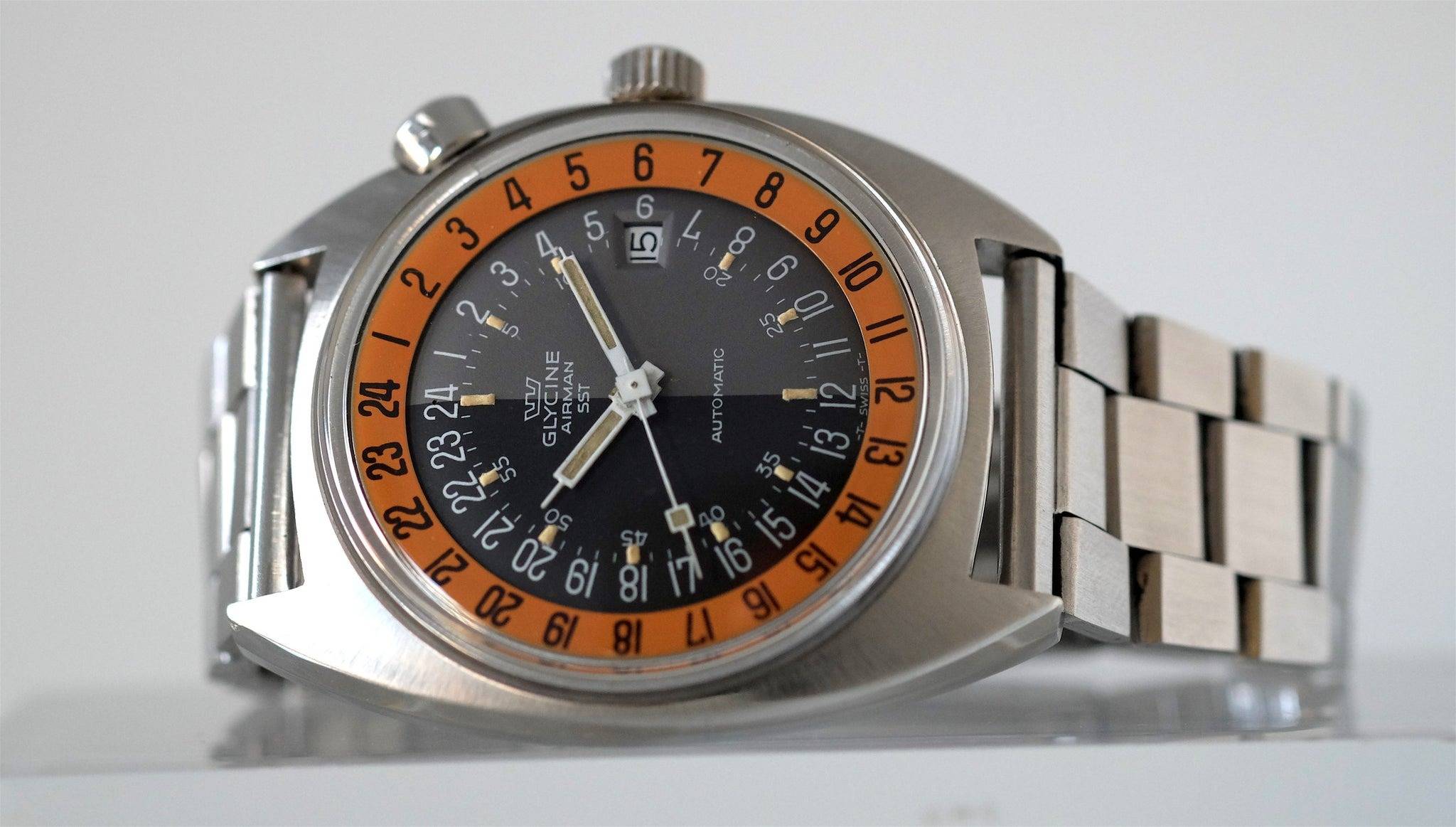
Glycine Airman SST 24-Hour Display Watch (Source: Vesper & Co.)
Single-hand watches are also fascinating in this regard! They feature just one hand that moves very slowly throughout the day, offering a whole new way to experience the flow of time.
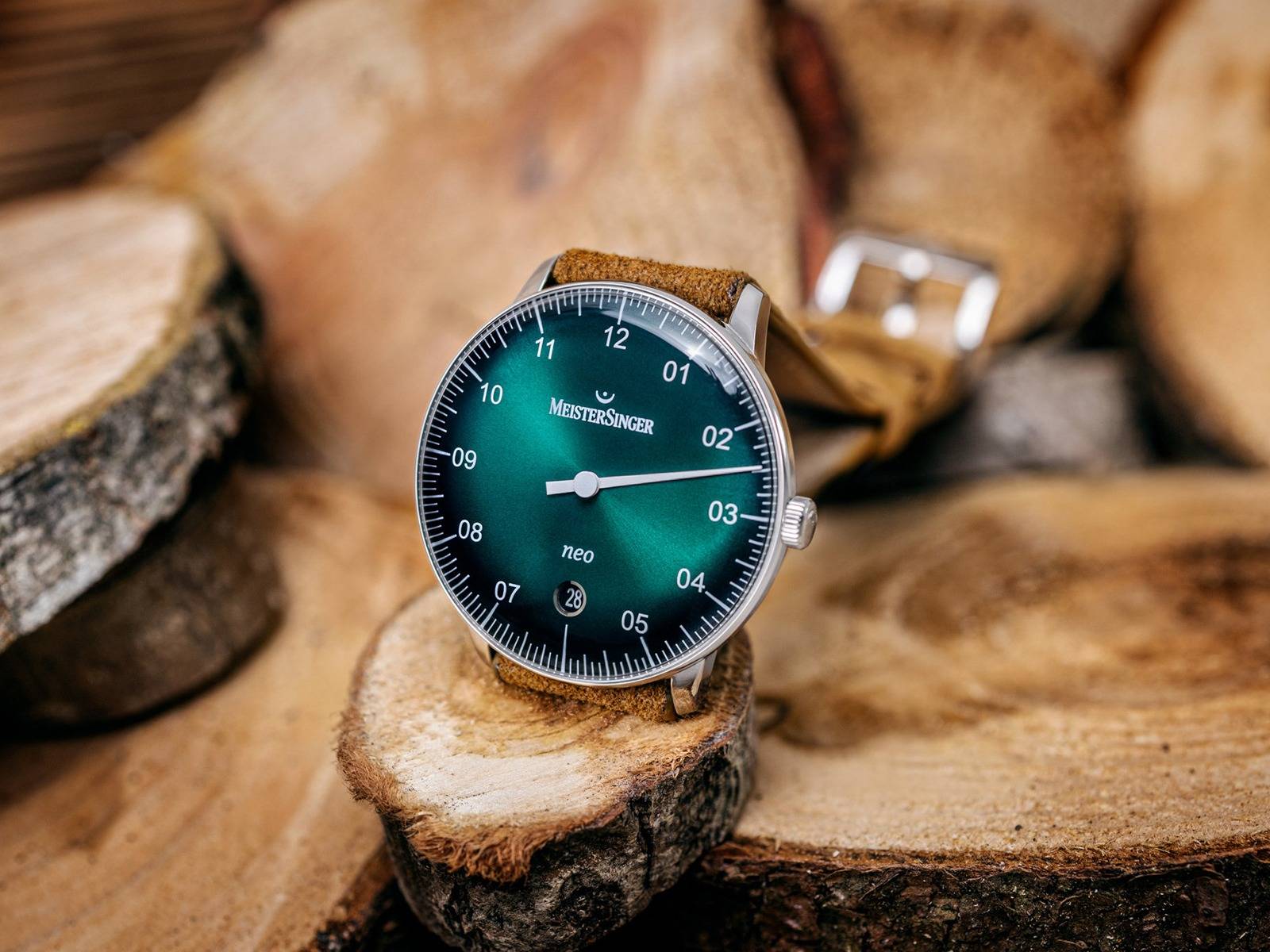
MeisterSinger NEO Single-Hand Watch (Source: Horobox)
Some brands - MeisterSinger, Gustave & Cie, Slow Watches, Tacs, Ferro & Company, and Col&MacArthur among them - offer particularly compelling single-hand watches. Pieces that span a wide range of price points!
Now that you know what makes analog display watches tick, how about discovering the circumstances in which they were invented?
The history of analog watches stretches back centuries, long before the age of quartz watches and digital screens. The idea of representing time in an analog way - that is, through a visual correspondence between hands and units of time - draws directly from the earliest timekeeping instruments.
While the very first timekeeping tools used the sun's rays or flowing water to mark the progress of the day, a true turning point came around the 1500s… That's when the first portable analog watches were born!
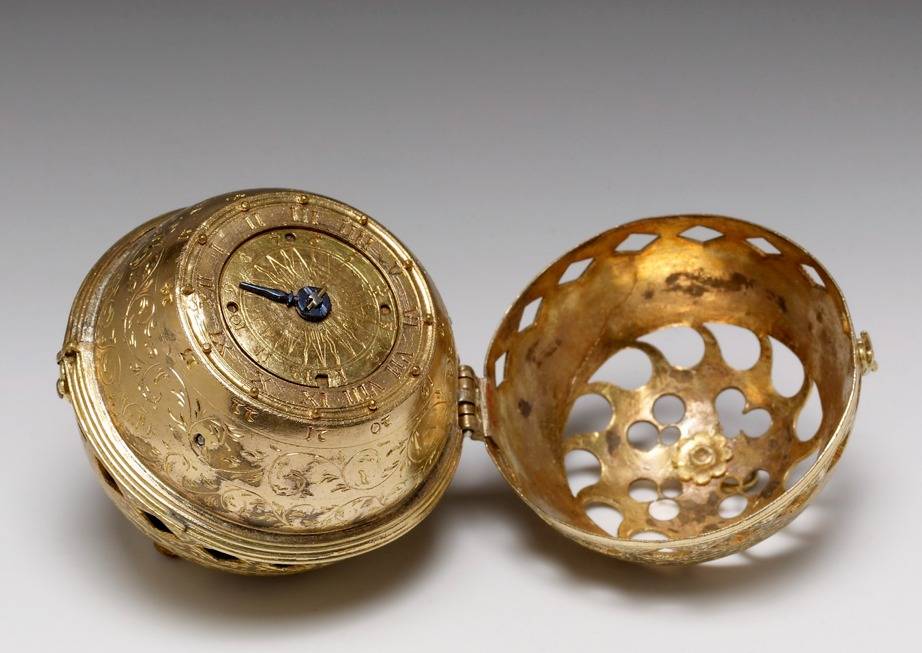
Pomander Watch, circa 1505 (Source: Hypotheses)
These timepieces, known as "Pomander watches," were groundbreaking for their era, as they represent the first instruments in history to feature analog display. With their single hand, they made it possible to visualize the passage of time in a tangible way.
Analog pocket watches became popular as early as the 17th century, thanks to technical advances in movement manufacturing and the miniaturization of calibers. They used one or more hands to mark the passage of time, giving users an immediate and intuitive visual reference.
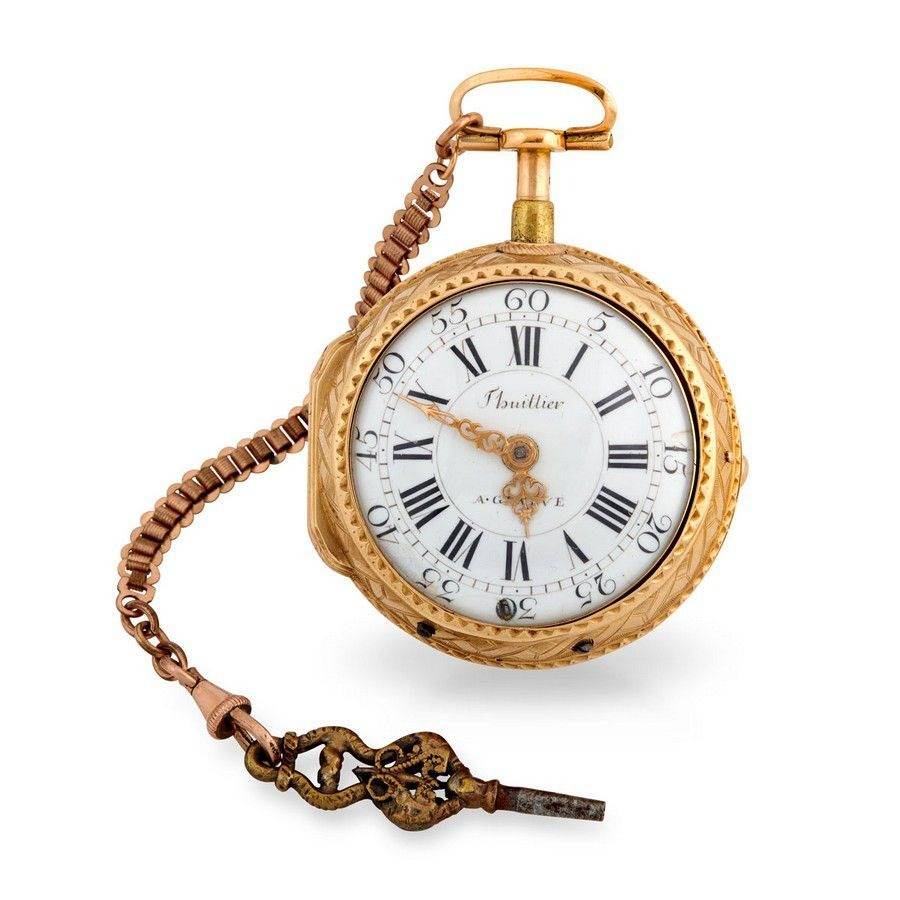
Thuillier Pocket Watch, circa 1770 (Source: Carter's price guide)
In the early 20th century, wristwatches became widespread, adopting the same analog display as their predecessors. From that point on, analog became the standard way to read the time, striking the perfect balance between functionality and aesthetics.
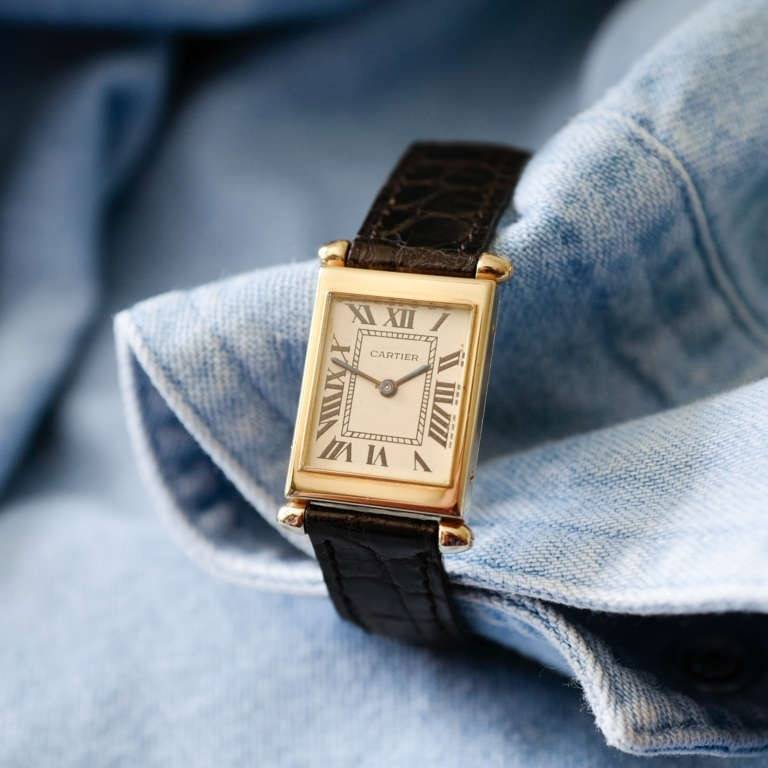
Cartier Tank Obus Watch, circa 1920 (Source: Café Noir)
Over the centuries, analog display has cemented itself as a true standard in the world of watchmaking! If you'd like to learn more about the timepieces that shaped watches into what we know today, we invite you to explore our fascinating guide to the history of watchmaking.
Analog display can be found in virtually any type of timekeeper: wristwatch, pocket watch, desk clock, mantel clock, wall clock, cuckoo clock, alarm clock, or travel alarm clock. In short, it is an incredibly widespread display format - shared by the vast majority of timekeeping instruments.
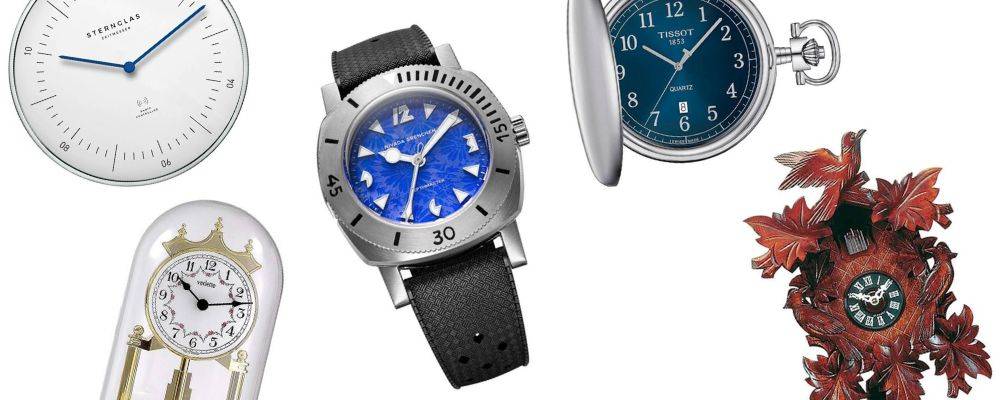
Various Analog Display Timepieces
Despite the rise of smartwatches, which rely on an entirely different display system, analog watches remain omnipresent. Some prestigious brands offer only analog display models in their entire catalog - including Rolex, Cartier, Jaeger-LeCoultre, and many other watchmaking houses.
That said, don't be fooled - some smartwatches deliberately adopt a classic look and display the time with traditional hands. Their goal is to win over users who want a connected device that stays discreet and fits seamlessly into everyday life.
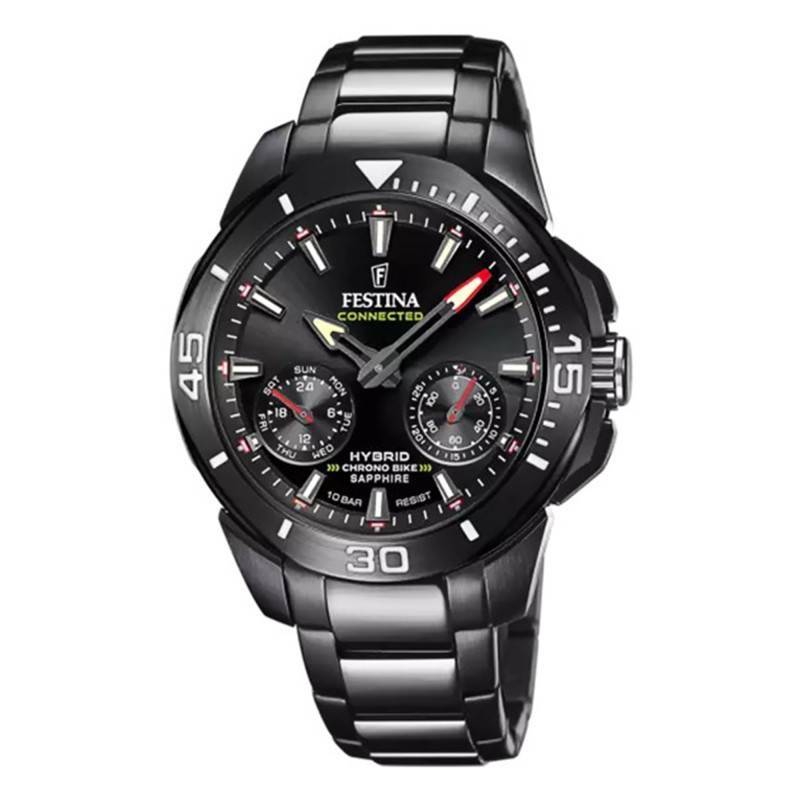
Festina Chrono Bike Analog Display smartwatch
This is the case with Withings Activité watches and several models from the Festina Connected lineup, which effectively conceal their technological nature behind a classic analog design.
If there's one takeaway from all of this, it's this: analog display remains one of the most prevalent and most beloved formats in the world of watchmaking.
The analog display of a watch relies on a set of mechanical components that translate the steady rotation of the hands into an intuitive reading of time. Even if the result looks simple - hands turning on a dial - the mechanics underneath are carefully orchestrated…
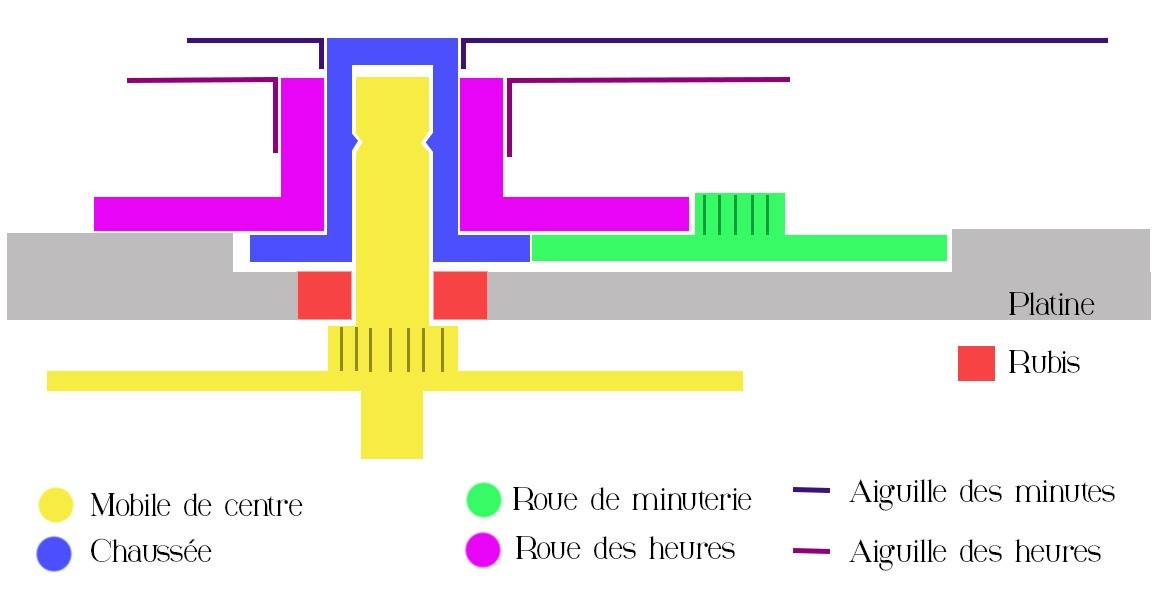
Architecture of an analog watch display system (Source: Élégance & Précision)
At the heart of this system sits the "center wheel," a fundamental component of the movement. Driven by the gear train, it completes one full revolution per hour. This steady rotation forms the basis of the entire display. The center wheel and the other gear train components typically pivot on jewels - extremely hard synthetic stones that reduce friction and ensure stable, long-lasting rotation. Mounted on the center wheel is the "minute wheel," which is an integral part of what is known as the "motion works."
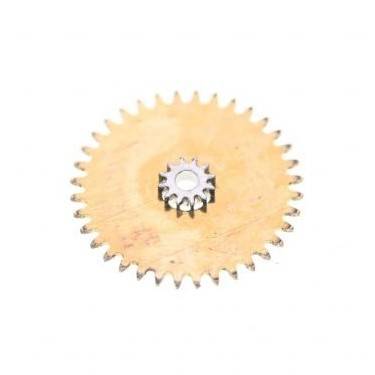
Minute wheel of an ETA 2824 movement (Source: Boccacci Forniture)
The minute wheel carries the "cannon pinion," a tubular piece mounted by friction. Its role is critical: it directly holds the minute hand and rotates at the same rate as the minute wheel, completing one full revolution every 60 minutes.
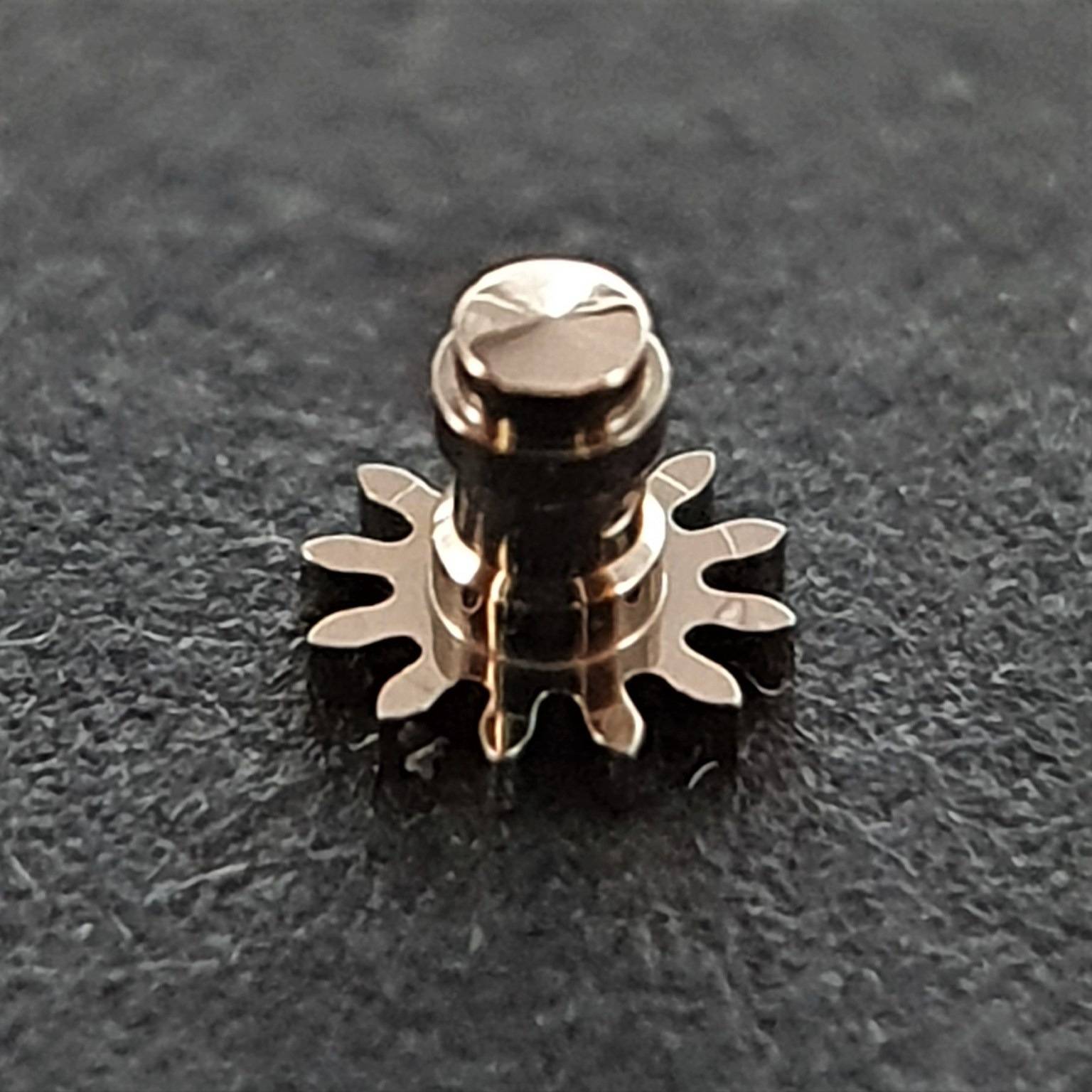
Cannon pinion of an ETA 6497-1 movement (Source: Montre l'heure)
The friction mounting allows the cannon pinion to be driven by the center wheel during normal operation, while also being manually adjusted during time-setting - without forcing the entire movement. It is one of the essential refinements of the display mechanism.
The rotation of the cannon pinion is then transmitted to the "hour wheel," located higher in the wheel stack. A reduction system (typically a simple gear ratio) allows the hour wheel to turn twelve times slower than the cannon pinion.
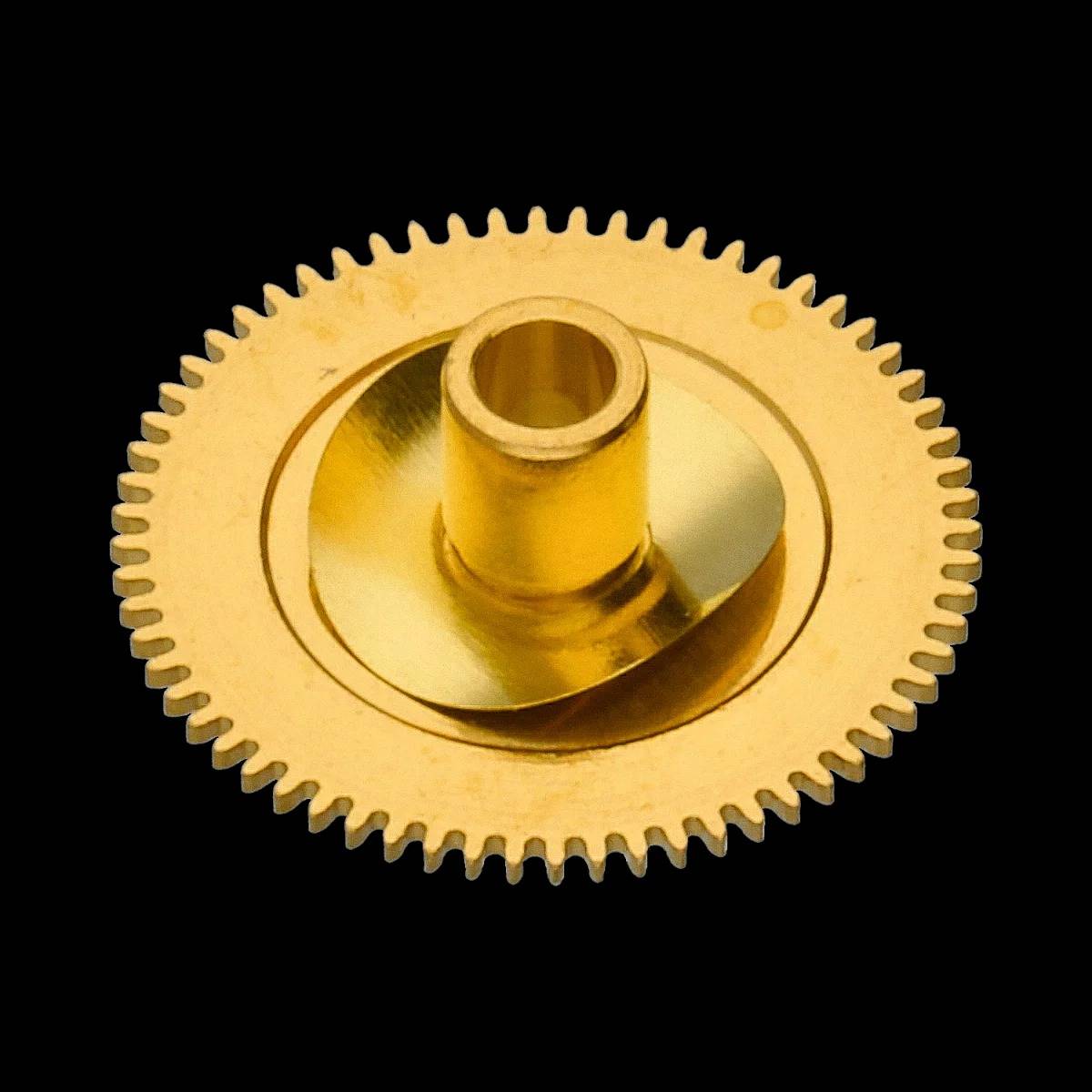
Sellita SW200 Hour Wheel (Source: evergreenParts)
It therefore completes one full revolution in 12 hours, which ensures the steady progression of the hour hand.
The assembly formed by the cannon pinion, the minute wheel, the hour wheel, and their associated gears makes up the true mechanical architecture of analog display.
This system ensures:
This principle, found in virtually all mechanical watches and even in many quartz movements, explains why analog display has endured through the centuries… It combines solid mechanical logic with a certain visual elegance.
There you have it - you now know a great deal about analog display in watchmaking, from its characteristics and advantages to its history. No doubt about it: with all this knowledge, you'll never look at your watch quite the same way again!
Share :
Official European Union notice on your rights in the event of a product's lack of conformity.