
0
Product added
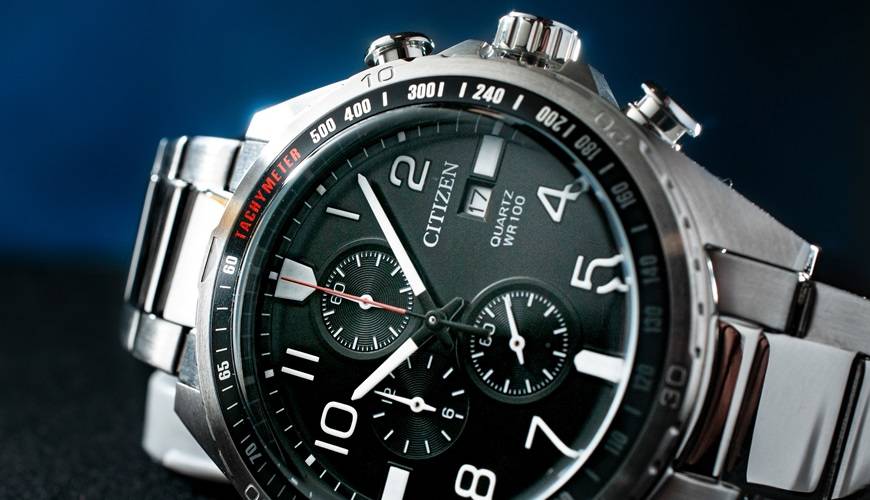
Though sometimes overlooked by watch enthusiasts, quartz watches have won over the general public with their unbeatable practicality. And honestly, it's no surprise - these timepieces are packed with impressive technical features. There's a good reason why the vast majority of watches sold today run on a quartz movement.
In this watchmaking guide from Ocarat, you'll uncover all the secrets behind quartz watches and become a true expert on the subject. Get ready to dive into a world of ultra-precise electronics and miniature printed circuits…
At its core, a quartz watch is a battery-powered watch. Nothing complicated there, you might say.
You already know that a battery is essential to a quartz watch's operation - but do you really know what a quartz movement is made of? Does it contain a printed circuit board? A quartz crystal? Let's break it all down together.
At its core, a quartz movement is an electrical assembly built on a printed circuit board.
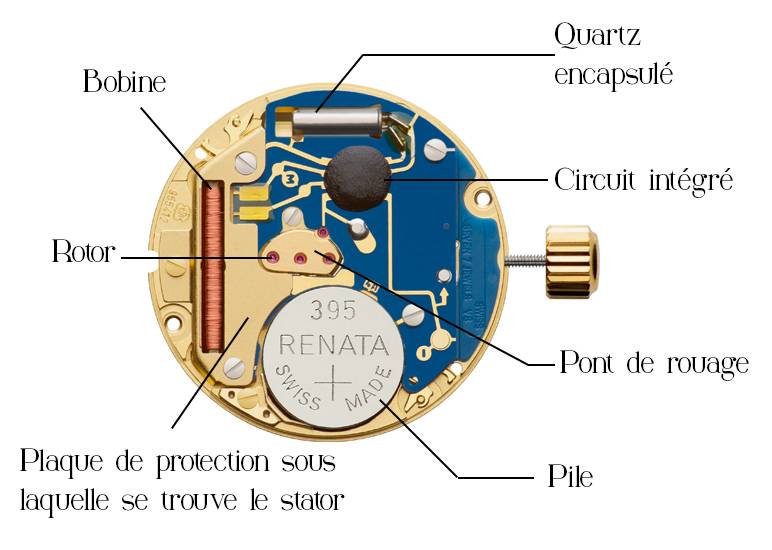
Components of an ETA 955.412 quartz movement (Source: Elegance et précision)
The battery acts as an electrical reservoir, supplying the quartz crystal with the energy it needs to vibrate.
Let's pause on this for a moment. If you look closely at the components of a quartz movement, can you actually spot the quartz crystal? Probably not - and that's completely normal. A quartz movement does contain a small quartz crystal, but it is encapsulated inside the movement, which is why it's not visible to the naked eye.
If you're curious - which, if you're reading this guide, you probably are - know that in a quartz watch, the mineral has been cut into the shape of a tuning fork.
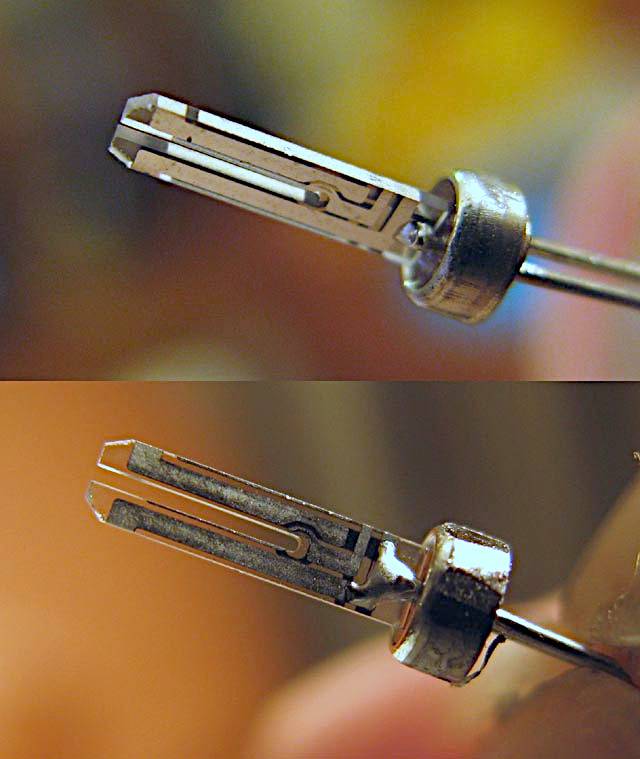
Tuning fork-shaped quartz crystal (Source: Wikimedia)
At its frequency of 32,768 Hz, quartz vibrates fast - incredibly fast. To regulate it, a integrated circuit is used. It calculates the quartz vibration and allows the watch to display the time accurately. Easy to spot, it is always covered by a plastic casing. Once it has divided the quartz frequency down to 1 Hz, it sends the signal to the stepping motor, which moves the seconds hand forward once per second.
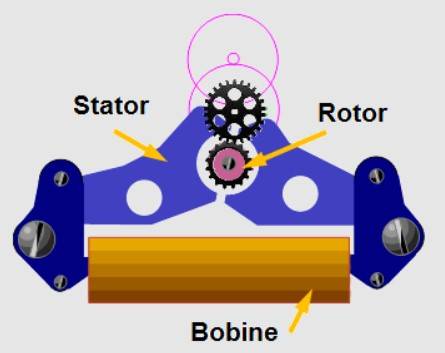
Distributor component of a quartz movement (Source: ALPMN)
This component is made up of several parts, starting with the coil. Recognizable by its orange color, it consists of 50 meters of copper wire wound around itself. Its role is to generate a magnetic field and act like a magnet.
The "stator" (admittedly not the most elegant name) receives the magnetic field generated by the coil. Made from soft iron, it has the ability to return to a non-magnetic state once the coil stops emitting a magnetic field.
Next comes a small moving part called the "rotor." Positioned at the center of the stator, it is made from a samarium-cobalt alloy that keeps it permanently magnetized. Its toothed wheel connects directly to the watch's gear train, enabling it to drive the hands.
We just mentioned that the battery plays a crucial role in a quartz watch - and that's no exaggeration. It powers the entire system. Without it, a quartz watch simply stops.
Now that you have a broad understanding of how a quartz watch works, let's walk through their advantages and disadvantages.
As we explored in our guide on mechanical watches, mechanical technology was long considered the standard in the world of watchmaking.
It's worth knowing that the emergence of the first electronic timekeeping instruments is directly tied to advances in the science of electricity.
While studying quartz (a naturally occurring semi-precious stone), Pierre and Jacques Curie discovered in 1880 that the mineral had a remarkable property: the so-called "piezoelectric" effect.
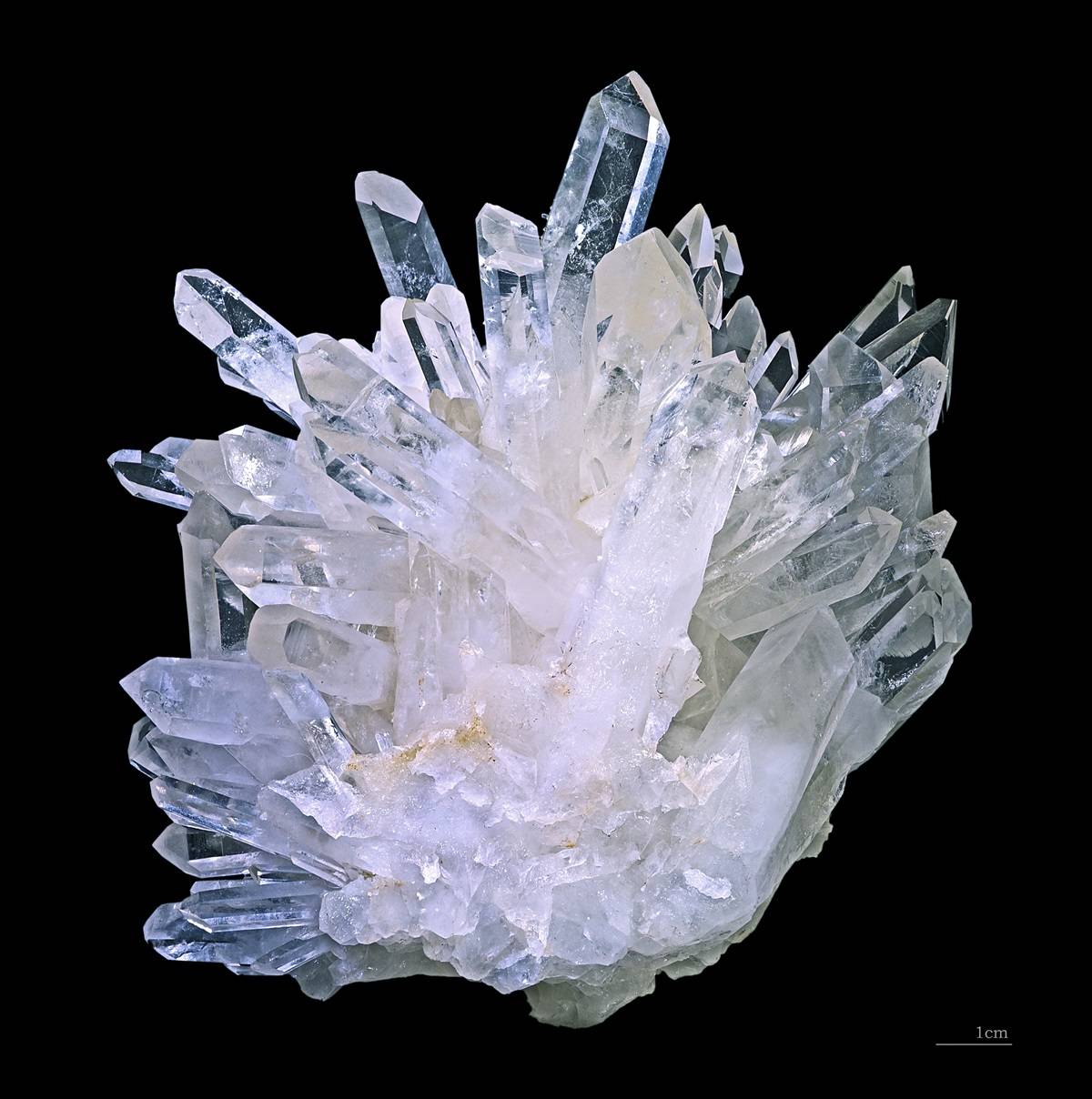
Quartz mineral (Source: Wikipédia)
In other words, it is capable of generating electricity when subjected to mechanical pressure.
Nearly 50 years later, the idea of harnessing this unique property of quartz for use in watchmaking was finally brought to the table.
Warren Marrison and J.W. Horton, two American engineers working in New York for the Bell Telephone Company (Bell Labs), took on the challenge. Their collaboration paid off: in 1927, they unveiled a machine nicknamed the "Crystal Clock."
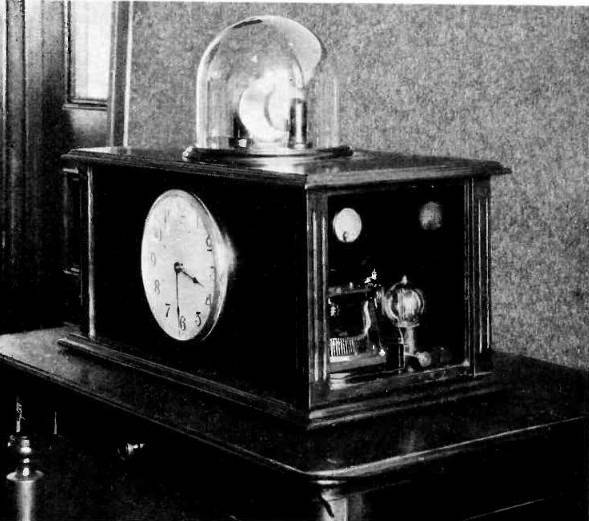
The "Crystal Clock" by Warren Marrison and J.W. Horton (Source: Wikimedia Commons)
The world's first quartz clock had been born - with one minor drawback: it was roughly the size of a refrigerator. Safe to say their invention was impressive in every way except its dimensions.
The ambition to create a wearable quartz wristwatch emerged alongside the founding of the CEH (Centre Electronique Horloger), in the Swiss city of Neuchâtel in 1962. This organization, initially funded by 9 watchmaking companies including Ebauches SA and the Fédération Horlogère (the two main shareholders), set itself a clear founding goal: to "develop an electronic wristwatch with at least one advantage over existing watches." In 1966, the objective was refined, with the CEH now aiming to "create a quartz wristwatch." To achieve this, it relied on a team of nearly a hundred people, including scientists, engineers, and technicians.
One year later (in 1967), the CEH unveiled the prototype of the very first Swiss quartz movement in history - a mechanism that would be named "Beta 1."
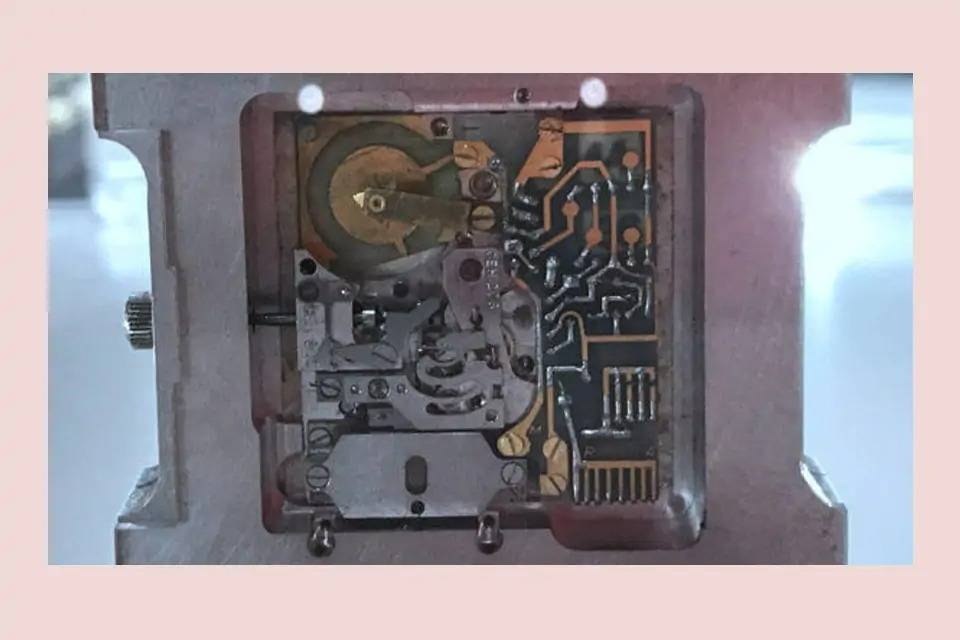
CEH Swiss Beta 1 quartz movement, 1967 (Source: Le Petit Poussoir)
Without going into the technical details, the CEH had successfully reduced the quartz oscillation frequency from 8,192 Hz down to just 0.5 Hz using an integrated circuit. Since 0.5 Hz equals one cycle every two seconds, the seconds hand motor had to be programmed accordingly so that it would advance once per second rather than once every two seconds.
Despite the significant technological leap that the "Beta 1" represented, this quartz mechanism was never actually installed in a watch intended for the general public. It was fitted inside a prototype wristwatch for one purpose only: to compete in the 1968 Geneva Observatory Competition.
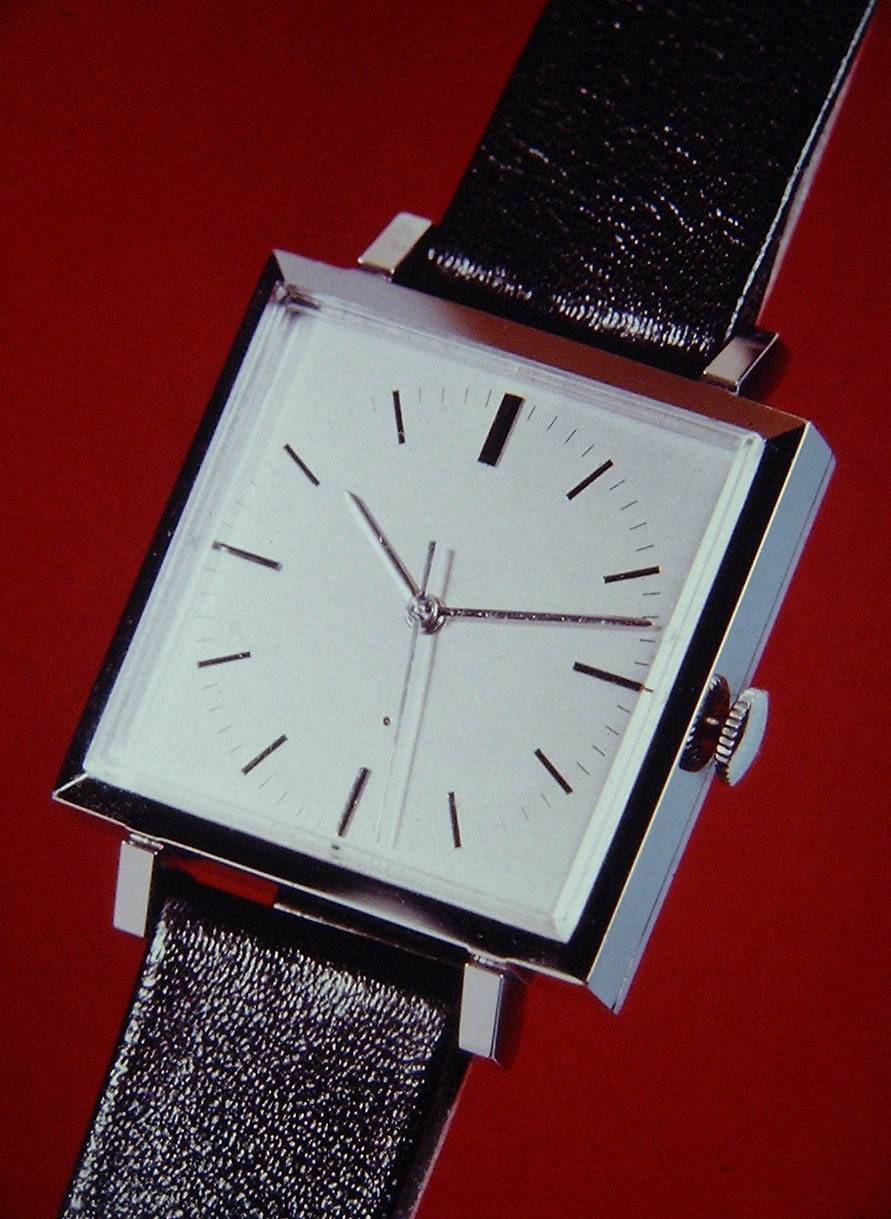
Prototype watch fitted with the Beta 1 quartz movement (Source: Wikimedia)
A competition in which it would outperform the models developed by Seiko and take first place in the rankings.
Yet, despite the remarkable ingenuity of the Beta 1 movement, it suffered from one major technical flaw: excessive power consumption. To address this, the CEH set out to develop a prototype of a new, even higher-performing movement.
It was in this context that the "Beta 2" movement was introduced shortly after. This new version, more energy-efficient than its predecessor, offered greater autonomy and a smoother seconds hand motion thanks to its 256 Hz frequency.
In April 1970, things moved quickly. The CEH set its sights on bringing a Swiss quartz movement to market - one that would go beyond prototype status and actually power commercially available watches. The CEH decided to build on the Beta 2 movement, giving rise to the "Beta 21" caliber.
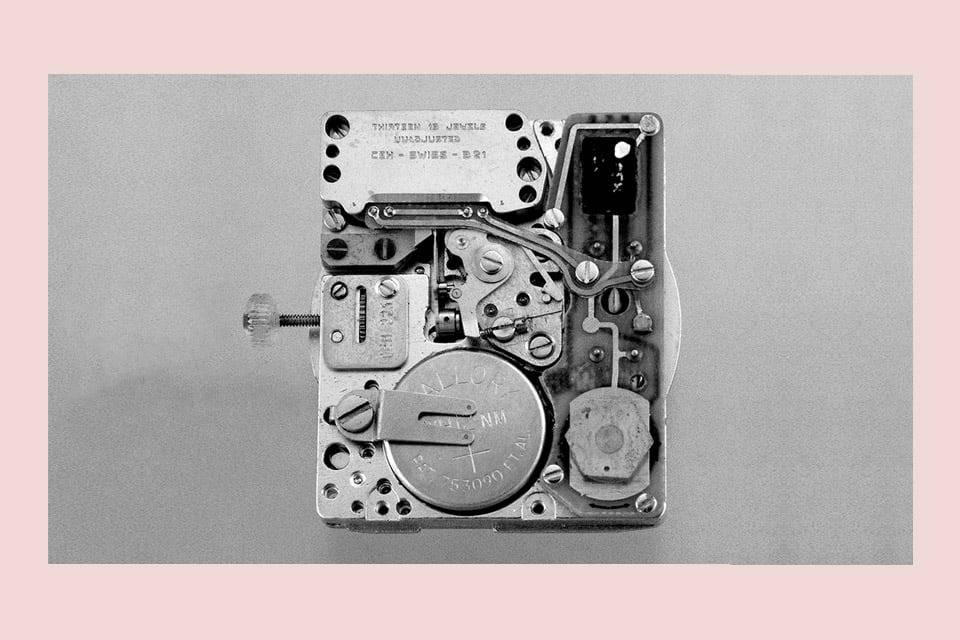
CEH Swiss Beta 21 quartz movement, 1970 (Source: Le Petit Poussoir)
And don't let its size fool you. With 110 electronic components and 2 integrated circuits, this new caliber - measuring less than 2 mm thick - would go on to leave a permanent mark on the history of Swiss watchmaking.
Among the brands that used the Beta 21 caliber, several major names in watchmaking can be found: Omega, Rolex, IWC, Piaget, Jaeger-LeCoultre, and Patek Philippe.
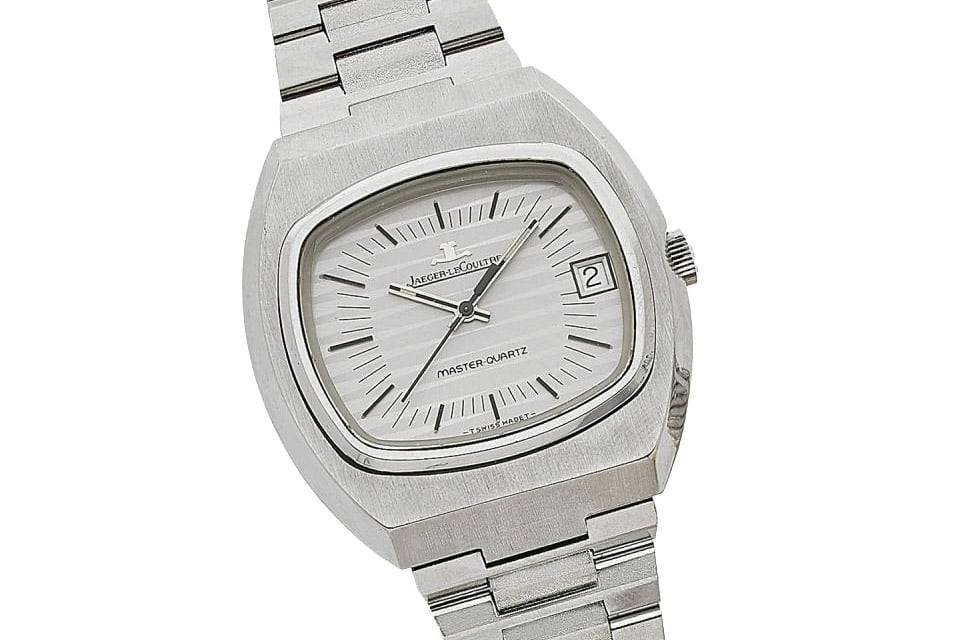
Jaeger-LeCoultre Master-Quartz with Beta 21 caliber (Source: Le Petit Poussoir)
But the Beta 21 was not without its own shortcomings. It was criticized for its instability, relative fragility, and still-excessive power consumption. Its greatest flaw, however, was arguably arriving too late to the market.
In fact, some brands managed to launch their own quartz movements before the CEH. Longines did so with its "Ultra-Quartz," 8 months earlier, and Seiko with its "Astron," 4 months earlier.
As a result of this controversy, Longines - which had been part of the project to develop the Beta 21 - was sued by the CEH. The organization accused the winged hourglass brand of having used, for its own benefit, research results it was not entitled to exploit.
From Beta 1 to Beta 2 to Beta 21, the CEH played a pivotal role in the quartz race. However, one important distinction must be made: while the CEH was indeed responsible for the very first quartz watch in history, it was not the one to bring the first commercial quartz timepiece to market.
Indeed, with its Quartz Astron 35SQ unveiled in December 1969, the Japanese manufacturer Seiko is credited as the first brand to bring a quartz watch to market.
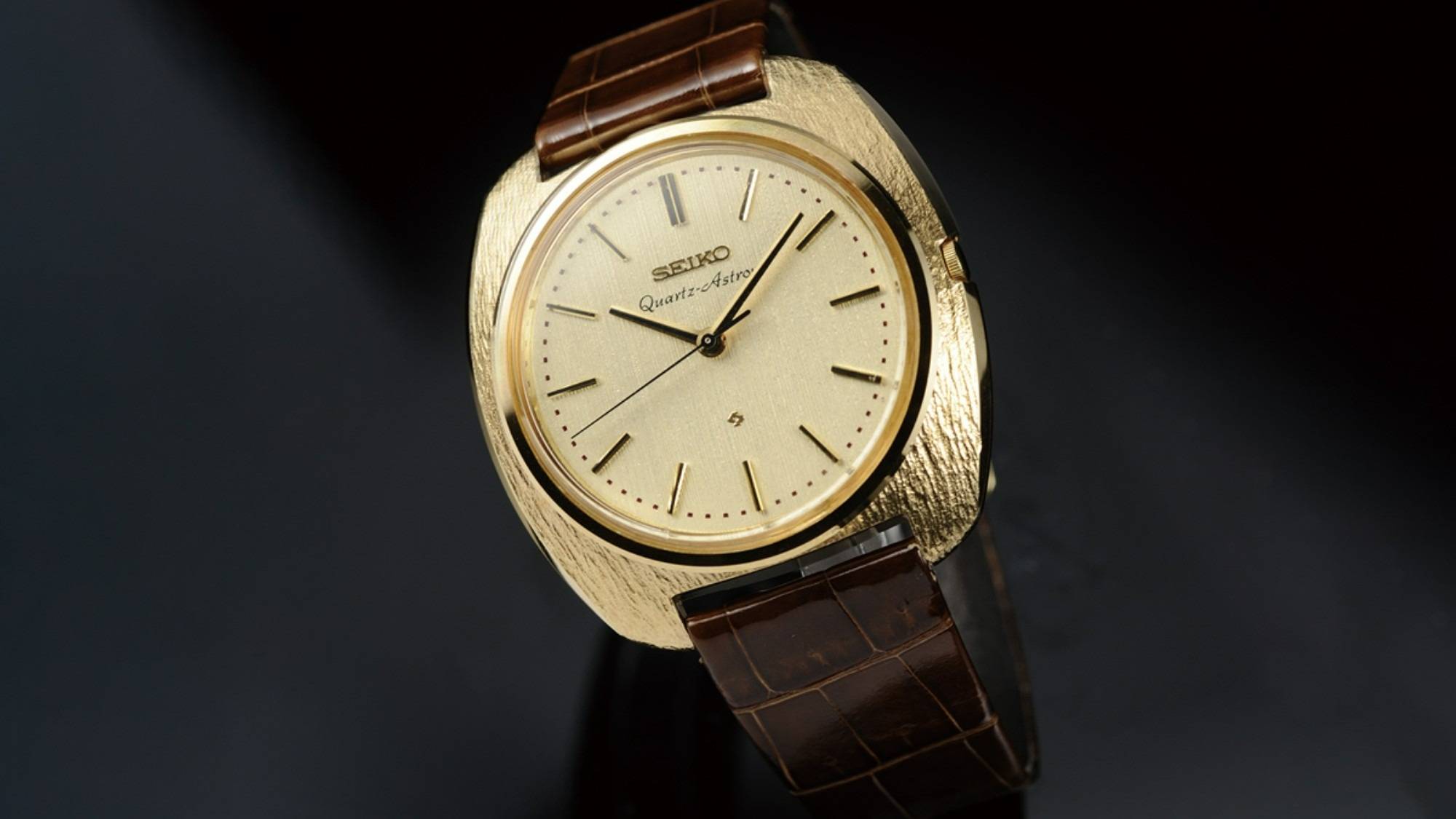
Seiko Quartz-Astron 35SQ (Source: Seiko watches)
Bear in mind that this historic watch was produced in a limited run of just 100 pieces, each housed in an yellow gold case. Its price was steep - very steep - at 450,000 yen, which at the time was equivalent to the cost of a Toyota Corolla, no less. Yet despite the stratospheric price tag, all 100 pieces sold out in under a week.
It's also worth noting that the precision of the original Seiko Quartz Astron was remarkably impressive for its era, achieving between +/-5 seconds per month - a performance level that would still be considered very respectable today.
In an effort to recover from the Beta 21's shortcomings, the CEH introduced a new caliber in 1970: the "Beta 22." It would later be found in the Rolex Oysterquartz 5100 - a very limited and little-known model from the Crown brand.
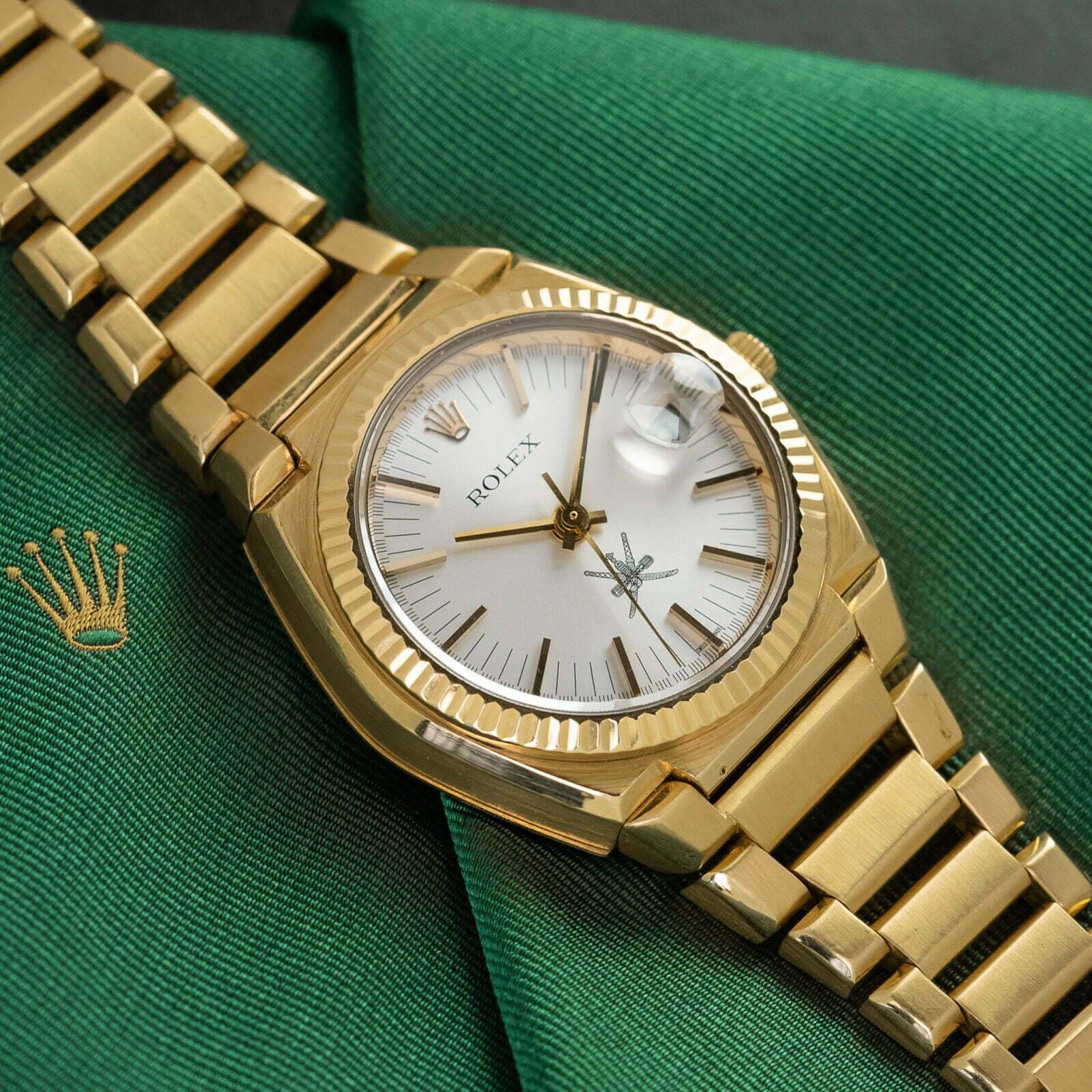
Rolex Oysterquartz 5100 with Beta 22 movement (Source: Amsterdam Vintage Watches)
Through the 1970s, quartz watches steadily gained ground and won over an ever-growing share of the general public - setting the stage for the so-called Quartz Crisis. Many watchmakers, including some historic houses, were forced to close their doors. It's worth remembering that it was Nicolas Hayek's launch of Swatch in 1983 that ultimately saved the Swiss watchmaking industry.
To learn more about this fascinating chapter in horological history, take a look at our dedicated guide on the history of watches.
Quartz watches have real strengths - and some notable weaknesses. Since the drawbacks tend to attract the most scrutiny from watch enthusiasts, it's worth keeping them in mind to make an informed choice and find the watch that's right for you.
If you've read our guide on mechanical watches, you'll notice something interesting here: the advantages and disadvantages of quartz watches are essentially the mirror image of those of mechanical watches.
While all quartz watches run on the same technology, their movements don't necessarily come from the same place.
Much like mechanical movements, only major watch groups have the capacity to develop their own quartz calibers. This gives rise to two categories of watches:
To put this in concrete terms, let's look at 2 examples. Casio watches are all fitted with calibers developed by Casio - making them in-house movements. Lip quartz watches, on the other hand, are equipped with movements developed by companies such as ISA France, Miyota, Ronda, or Seiko. So they cannot be said to feature an in-house movement. Simple enough, right?
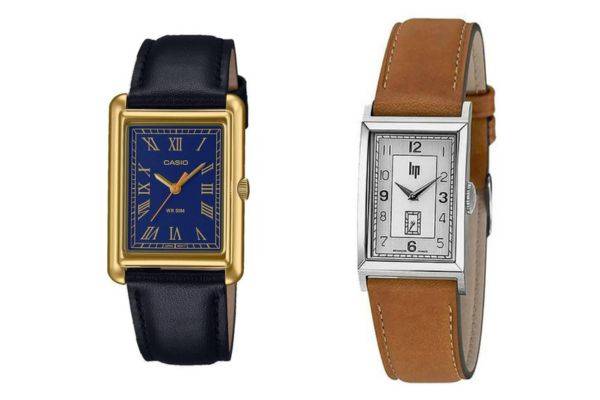
Casio watch with in-house movement (left) / Lip watch with Ronda movement (right)
That said, don't assume an in-house quartz movement is necessarily superior to a standard one. The question is more philosophical than anything else. For some enthusiasts, a quartz watch fitted with an in-house caliber is simply considered more "interesting" - because the watch was conceived as a holistic, integrated whole.
Today, quartz movements are sourced from all over the world, but the leading manufacturers are Swiss and Japanese. Key players include ETA, Ronda, Miyota, Seiko, and Casio.
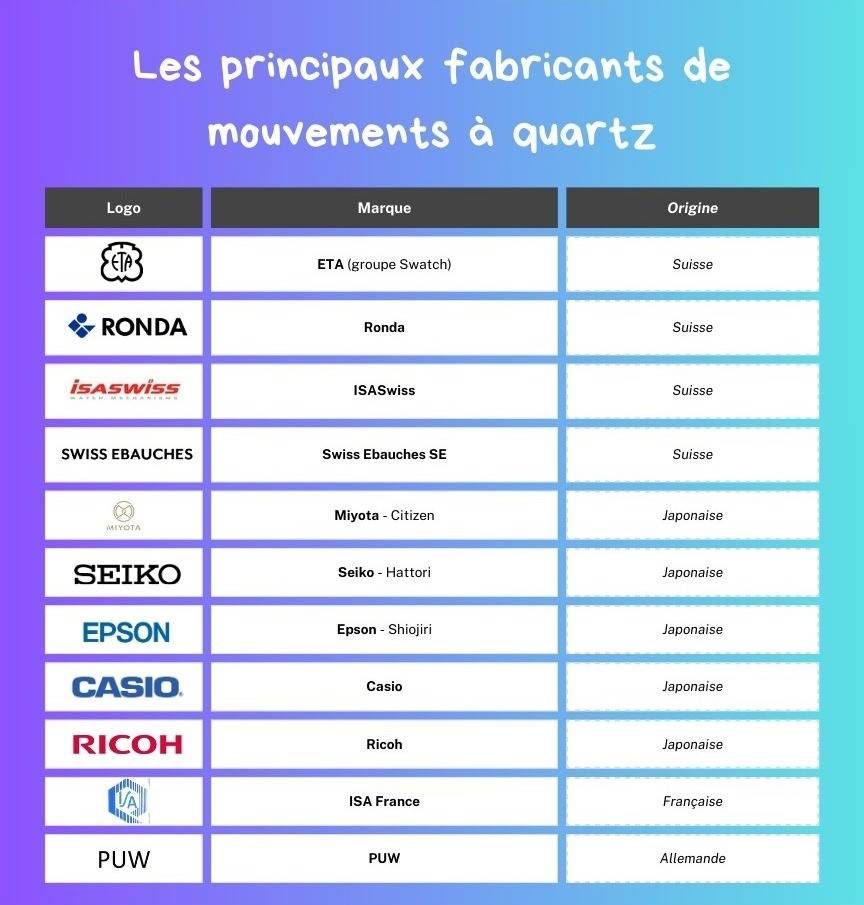
Movements from these manufacturers are widely recognized for their exceptional reliability. So if you're looking for a quartz watch for everyday wear, pay attention to the movement brand when doing your research. This detail - often listed on retailer websites - gives you a solid first indicator of overall watch quality. If you're shopping in-store, don't hesitate to ask the sales staff about the specifications of each model.
Quartz watches are precise - very precise. You may have heard someone claim that even an entry-level quartz watch is more accurate than a high-end or even luxury mechanical timepiece. And to be completely honest, that statement is absolutely correct.
At this point, you're probably wondering how that's even possible. After all, it's a fair question - how can a 50 € quartz watch be more accurate than a 10,000 € mechanical timepiece?
All of this comes down to the "operating frequency" - a concept we touched on in the section "How Does a Quartz Watch Work?", the very first part of this guide.
If you've been paying close attention, you'll have noticed that a quartz watch operates at a frequency of 32,768 Hz. There are exceptions, of course, but this figure - expressed in Hertz - applies to the vast majority of battery-powered watches on the market.
For comparison, the operating frequency of mechanical watches ranges (depending on the model) between 2.5Hz and 5Hz.
The operating frequency of a quartz watch is far higher than that of a mechanical watch - roughly 6,500 to 13,000 times higher, to be precise. Since frequency has a direct impact on accuracy, it's easy to understand why a quartz watch is, by its very nature, always more precise than a fully mechanical model.
In fact, while a mechanical watch's drift is measured in seconds per day, a quartz watch's drift is typically expressed in seconds per month - or even seconds per year. That alone tells you just how significant the precision gap between these two types of watches can be.
Of course, every model is different, but keep in mind that the accuracy of a quartz watch is generally within +/-20 seconds per month - with the highest-performing quartz watches on the market capable of achieving an even greater degree of precision.
This can be explained in several ways. Quartz watches use movements of varying quality and are assembled to more or less strict tolerances.
Temperature can also directly affect the accuracy of quartz watches. In hot conditions, they tend to run slow, while in cold conditions, they tend to run fast.
If pinpoint accuracy is what you're after, your best options are:
Radio-controlled quartz watches owe their precision to a rather unique timekeeping method. They are synced to an ultra-precise timekeeping instrument known as an "atomic clock." In addition to automatically switching between daylight saving and standard time, this synchronization ensures they always display the exact correct time.
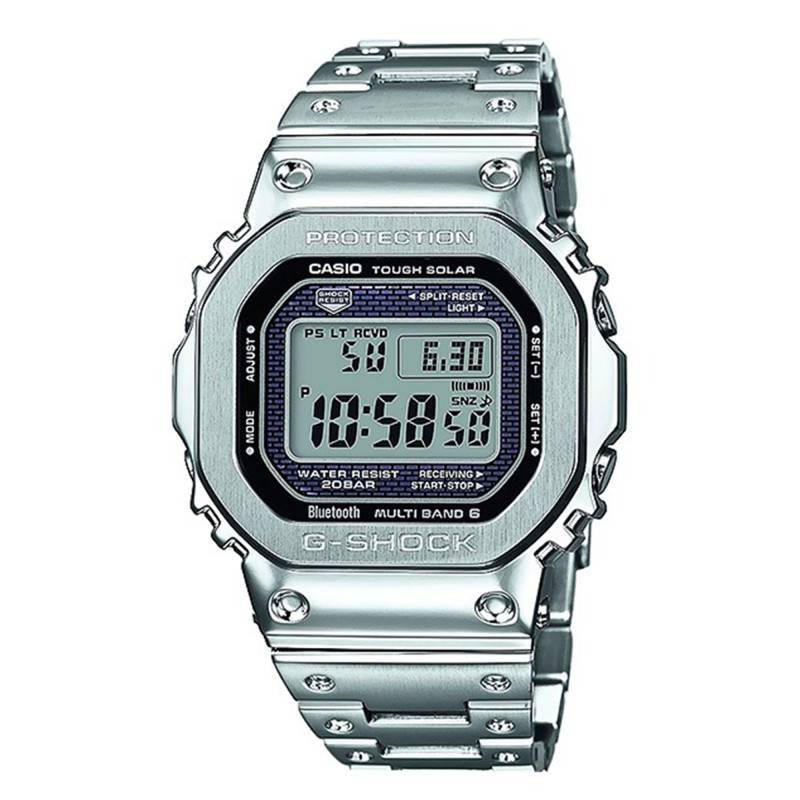
Casio G-Shock GMW-B5000D-1ER radio-controlled watch
A radio-controlled quartz watch displays the exact same time, to the second, as the time shown on your smartphone.
Temperature-compensated quartz watches are models in which the quartz crystal is kept at a constant temperature.
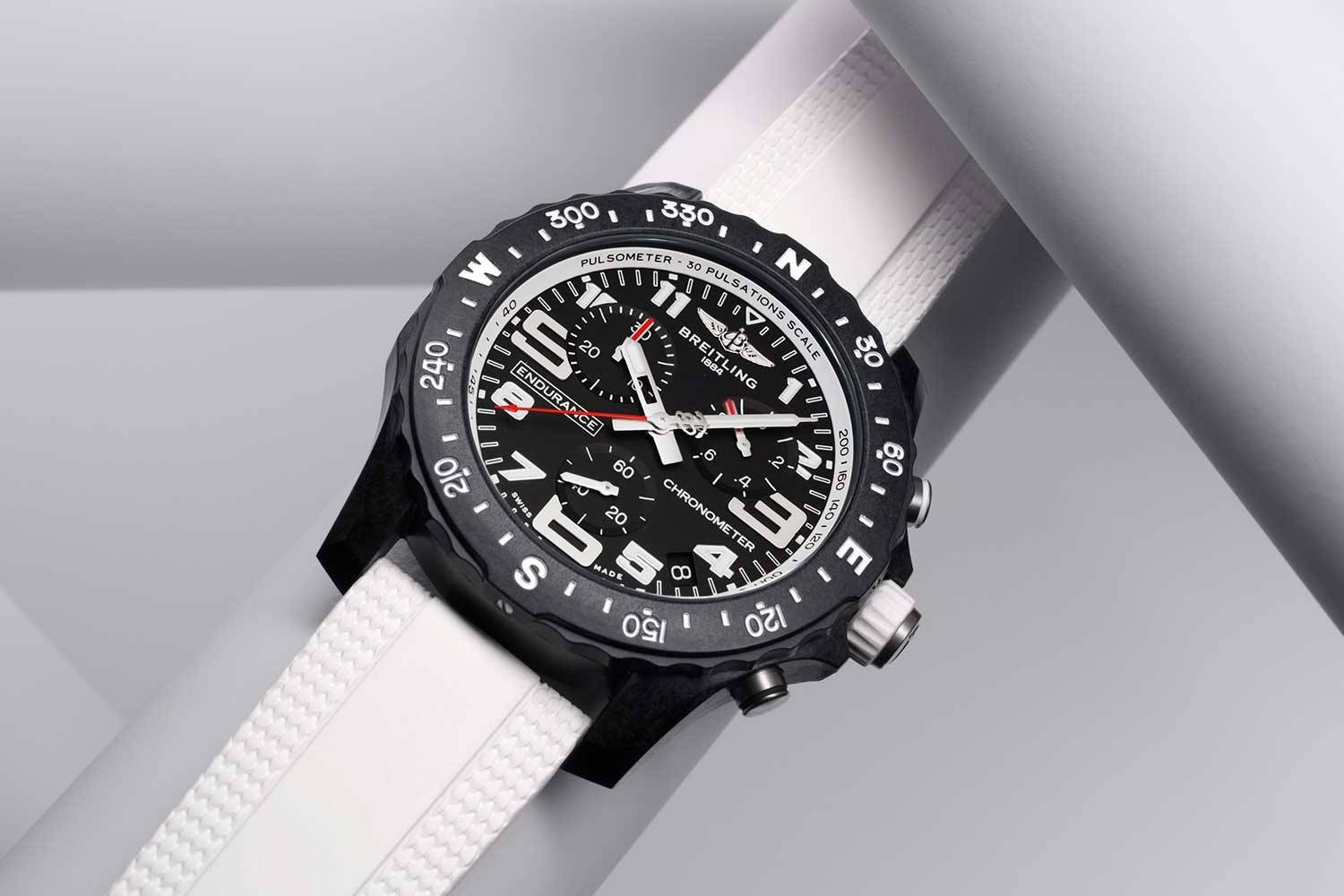
Breitling Endurance Pro thermo-compensated quartz watch (Source: Revolution Watch)
That stability is precisely what gives them such impressive accuracy!
In our previous guide on mechanical and automatic watches, we covered various certifications that attest to a high level of precision. But here's something that might surprise you: did you know that the Contrôle Officiel Suisse des Chronomètres also certifies the most accurate quartz watches?
To earn the "chronometer" designation and receive COSC certification, a quartz watch must meet very specific - and far stricter - precision standards than those required for mechanical watches, as you might expect.
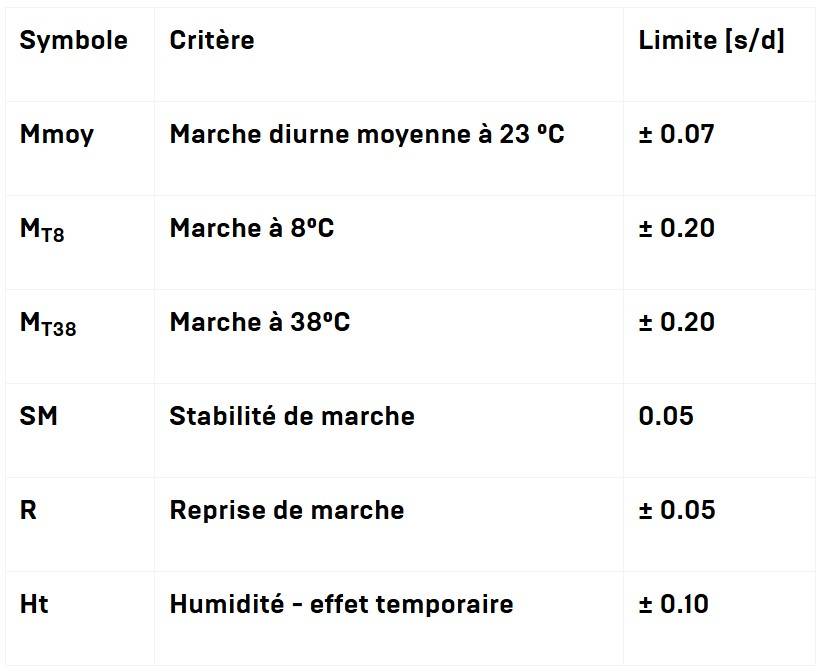
Minimum accuracy requirements for a chronometer-grade quartz watch (Source: Official Swiss Chronometer Testing Institute)
And a quick reminder that's always worth repeating: don't confuse a "chronometer watch" with a "chronograph watch." A chronometer is simply a watch whose high precision has been officially certified, whereas a chronograph is a watch equipped with a function for measuring elapsed time.
You now know everything there is to know about quartz watches - from their history and inner workings to their precision. And the next time someone asks you why a quartz watch is more accurate than a mechanical one, you'll have the perfect answer ready.
Psst... Think frequency. Frequency!
Share :
Official European Union notice on your rights in the event of a product's lack of conformity.


