
0
Product added
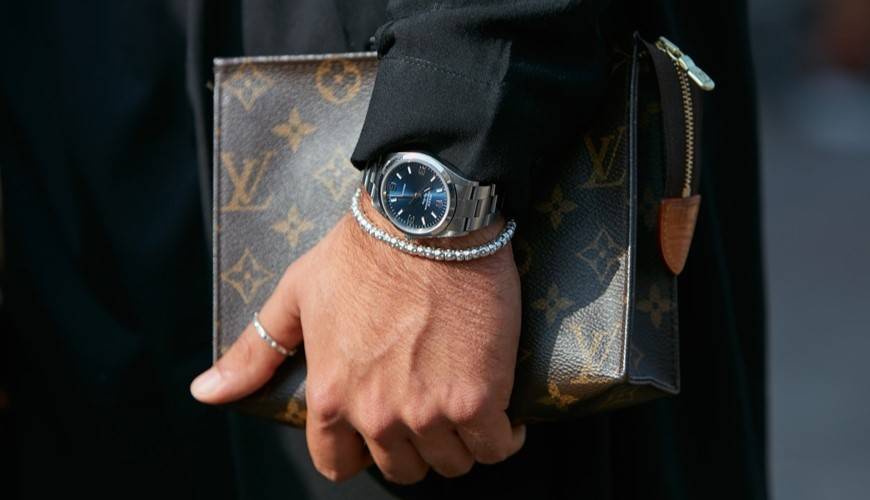
You know how it is: "classic" is a broad term that encompasses a wide variety of objects with sometimes very different aesthetics. The Larousse dictionary defines the adjective as something "in keeping with tradition." The world of watchmaking is no different - it rests on a well-established set of aesthetic codes and technical characteristics that structure and distinguish the major families of timepieces.
Classic watches are no exception to this rule - they're a natural extension of that traditional continuity. Let us introduce them to you!
As the name suggests, a classic watch is a timepiece rooted in the aesthetic codes of traditional watchmaking. It's a piece that neither seeks to provoke nor to surprise. In other words, classic watches don't make bold statements - they follow a deliberately conservative approach, with the primary goal of honoring a certain horological heritage.
Of course, not all classic watches look alike. They do, however, share a distinct set of common characteristics. Their cases typically adopt conventional shapes and proportions, while their dials and hands prioritize legibility above all - a fundamental value of classic watchmaking.
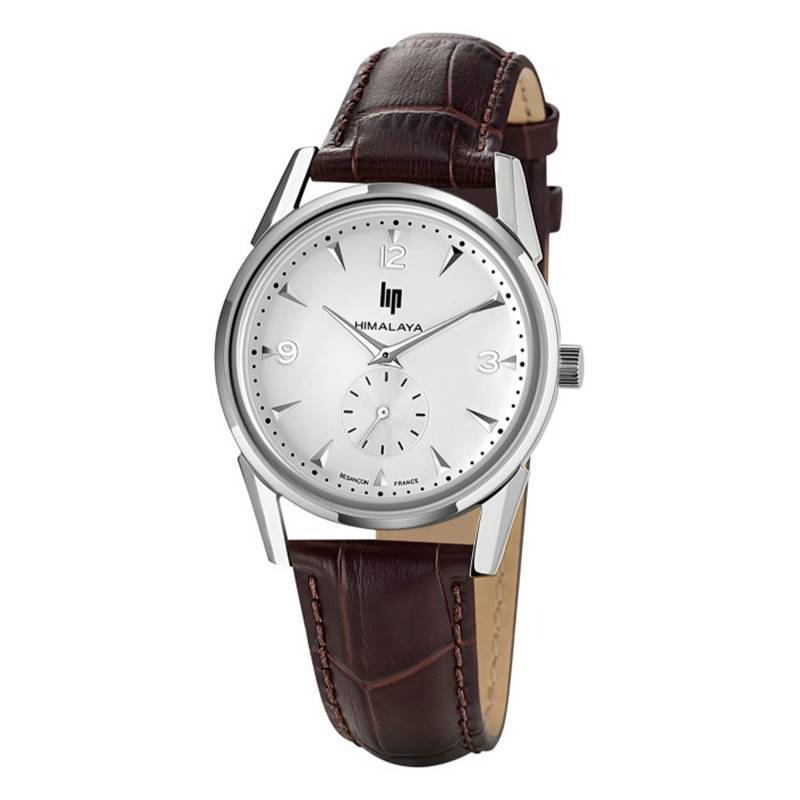
The archetype of the classic watch: the Lip Himalaya 35mm
The materials used in their construction follow this same traditional continuity. Cases are most often crafted from durable metals such as stainless steel - whether silver-toned or gold-toned - or solid gold. Straps, meanwhile, are frequently made from genuine leather, though metal bracelet versions also exist.
That said, while classic watches share many common traits, they don't all follow the same aesthetic philosophy. In fact, they can be divided into two distinct sub-families…
Because we don't all share the same lifestyles, constraints, or aesthetic sensibilities, classic watches can't be reduced to a single style expression. In fact, they fall into two broad categories. Some prioritize versatility and the ability to adapt to any situation, while others lean into elegance, restraint, and a certain understated discretion. Let's explore both!
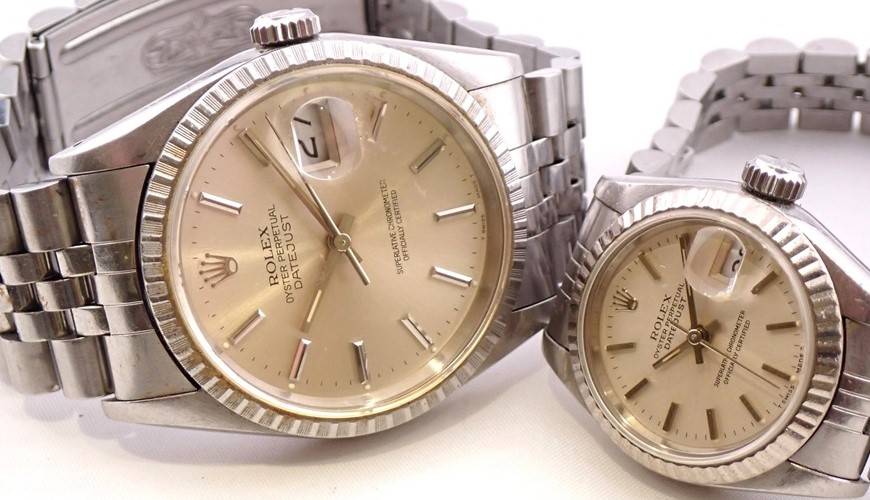
The term "versatile watches" may also sound somewhat generic - and it's admittedly not widely used in watchmaking vocabulary. Yet it accurately describes timepieces built for everyday wear, capable of adapting to virtually any context. These are watches designed to accompany their owner from morning to night, never looking out of place.
These watches appeal to horology enthusiasts and everyday wearers alike - men and women simply looking for a beautiful, easy-to-wear accessory. That's precisely why most watch brands today offer at least one reference of this type in their lineup. The most iconic example remains, without question, the Rolex Datejust, whose effortlessly wearable style has made it a true benchmark in versatile watchmaking over the decades.
For those looking to explore more accessible options, brands like Tissot, Seiko, Lip, and March LAB also offer some compelling models.
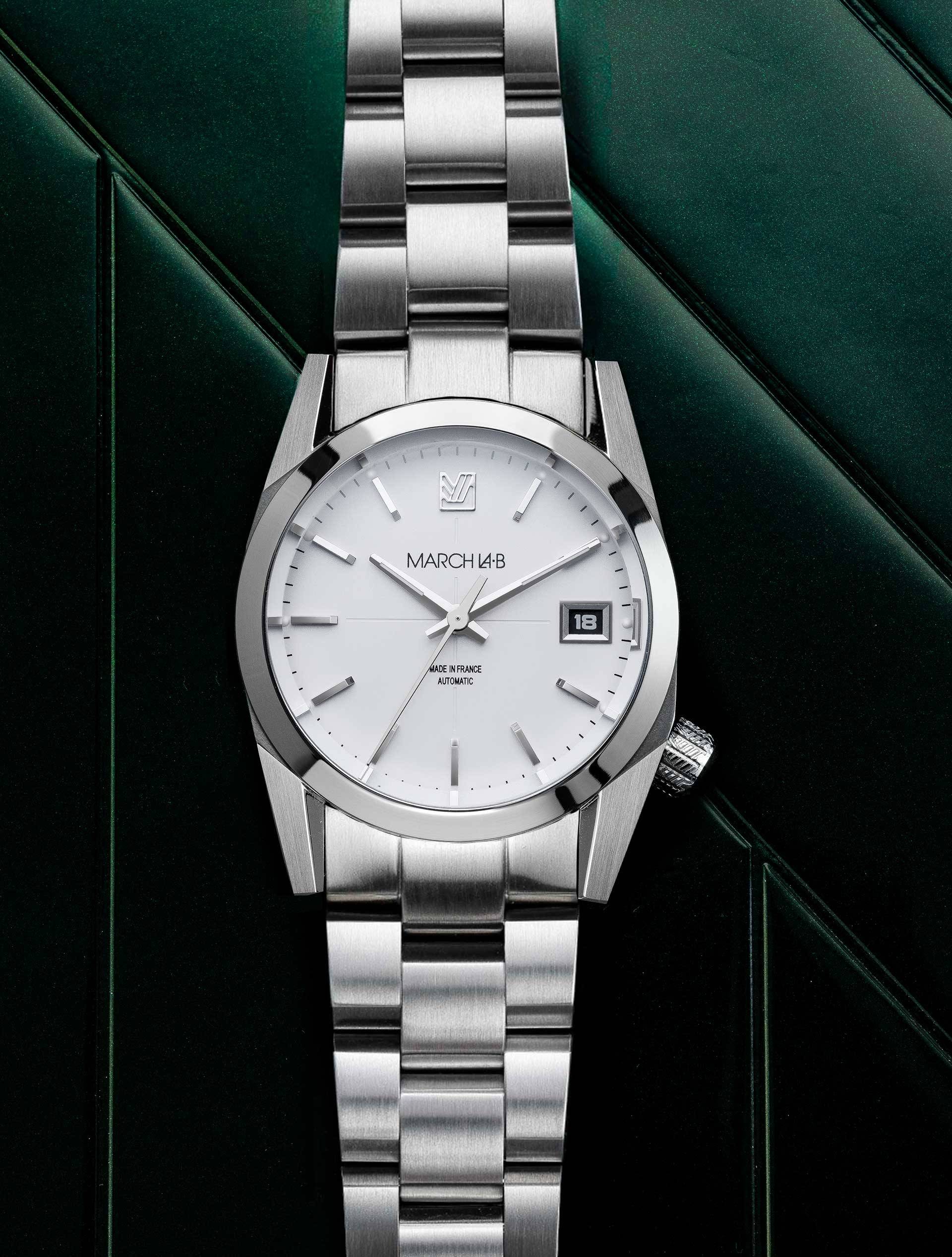
March LAB am69 classic watch (Source: March LAB website)
Look closely at these watches and you'll notice they're neither truly sporty nor strictly formal. They consistently play on a subtle interplay of polished and brushed finishes - an aesthetic choice that gives them their versatility. Thanks to this proven formula, versatile watches work just as well at the office with a suit or blazer as they do at the beach in casual attire. That's precisely where their strength lies.
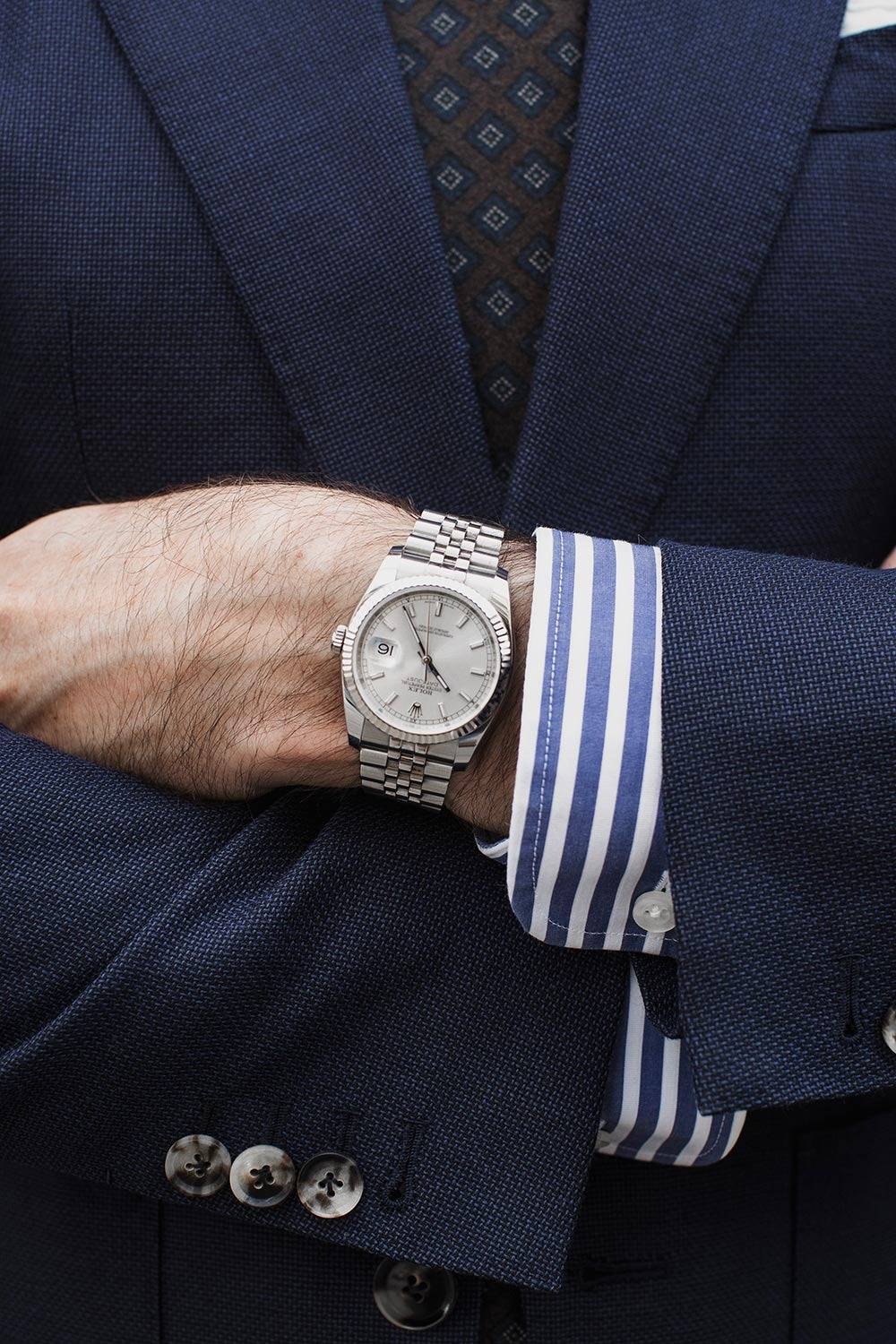
Rolex Datejust ref. 116234 worn with a suit (Source: He Spoke Style)
Water resistance is also a key feature for this type of timepiece. Designed to go everywhere with their owner - including in the water - most of these watches are rated at 100 meters water resistance (10 ATM or 10 bar). This level of protection means you can shower, swim in a pool, or head to the beach without giving your watch a second thought.
While many of these models feature a metal bracelet for practical and durability reasons, some opt for a leather strap to project a slightly different aesthetic. Either way, versatile watches remain highly conventional pieces - they don't aim to surprise with extravagance. Their purpose is altogether different: to suit most everyday situations and be genuinely pleasant to wear day in, day out.
This philosophy also extends to the complications they offer. When present, these are always practical for everyday life. Among the most common are the date complication, the day-date complication, and, on higher-end models, the perpetual calendar complication.
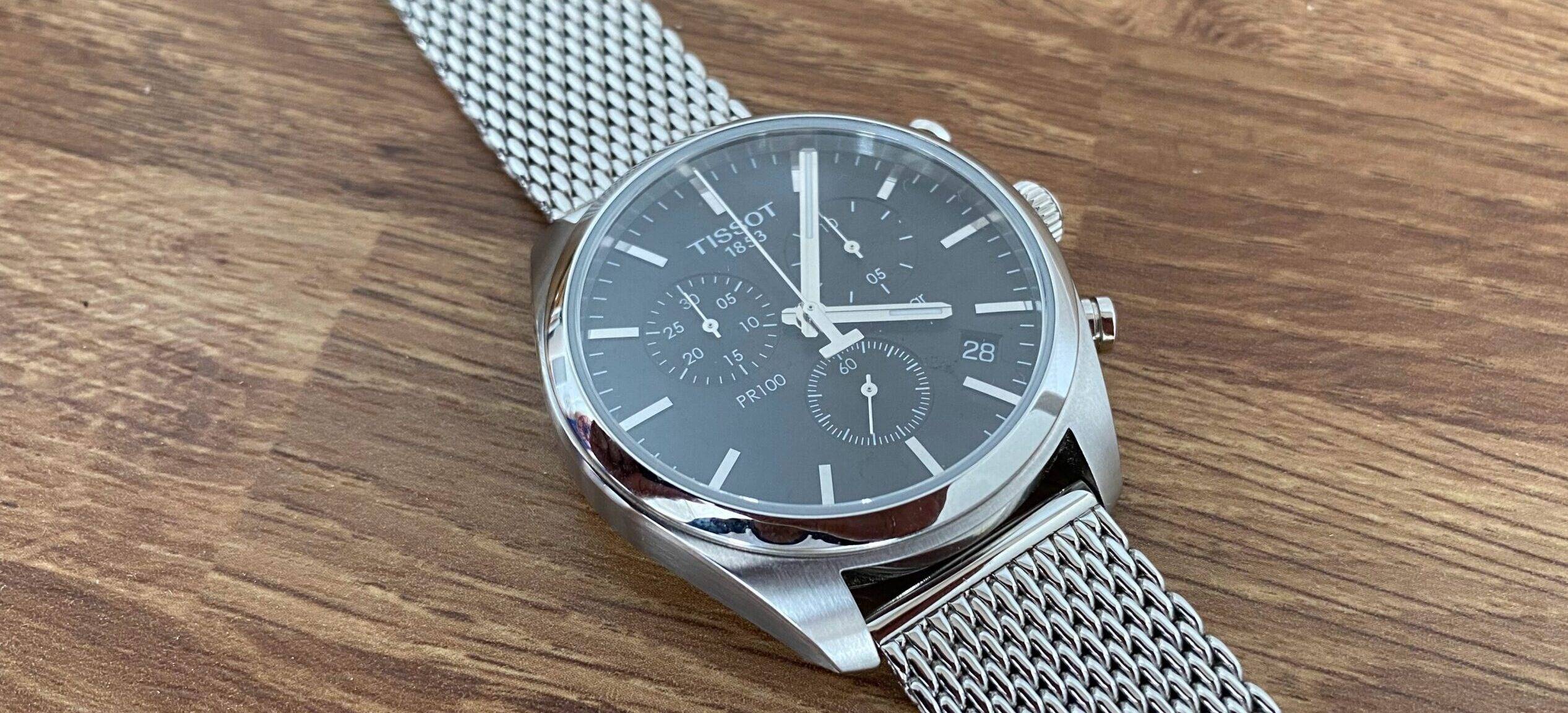
Tissot PR 100 classic watch with chronograph complication (Source: This Watch Works)
Ultimately, "versatile" watches aren't radical style statements. They are, above all, beautifully functional accessories designed to carry men and women through (almost) every situation of daily life with effortless elegance. If you're looking for a classic watch that's especially easy to wear every day, this is clearly the family of timepieces to explore.
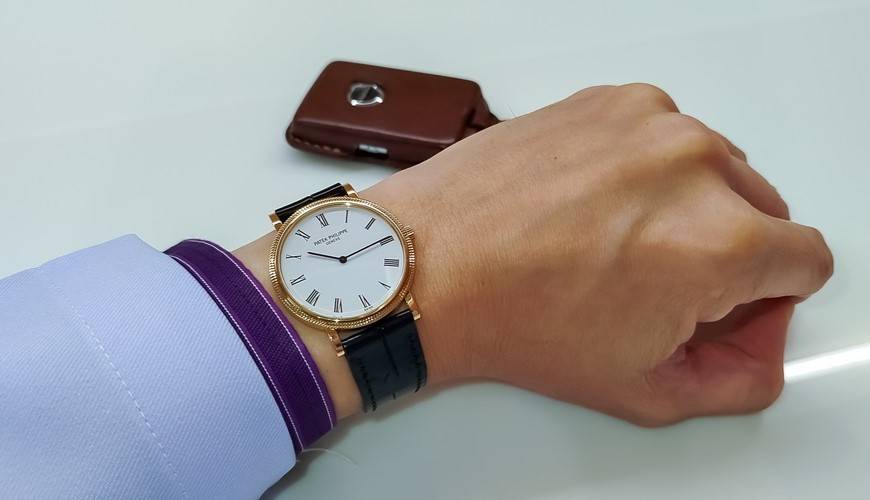
Often referred to as "dress watches" - even among French-speaking collectors - dress watches are pieces that fully embrace their chic and sophisticated character. They follow a precise aesthetic code that's instantly recognizable at a glance. Key hallmarks include:
Among the most representative watches in this category, the Patek Philippe Calatrava stands out, alongside numerous Cartier models such as the Tank Louis (rectangular case), the Ceinture (octagonal case), and the Baignoire (oval case) - pieces that don't shy away from exploring distinctive case shapes.
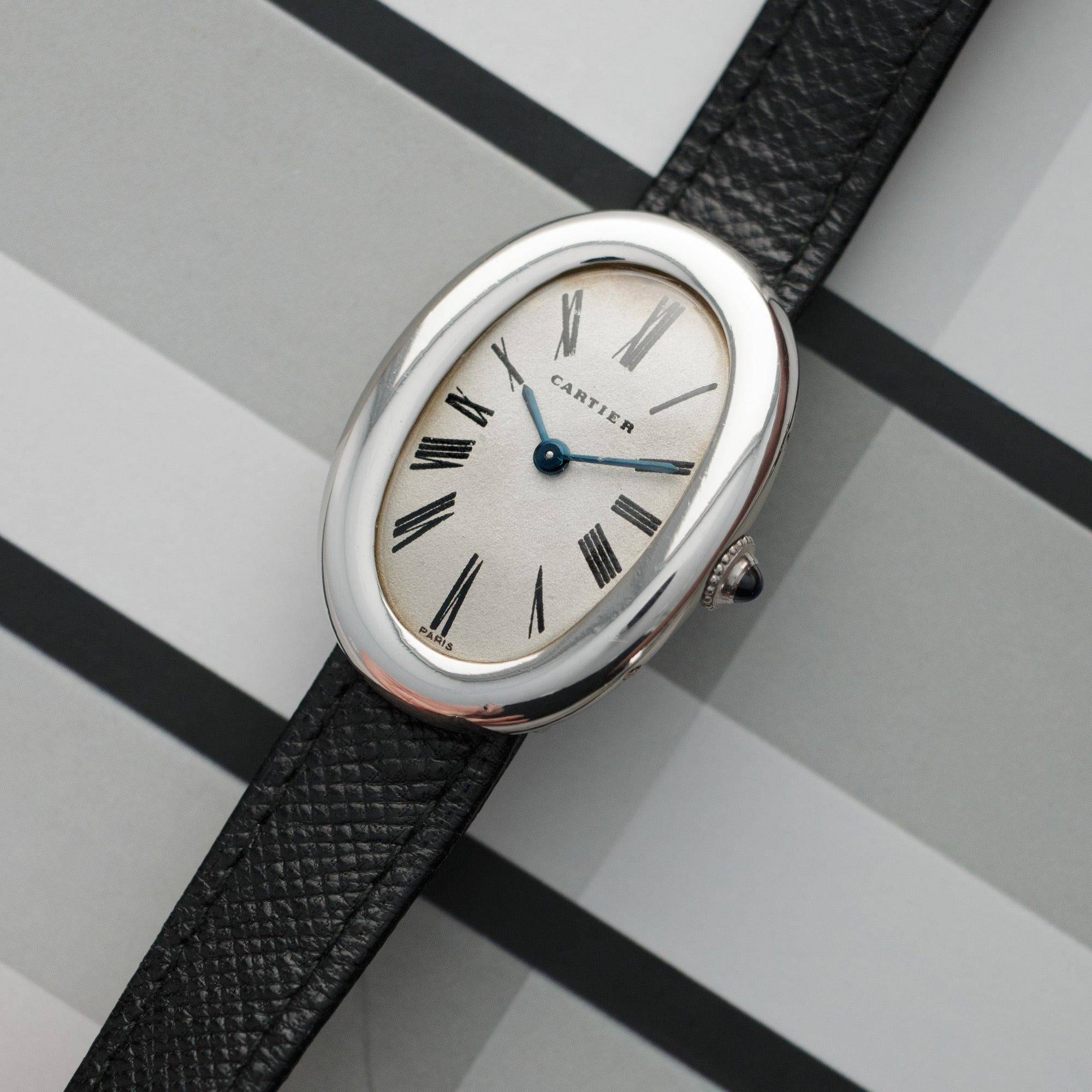
Cartier Baignoire watch, circa 1960 (Source: The Keystone Watches)
This category is also where you'll often find what are known as "shaped watches." These are models whose case is not round, but instead takes on a rectangular, oval, square, or asymmetric form. After all, who says an elegant watch has to be round?
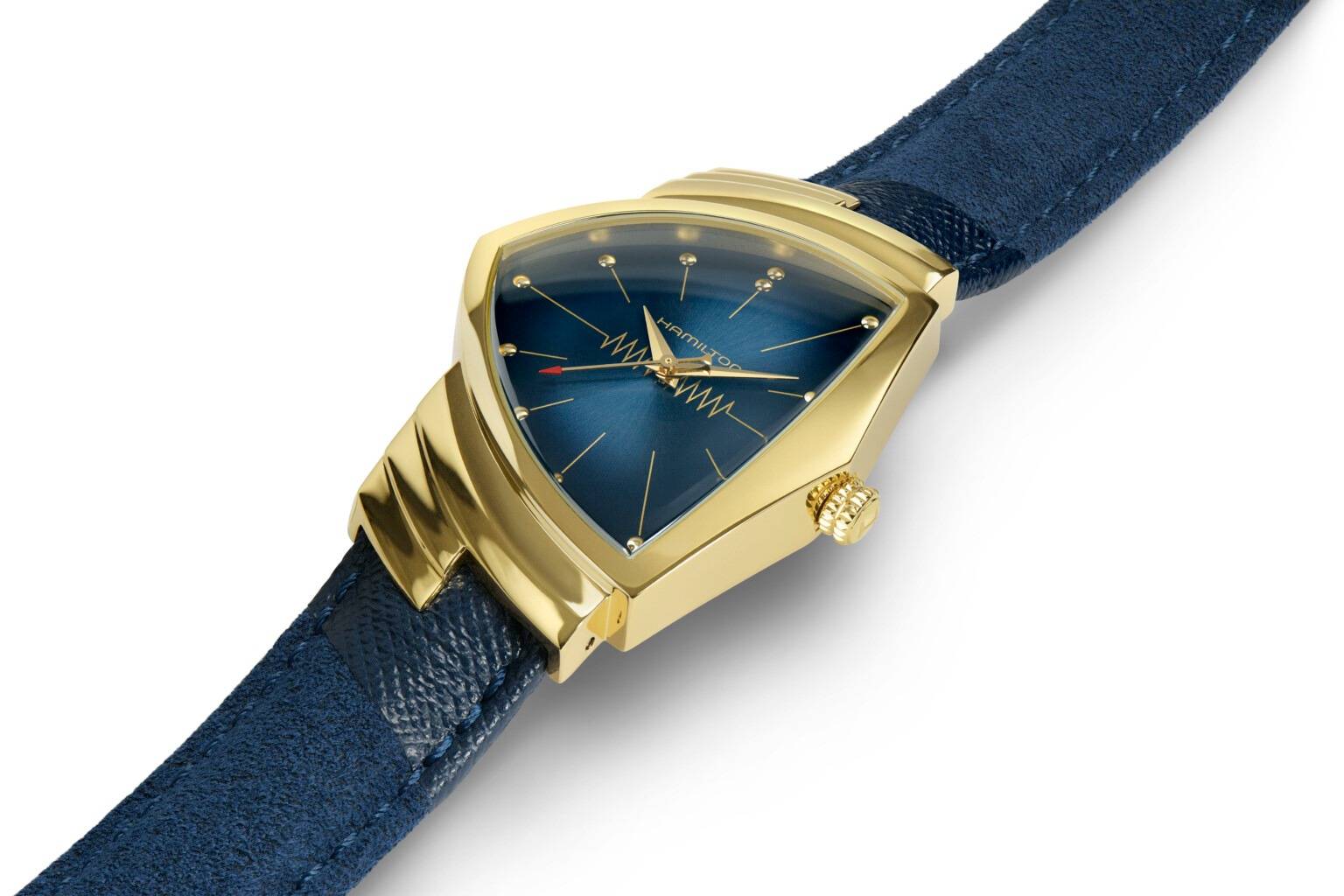
Hamilton Ventura with asymmetric case (Source: Mr Montre)
Don't be fooled into thinking dress watches always come with a hefty price tag. Today, you can find beautifully crafted models from Lip, Timex, Kelton, Tissot, and Herbelin. These pieces don't try to dazzle - they shine through their delicacy, refined finishing, and understated elegance, staying true to the codes of classic restraint.
That's no doubt why many people assume dress watches are only appropriate in formal settings. But that's actually a misconception. While refined and precise in their aesthetic, these models can be worn in a wide variety of situations and paired with casual outfits - think jeans and a simple t-shirt.
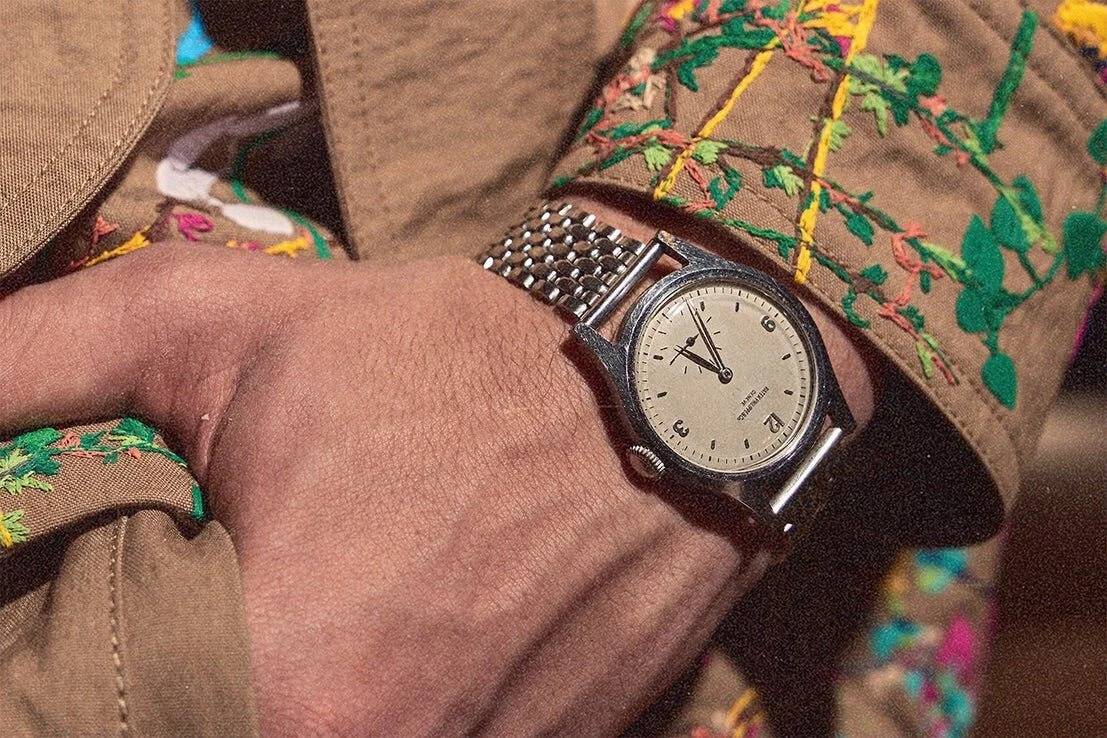
Vintage Patek Philippe Calatrava worn with a casual outfit (Source: Wind Vintage)
On the other hand, it's important to keep in mind that dress watches typically have limited water resistance - often rated around 30 meters. Submerging them for swimming or any water activity is therefore not recommended, as you risk damaging them.
When it comes to watch complications, dress watches pursue a clear objective: simplicity and refinement. The expression "less is more" suits them perfectly. They typically feature two or three hands, and complications are rare. A date function or chronograph can occasionally be found, but these are exceptions - they stray from the core philosophy of a dress watch, which is centered on elegance and simplicity.

The answer might surprise you in a world where casual increasingly trumps chic… but yes, a classic watch is more relevant today than ever.
When you think about it, versatile watches are easy to wear every day, while elegant watches bring a touch of sophistication to any outfit - as long as you're confident pairing them with casual clothing. And don't worry: even if it feels like a bold move, it absolutely works.
Pairing a dress watch with an ultra-casual outfit might seem like a fashion faux pas at first glance. But when worn with confidence, it actually demonstrates your ability to bridge two very different style worlds.
There's no age limit when it comes to wearing a classic watch. A young man, a mother, or a grandfather can all wear one with effortless elegance. Let's not forget that, for a very long time, classic watches were simply the standard for everyday timekeeping.
Now that you know all the nuances of so-called "classic" watches, all that's left is to sit with this final thought - one that, we hope, might just change the way you see these timepieces…
Share :
Official European Union notice on your rights in the event of a product's lack of conformity.