
0
Product added
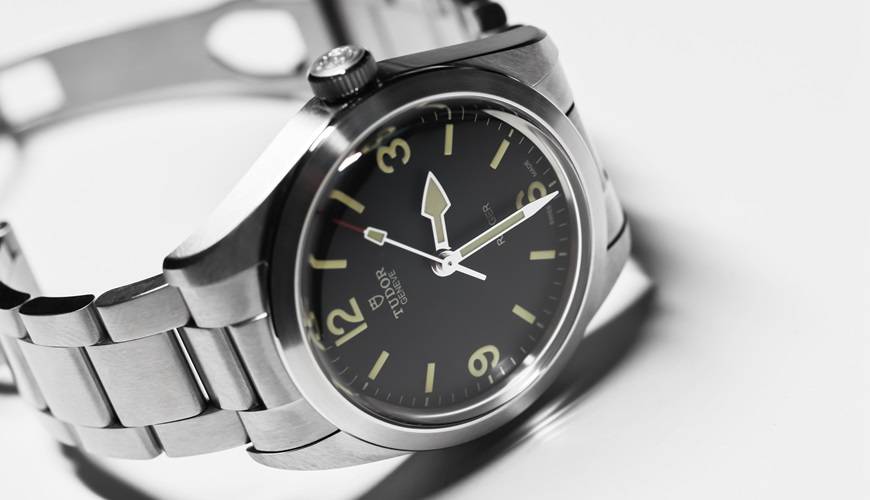
In watchmaking, hands are used to display the time on analog watches. A timepiece must have at least one hand to indicate the passage of time. Watches can therefore be fitted with one, two, three, or any number of hands!
While they classically display hours, minutes, and seconds, watch hands can also serve a purpose in various complications such as GMT, chronograph, and power reserve functions.
Beyond this purely technical aspect, watch hands also play a role in a timepiece's aesthetics. They must have a style that complements the hour markers so the watch can present a harmonious face. In fact, depending on their appearance, hands can even influence how we perceive time…
Through this guide, we invite you to discover, step by step, the most common hand styles, as well as some far rarer ones!
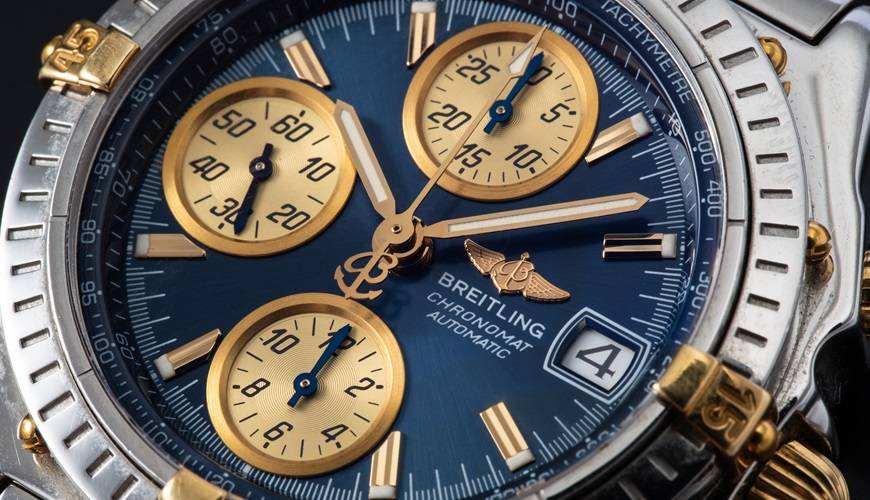
While there are countless hand styles out there, watch Maisons tend to reach for the same familiar designs time and again - regardless of price point. Let's take a tour through the most popular styles on the market today!
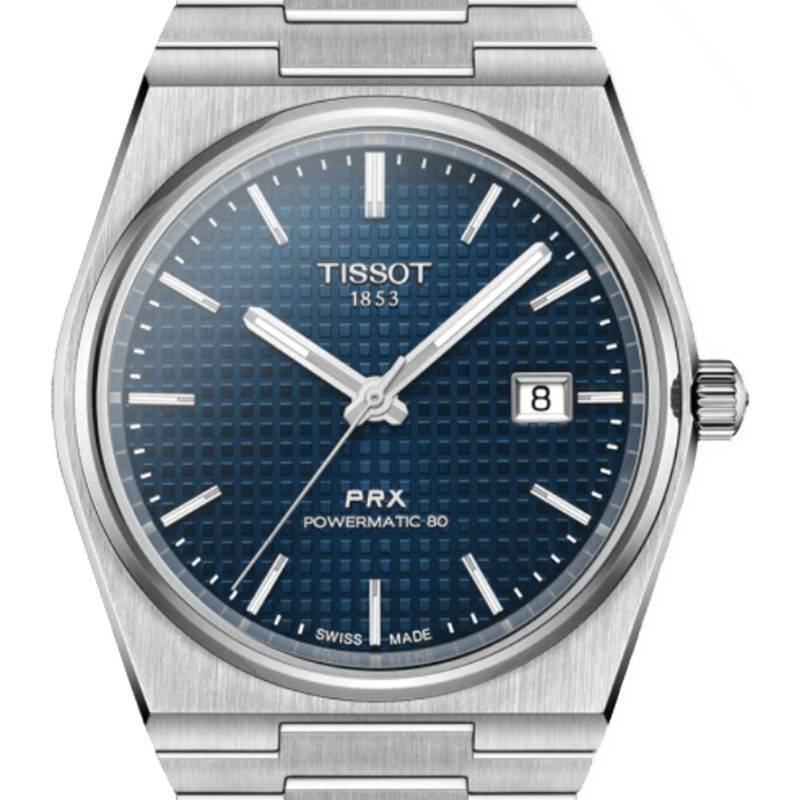
Simple, understated, and effective, Baton hands are everywhere in the watch world. They always take the form of a rectangular bar and can have a body that varies in thickness. The tip of Baton hands is generally square, but it can also be rounded for a slightly softer look, or pointed for a sharper, more refined style. Their versatility means you'll find them on everything from classic dress watches to sport-chic models!
Advantages of Baton Hands: their clean simplicity means they pair well with virtually any watch style. Baton hands know how to stay out of the way - they don't draw attention to themselves, letting the dial and case details take center stage.
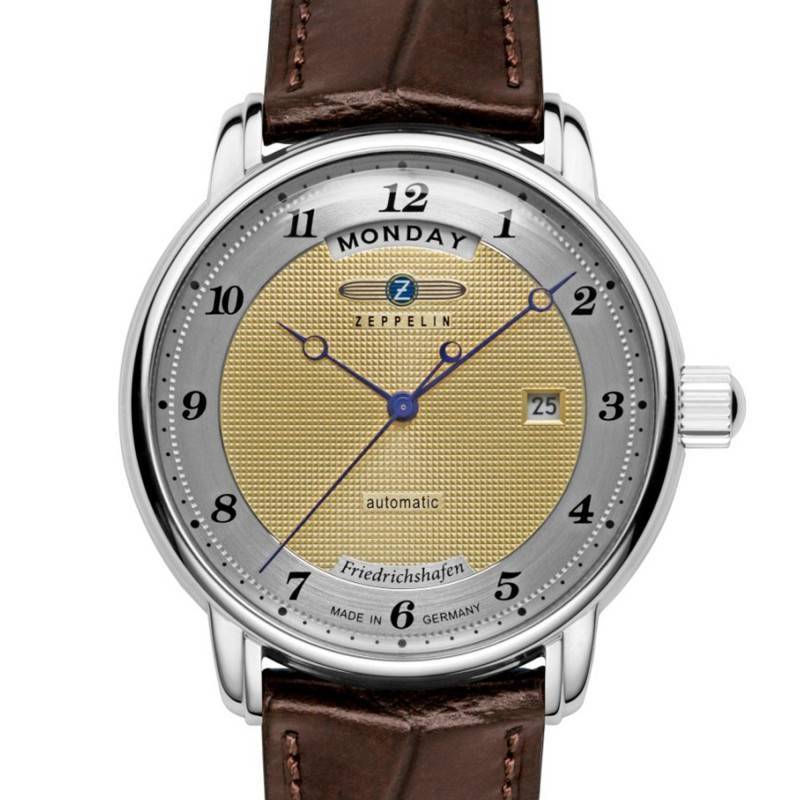
Also known as "Apple hands," Breguet hands take their name from the celebrated timepieces of Manufacture Breguet - the house most responsible for their popularity over the years. These hands are exquisitely delicate: they feature a slender body with a hollowed-out circular shape tapering to a fine tip. Almost always blued, Breguet hands rank among the most elegant hand styles ever created. It's no wonder they're found almost exclusively on dress watches!
Note: Breguet hands - also known as "Apple hands" - can today be found on timepieces from a wide range of brands, not just on creations signed by Breguet.
Advantages of Breguet Hands: elegant yet subtly distinctive, Breguet hands are the go-to choice for classic watches that want to stand out without trying too hard.
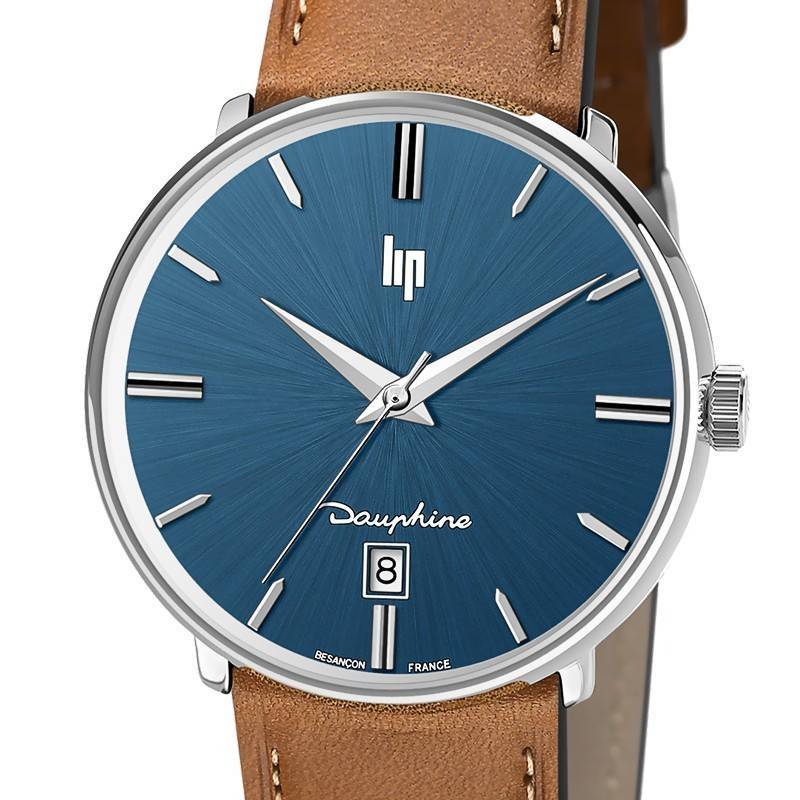
Dauphine hands are relatively wide at the base and taper gradually to their tip. They feature a faceted surface that catches the light beautifully and have a small, pointed counterweight beneath the base. Dauphine hands are thought to have first appeared in the 1930s and were especially popular between the 1940s and 1950s, a period when clean, elegant watches were at the height of fashion. Today, they remain widely used - particularly on refined dress watches, like the Lip Dauphine. And yes, you really can't make that up!
Note: the name of these hands is said not to come from the charming marine mammal. Instead, it is thought to derive from the world of the French royal court, in which the "Dauphin" was the title held by the eldest living son of the King of France - in other words, the heir apparent to the throne.
Advantages of Dauphine Hands: with their razor-sharp tips, they're easy to read and pair beautifully with the refined aesthetic of elegant watches.
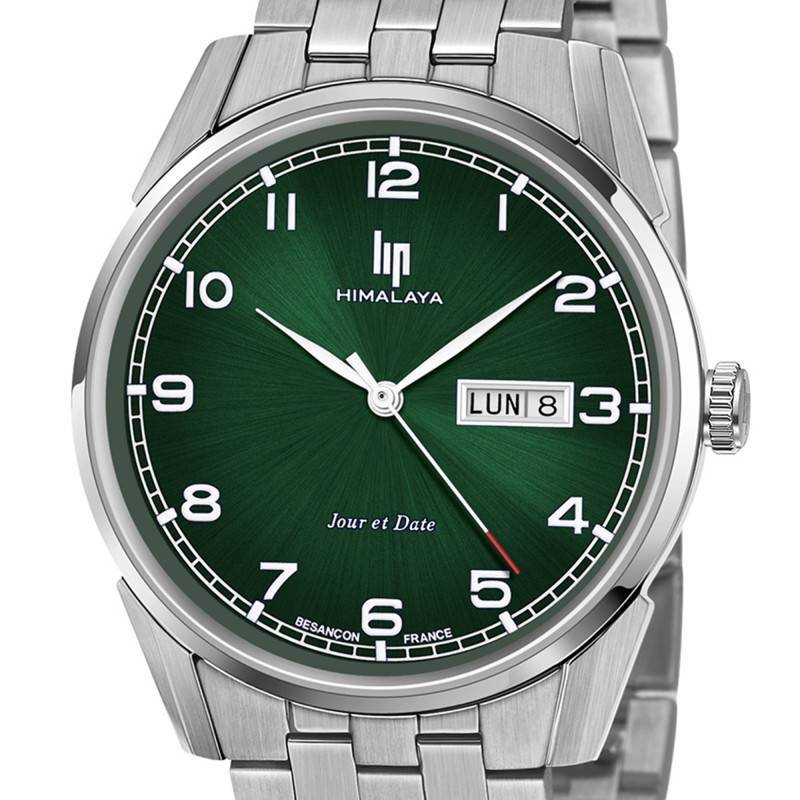
As you might easily imagine, Leaf hands have an organic shape. Generally quite long, they are convex at their center and carry a subtly elegant character. Once highly fashionable on dress watches, they were used by great watchmaking houses such as Omega, Universal Genève, and Juvenia. Today, they continue to grace modern timepieces that still bet on refinement above all else.
Advantages of Leaf Hands: thanks to their microscopic tip, Leaf hands are extraordinarily precise - they very often reach the minute track, allowing you to read the time with complete confidence.
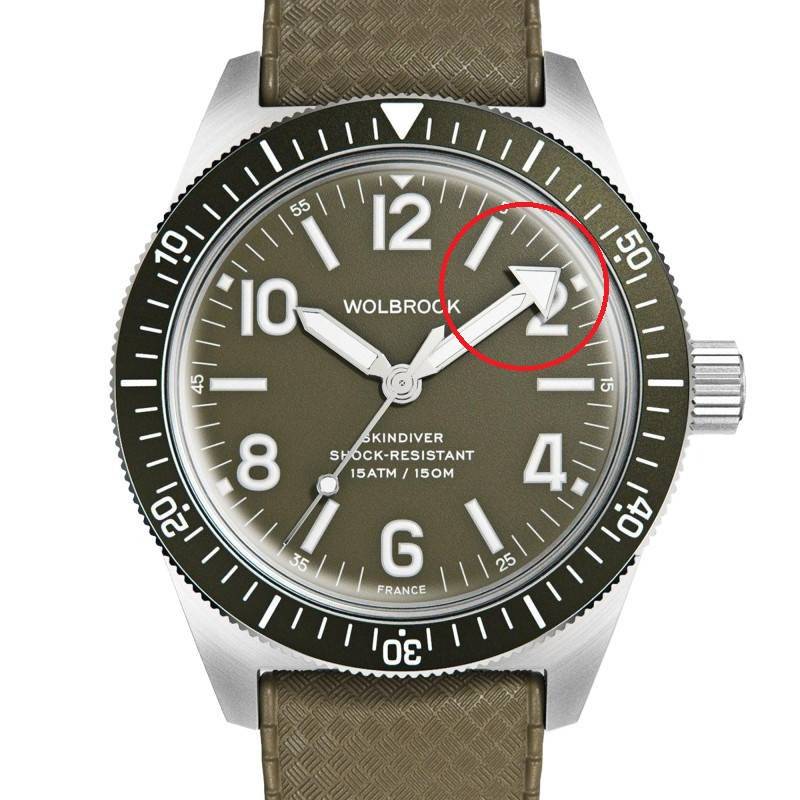
No trick here - Arrow hands are exactly what they sound like: shaped like an arrow. They are mostly made up of a thick bar tipped with a wide triangle. Long a staple of technical watches like dive watches, they're now making a comeback thanks to the neo-vintage watch trend!
Advantages of Arrow Hands: thanks to their bold size, Arrow hands remain legible in any condition. That's why they're so often found on skin diver-style dive watches.
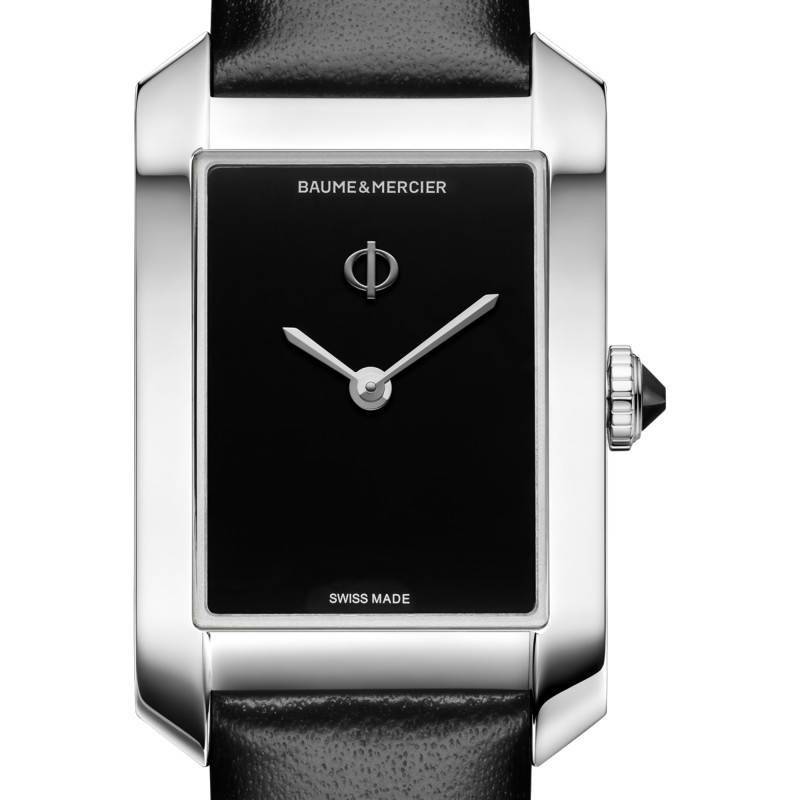
Timeless and refined, Sword hands draw their inspiration from the gladius, a short sword used as a combat weapon. They are relatively slim at the base and gradually widen before tapering to a point.
Sword hands are widely used on elegant watches, particularly rectangular ones. You only need to look at the iconic models from certain great watchmaking houses to see this in action. Both the Jaeger-LeCoultre Reverso and the Cartier Tank feature Sword hands in their design!
Advantages of Sword Hands: with their refined, delicate look, Sword hands are elegant and make telling the time effortless - especially on watches without indices.
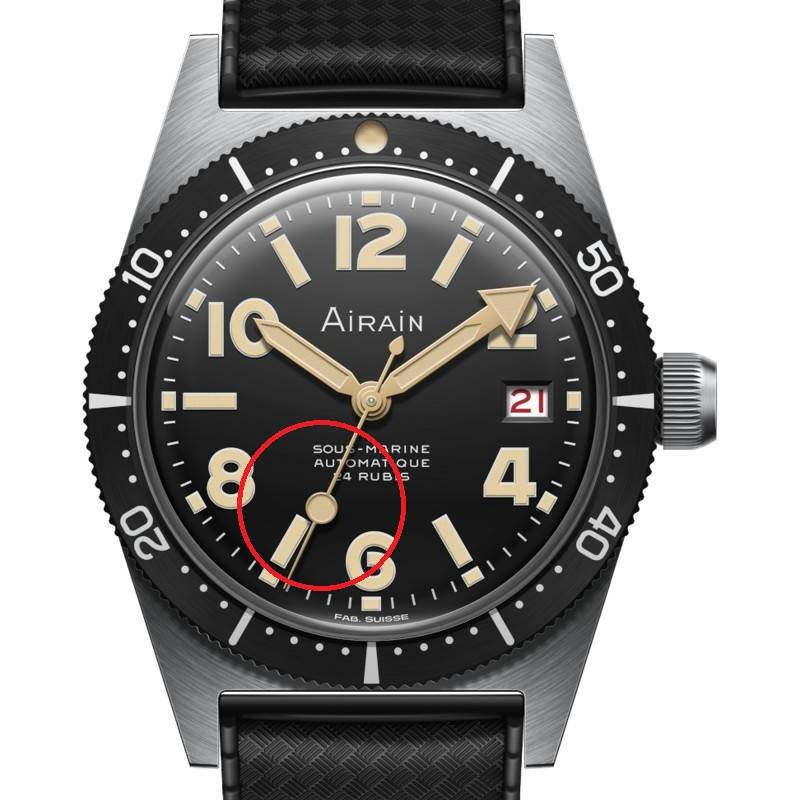
As their name suggests, Lollipop hands look just like… lollipops. They take the form of a long, thin stem tipped with a circle that is often luminescent. While this circular shape can sometimes serve as the tip itself, it is often extended by a very fine point to make reading the time easier.
Note: Lollipop hands are primarily used to display the seconds. So they mainly serve as seconds hands!
Advantages of Lollipop Hands: with their distinctive look, Lollipop hands stand out clearly from the hour and minute hands. On top of that, they bring a playful touch to any watch.
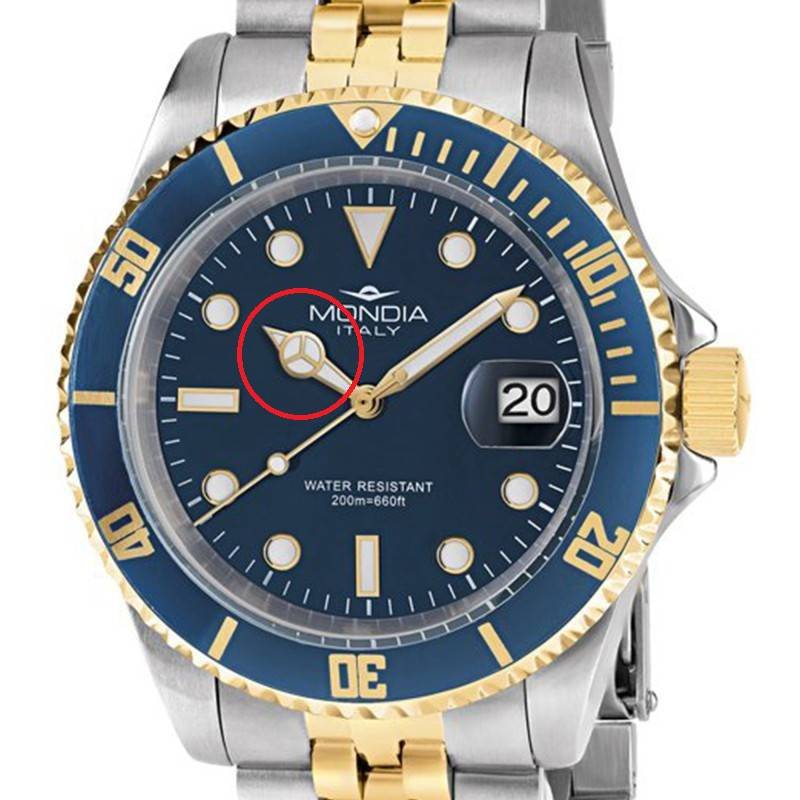
Popularized by professional Rolex watches - most notably the Rolex Submariner - these hands feature a three-part design. The section closest to the base takes the shape of a trapezoid that gradually widens into a circle, which is then finished with a pointed, beak-like tip. The "Mercedes" nickname comes from the fact that inside this circle sit three small bars whose arrangement appears to echo the logo of the famous German car brand.
Note: Mercedes hands are always used to display the hours, which is why they are relatively short.
Advantages of Mercedes Hands: they stay legible in any situation, making them ideal for anyone looking for a sport watch - especially a dive watch.
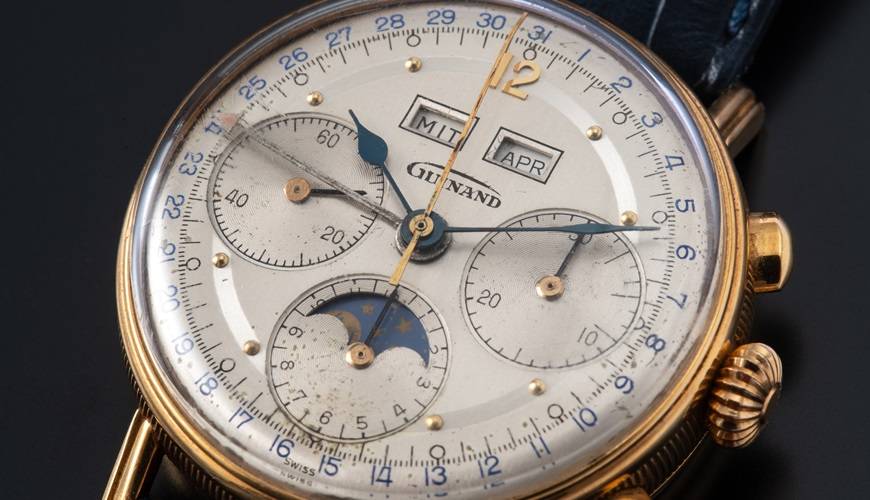
In the vast world of horology, you sometimes come across hands that are a little more unusual - or downright eccentric! Some of these styles are genuinely rare. While a few are still in use today, others can only be found on vintage watches. Let's explore them together.
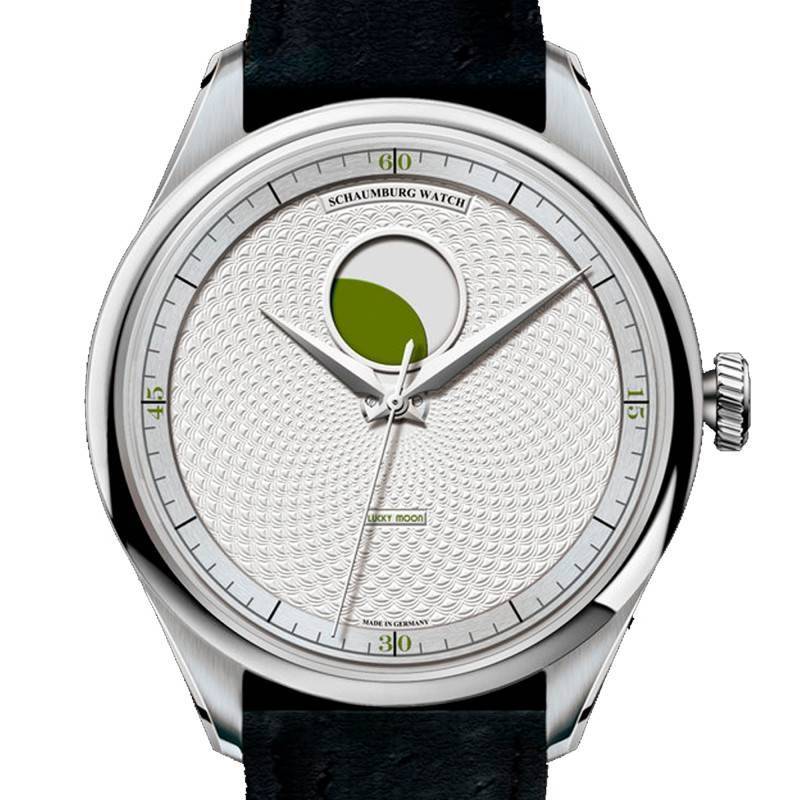
Alpha hands belong to the broader family of elegant watch hands. They are notably long and slender - in fact, they bear some resemblance to the Dauphine hands discussed further above. You'll notice that Alpha hands have a particularly fine and discreet base, and they can be faceted or not.
In the past, Alpha hands equipped the Omega Speedmaster "Pre-Moon" as well as several watches from the Crown, including certain variants of the Rolex Datejust 1601 and the Rolex Oyster Royal 6426. Today, these hands are often found on the prestigious timepieces of the German Maison A. Lange & Söhne.
Advantages of Alpha Hands: with their elongated body and extremely sharp tip, Alpha hands often reach all the way to the minute track. They manage to be both discreet and elegant, offering a precise and effortless time read.
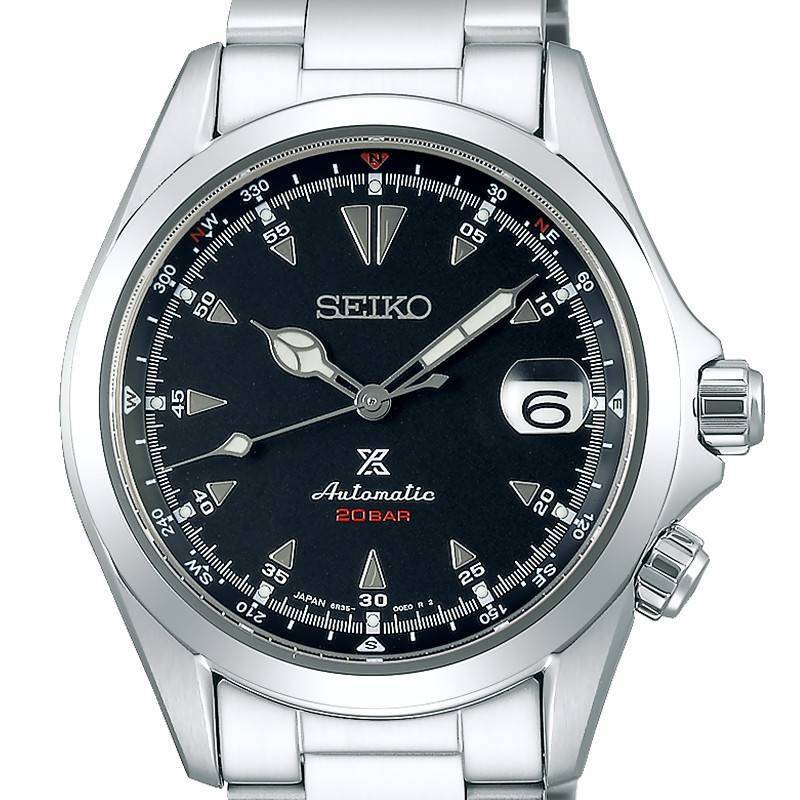
Cathedral hands get their name from the stunning stained-glass windows traditionally found in churches. Always filled with luminescent material, they feature a highly crafted style that's instantly recognizable. Notice how the hour hand has a domed profile while the minute hand displays a more angular style.
Note: even though Cathedral hands are generally quite thick, they always end in a very fine tip - similar to a sewing needle.
Advantages of Cathedral Hands: this distinctive style is perfect for anyone who wants a technical watch that's just as easy to read at night as it is during the day.
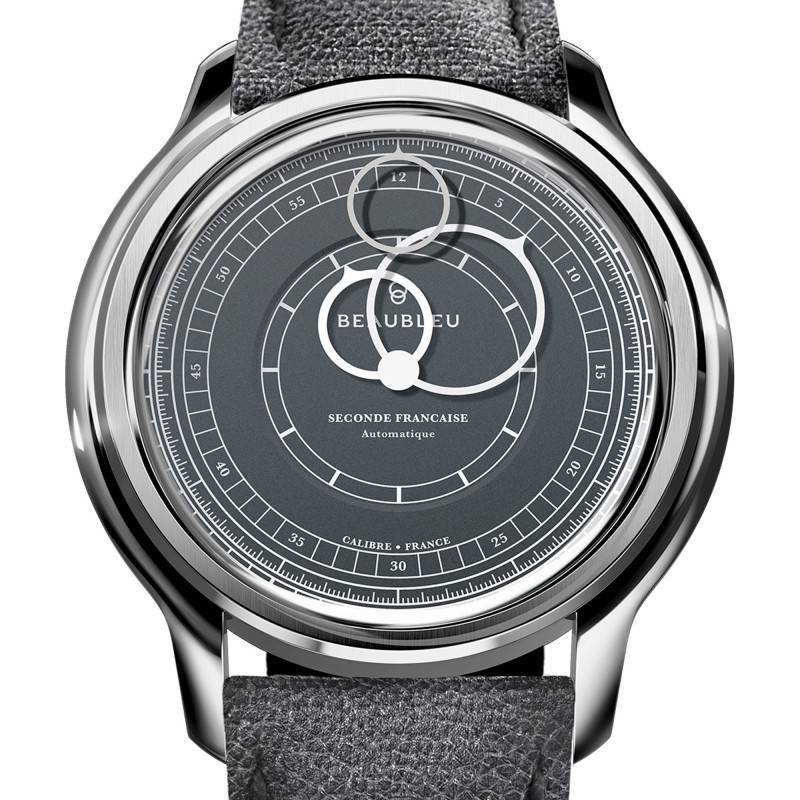
Yes, you read that right - Circular hands are very much a real thing! Perfectly round in shape, they can be openworked like a hoop, or completely solid like a frisbee. Either way, they always feature a tip that lets you read the hours, minutes, and sometimes even the seconds. Circular hands are exceptionally rare, but they can be found on French watches from the brand Beaubleu as well as on the Soviet Raketa Copernicus watches.
Advantages of Circular Hands: as you might imagine, these hands are genuine curiosities that instantly give any watch they're mounted on a design-forward edge.
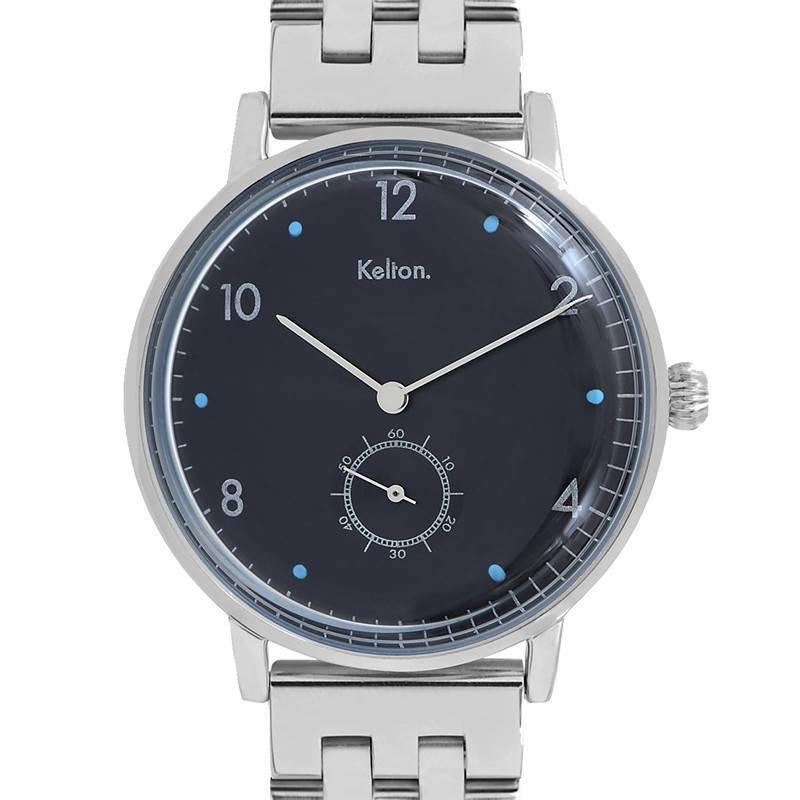
Highly minimalist, Fil hands resemble sewing threads. Because they are so fine, watchmakers often choose to blue them, or paint them black or white, so they stand out against the dial.
Thanks to their extreme slenderness, Fil hands are a perfect match for Bauhaus-style watches. It's no coincidence that they're often found on creations from the German manufacture Nomos Glashütte.
Advantages of Fil Hands: their understated minimalism wins over anyone with an eye for simplicity.
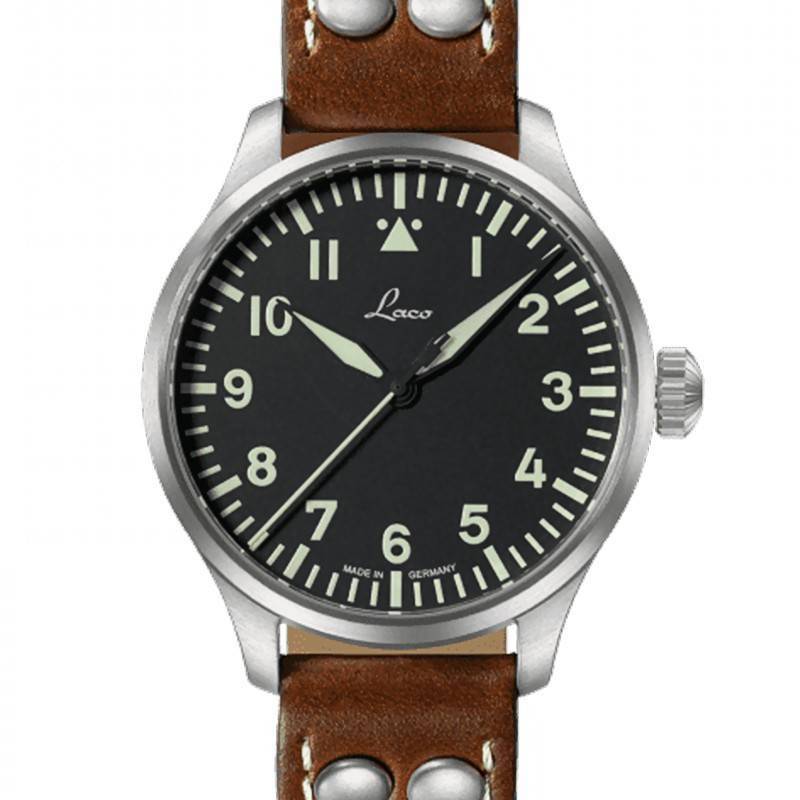
Flieger hands are the hallmark of pilot's watches! They take the form of an elongated diamond and are almost always filled with luminescent material, ensuring excellent legibility for pilots even on night flights.
Note: the Flieger hand style is directly inspired by the hands found on the cockpit instruments of vintage aircraft.
Advantages of Flieger Hands: with their retro, military-inspired aesthetic, they're a hit with enthusiasts who love historically significant watches with real character.
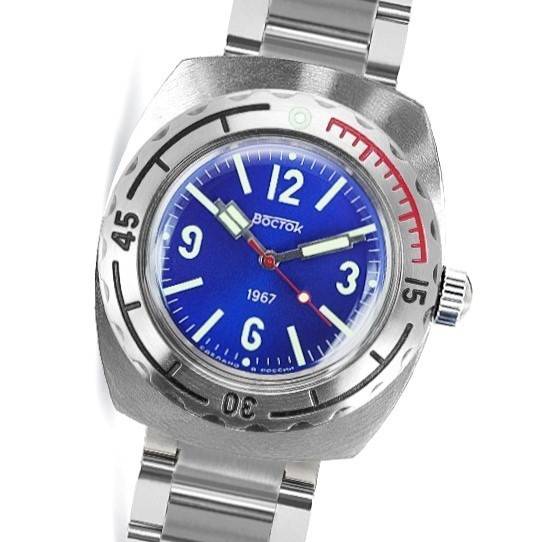
Paddle Hands, Vostok Amphibia 1967 Watch (Source: Vostok-Watches24)
Paddle hands feature a rectangular body and a pointed tip. They bear some resemblance to Syringe hands, but with rounded sections replaced by right angles. Note how in the Paddle style, the hour hand is divided by a central line, while the minute hand has a more straightforward design.
Note: Paddle hands are often found on vintage Soviet watches such as the Sekonda Strella, as well as on Russian watches like certain Vostok Amphibia models.
Advantages of Paddle Hands: they're legible, distinctive, and carry a wonderfully vintage feel.
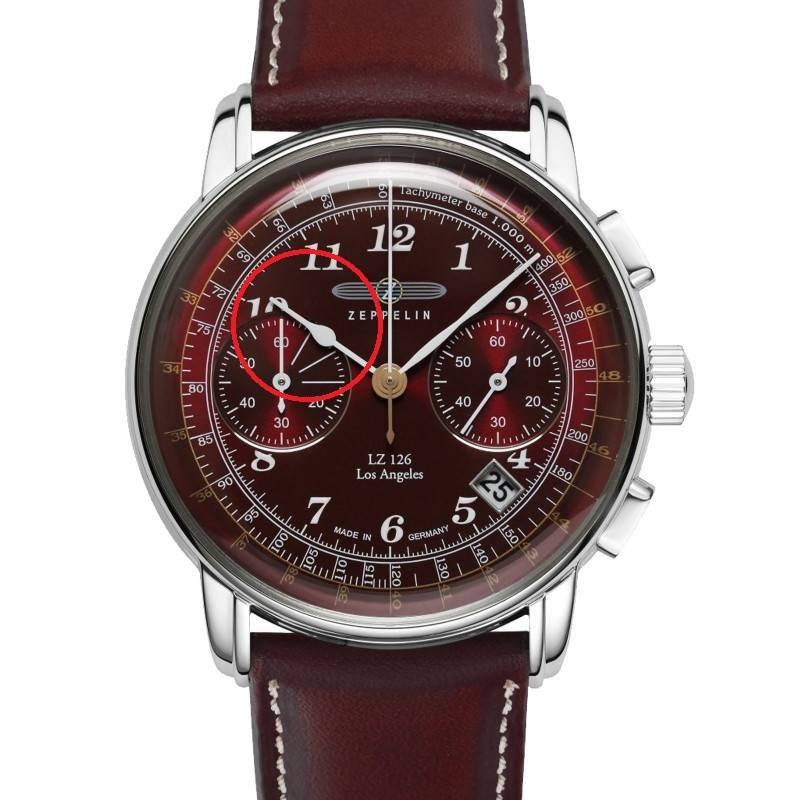
Poire hands bear some resemblance to Breguet hands, though with a few key differences. Often used for the hour display, they feature a solid pear shape with a very fine, relatively long tip. To create contrast with the dial, Poire hands are often finished in black or white paint.
Advantages of Poire Hands: they carry an antique charm that evokes pocket watches and mantel clocks of yesteryear.
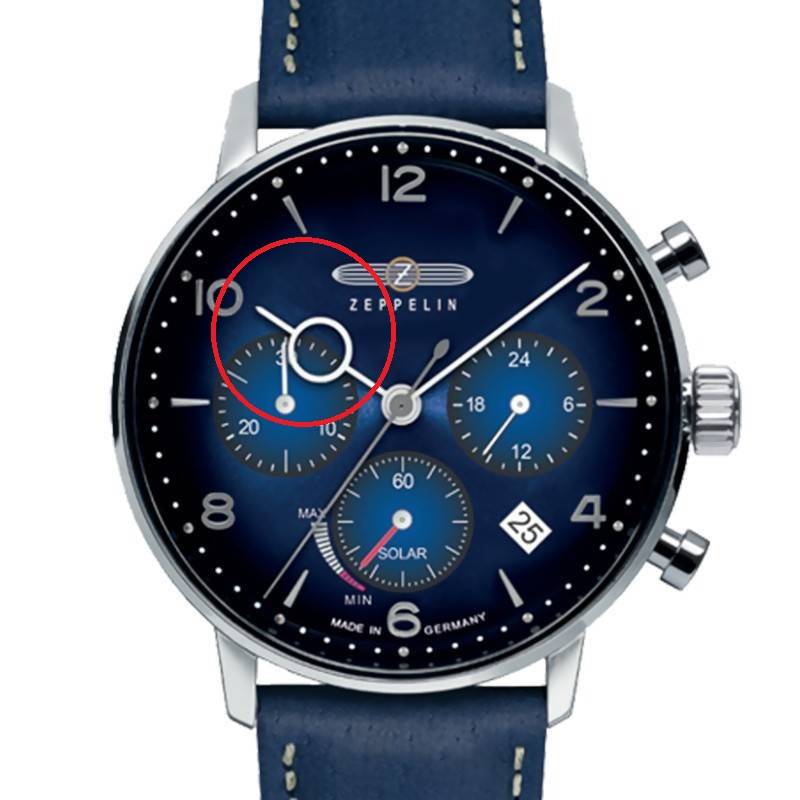
Primarily used for the hour display, Pontifice hands resemble Fil hands that have been intersected by a circle - a hollowed-out circle with fine contours. Relatively rare, this hand style has enjoyed a renewed popularity with the launch of the Rolex 1908 collection.
Note: when a watch uses a Pontifice hand for the hours, it often pairs it with a Fil hand for the minutes.
Advantages of Pontifice Hands: they offer a truly unique take on watch hands - gently extravagant in the best possible way.
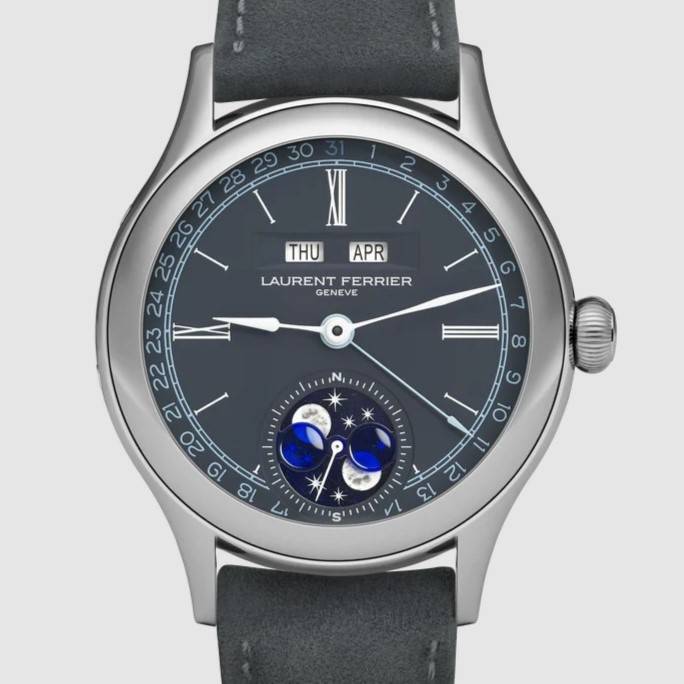
Sagaie Hands, Laurent Ferrier Classic Moon Blue Watch (Source: Laurent Ferrier)
Extremely rare in the watchmaking world, Sagaie hands have a very soft, flowing shape. As their name suggests, they draw inspiration from the throwing spear once used as a weapon. Their body is slender, and their tip resembles a greatly elongated arrowhead with a softened base.
Note: the prestigious manufacture Laurent Ferrier is today among the rare watchmakers still using Sagaie hands.
Advantages of Sagaie Hands: slender and understated, Sagaie hands make their mark above all through their smooth, flowing silhouette.
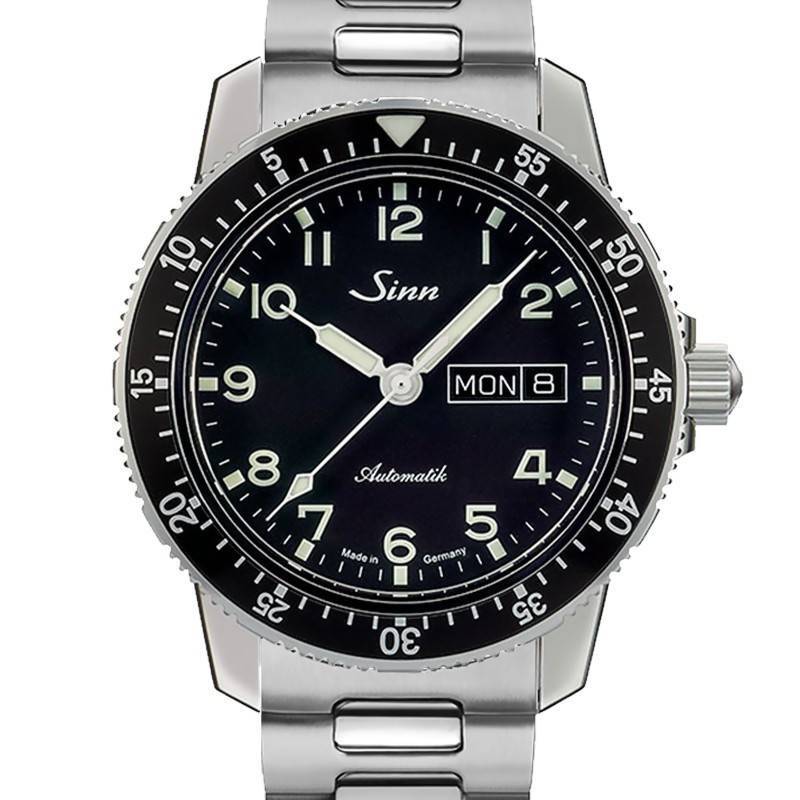
Syringe hands resemble that sharp medical instrument that frightens young and old alike! Often found on military watches, they feature a wide body - usually filled with luminescent material - tapering to a fine tip, much like an actual syringe needle.
Advantages of Syringe Hands: their luminous body makes them easy to spot in low light, while their sharp tip ensures precise timekeeping in daylight.
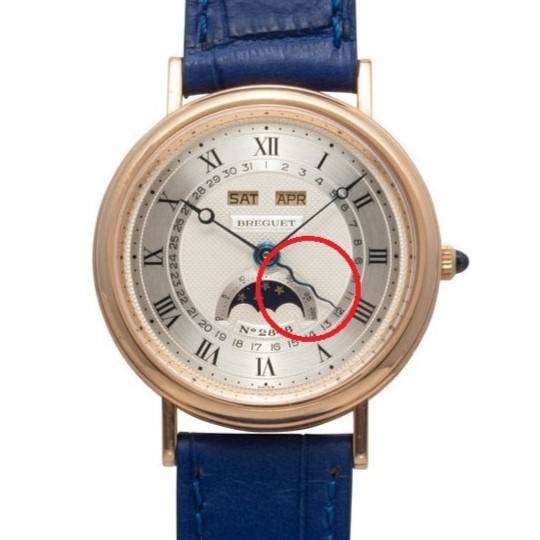
Serpentine Hands, Breguet 3040 Watch (Source: Analog:Shift)
Serpentine hands look like a small snake in motion. They are very fine and can display more or less pronounced undulations. This hand style often accompanies watches fitted with an alarm complication or a wake-up function. Indeed, the oscillations they feature help recreate the visual sensation of the "Bzzzz" of a vibration. Serpentine hands also sometimes appear on watches with a "Pointer Date" complication, where the date is indicated by an independent hand that travels around the dial.
Advantages of Serpentine Hands: singular and elegant, Serpentine hands are immediately noticeable while still managing to feel remarkably understated.
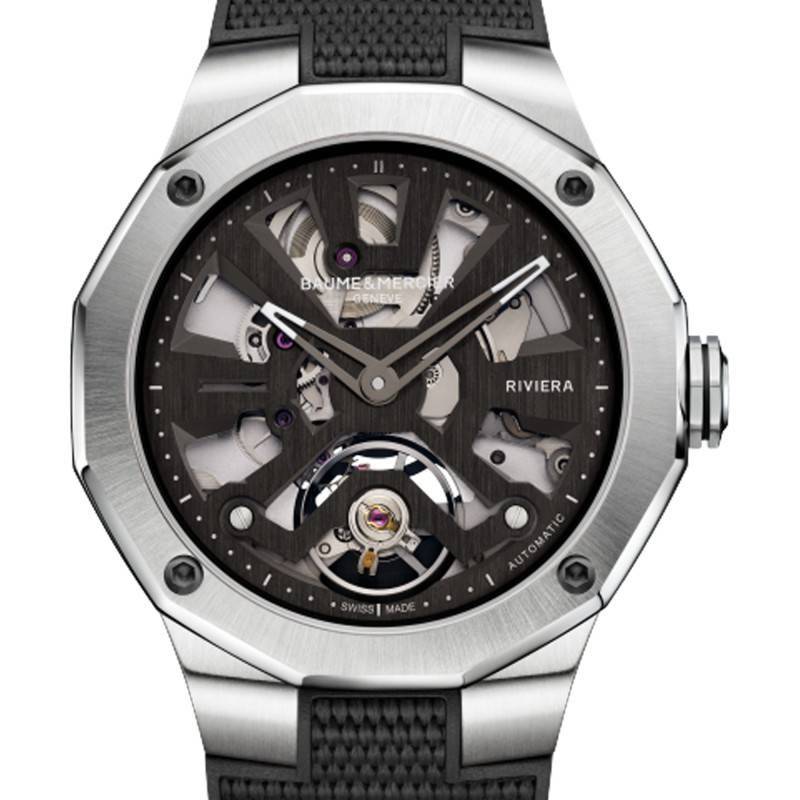
"Skeleton" hands refer to hands that are completely openworked. These hands can take on a huge variety of styles - pointed or rounded, narrow or wide, and much more. Modern and eye-catching, Skeleton hands are often found on skeleton watches, meaning timepieces fitted with an openworked dial through which parts of the movement are visible!
Advantages of Skeleton Hands: they give any watch a modern, design-forward edge that's guaranteed to turn heads.
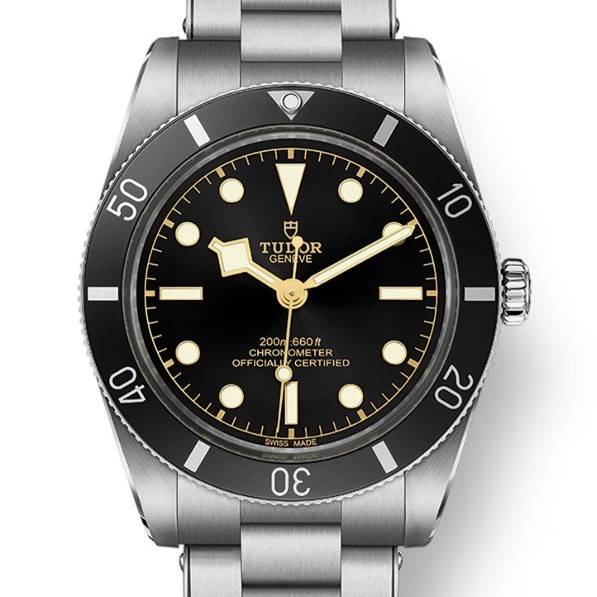
Snowflake Hands, Tudor Black Bay 54 Watch (Source: Tudor)
A true Tudor signature, the so-called "Snowflake" hands resemble an angular snowflake. Their origins trace back to the late 1960s, when they were first used on the Tudor Submariner 7016 (no-date model) and the Tudor Submariner 7021 (date model). Snowflake hands are broadly wide and always filled with luminescent material - making them highly legible!
Advantages of Snowflake Hands: true icons, they're instantly recognizable and beloved by enthusiasts who want a touch of originality.
Now you know the essentials of watch hands - but keep in mind there's a whole world of more whimsical styles out there, each more inventive than the last. Some are no longer used today, while others can still be spotted on a small handful of modern watches. We could have told you about the antique Buildings hands, or the colorful designs created by the virtuoso Alain Silberstein.
Watch hands can be crafted from a wide range of materials, including stainless steel and solid gold. They can also be finished in a variety of ways - which is why you'll find hands with polished, brushed, blued, frosted, and many other surface treatments.
Keep in mind: the finer the tip of a hand, the greater the sense of precision it conveys. Conversely, a hand with a broad tip - more sporty and laid-back in style - will give you a distinctive but more casual reading experience day to day.
As you can see, watch hands are truly a world unto themselves!
Share :
Official European Union notice on your rights in the event of a product's lack of conformity.


