
0
Product added
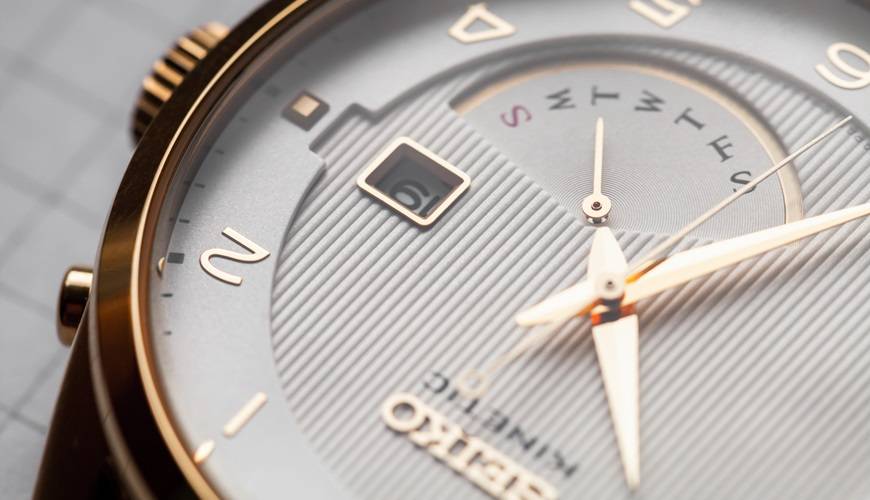
Ah, hybrid watches! This might be a topic that feels a little fuzzy to you, even if you're a true watch enthusiast. To be fair, it's a subject that rarely comes up in conversation…
Hybrid watches are often misunderstood and sometimes divisive. To help you make sense of them and spark the debate next time, we've put together a straightforward yet surprisingly comprehensive watchmaker's guide.
Don't waste a second, step into the enigmatic world of hybrid watches!
Let's start at the very beginning: hybrid watches share several similarities with quartz watches… So it probably won't surprise you to learn that it was a famous Japanese house (whose name starts with an "S") that pioneered the hybridization of watches.
After playing a leading role in the development and commercialization of quartz watches, Seiko once again chose to look ahead - channeling its research into a new technology. As a reminder, the very first Seiko quartz watch, simply named "35SQ," was released on Christmas Day 1969.
In the early 1980s, as quartz watches were beginning to seriously challenge traditional mechanical timepieces, Seiko surprised the world by unveiling a watch with an even more advanced technology. It was 1982, and a prototype of the "Spring Drive" watch was revealed to the public.
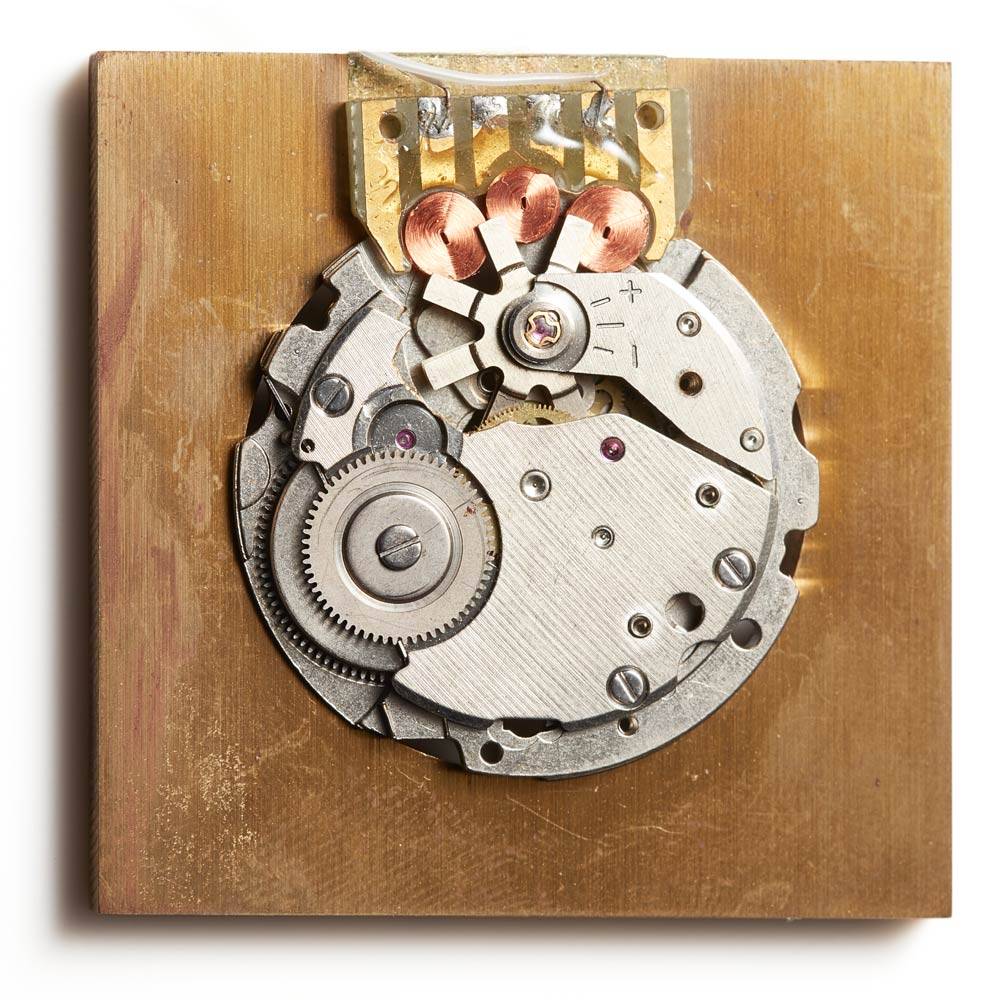
First Prototype Seiko Spring Drive Movement, 1982 (Source: Grand Seiko GS9 Club)
For the record, the patent for this technology had been filed by the Japanese firm four years earlier, in 1978. But the Japanese watchmaker - now a household name - still had more cards up its sleeve.
A year later, in 1983, Seiko introduced a chronograph watch powered by yet another distinct movement - a mechanism known as "Meca-Quartz." Its name, a contraction of "Mechanical" and "Quartz," makes it immediately clear to everyone that this is nothing other than a hybrid-type movement.
Online, you'll come across several spellings: "Méca-Quartz," "Meca-Quartz," "Méca Quartz," "Meca Quartz," "Mécaquartz," or "Mecaquartz." Don't worry - they all refer to the same thing!
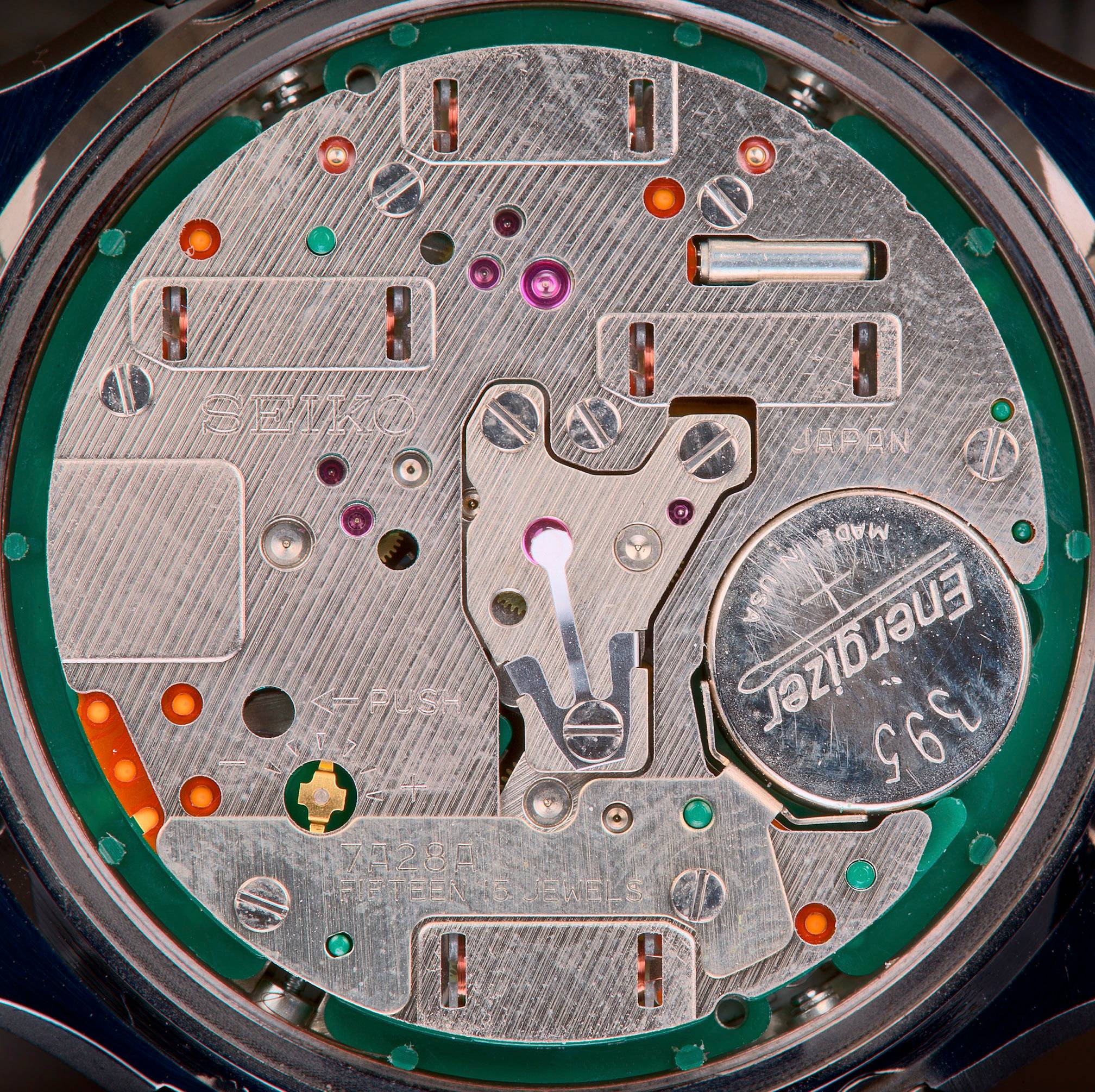
Seiko-7A28M Meca-Quartz Movement (Source: SteveG's Watch Launchpad - Ninanet)
Wondering what this historic caliber is called? It comes down to one letter and three digits: the Seiko 7A28. With its 15 jewels, this movement was designed to deliver a user experience close to that of classic mechanical models - with the added precision of quartz. In short, it took the best of both worlds.
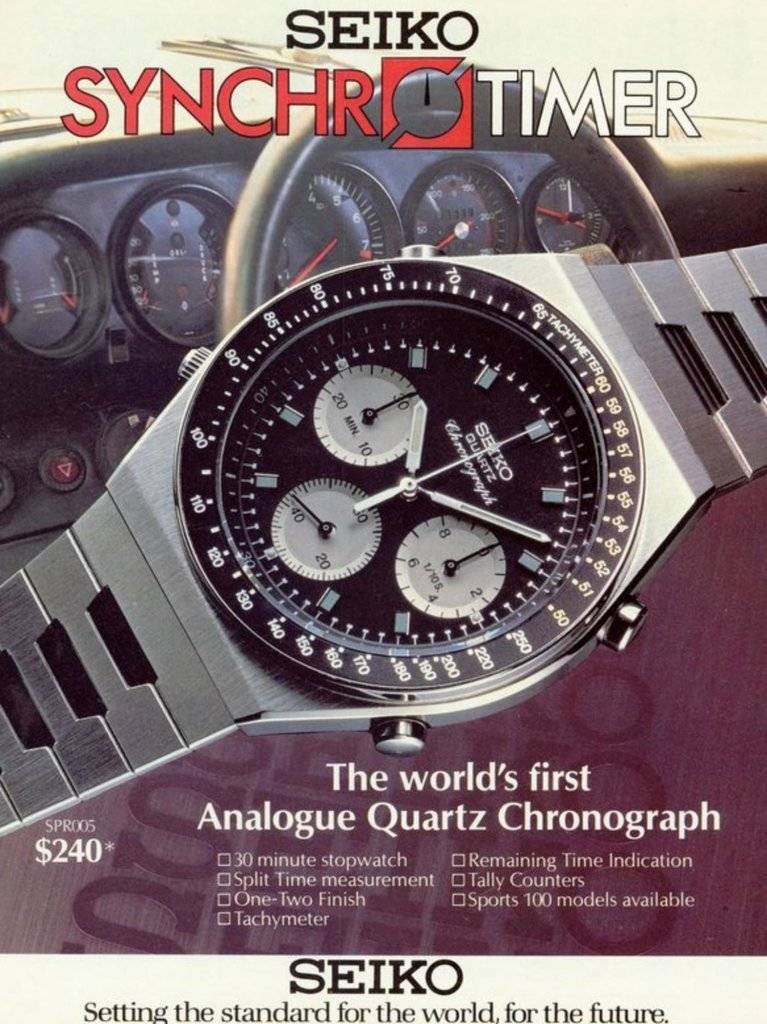
Seiko SPR005 7A28-703B Advertisement (Source: myWatchMart)
The Seiko SPR005 7A28-703B was the world's first meca-quartz chronograph! And despite housing a movement that was revolutionary for its time, it was priced at $240 - roughly the equivalent of 750,00 € in today's money, which was quite reasonable given its avant-garde design and build quality.
Also worth noting: the dial of this Seiko model featured a sub-register at 3 o'clock for measuring time intervals to the nearest 1/10th of a second. Precision was definitely part of the package!
Several Seiko watches were equipped with the caliber 7A28, and all of them achieved real success thanks to their many strengths.
Even the British Ministry of Defence (MOD, Ministry of Defence) reached out to Seiko to place an order for several models, with the goal of equipping Royal Air Force personnel. This is how Meca-Quartz Seiko chronographs designed for military use came to exist. Remarkable, isn't it?
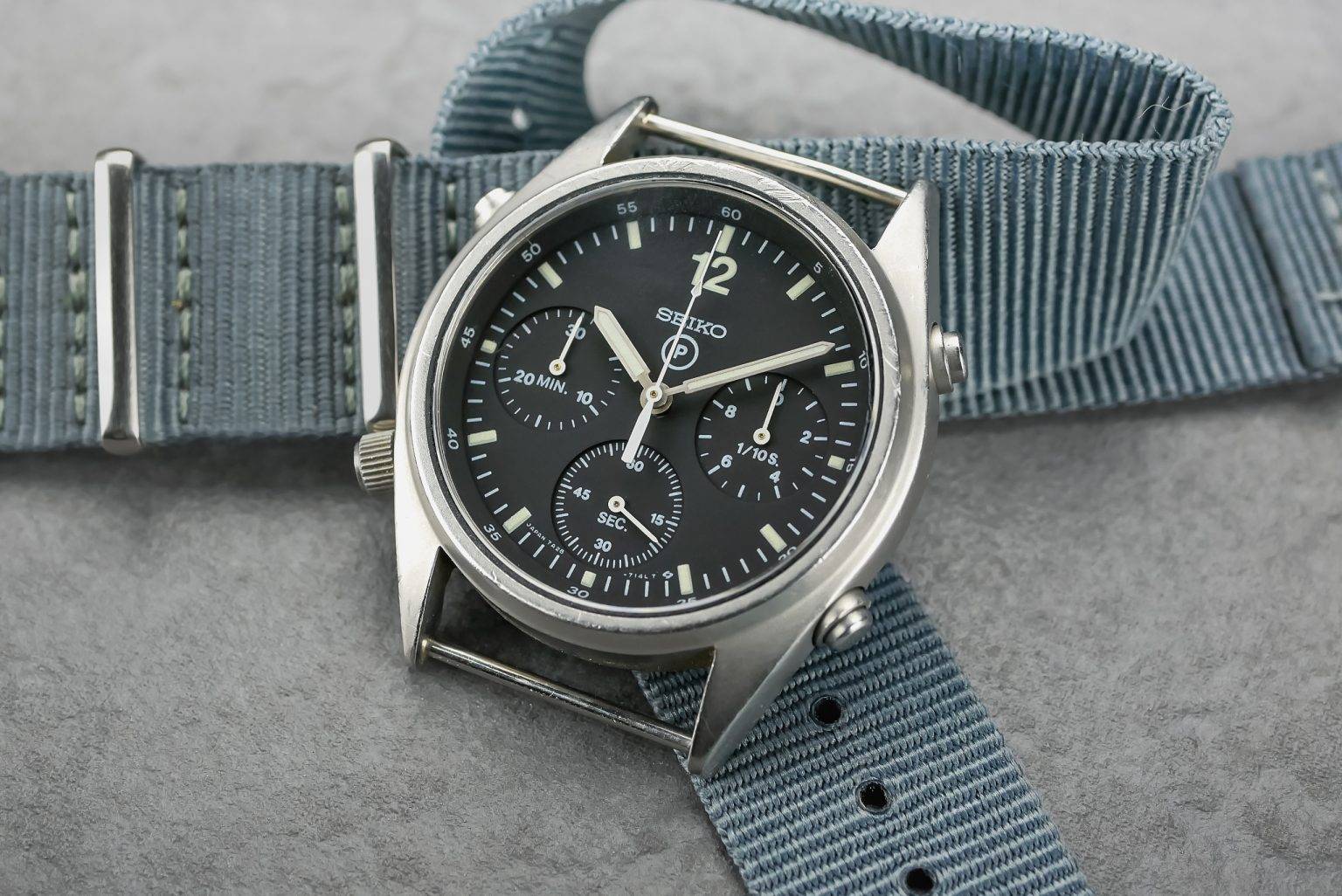
Seiko 7A28-7120 military watch (Source: Hairspring)
The first generation of this watch, nicknamed "Gen 1," carried the Seiko reference 7A28-7120. All 11,307 units were issued to the British Royal Air Force over a period of 6 years, from October 1984 to November 1990 to be exact. A so-called "Gen 2" version also existed, but it was of inferior quality.
Seiko chronographs powered by the 7A28 wouldn't only be seen on the wrists of the general public and military personnel… Some models even made their way onto the big screen!
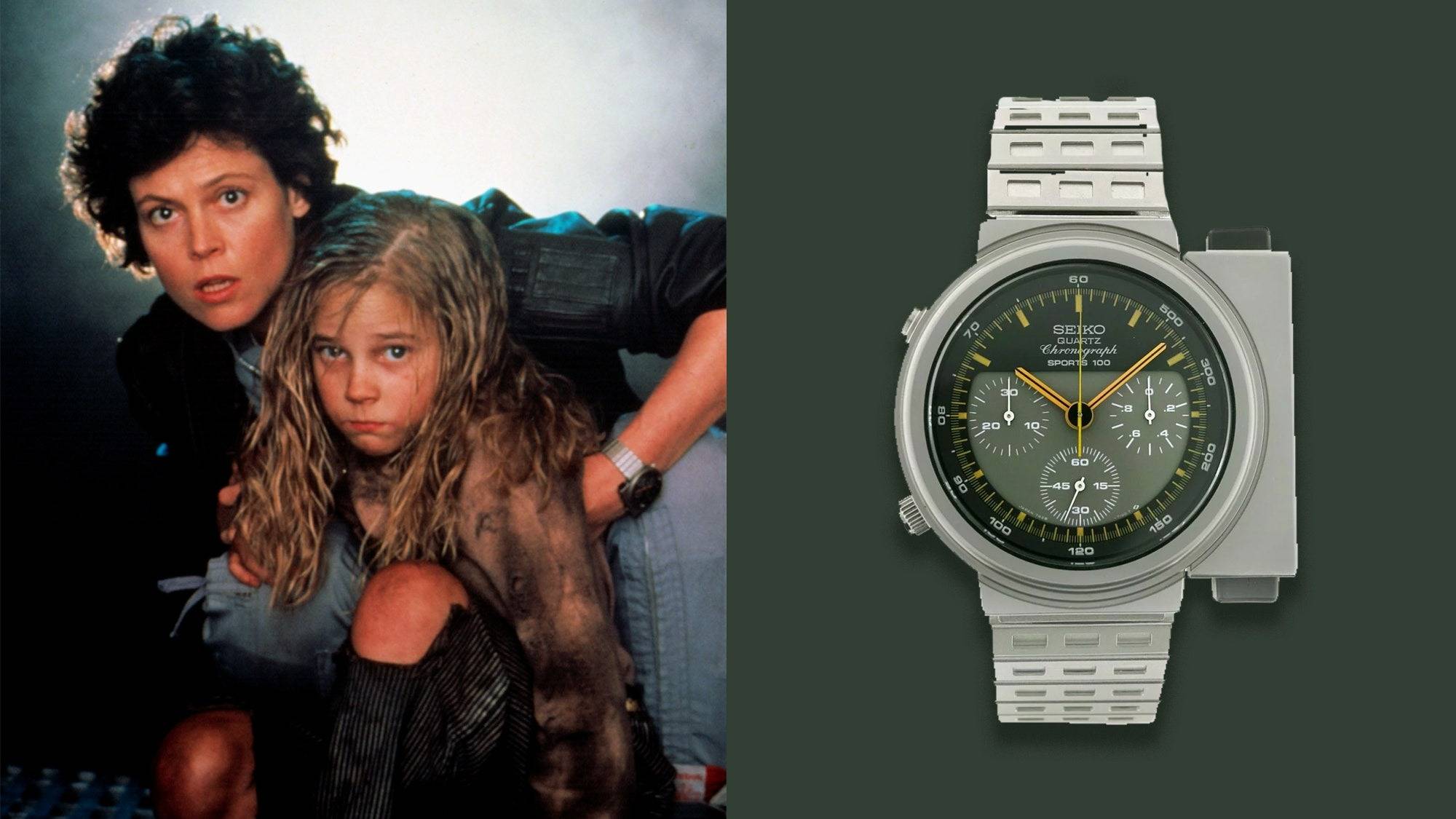
Seiko Giugiaro 7A28-6000, Ridley Scott's Aliens (Source: GQ)
One such model was the reference 7A28-6000, an asymmetrical, sci-fi-styled watch born from the imagination of Italian automotive designer Giorgetto Giugiaro. It famously appeared on Ripley's wrist multiple times in Ridley Scott's Aliens.

Seiko 7A28-7020, A View to a Kill (Source: James Bond lifestyle)
In 1985, the reference 7A28-7020 was even worn by Roger Moore in James Bond "A View to a Kill."
In 1984, the Japanese watchmaker even released a variant of this caliber: the Seiko 7A38. In addition to its chronograph function, this other version - featuring 17 jewels - incorporated a day-date complication. Incredibly practical for anyone wearing the same watch every single day!
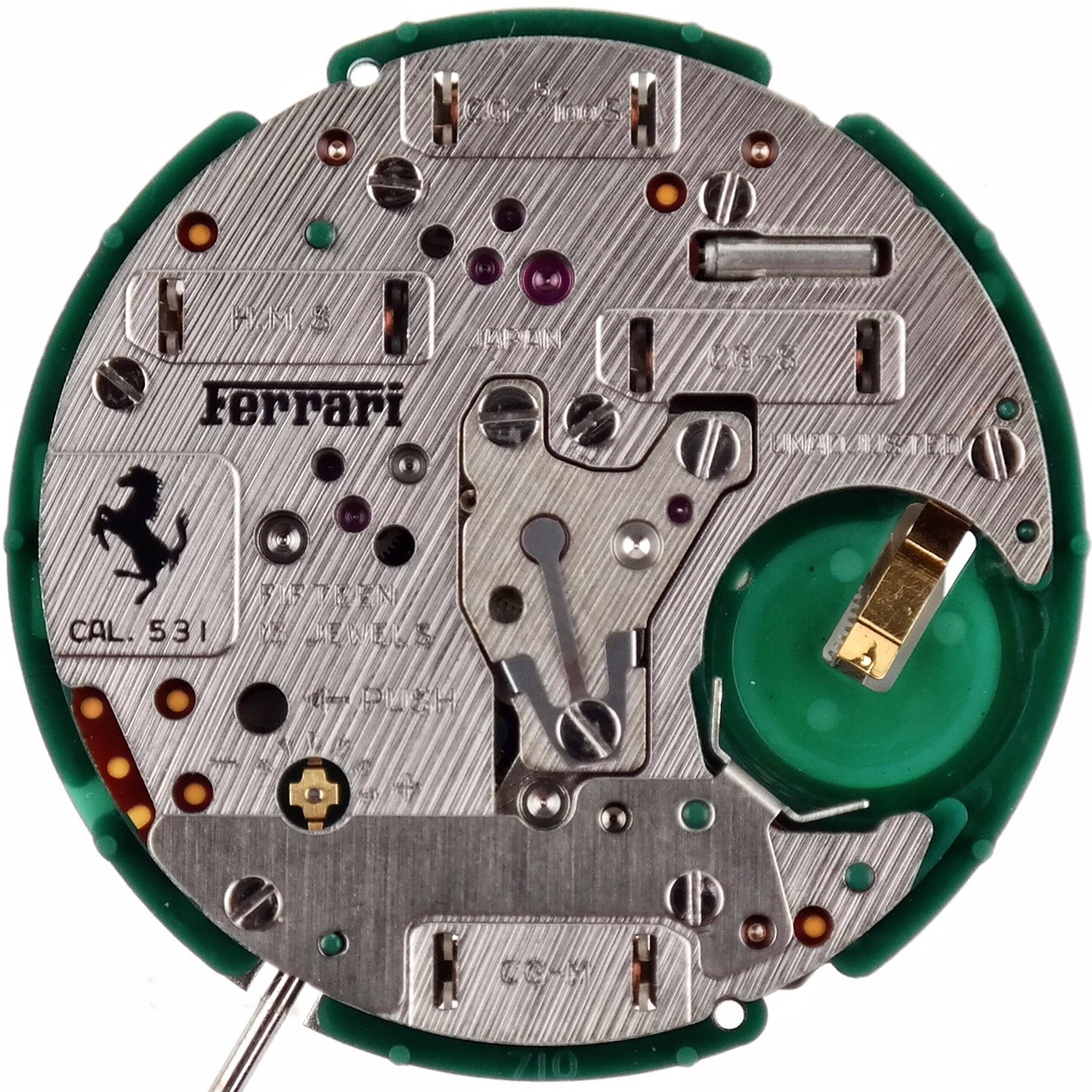
Seiko 7A38 movement for Cartier Ferrari Formula watch (Source: Watch-Deals)
The Caliber 7A38 was used to power the chronographs in the Seiko Sports SQ100 lineup - sport-chic watches that were very much of their time. But that's not all! During the 1980s, this Japanese movement also found its way into watches from other brands, most notably the Ferrari Formula chronographs, which were manufactured by Cartier at the time.
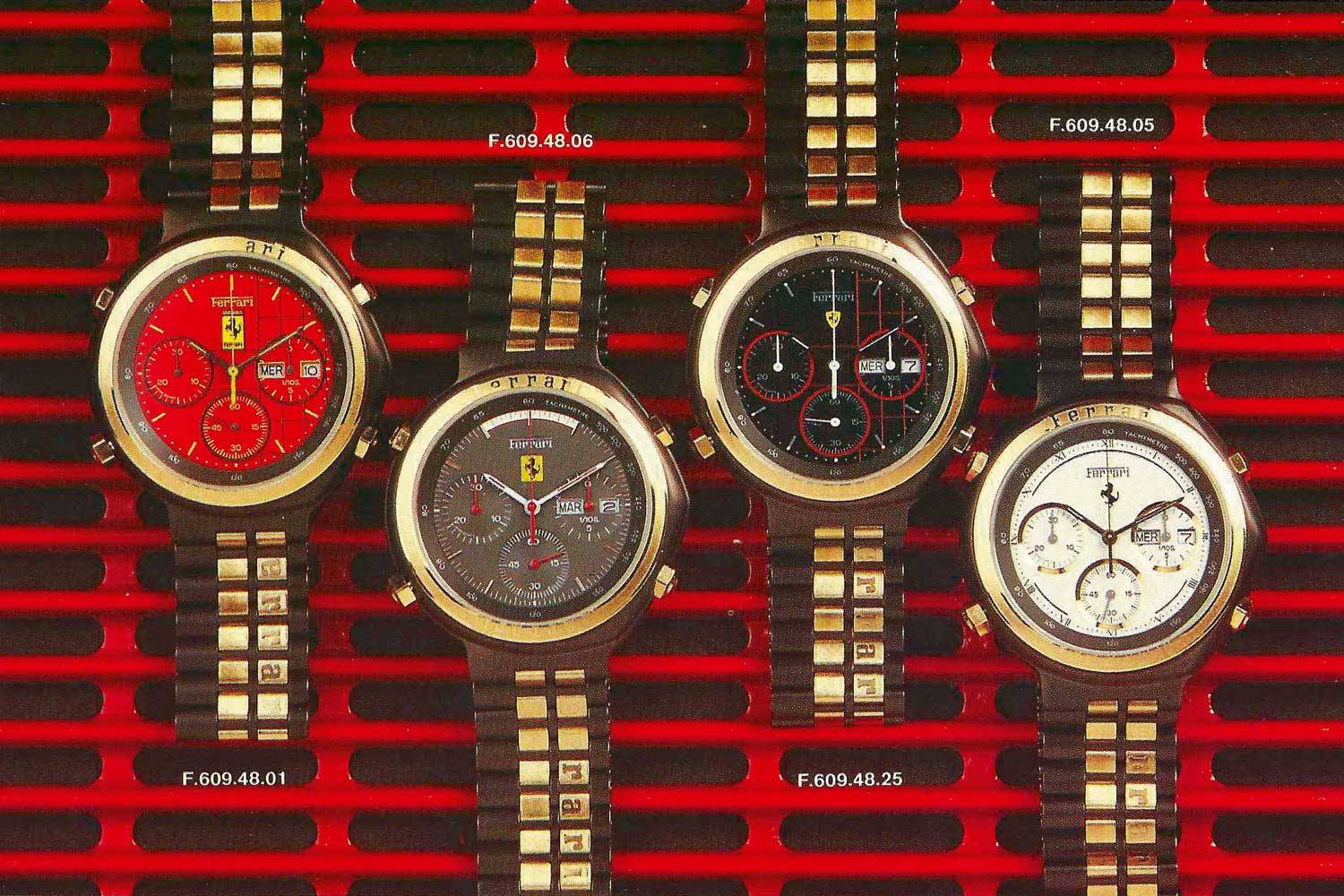
Ferrari Formula Chronographs by Cartier, Seiko 7A38 Movement (Source: Revolution Watch)
Embraced enthusiastically by the public, the 7A28 and 7A38 stand as the first meca-quartz calibers in history. But Japanese watchmaker Seiko wasn't about to stop there - it was already hard at work developing another type of movement, equally fascinating...
It's 1986, and a true horological oddity with the peculiar name "SBAD003" hits the market! This watch, powered by the Seiko caliber 8T23, features the remarkable ability to recharge its battery simply by turning the crown.
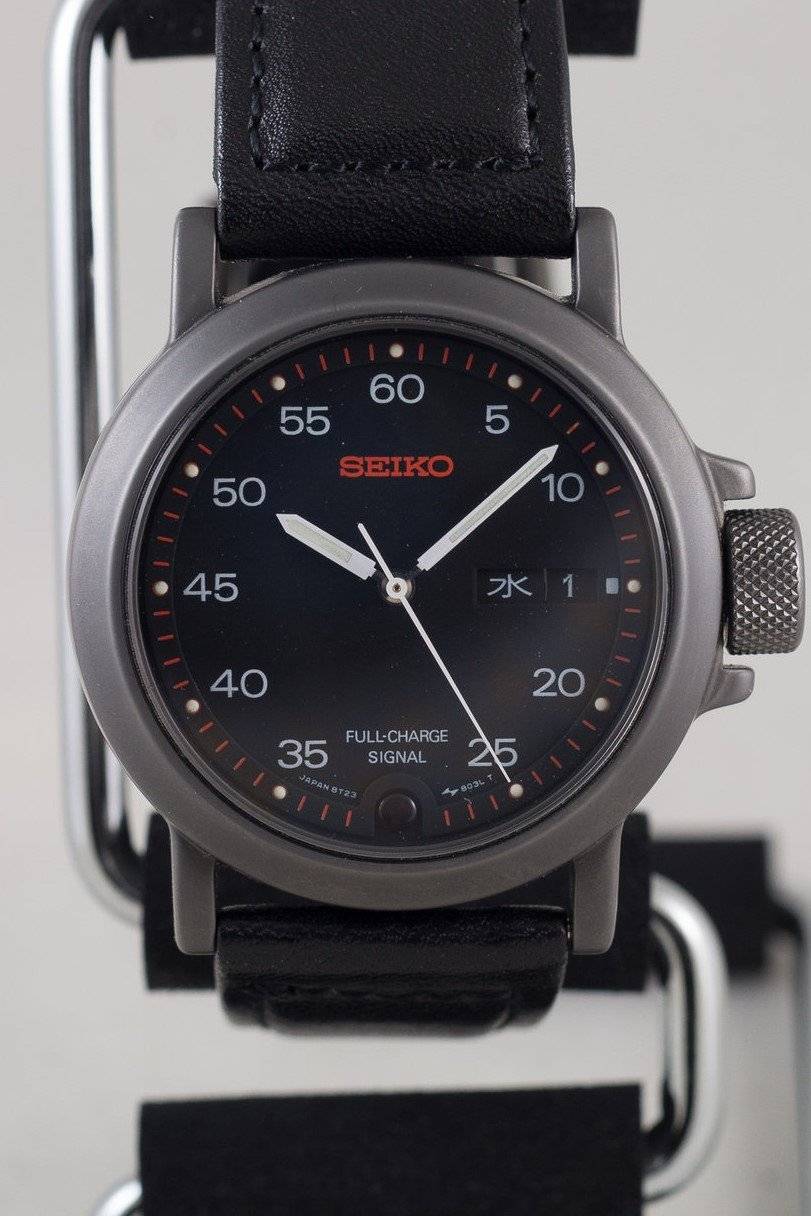
Seiko SBAD003 with caliber 8T23, 1986 (Credit: Plus9Time)
The concept is simple and clever: just like a manually wound mechanical watch, it's the crown that stores energy in the watch. The red LED on the dial at 6 o'clock even indicated whether the watch was fully charged.
However, innovative as it was, this Seiko model was not commercially viable - it suffered from several flaws, starting with its power reserve. On top of that, you had to manually wind the watch for a full 3 minutes just to get a power reserve of, brace yourself… roughly 75 hours. A lot of effort for a result that, in the end, wasn't all that impressive!
Two years later, in 1988, Seiko launched a line of watches equipped with a movement whose name is made up of just 3 letters: A, G, and S. These models, featuring a movement whose technology had been patented by the brand, did not use a standard battery like conventional quartz watches - instead, they relied on what is called a "generator." This takes the form of an oscillating weight that, through the natural movement of the wearer's arm, continuously recharges an accumulator inside the watch.
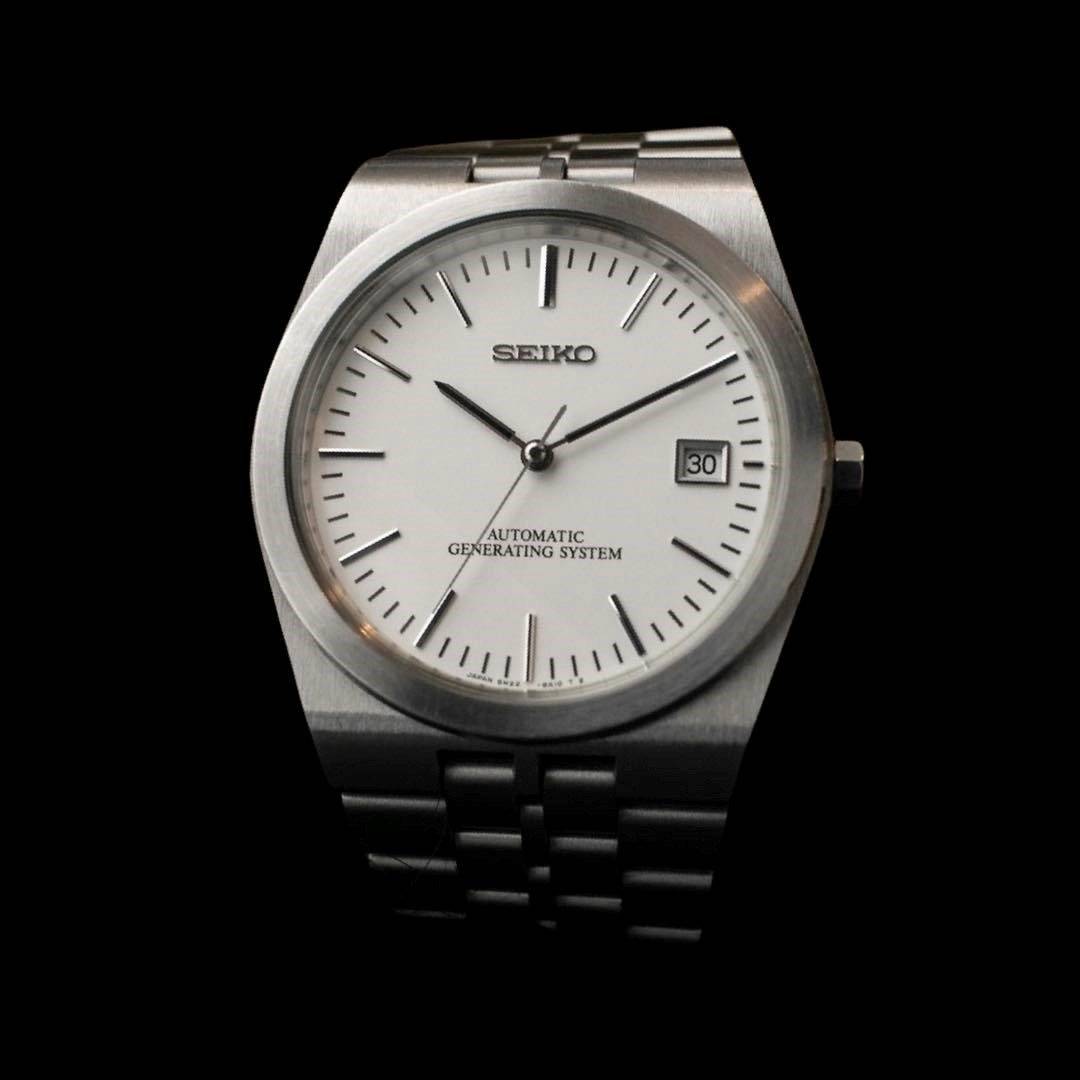
Seiko A.G.S. 5M22-8A10, 1988 (Source: Coronet)
The very first model to launch was the reference 5M22-8A10: a steel watch with clean lines and an integrated bracelet. In short, a versatile everyday watch.
What we have here is essentially a quartz watch that recharges itself like an automatic watch - the concept of hybridization couldn't be clearer. In fact, these movements are sometimes referred to as "auto-quartz," which says it all…
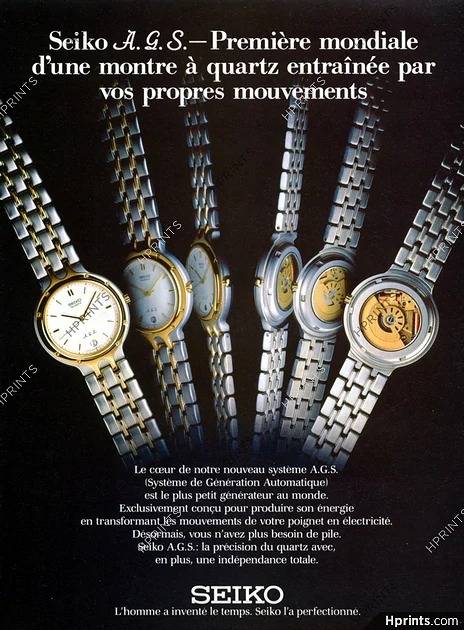
Seiko A.G.S. Advertisement, 1988 (Source: Hprints)
The A.G.S. name, standing for "Automatic Generating System," was dropped 4 years after the launch of the first models - in 1992 - in favor of "Kinetic," the name still in use today. As a side note, "Kinetic" is directly inspired by the Greek word "Kinesis," meaning "movement."
What made these first Kinetic watches so compelling? They offered greater autonomy than traditional mechanical watches - with the added precision of quartz.
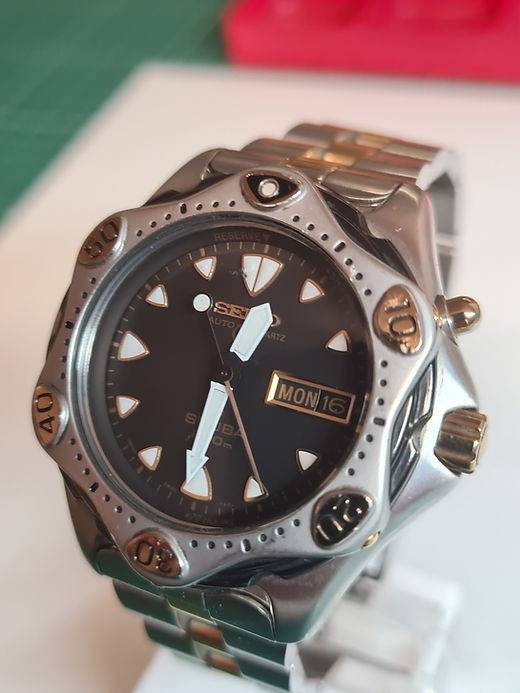
Seiko Kinetic Scuba 200m "Auto-Quartz," 1992 (Source: The Vintage Japanese Watch Company)
That said, don't assume the accumulator in Seiko Kinetic watches has an unlimited lifespan - that would be a mistake. On these timepieces, it was (and still is) necessary to replace the accumulator after a certain number of recharge cycles. Simply put, it needs to be changed approximately every 10 years.
With their distinctive character, Kinetic watches represented a fascinating technological leap in their own right!
Remember the prototype "Seiko Spring Drive" watch unveiled in 1982 that we mentioned a moment ago? Well, we left out one important detail about its power reserve - that is, how long the watch could run on a single wind. And how to put it? The power reserve was short. So short, in fact, that it made the watch completely unfit for market: we're talking barely 4 hours.
A second prototype of the Seiko Spring Drive movement emerged in 1993. While it featured an improved architecture and notably better energy management, it still only achieved a power reserve of 24 hours - which, as you can imagine, wasn't yet enough.
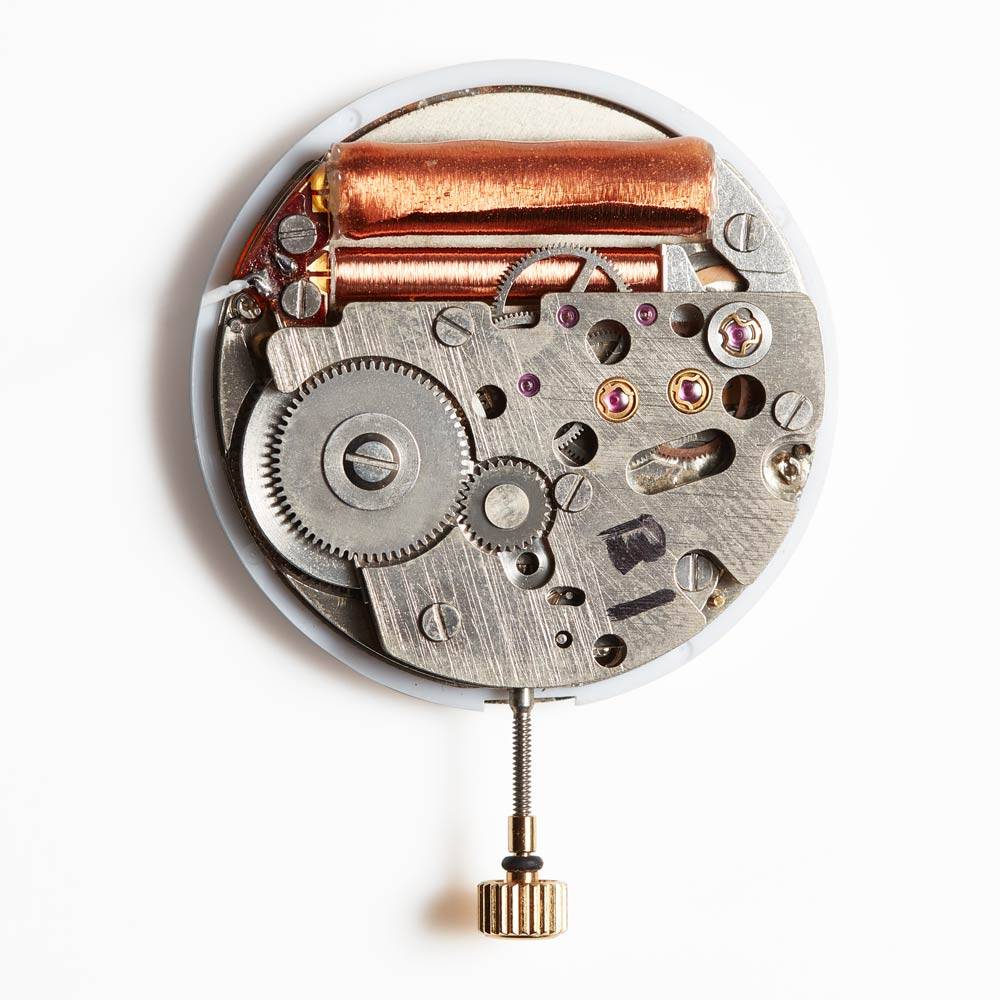
Second Prototype Seiko Spring Drive Movement, 1993 (Source: Grand Seiko GS9 Club)
Let's fast-forward 15 years to see this technology come into its own. By 1998, after significant R&D efforts and advances across the industry, Japanese watchmaker Seiko was ready to unveil its Spring Drive to the Swiss Chronometry Society. The company also headed to Basel, Switzerland, to exhibit at the renowned Baselworld watch fair. The goal was clear: introduce the Spring Drive to watch enthusiasts ahead of a planned market launch in 1999 - just before the new millennium.
It's fair to say that developing the Seiko Spring Drive watches was no simple feat. But the key takeaway from this story is that, after numerous delays, the project finally came to life. Over 20 years after its inception - granted - but Seiko was definitely headed in the right direction!

Yoshikazu Akahane, inventor of the Spring Drive technology (Source: Watch Insanity)
A sad event occurred just before the first Seiko Spring Drive watches reached the market. Yoshikazu Akahane, the inventor behind this groundbreaking watchmaking technology, passed away at just 52 years old - never seeing how the fruits of his remarkable research would go on to shape the world of horology and delight enthusiasts everywhere.
In 1999, 3 Seiko Spring Drive watches were launched on the market, all as limited editions. Two of them are powered by the caliber 7R68, while the third and final model (belonging to the prestigious Credor line) is driven by the caliber 7R78.
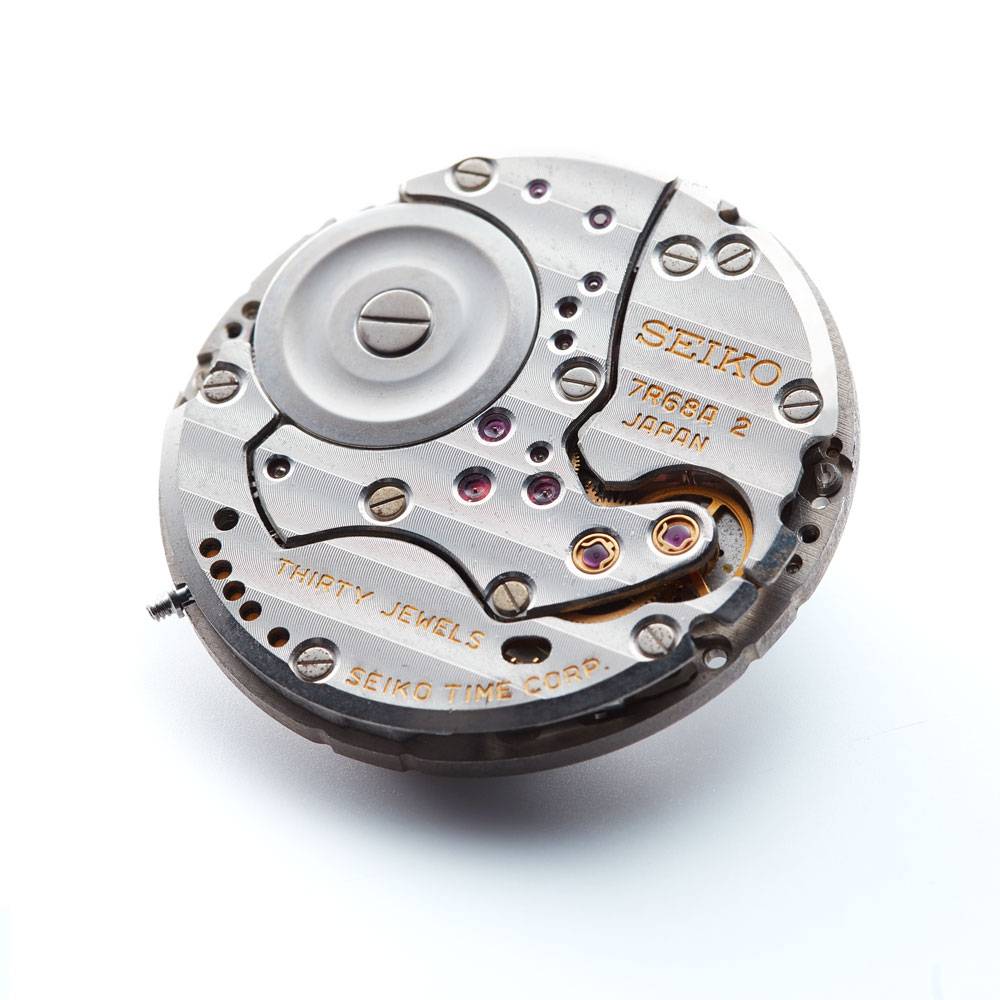
Seiko Spring Drive 7R68 movement, 1999 (Source: Grand Seiko GS9 Club)
But there was a catch - they weren't for everyone. These first 3 Spring Drive watches were produced in a strictly limited run of just 900 pieces.
It wasn't until 2004 that Seiko made the Spring Drive a permanent part of its catalog. The self-winding caliber 9R65 was adopted by the models of that era and remains in production to this day.
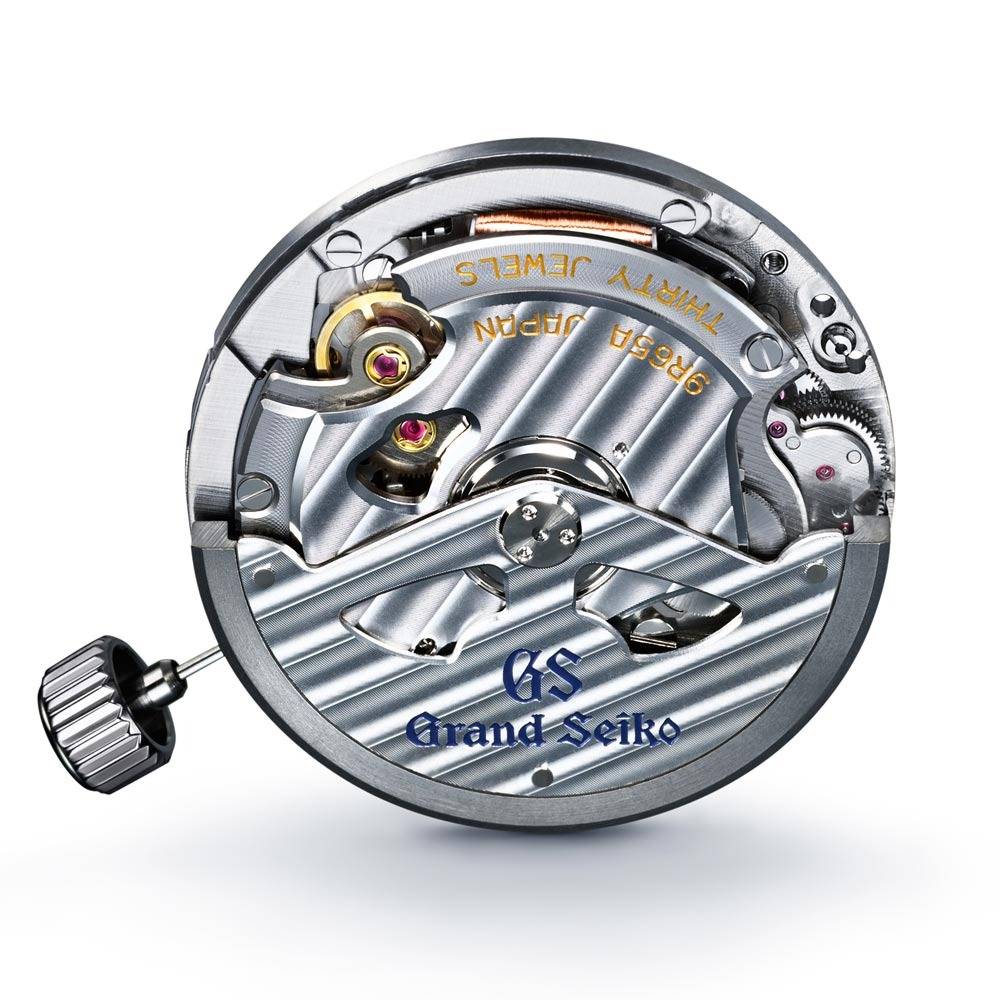
Seiko Spring Drive 9R65 movement, 2004 (Source: Grand Seiko GS9 Club)
As you can see, the term "hybrid watch" covers not one, but several families of timepieces. Ultimately, Meca-Quartz, Kinetic, and Spring Drive technologies are each unique in their own way. One thing is certain, though: none of them emerged overnight.
This won't come as a surprise if you've read our guide to electric watches. In watchmaking, the development and commercialization of a new technology is always a long-term process.
Curious about hybrid watches - or already the owner of a Meca-Quartz, Kinetic, or Spring Drive - and want to learn more about how they work? Stay with us: we're about to get into the technical side of this guide, and it's well worth your attention!
Before diving into the details, a quick note on terminology… The term "Meca-Quartz" is a contraction of the words "Mechanical" and "Quartz." Fair enough - nothing too complicated so far, and quite intuitive at that.
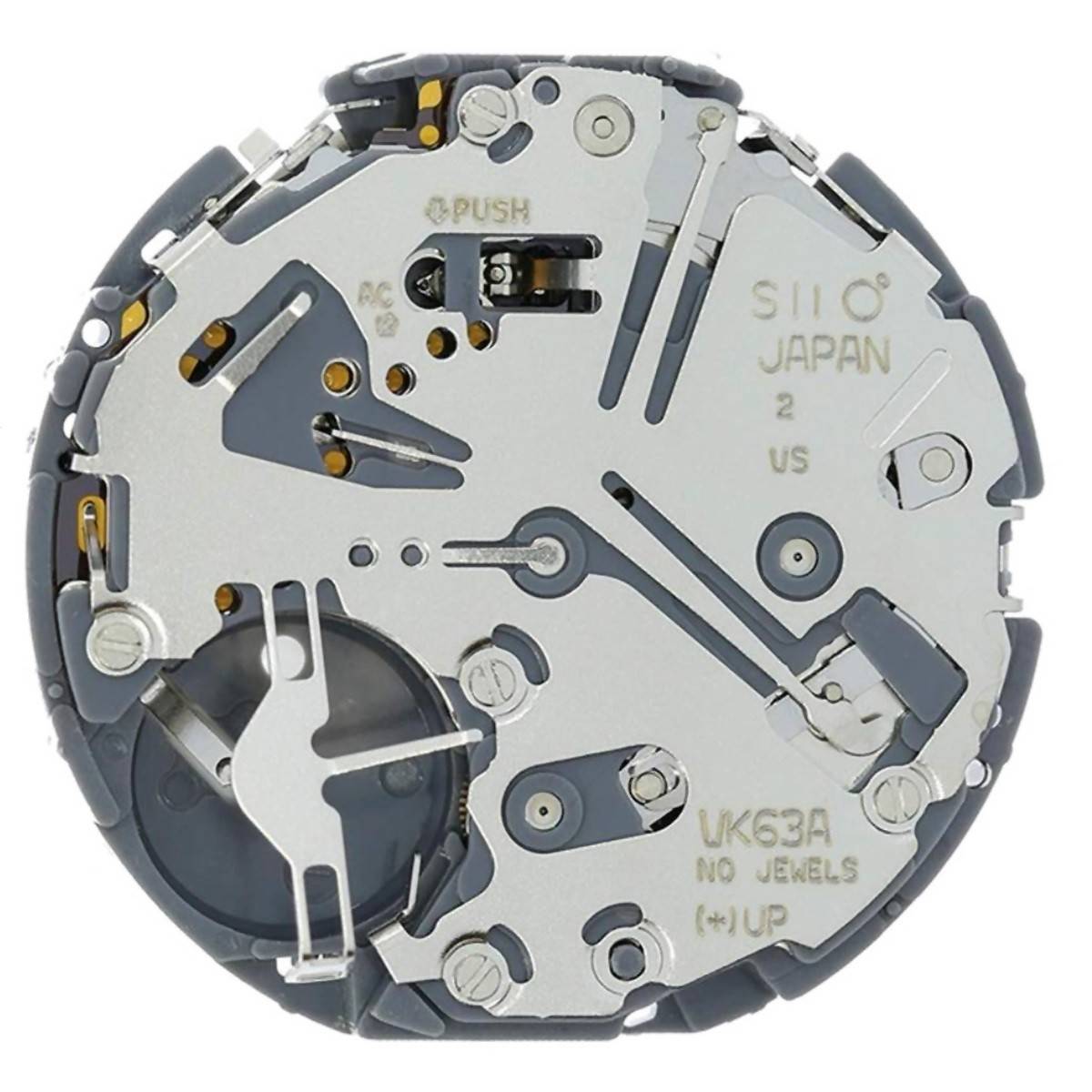
Seiko Hattori VK63 Meca-Quartz movement (Source: Outils Horloger)
As you may have noticed, many Meca-Quartz watches are chronographs! In this type of timepiece, it's important to distinguish between the chronograph function and the regular timekeeping.
Why? Simply because the first part is managed in the style of a mechanical watch, while the second relies on a quartz-based technique. Hence the "meca," "quartz"…
On a meca-quartz watch, starting, stopping, and resetting the chronograph via the pushers all feel mechanical to the touch. Try playing with those pushers and you'll immediately notice how closely the sensation mimics that of a mechanical watch.
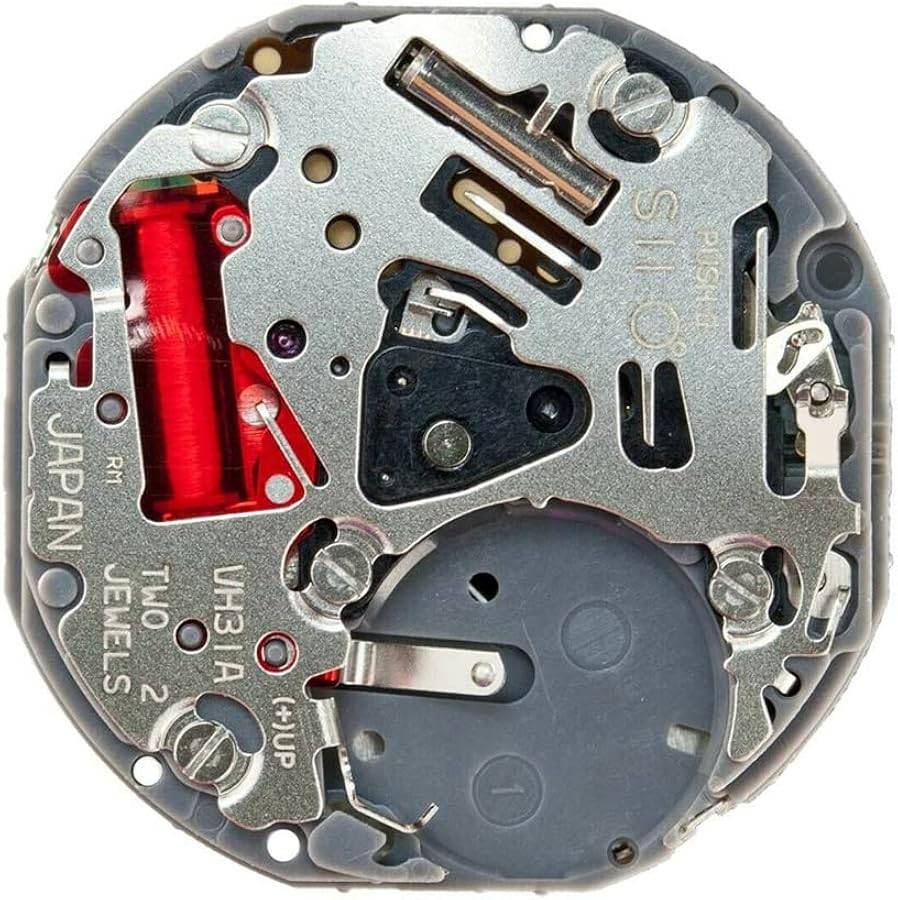
Seiko Hattori VH31 Meca-Quartz movement (Source: Amazon)
To learn more about how the quartz side works, check out our dedicated guide to quartz watches.
Note: this is less common, but it's worth knowing that meca-quartz watches without a chronograph complication do exist! Often fitted with the Seiko Hattori VH31 caliber, these 3-hand watches feature a seconds hand that sweeps at 4 beats per second.
A Kinetic watch works very similarly to a quartz watch, with one key difference: it incorporates an oscillating weight. And we know what you're thinking… Isn't that rotating component identical to the one found inside automatic watches? And yes, you're absolutely right!
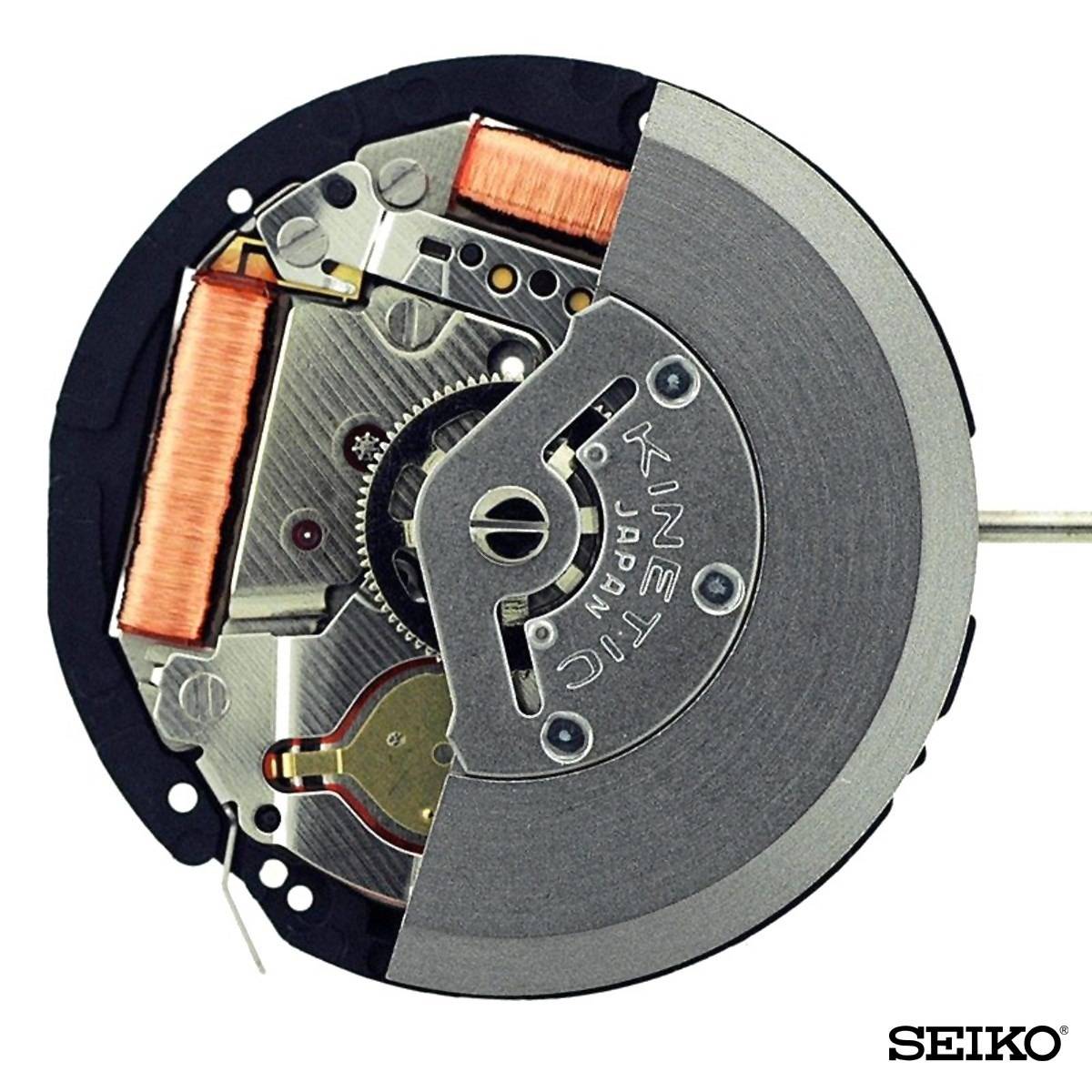
Seiko Kinetic Movement, rotor visible on the right (Source: Outil Horloger)
In a Kinetic watch, the oscillating weight - sometimes referred to as the "electric generator" - harnesses the kinetic energy created by your wrist movements when you're active.
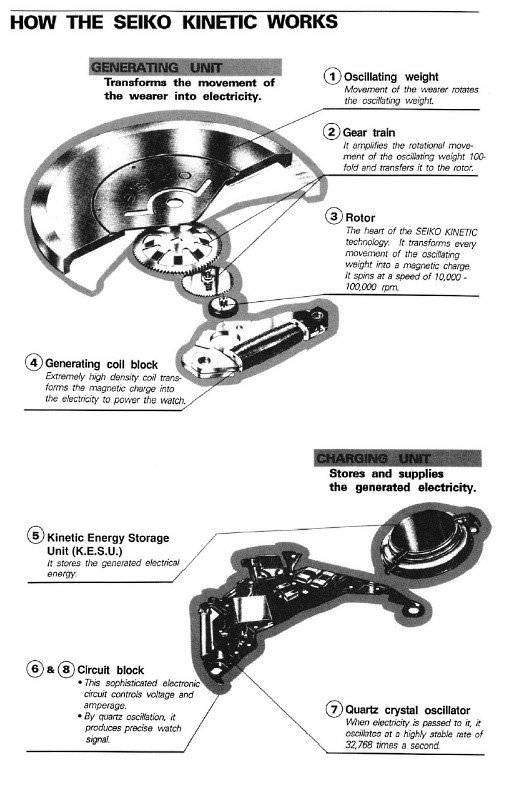
Diagram showing how a Kinetic watch works (Source: Coronet)
The oscillating weight drives a gear train designed to amplify the motion and transfer the force to a small component called the "rotor." Don't underestimate this element. Despite its undeniable compactness, it is considered the very heart of Seiko Kinetic technology. Its function is to convert every movement generated by the oscillating weight into a magnetic charge. Remarkably, its speed ranges between 10,000 and 100,000 rpm!
The magnetic charge generated by the rotor then passes through a high-density coil whose job is to convert that charge into electricity - powering the watch. The energy produced by this entire micro-system is then stored in a "charging unit."
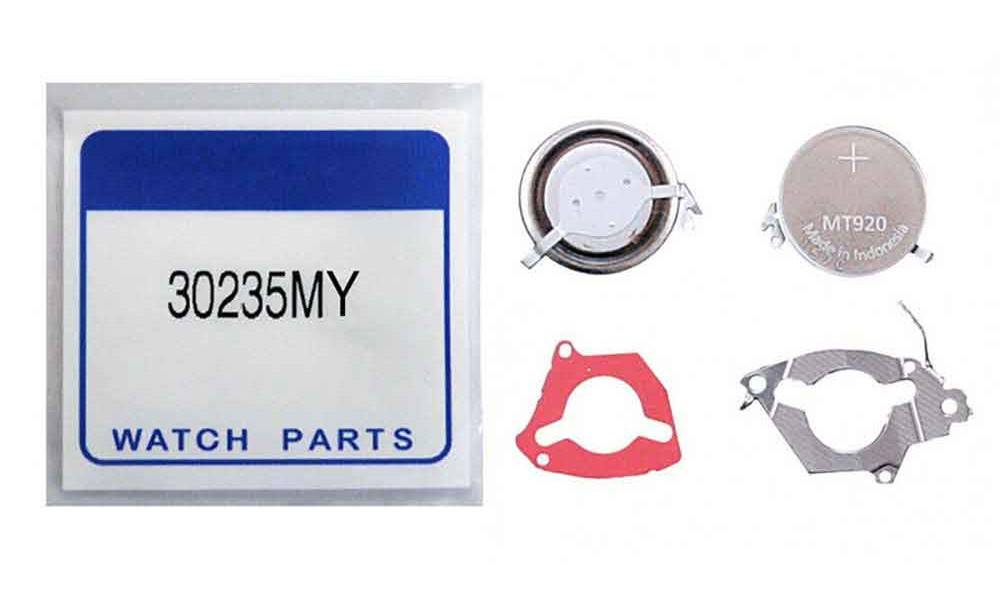
5M Capacitor for Seiko Kinetic Watch (Source: Pieces Horlogerie)
This takes the form of a rechargeable coin cell battery known in French as an "accumulateur." This component is precisely what provides the power reserve (the autonomy) of Kinetic watches.
It's also worth noting that not all Seiko Kinetic watches use the same rechargeable battery. The "5M" family models launched in the 1980s ran on a 1.2 mAh battery, while more recent references use a more powerful battery with a capacity of up to 3.2 mAh - a meaningful difference!
Like any rechargeable battery, the accumulator in Seiko Kinetic watches doesn't last forever… Over time, it can lose efficiency. Think of it like your smartphone, whose battery life gradually shrinks over the years. To keep your Seiko Kinetic running at its best, the accumulator should be replaced every 5 to 10 years.
One more important point worth clarifying: even though a Kinetic watch contains an oscillating weight, it cannot be wound using a watch winder designed for automatic watches - you know, that box called a watch winder.
It's also worth knowing that some Seiko Kinetic watches come with a wall charger that lets you recharge them without even wearing them. Pretty clever, right?
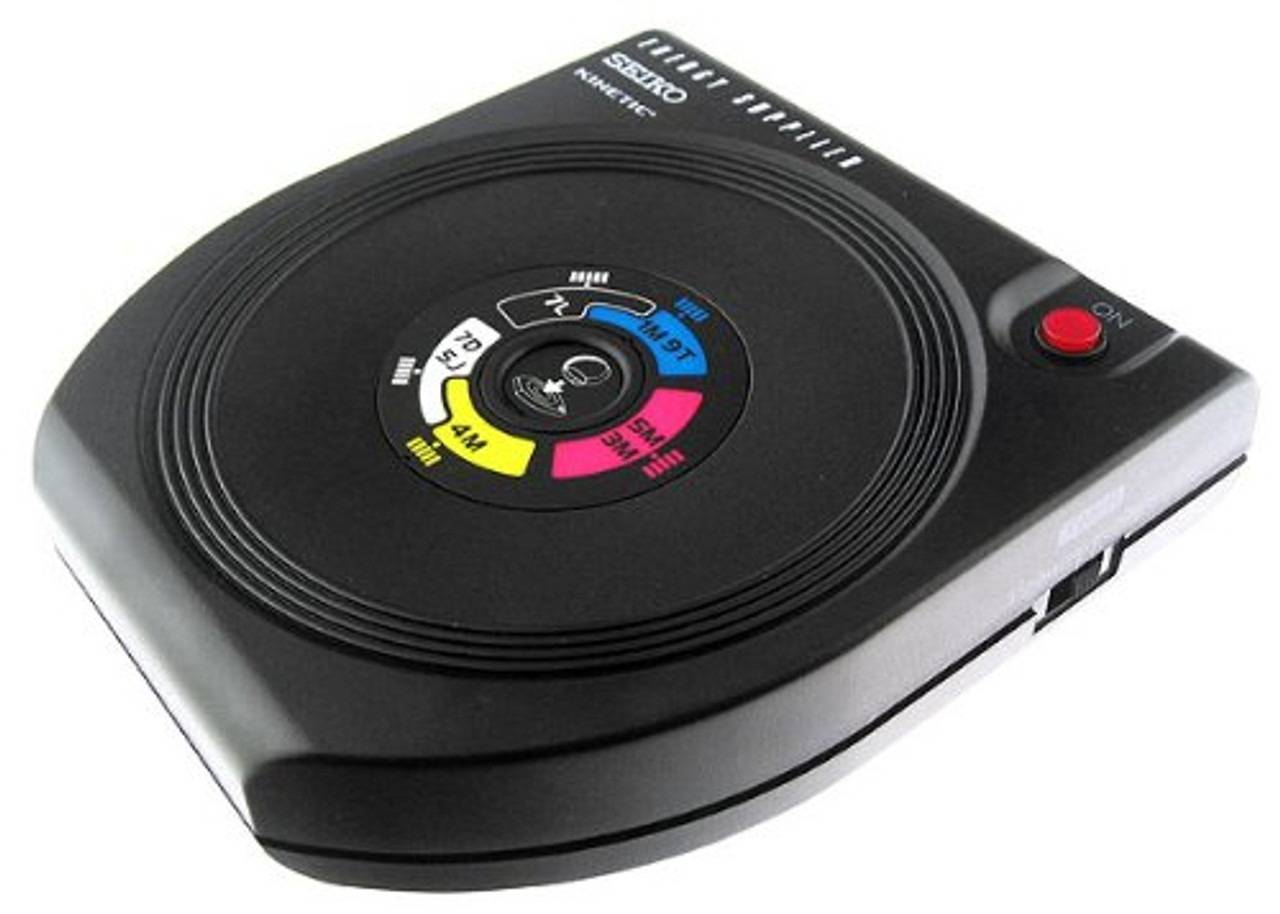
Seiko Kinetic watch charger (Source: Watch Material)
If you own one of them, know that this little black plastic object could be worth a small fortune all on its own!
As for the timekeeping side of things, note that the mechanism found in a Kinetic watch is similar to the one used in quartz watches. A Seiko Kinetic also contains a quartz crystal that vibrates at a very high frequency - specifically 32,768 Hz.
With their clever technological blend, Seiko Kinetic watches offer a whole new way to experience watchmaking!
Before explaining how a Spring Drive watch works, let's first clarify that this type of timepiece requires no battery whatsoever.
Depending on the model, the movement can be wound manually and/or automatically. In other words, some Seiko Spring Drive watches can only be wound via the crown, while others can also build up energy through the natural movement of your wrist.
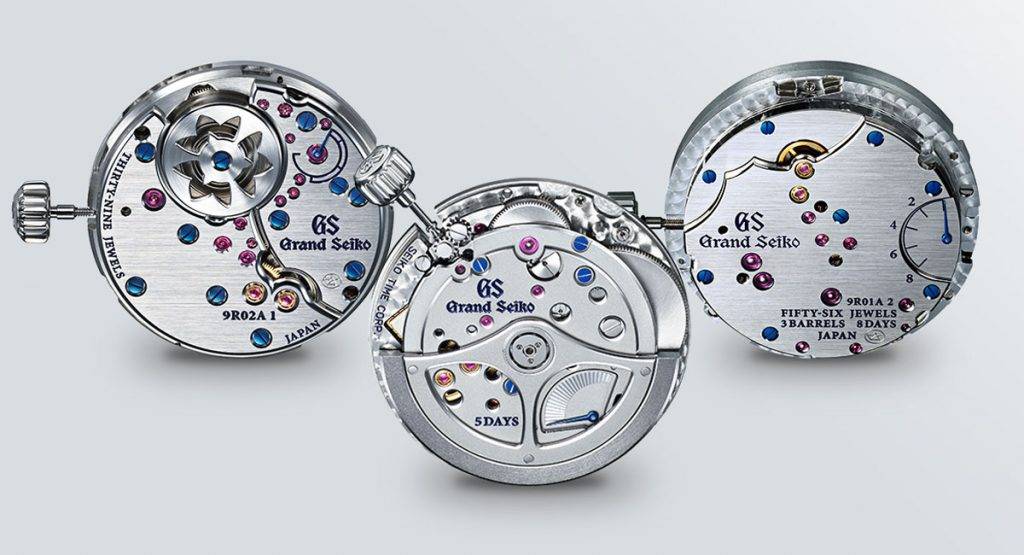
Grand Seiko Spring Drive Movements (Source: The Seiko Guy)
In any case, when a Grand Seiko Spring Drive watch is wound, the mainspring inside its movement builds tension. Up to this point, it's very close to how a mechanical watch works. But there is a difference - a major one, in fact… Spring Drive watches feature their own proprietary regulation system!
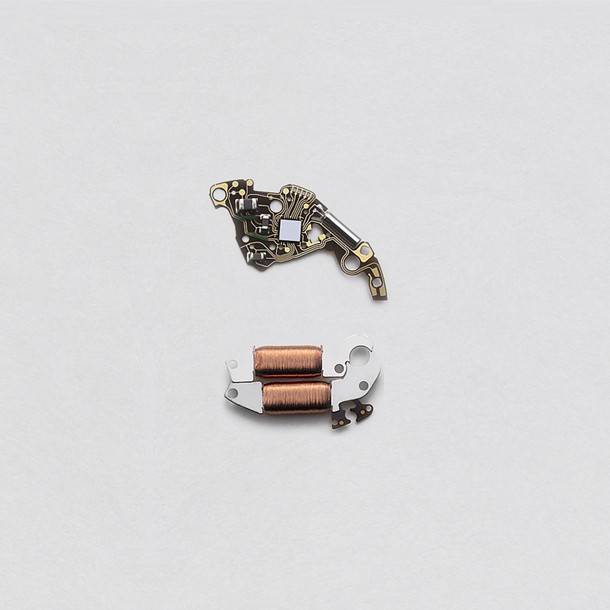
Tri-synchro regulator, Spring Drive movement (Source: Grand Seiko)
A component called the "tri-synchro regulator" is responsible for releasing the energy stored in the mainspring in a controlled and consistent manner. Its role is somewhat similar to that of the escapement in a mechanical watch.
The motion of a Spring Drive movement can actually be observed through the caseback, provided the watch features a transparent display back.
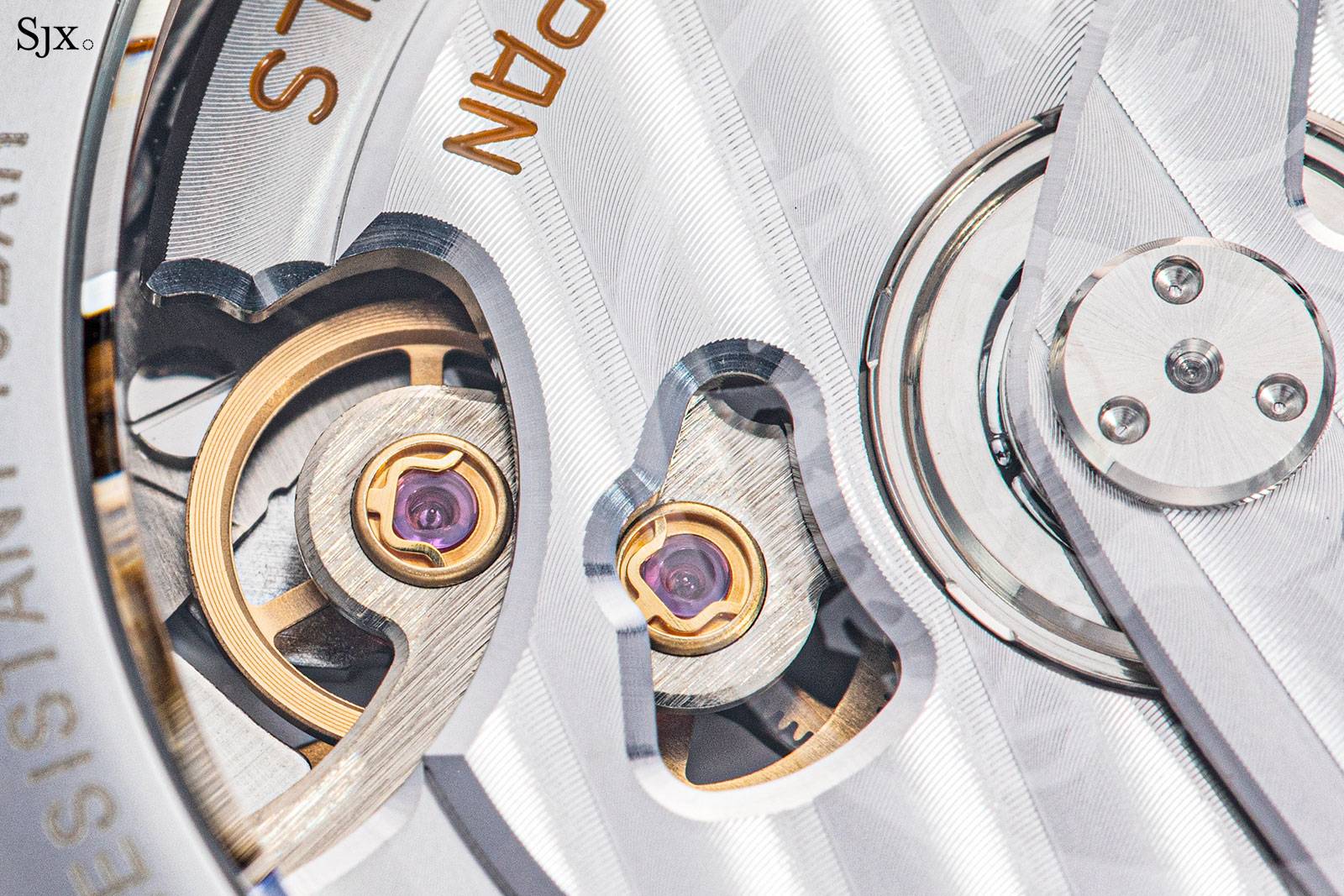
Spring Drive movement wheel (Source: Watches by SJX)
As the small rotor spins, it generates a small electrical current. That current travels through an integrated circuit and ultimately reaches a quartz oscillator, which vibrates at a frequency of 32,768 Hz - just like in a quartz watch!
The Spring Drive system developed by Seiko is particularly intelligent: if the movement runs too fast, it self-regulates to improve accuracy.
If you ever get the chance to pick up a Grand Seiko Spring Drive that has completely stopped, try this: start winding the watch by the crown, just as you would with a mechanical watch, and watch the seconds hand closely as it begins to move - you might be in for a surprise. During the first few seconds of motion, the sweep hand appears to move abnormally fast, and that's perfectly normal! This phenomenon occurs because the energy the watch is storing hasn't yet had time to be released in a controlled manner. The seconds hand moves very quickly at first, then, after just a few moments, settles into its steady pace.
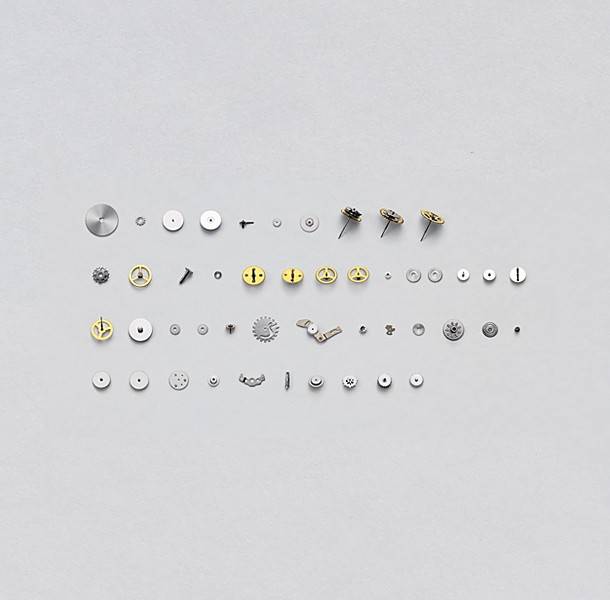
Some of the components found in a Spring Drive movement (Source: Grand Seiko)
Depending on their complexity, Grand Seiko Spring Drive watches contain 200+ to 300+ components, all assembled by hand. Beyond their extraordinary technology, these timepieces reflect the exceptional watchmaking craftsmanship of Japan!
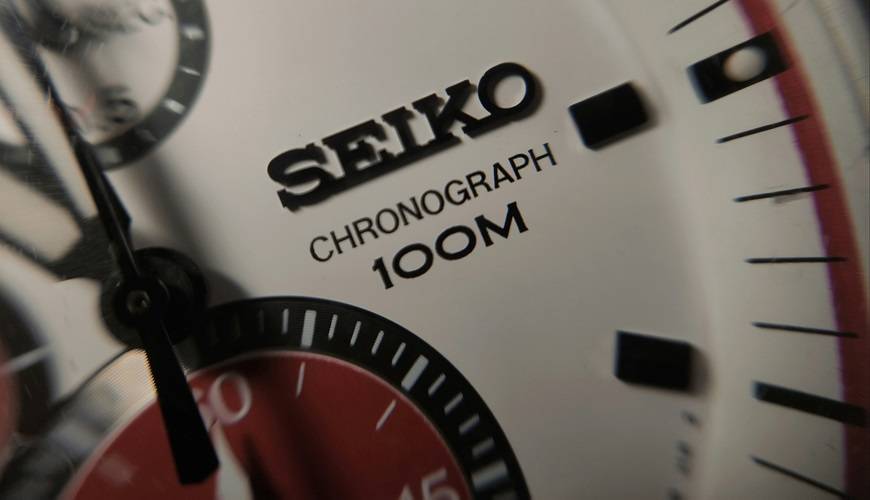
As we covered in the "How Does a Meca-Quartz Watch Work?" section of this guide, the architecture of a meca-quartz movement is, all things considered, very similar to that of a standard quartz movement.
If you've read our guide on quartz watches, you won't be surprised to find some fairly similar pros and cons listed here…
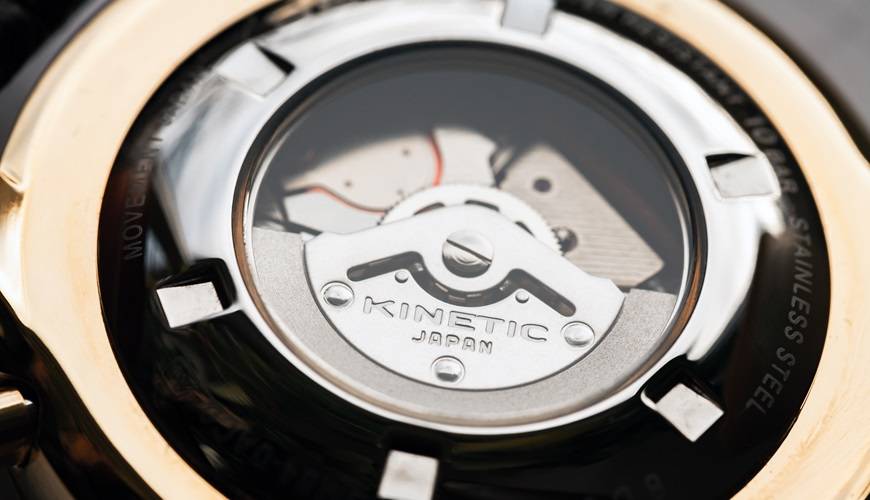
Seiko Kinetic watches (formerly Seiko AGS) follow a similar philosophy to meca-quartz models. They draw on the strengths of both quartz and mechanical watches, blending them in their own way to deliver a practical and compelling option.
Let's walk through the key points to consider before buying a Kinetic watch!
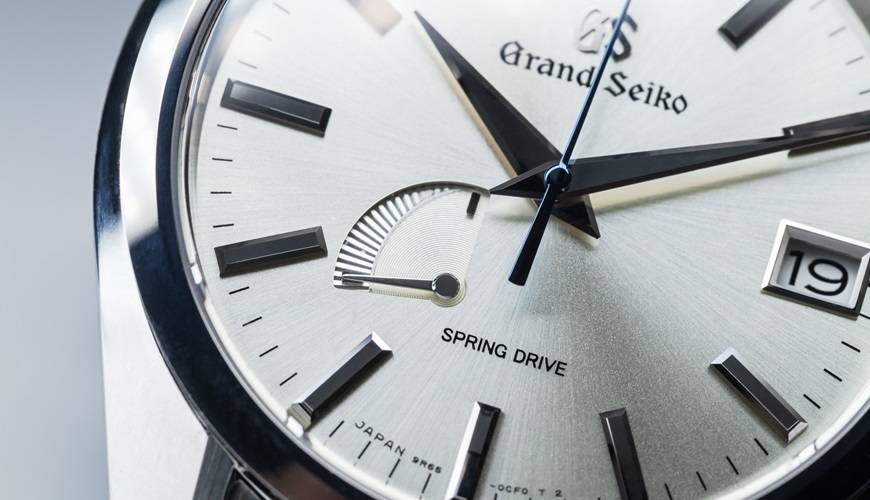
Highly regarded among collectors, Spring Drive-powered watches are a hallmark of Grand Seiko. Firmly in the luxury tier, they stand for innovation and horological excellence. But these models aren't without their downsides - let's take a closer look.
Now that you know the different forms hybrid watches can take, their history, how they work, and their pros and cons - how about a quick recap? Here's a table that lets you spot, at a glance, the key characteristics of Meca-Quartz, Kinetic, and Spring Drive watches…
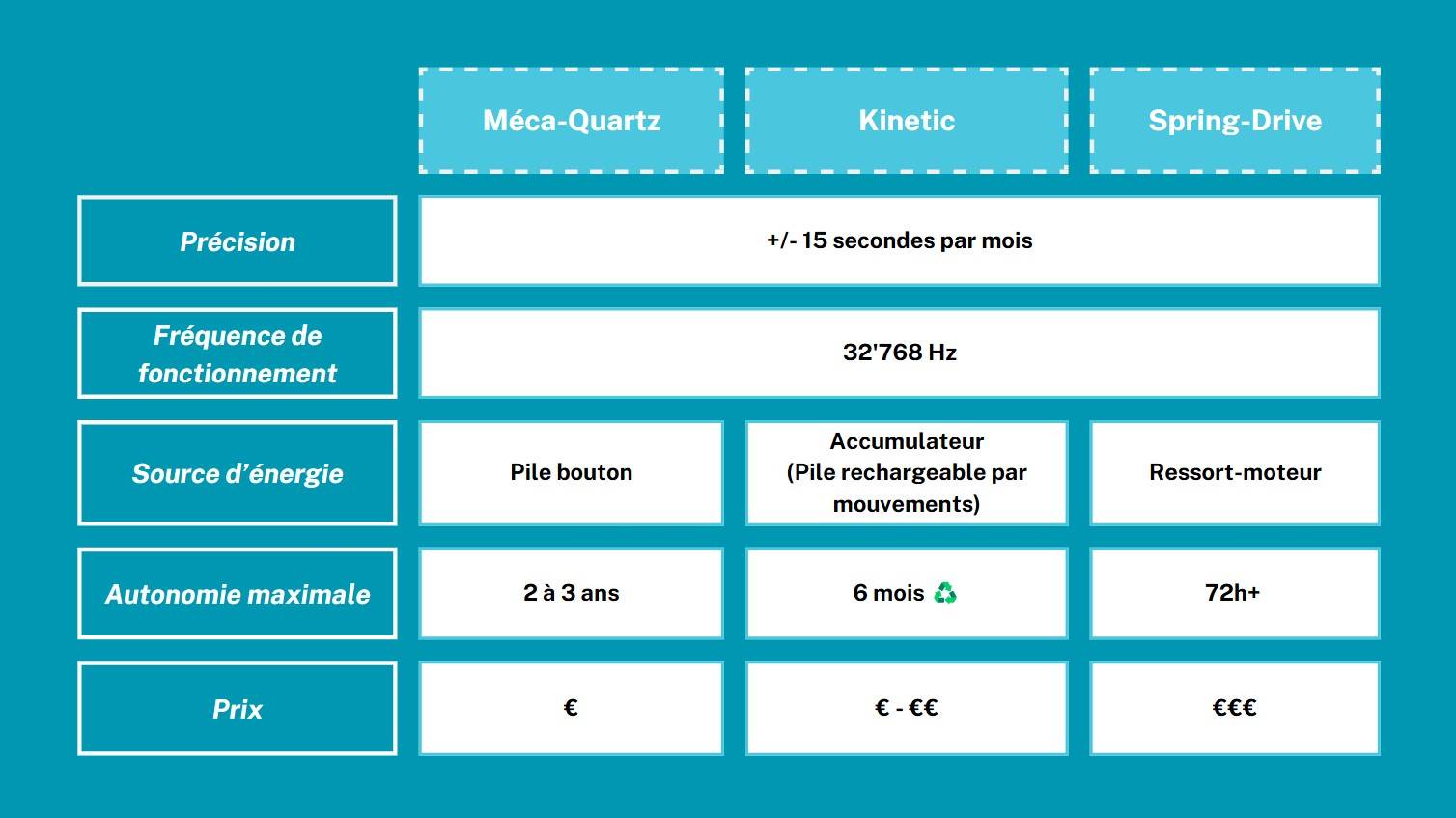
Characteristics of Hybrid Movements
Meca-Quartz, Kinetic, or Spring Drive - you now know everything about these innovative watchmaking technologies from the Land of the Rising Sun!
Whether you're a seasoned collector or simply looking for an interesting everyday watch, these options - at various price points - are all worth exploring.
Ultimately, hybrid watches pull off the remarkable feat of being both practical and genuinely out of the ordinary. In short, they're brilliantly engineered objects!
Share :
Official European Union notice on your rights in the event of a product's lack of conformity.


