
0
Product added
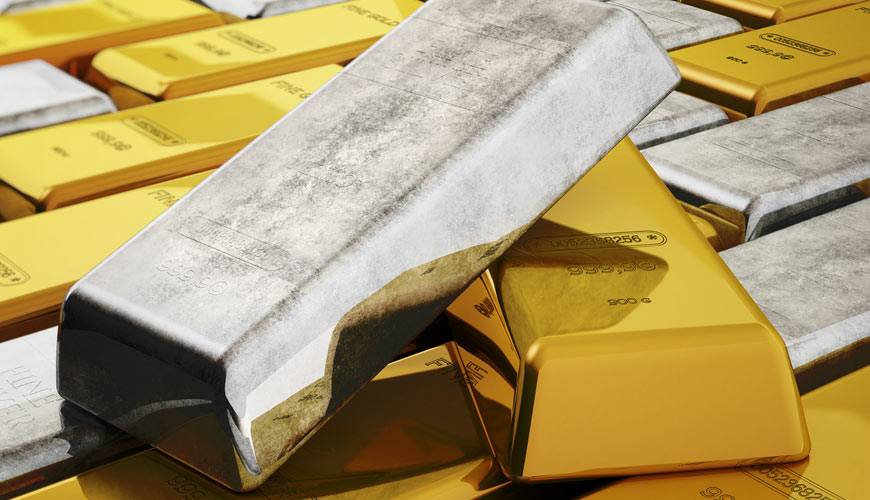
Since the dawn of time, precious metals have surrounded humanity on all sides - woven into everyday life through countless objects, sometimes in obvious ways, sometimes not.
Throughout human history, these remarkable materials have been put to use in a thousand different ways. Ready to dive into the fascinating world of precious metals?
First and foremost, it's important to know that a so-called "precious" metal refers to a rare metallic chemical element with a certain monetary value. It is found primarily in the ground in the form of ores. The definition of "precious metal" has evolved over time and across different civilizations. Today, it refers to particularly rare noble metals with special characteristics - notably in terms of durability in the context of fine jewelry and jewelry making. The precious metals recognized today include gold, silver, platinum, and palladium. Titanium and vermeil are more commonly classified as "semi-precious metals."

Gold has always been one of the most coveted metals. Pure gold is not used in jewelry making because it is too malleable (soft) - it must be mixed with other alloys to create a more resistant material. Naturally yellow, it can also be white or rose, and can even take on other rarer hues. The color of gold depends largely on the type of alloy used. To assess its value, the carat system is used: the higher the pure gold content, the higher the carat.
Learn More About Gold
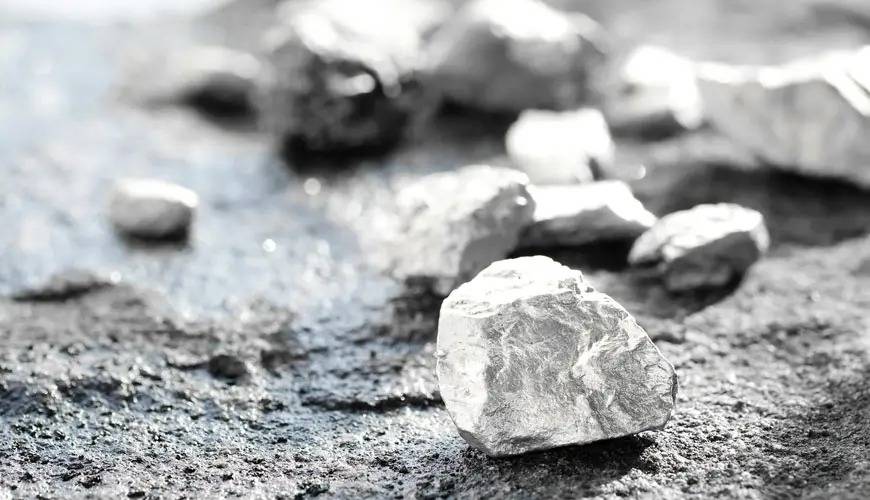
Silver is also enormously popular, and has been for thousands of years, thanks to its versatility and luminous gray brilliance. It is considered the most common and affordable metal in jewelry making. To craft jewelry, pure silver must be alloyed with other metals to make it harder. The most common type of silver is sterling silver, and to qualify as such, it must contain at least 80% pure silver. It is mainly referred to as 950, 925 (the most common), or 800 silver, depending on the percentage.
Learn More About Silver

Due to its rarity, platinum is the most expensive of all precious metals. Like gold and silver, it is alloyed with other metals for jewelry making. Platinum has a superb silvery-white luster. It is extremely hard, giving it outstanding resistance to time and scratches. A "pure" platinum piece must contain at least 90% platinum. It is especially prized for crafting wedding rings and engagement rings, valued for all its properties and its symbolism of eternity.
Learn More About Platinum
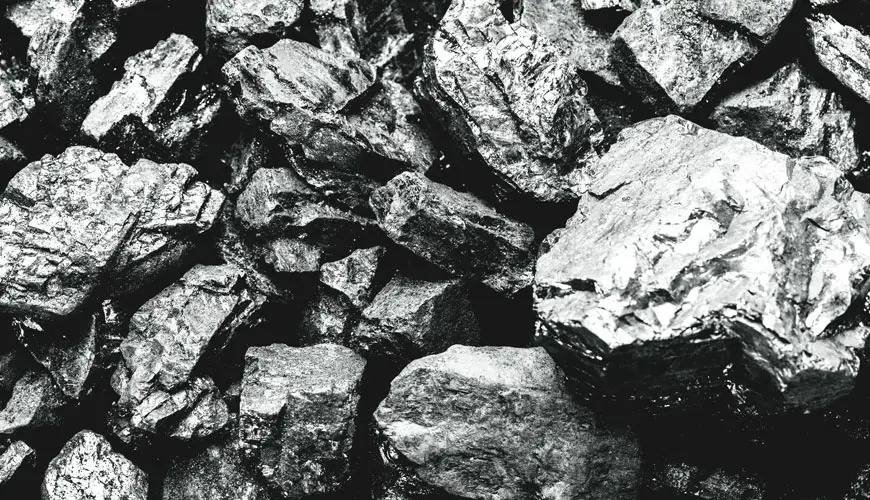
A more recent addition to jewelry making, palladium belongs to the platinum group metals but is more affordable and lighter than platinum. It has a brilliant silvery-white tone, offers exceptional strength, and requires no plating. Its resemblance to platinum makes it equally popular for wedding rings.
Learn More About Palladium
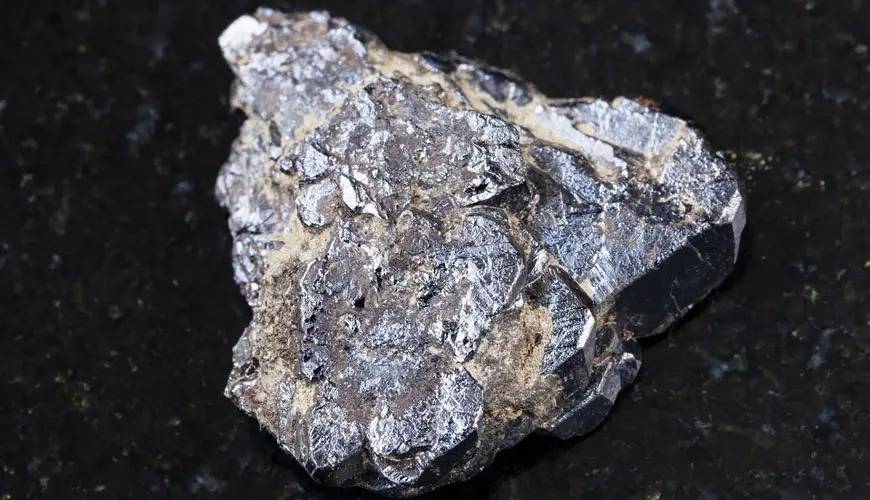
Titanium has a gray and silver tone but can take on different colors with a special treatment. Titanium jewelry is generally composed of 90% pure titanium. Hypoallergenic, lightweight, and extremely durable, it is increasingly sought after in jewelry making, especially for wedding rings.
Learn More About Titanium

It is composed of sterling silver coated with gold and features a virtually identical yellow tone. Vermeil therefore has the advantage of closely resembling gold while being offered at a more accessible price point. Another benefit of this metal: vermeil is hypoallergenic and holds up very well to the wear of time.
Learn More About Vermeil
The electrolytic process, also known as electroplating or plating, involves depositing a very thin metallic layer - measured in microns - onto the metals that make up the jewelry. This method is crucial because it protects jewelry against oxidation, thereby extending its brilliance and durability. Without this metal treatment, jewelry could tarnish quickly and lose its aesthetic appeal, reducing its value and desirability.
Learn More About Metal Treatments
Choosing a precious metal matters - it plays a major role in the appearance, durability, and cost of a jewelry piece. Each metal is unique and comes with its own specific advantages and drawbacks. Based on your preferences and the style of jewelry you're looking for, you can choose from these different precious metals on Ocarat. With the wide range of models available in our online jewelry store, you're guaranteed to find an exceptional piece.
Although well known for their use in fine jewelry and jewelry making, these materials are also more or less common across various industries such as electronics, chemistry, and aerospace... Certain metals like gold and silver have also served as a medium of exchange and/or store of value since antiquity.
More than a simple description of these metals, this is your complete exploration guide. History, symbolism, global production, characteristics, use in jewelry making, measurements, advantages, and care: everything you need to know each metal inside and out. A deeper understanding will help you go further, streamline your jewelry search, and learn more about what you wear.
Also explore all our jewelry and watchmaking guides.
Share :
Official European Union notice on your rights in the event of a product's lack of conformity.