
0
Product added
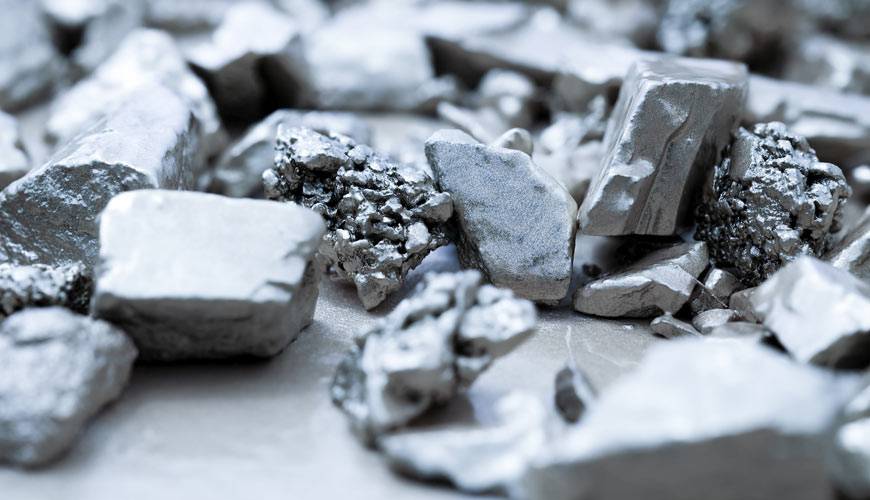
Synonymous with luxury and longevity, platinum is one of the most precious metals used in fine jewelry and jewelry making. Its rarity and silvery-white luster lend the pieces made from it unique elegance and flair. These exceptional qualities also make it a popular choice for engagement rings and platinum wedding rings. Paired with a diamond, platinum fully embodies the hope of everlasting love.
To be used in jewelry, however, platinum must be alloyed with other metals to increase its hardness. The malleability of the “king of precious metals” allows it to be shaped into a wide variety of jewelry designs. Its bright, luminous color also beautifully showcases gemstones such as jade, labradorite, and opal.
The word "platinum" comes from the Spanish "platina," meaning "little silver," a reference to its distinctive natural gray-white color. Platinum was used to make adornments and jewelry in ancient Egypt and pre-Columbian South America, but it was Spanish explorers who named the metal when they encountered it in Colombia in the 16th century. Despite its undeniable beauty, the colonists regarded it as an impurity in silver and paid it little attention.
It was not until the 18th century that explorer and astronomer Antonio de Ulloa was officially credited with discovering platinum. Research into its properties followed, and French chemist Pierre-François Chabaneau became the first to demonstrate its ductility. Platinum's distinctive properties also made it a strategic metal during World War II, when its use for nonmilitary purposes, including jewelry, was completely prohibited. Today, platinum is used in many industries, and its rarity makes it a symbol of eternity, purity, and love. A platinum wedding anniversary marks 70 years of marriage.
Most platinum is produced through mining. It is a nonrenewable resource found in very few places worldwide. Most extraction takes place in South Africa, although Russia also has significant sources of production. Countries with smaller reserves, including Zimbabwe, Canada, and the United States, also participate in the global market on a smaller scale.
Whatever its origin, platinum is now worth more than gold. This luminous metal is much rarer than gold, and its purity and lasting durability make it a highly prized and sought-after material. Alongside its use in jewelry, platinum is also used in the automotive, electronics, chemical, and medical industries.

Because of its rarity and resistance to change over time, platinum is considered the most precious of metals. Platinum consists of five stable isotopes and one radioactive isotope. Although its gray-white color is often reminiscent of white gold, it is an even more luxurious metal. Platinum occurs primarily in its native state and belongs to the platinum-group metals. It has a face-centered cubic crystal structure.
Platinum has a hardness of 3.5 on the Mohs scale and a density of 21.45. Its melting point is 1768.2° and its boiling point is 3,825°. Its properties make platinum an excellent catalyst and electrical conductor. Ductile and malleable, it also has unique chemical characteristics that make it essential in many fields, including the chemical industry, photography, medicine, and defense.
Too malleable to be used alone in jewelry, platinum must be alloyed with other metals such as palladium, titanium, copper, iridium, ruthenium, or rhodium. Jewelry is considered “pure” when it has a purity of 950 or 900. Pieces then carry the following markings:
Choosing a piece considered “pure” platinum gives you exceptional jewelry that will not tarnish, making it an incomparable gift.
Hallmarks are tiny symbols stamped on jewelry to certify its platinum content. The shape of the mark makes it easy to determine the percentage of pure metal in the jewelry's alloy:
Platinum is the most expensive precious metal on the market and, by that measure, the most luxurious. Part of the reason for its higher price is that platinum is about 40% denser than 18-karat gold. This substantial difference helps explain why platinum jewelry costs more.
Other factors also contribute to platinum's luxury status: its scarcity worldwide, its purity, and the specialized skills and tools required to work with it in fine jewelry. In fact, platinum is thirty times rarer than gold and can achieve a higher level of purity than gold. Together, these qualities make platinum an exceptional metal with a price that reflects its distinctive properties.
Although platinum is considered the rarest metal, its beautiful natural white luster is what has made it famous over the years. The exceptional brightness of its pure color elegantly enhances the brilliance of diamonds and brings out the vibrant hues of many other stones. Platinum also holds gemstones securely in their settings, while its malleability opens up a wide range of artistic possibilities.
Known for its strength and longevity, platinum also resists corrosion, oxidation, and extreme temperature changes. Whatever the conditions, it retains its natural luster over the years, creating timeless, one-of-a-kind jewelry. This durability makes platinum a dependable choice for everyday pieces such as wedding bands and engagement rings. Wear may give the jewelry a distinctive patina over time, but a jeweler can restore its full shine with a simple polish.
Platinum is also a hypoallergenic metal. It suits all skin types, making it an exceptional gift without the worry of an unpleasant allergic reaction.
Although platinum does not tarnish, regular care helps keep your jewelry looking as radiant as ever. Whether you have rings, necklaces, or bracelets, all you need is a little warm water, soap, and a soft toothbrush. Gentle circular motions quickly remove buildup without scratching the piece. Dry it with a soft cloth and polish it with a chamois cloth to restore its sparkle in minutes.
It is important to note, however, that platinum scratches more easily than gold with everyday wear. Store each piece of jewelry separately to prevent unsightly scratches on its platinum surface. If scratches appear despite careful handling, a jeweler can easily polish the piece to remove them.

Wedding bands, chains, rings, bracelet plates… Ocarat offers an extensive selection of high-end platinum jewelry to symbolize your union or give someone an exceptional piece that will stand the test of time. Our online jewelry store brings you beautiful designs from leading brands and a varied selection of exceptional quality. Whatever your style or the occasion, you'll find the perfect platinum jewelry at Ocarat.
The “king of precious metals,” platinum stands out for its exceptionally even, natural white luster. Because it is rare and valuable, platinum jewelry is routinely marked to verify its authenticity. Look closely at your jewelry for “Platinum,” “PLAT,” or “PT” alongside the number 950 or 999. If you find one of these markings, the jewelry is made of pure platinum.
Platinum is especially gentle on sensitive, reactive skin. Above all, it is a metal that does not tarnish over time. Its resistance to wear makes it possible to create lasting jewelry you can wear with elegance and flair throughout your life.
To clean your platinum jewelry, simply use a little warm water and soap. Gently scrub the metal with a soft toothbrush to remove any buildup. Then dry it with a soft cloth and, if you have one, polish it with a chamois cloth.
If your platinum jewelry develops scratches or scuffs, a jeweler can quickly polish the piece to restore its shine. To help prevent these marks on your ring or bracelet, store each piece separately and protect it from contact with other jewelry.
Ocarat has selected leading fine jewelry brands to bring you a high-end collection of platinum jewelry. Explore wedding bands, bracelet plates, chains, and rings to find exceptional jewelry that meets your expectations at our online jewelry store. Our prestigious selection also brings you beautiful platinum jewelry at the best prices.
Share :
Official European Union notice on your rights in the event of a product's lack of conformity.

