
0
Product added
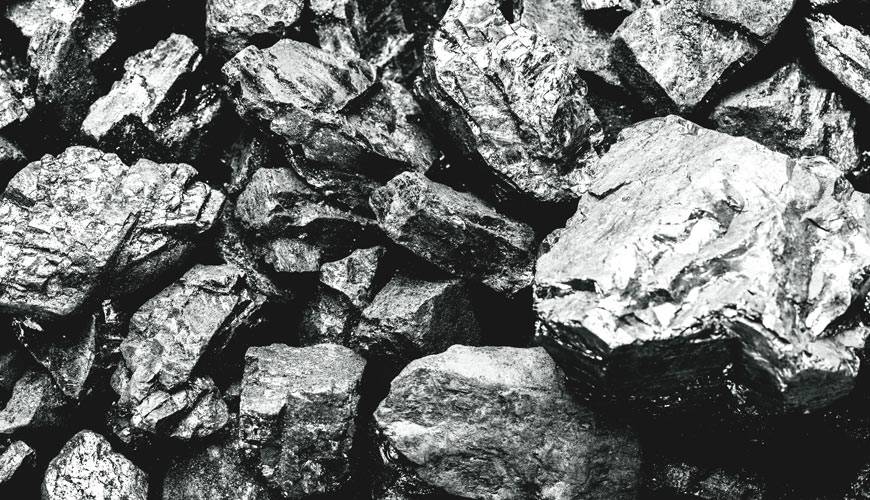
Increasingly sought after, palladium is the latest metal to be added to the list of precious metals - and it remains one of the best-kept secrets in the jewelry world. Palladium boasts an exceptionally pure, naturally brilliant white color. Incredibly lightweight, it makes for a remarkably comfortable everyday wear. Often called the new platinum, it belongs to the same metal family - yet sets itself apart with some compelling advantages.
Exceptionally rare, palladium is a premium alternative to platinum - delivering comparable quality at a more accessible price point. In jewelry making, it's highly prized, especially for crafting an engagement ring or a men's palladium wedding ring. Its growing popularity comes down to its outstanding quality, striking aesthetics, more approachable price, and the wide range of finishes it can achieve. That said, palladium remains a rare metal - don't expect to find it at every jeweler. Discover all the strengths of this "new" precious metal on the rise.
The word "palladium" has its roots in Greek and Roman mythology, as the goddess of wisdom Athena was nicknamed "Pallas Athena." The name Pallas was given to one of the largest asteroids in the solar system, discovered on March 28, 1802 by German astronomer Heinrich W.M. Olbers.
It was in 1803 that palladium was first observed by the English physician and chemist William Hyde Wollaston, who named it in honor of the famous asteroid. He noticed that when dissolving platinum in aqua regia (nitric acid and hydrochloric acid), not everything dissolved, and a residue remained. It was from this residue that the chemist extracted palladium.
In the early days following its discovery, palladium was used to treat people suffering from tuberculosis. A practice quickly abandoned due to the undesirable side effects it caused.
In 1939, during World War II, as platinum was in high demand for the war effort, palladium became an alternative and began to be used in jewelry making.
In addition to being used in jewelry making, palladium became increasingly popular in the automotive industry starting in 1990, where it was used in the production of catalytic converters.
Today, palladium is one of the rarest and most precious metals on the market. It is used across many industries, including electronics, chemistry, medical care (particularly dental), catalytic converters, bullion, and of course jewelry. Its primary use, however, remains industrial.
Palladium is a rare metal found in very few terrestrial deposits.
In terms of metal production, the vast majority of palladium is mined in Russia and South Africa. A few other countries also produce it, most notably Canada and the United States.
Palladium is a precious metal with the symbol "Pd." It belongs to the platinum group metals ("PGMs"), which also includes rhodium, iridium, and ruthenium.
Although its appearance is very close to that of platinum, palladium is much less dense, making it significantly lighter and also less expensive. It takes the form of a silvery-white, soft, and malleable metal with a face-centered cubic structure.
The hardness of palladium is 4.75 on the Mohs scale, with a density of approximately 12.02. It has the advantage of not tarnishing in air and offers strong resistance to corrosion, oxidation, and very high temperatures. In the industrial sector, it is highly valued for its mechanical properties and electrical conductivity. It is also an excellent catalyst for chemical reactions.
Like other precious metals, palladium must be combined with another metal to be used in jewelry making. Depending on the percentage of palladium in a piece of jewelry, the price will vary accordingly. The purity of palladium jewelry is therefore assessed as follows:
Officially recognized as a precious metal since 2010, palladium must be hallmarked by law. The hallmark is a government guarantee required for all precious metal jewelry weighing more than one gram. Thanks to this official recognition, palladium has seen its value rise significantly in the jewelry world. Hallmarking allows the exact palladium content of a piece to be determined, which is a key factor in its value. Palladium hallmarks take the form of rectangles with cut edges, preceded by the letters "Pd" and displaying the grade 500, 950, or 999.

Palladium is a white metal that closely resembles platinum. Like platinum, it is hypoallergenic and therefore perfectly suited for the most sensitive skin. It stands the test of time with flair thanks to its natural luster and will not tarnish over the years. It is also a hard metal that is particularly scratch-resistant, while being lightweight (unlike platinum), making it very comfortable for everyday wear, especially for those who are not used to wearing jewelry very often.
Price is another advantage of palladium, as it is far more accessible than platinum. Compared to white gold, it is pricier but requires no rhodium plating, coating, or special maintenance. It is therefore a sound investment that offers lasting peace of mind, keeping your piece looking radiant for years to come.
Another advantage of palladium is that it requires very little upkeep. To fully enjoy the brilliance and beauty of this metal, an occasional cleaning can nonetheless be beneficial. To clean palladium, simply wash the jewelry piece with lukewarm water and soap, gently scrub with a soft brush, then dry with a soft cloth (such as chamois leather).
On our online jewelry store, you'll have the pleasure of choosing from the finest pieces in precious metal. Whether you're looking for a palladium ring, necklace, or bracelet, Ocarat offers a wide, high-quality selection. Whether for yourself or as a gift, browse our online jewelry store and discover all the top palladium jewelry brands. To help you make the right choice, our team of specialists is on hand to provide all the information you need about palladium.
Palladium is a naturally silvery-white metal that closely resembles platinum. While the visual difference is not easy to spot, it is worth noting that palladium is significantly lighter than platinum. To be sure a jewelry piece is made of palladium, check its hallmarks: rectangles with cut edges, preceded by the letters "Pd" and indicating the palladium content.
Particularly resistant and durable, palladium requires very little maintenance. An occasional cleaning is recommended to preserve the full beauty of your palladium jewelry. To do so, use lukewarm water, soap, a soft brush, and a soft cloth.
Like all other precious metal jewelry, palladium is designed to last a lifetime. Thanks to its strength and durability, it will not deform and will hold up perfectly over time.
To ensure you're choosing a quality palladium jewelry piece, trust Ocarat. Our online jewelry store is the go-to destination in this field and guarantees the finest palladium jewelry. To find the best quality for your palladium jewelry, explore our extensive collection.
Share :