

Aurora
750/1000 White Gold Aquamarine Necklace, 42 cm length
451,50 € 645,00 € -30%

Gemstone necklaces: blue topaz, amethyst, tourmaline, aquamarine, citrine… Discover a colorful selection set in yellow, white, or rose gold, perfect for everyday wear or gifting.




10 027 customer reviews


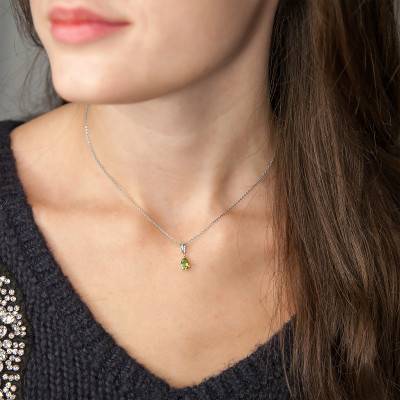
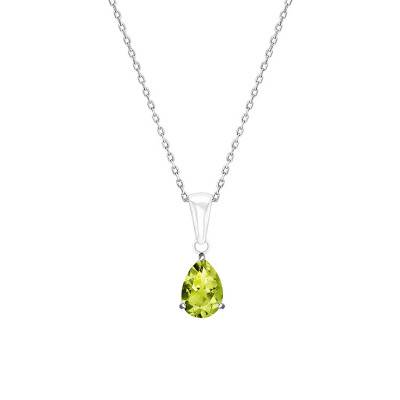


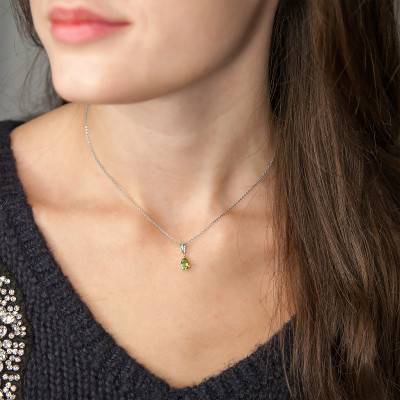
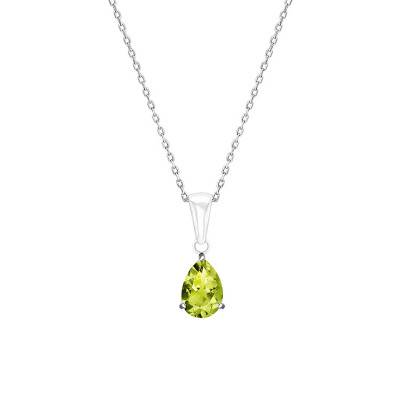
A colored gemstone necklace pairs a gemstone with a yellow, white, or rose gold setting. Topaz, amethyst, tourmaline, tanzanite: these gemstones offer a much wider range of colors than diamonds, and each has its own character. Icy blue, violet, green, pink, or honey: our gemstone necklace selection lets you find a signature shade or embrace a multicolored look.
Amethyst, which ranges from light to deep violet, is the most sought-after: a yellow gold amethyst necklace works just as well at the office as it does for an evening out. Topaz comes in deep London Blue and pale Sky Blue; the pendant on the blue topaz necklace comes in round, oval, pear, or triangular shapes. Tourmaline is available in green and pink: a pink tourmaline pendant adds a soft touch, while green makes a bolder statement. Deep red garnet and rhodolite, a pinkish-red garnet variety, pair beautifully with winter outfits. Golden-yellow citrine looks especially good with yellow gold. Aquamarine brings a luminous pale blue that's particularly popular in delicate necklaces. Blue-violet tanzanite shifts in shade with the light, making a tanzanite pendant especially captivating. Apple-green peridot is a natural choice for summer jewelry. Finally, blue-violet iolite and deep green diopside appeal to anyone looking for a less common stone.
Colored gemstones are gems other than the four precious stones: diamond, ruby, sapphire, and emerald. The group is vast, and each stone has its own color, transparency, and hardness. Our necklace selection includes topaz (London Blue and Sky Blue), amethyst, citrine, green and pink tourmaline, aquamarine, tanzanite, garnet and its rhodolite variety, peridot, iolite, and diopside. All are set in yellow, white, or rose gold.
In France, the term “precious stones” is reserved for four gems: diamonds, rubies, sapphires, and emeralds. All other gemstones used in fine jewelry are classified separately. The industry no longer uses the term “semi-precious stone,” as it implied that these gems were necessarily less valuable. In reality, a gemstone's price depends mainly on its color, clarity, cut, and carat weight: a high-quality tanzanite or aquamarine can cost more than a small diamond. When choosing a necklace, start with the color and style.
Two factors can help you decide. First is hardness, measured on the Mohs scale from 1 to 10: topaz (8) and aquamarine (7.5 to 8) resist scratches better than tanzanite (6 to 7) or peridot (6.5 to 7), which are better saved for occasions than worn every day. Second is the birthstone, a personal gift idea: garnet for January, amethyst for February, aquamarine for March, peridot for August, tourmaline for October, topaz and citrine for November, and tanzanite for December. Then choose the stone's shape and the color of the gold.
No, topaz is a gemstone, not one of the four precious stones. Still, it's among the most durable gems, with a hardness of 8 on the Mohs scale, making it a good choice for everyday jewelry. Its value depends on color, clarity, cut, and carat weight. Blue topaz, including London Blue and Sky Blue, is the most common in fine jewelry and remains affordable, making it a great introduction to colored gemstones. For a pendant, the gold's fineness, whether 375 or 750, also affects the price.
Official European Union notice on your rights in the event of a product's lack of conformity.