
0
Product added
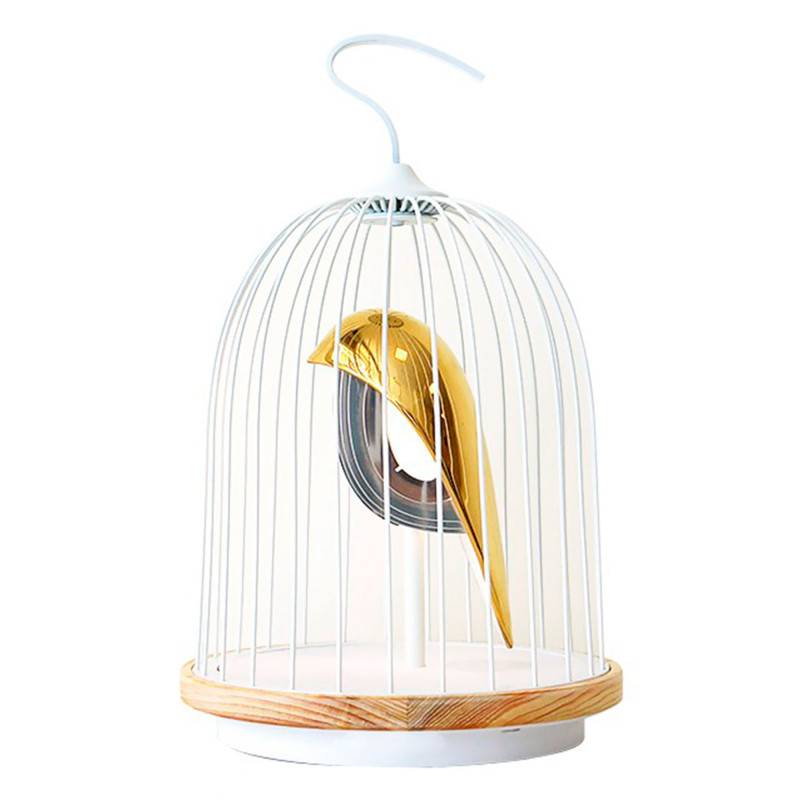
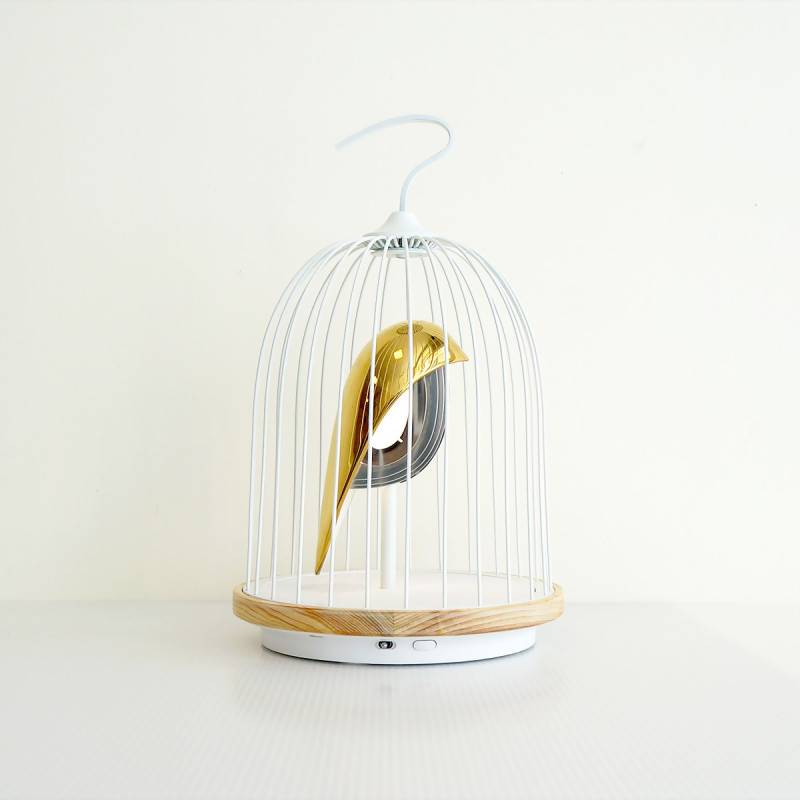


| Reference Ocarat | #45813 |
| Brand | Daqi Concept |
| Product Type | wall clock |
| Gender | Men Women |
| Color | Brown Gray White Yellow |
| Material | Ceramic Steel Wood |
| Warranty | 2 Years |
| Labels and Certificates | Authorized Retailer |
The Bird
This striking decorative object draws its inspiration from one of mythology's most iconic creatures: the Phoenix. Favored by Apollo, the god of the sun, the Phoenix is a timeless symbol of eternity - a being that burns itself to ash only to be reborn from the flames. It embodies death, resurrection, and nobility in equal measure. Its name comes from the ancient Greek φοῖνιξ, transliterated as "phoînix," meaning literally "crimson red." French anatomist Georges Cuvier linked the Phoenix myth to a very real bird: the golden pheasant, whose vivid plumage he felt matched the descriptions given by Pliny the Elder, a Roman writer and naturalist of the 1st century. The legend was later connected to birds of paradise, the Egyptian Bennu (a manifestation of the solar god Osiris), and flamingos.
Many cultures share a creature strikingly similar to the Phoenix. Persian mythology speaks of the Simurgh and the Rokh; Chinese mythology gives us the Fenghuang; and Native American and Aboriginal Australian traditions speak respectively of the Thunderbird and the Minka Bird. Jewish legend (Midrash Rabbah) describes an immortal bird called the Khôl (עוף החול), said to have earned God's gift of eternal life by being the only creature to refuse the forbidden fruit from the Tree of Knowledge. For Christians, the Phoenix stands as a symbol of Christ's resurrection.
Across virtually all religions and mythologies, the Phoenix is described as a magnificent bird originating from Arabia, with a profound connection to sun worship - a cult particularly venerated in ancient Egypt. According to the Greek and Latin classical authors, the Phoenix is roughly eagle-sized, distinguished by its dazzling plumage and its immortality: at the hour of its death, the Phoenix builds a nest of aromatic branches and incense, ignites itself in flames, and rises reborn from its own ashes. The Roman grammarian and compiler Gaius Julius Solinus, known in French as Solin, describes the Phoenix in his Polyhistor (a kind of encyclopedia), Chapter 34: "There too is born the phoenix, which has the stature of the eagle, its head adorned with a cone of feathers, wattles at the throat, the neck radiant with gold, the rest of the body purple in color, except for the tail, which is of bright azure streaked with crimson feathers."
Finally, to close out the legend: some traditions hold that only one Phoenix ever exists at a time, while others saw it as a singular variant of the eagle. What every version agrees on is its extraordinary lifespan - no account describes it living fewer than 500 years before its resurrection.
Features
The Daqi Concept Jingoo is the ultimate decorative accessory for your home. Easy to use, its music and alarm clock functions are controlled via a dedicated app (currently available on Apple only, with Android support in development).
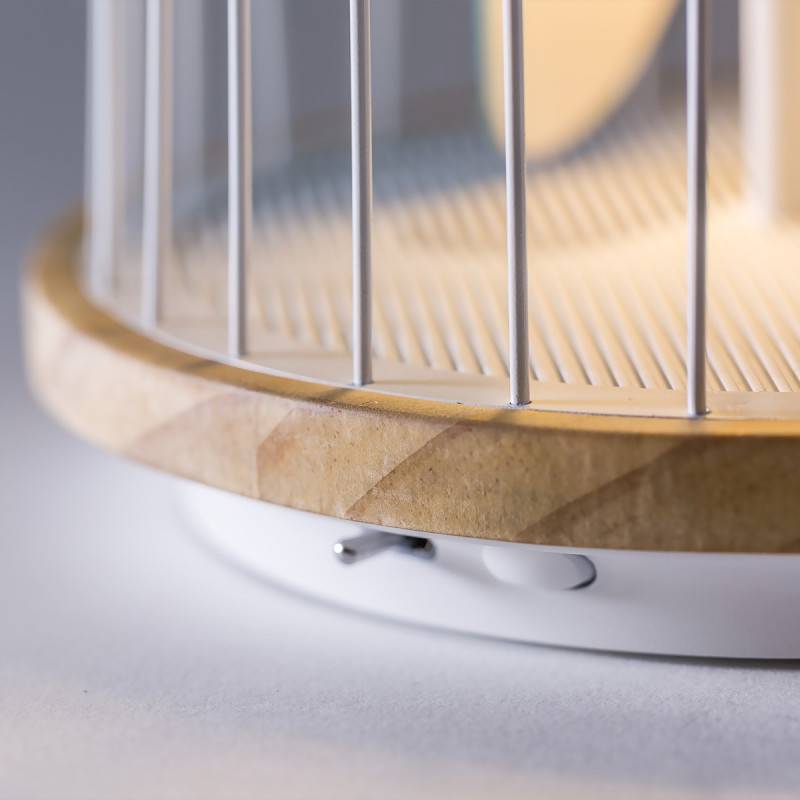
The Music : The Jingoo features two speakers designed to reproduce music with the highest possible fidelity. The bass is handled by the speaker housed in the wooden base structure, with its sound waves reflected and amplified by the bird's ceramic tail. The treble is delivered by the speaker located in the bird's body. Together, these two sound sources create a deep, immersive stereo effect. In its design, the Jingoo was engineered to optimize sound quality across all frequencies. The bird's form allows frequencies to be mixed at 1,800 Hz, effectively filtering out everything below the bass range or above the treble range. This prevents the interference that can occur from overlapping bass and treble signals, allowing each to reach its full potential.
The Light : The Jingoo gives you full control over the ambiance - choose between bright or dimmed lighting to suit the mood. Simply turn it on using the button on the base, then adjust the brightness with the dimmer switch located right next to it.
Technical Specifications :
The Craftsmanship
With the design team based in Taiwan, it was only natural to prioritize local artisans and the unique materials of their host country's culture - and that philosophy runs through every component of the Jingoo. The Taiwanese city of Yingge is celebrated as one of the world's great centers of ceramic craftsmanship, holding a prominent place in the global ceramics market. And since Taiwan is a subtropical island, it has been renowned for over a century for its high-quality timber exports. The base is crafted from a round slice of local Taiwanese wood, while the bird's body is shaped from Yingge ceramic - formed in precision molds and fired in traditional kilns by the city's master ceramicists. The decorative motifs found on select Jingoo models are created using a technique known as "Ceramic Decal," a meticulous, multi-step process designed to ensure the patterns adhere flawlessly to the bird's curved form.


Share :
Jingoo White Phoenix JG01-WP
(Ref. 45813)
Official European Union notice on your rights in the event of a product's lack of conformity.