
0
Product added
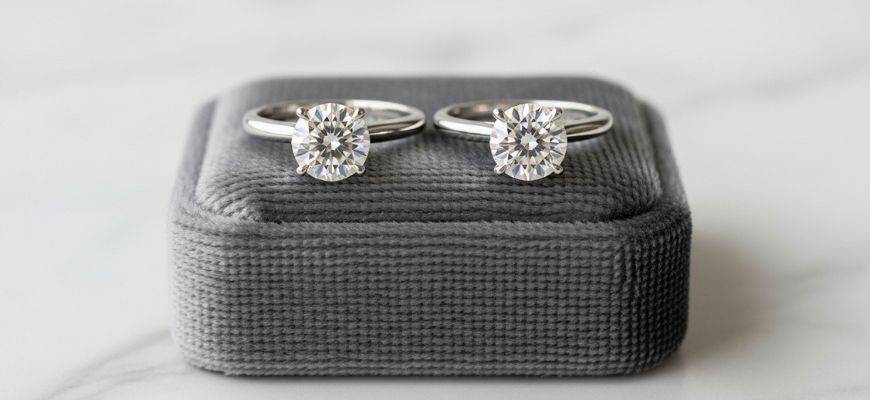
For the past few years, one question has come up in nearly every conversation about buying diamond jewelry: natural or lab-grown? The topic sparks strong opinions on both sides and often leaves buyers uncertain. This guide doesn't make the decision for you. It gives you the facts, the most commonly cited arguments, and a practical tool to decide based on what truly matters to you.
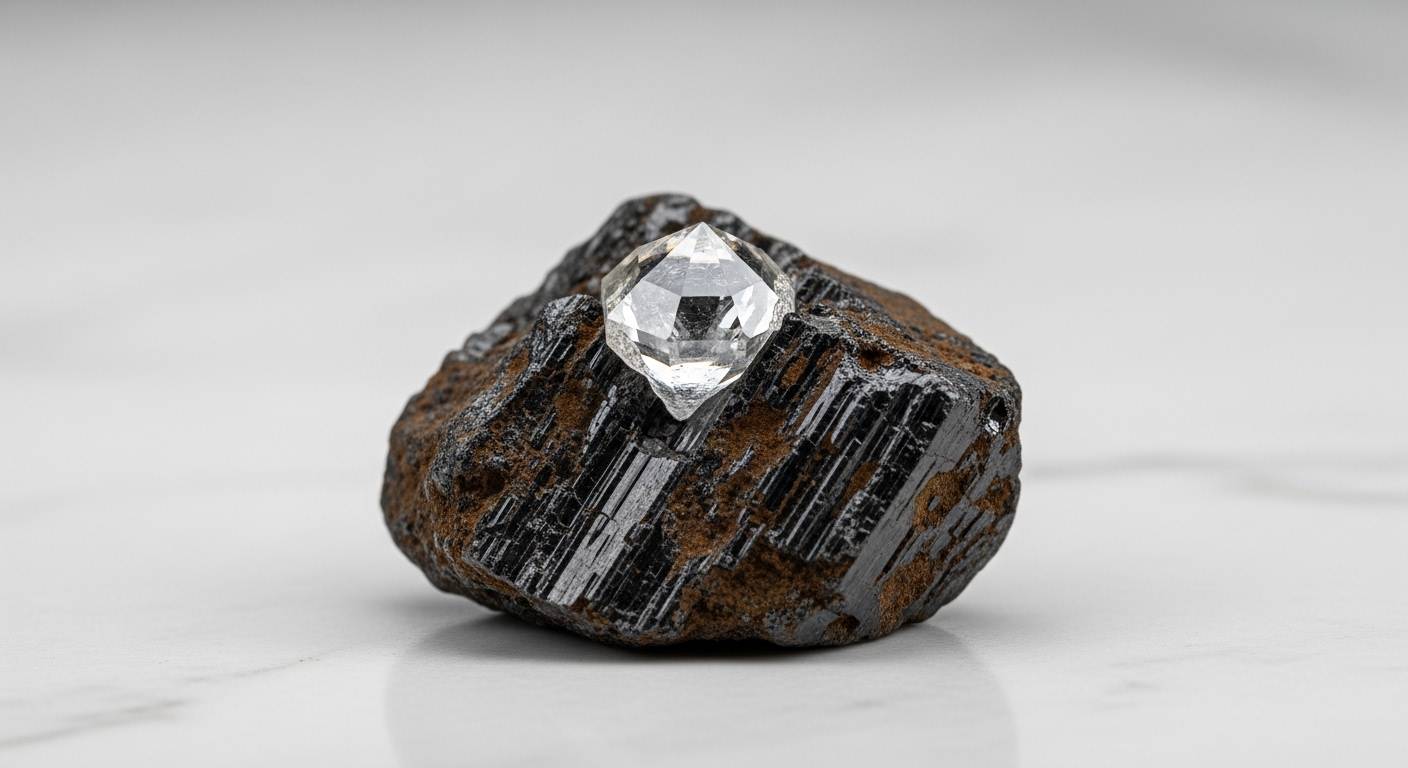
A natural diamond is pure carbon crystallized in the Earth's mantle, at a depth of 90 to 125 miles (150 to 200 kilometers), under pressure of approximately 75 tons per cm² and a temperature of around 2,000 °C. These extreme conditions cause carbon to slowly crystallize into a cubic structure of unmatched hardness found nowhere else in nature.
Formation time ranges from 1 to 3.3 billion years - between 25 and 75% of the Earth's age. Diamonds then travel toward the surface through deep volcanic eruptions, carried within geological formations called kimberlite pipes. It is in these deposits that mines extract them today, primarily in Russia, Botswana, Canada, and Australia.
This extraordinarily long formation process, occurring in geologically limited zones, accounts for the fundamental rarity of natural diamonds. Fewer than 0.1% of mined diamonds will exceed 1 carat once cut.
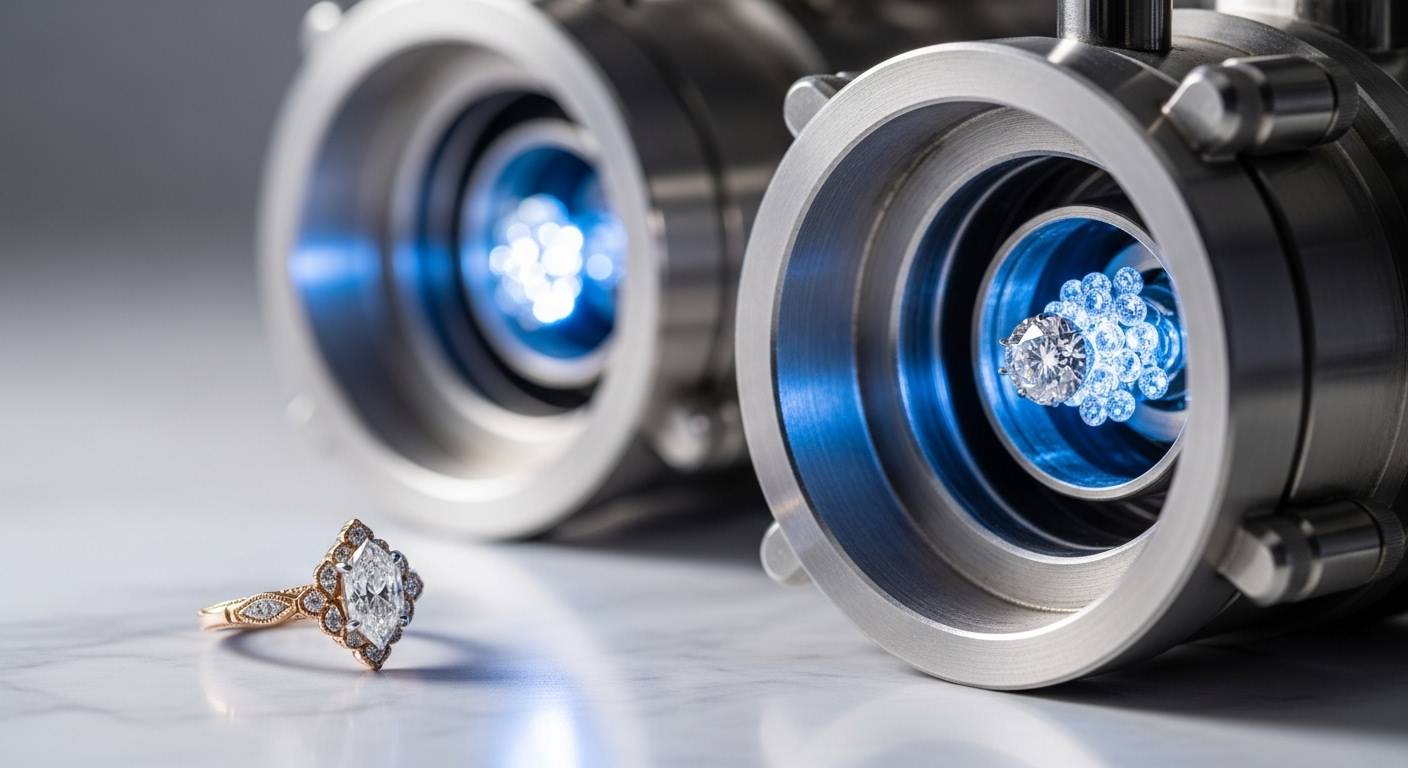
A lab-grown diamond - also known as a laboratory diamond, synthetic diamond, cultured diamond, or lab-grown diamond - is a diamond in every sense. Its chemical composition is identical to that of a natural diamond: pure carbon crystallized in the same cubic structure, with the same hardness of 10 on the Mohs scale, the same refractive index, and the same brilliance.
The difference lies in its origin: instead of billions of years in the Earth's mantle, it forms in a matter of weeks inside a laboratory, using one of two processes:
Both processes produce stones certified by the same laboratories as natural diamonds - GIA, IGI, HRD - using the same 4C grades (carat, color, clarity, cut).
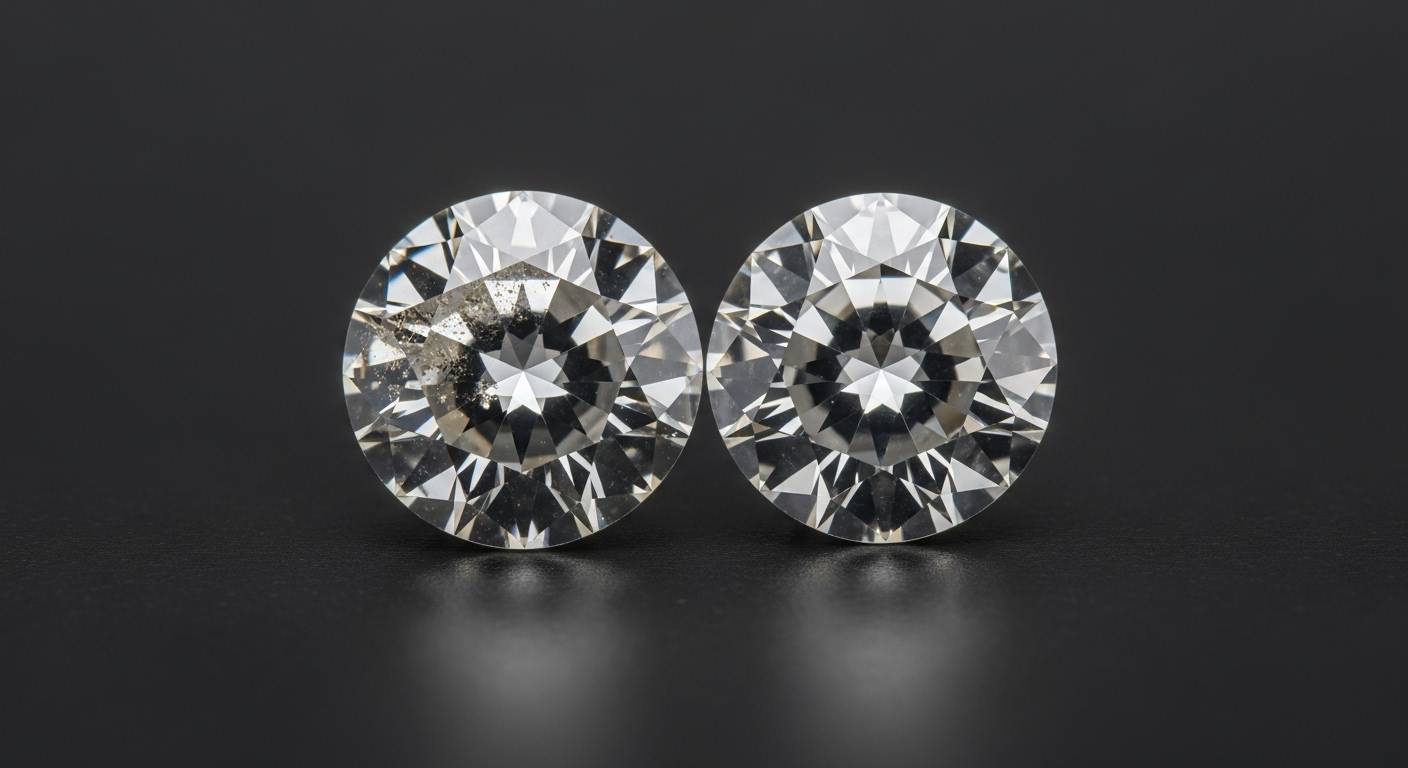
To the naked eye, even an experienced gemologist cannot distinguish a natural diamond from a lab-grown one. Both are crystallized carbon, with the same hardness, the same brilliance, and an identical refractive index. This is now universally recognized by the profession and by international gemological institutions.
Differences do exist, but they are only detectable with specialized instruments.
Natural diamonds typically contain nitrogen trapped during their formation in the Earth's mantle. CVD synthetic diamonds are often free of it - this is one of the markers analyzed by infrared spectrometry to identify the origin of a stone. HPHT diamonds, for their part, may contain metallic micro-inclusions (iron, nickel) related to the catalyst used in the process.
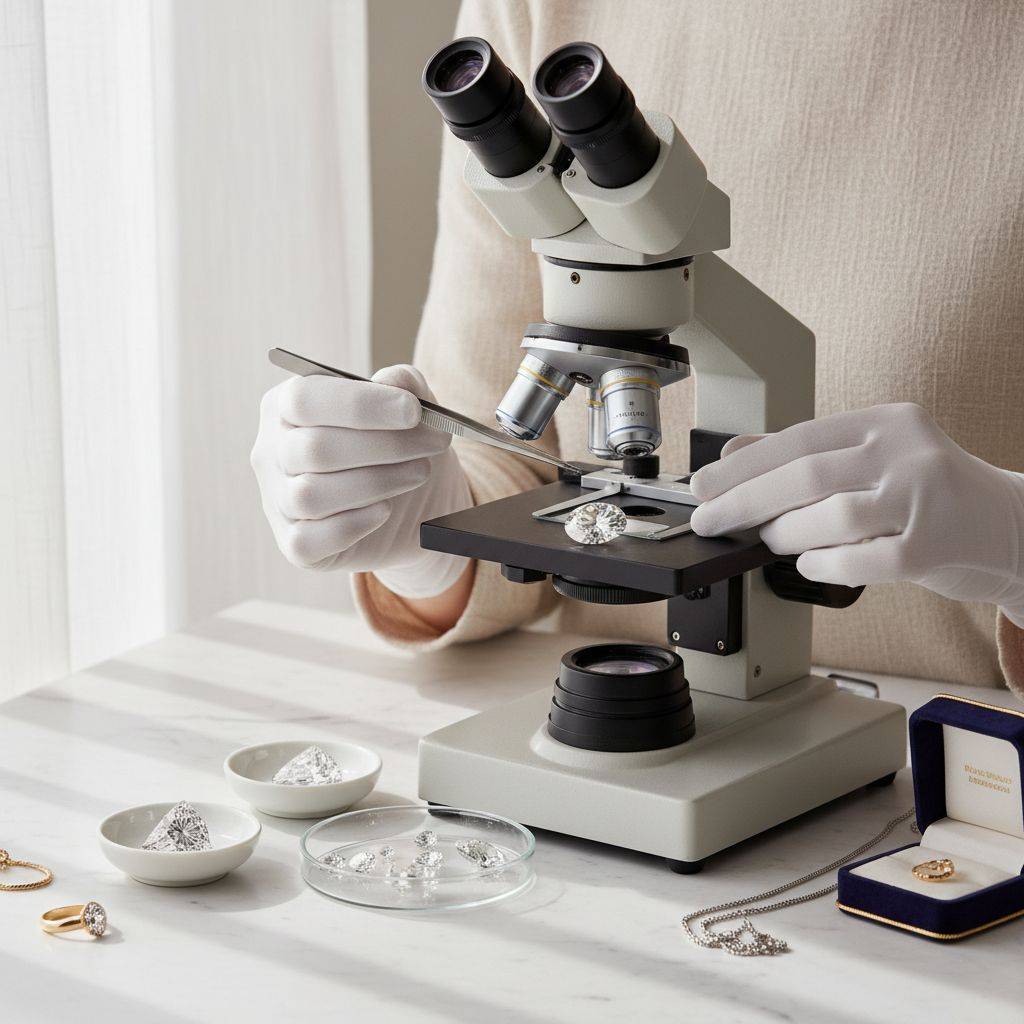
Additionally, since 2019 GIA has laser-inscribed the words " Laboratory-Grown " on the girdle (edge) of every lab-grown diamond it certifies. This inscription, invisible to the naked eye, is readable under a loupe. It ensures complete traceability of the stone.
This is probably the most visible difference for the buyer. At equivalent specifications - same weight, same color, same clarity, same cut - a lab-grown diamond costs between 50 and 70% less than a natural diamond. This gap is explained by the costs of mining, the international supply chain, and the geological scarcity of natural diamonds, versus a continuously optimizable industrial process for lab-grown stones.
In practical terms, a 1-carat lab-grown diamond, G color, VS1 clarity, can be found for around 1 500,00 € to 2 500,00 €, whereas its natural equivalent often exceeds 5 000,00 € to 8 000,00 €. This budget gap opens up real options on size, clarity, or choice of setting - criteria you can explore directly in our selection of diamond engagement rings or diamond wedding bands.
Resale value, however, follows the opposite logic: as production costs for synthetic diamonds continue to fall, their secondary market value is low and keeps declining. Natural diamonds, supported by their geological scarcity and a global supply that has been declining since 2005, hold their value far better over time.
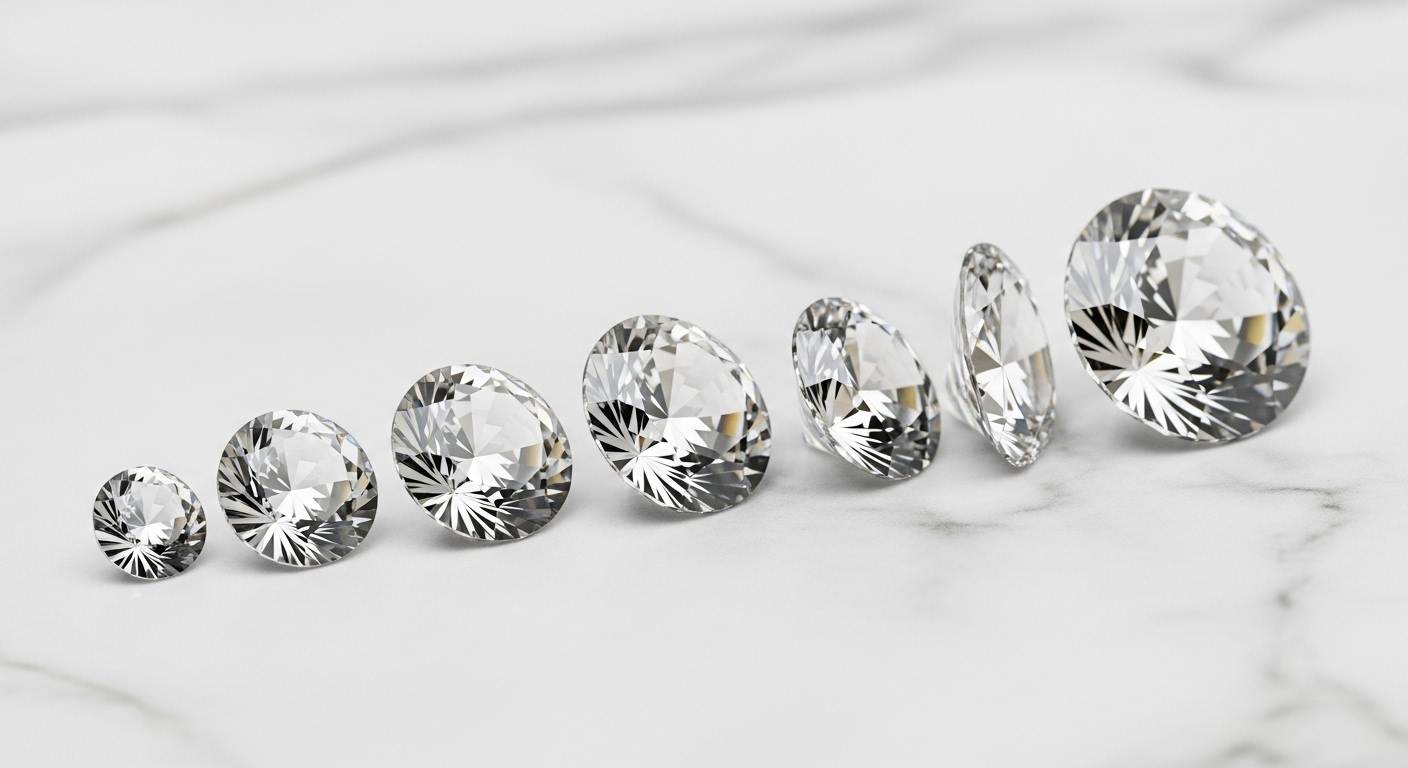
What follows reflects the arguments most frequently cited by advocates of each option. They are presented without bias: it's up to you to weigh what matters most.
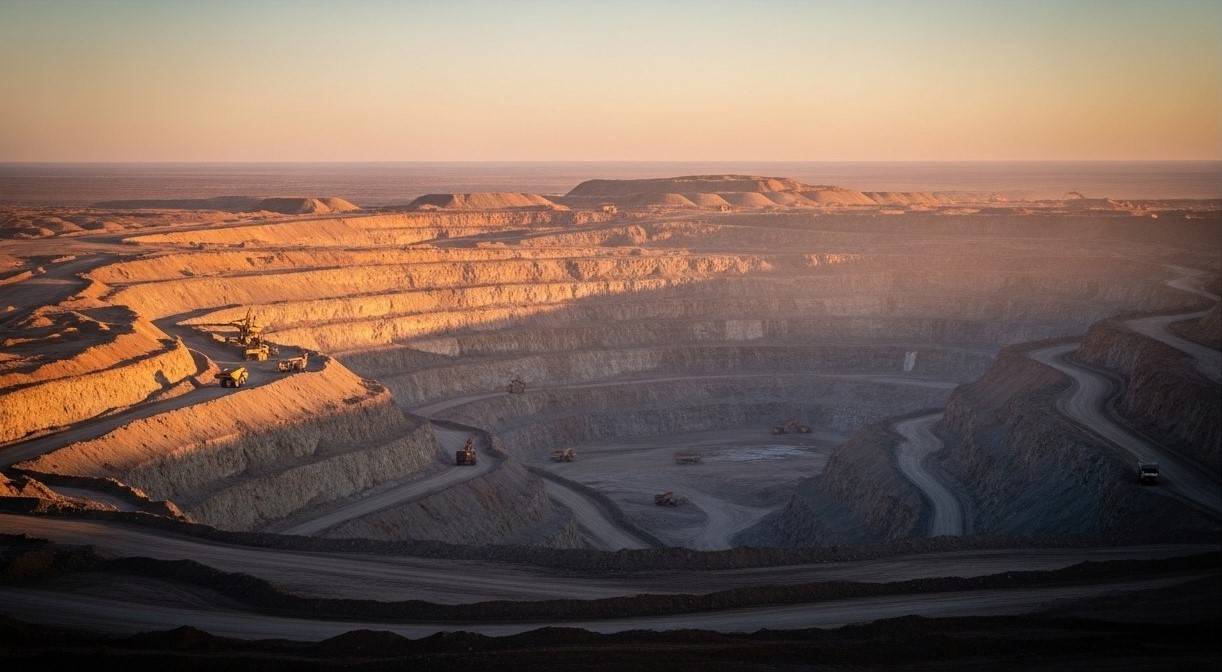
Lab-grown diamonds are often marketed as the inherently "eco-friendly" choice. The reality is more nuanced and deserves an honest, unbiased look.
The mining of natural diamonds has well-documented environmental impacts: excavation, water consumption, and land displacement. At the same time, certified mining operations invest in site rehabilitation programs and contribute economically to countries like Botswana, where diamonds accounted for 33% of GDP in 2021.
Neither is objectively superior to the other. The right choice is the one that aligns with what you value. This table helps you identify which one best fits your priorities.
| What Matters to You | Prefer Natural | Prefer Lab-Grown |
|---|---|---|
| Tight Budget, Most Beautiful Stone Possible | ✓ | |
| A One-of-a-Kind Stone with a Geological History | ✓ | |
| Resale Value or Heirloom Potential | ✓ | |
| No Mining Required | ✓ | |
| The Stone's History and Emotional Weight | ✓ | |
| Cut or Carat Weight Takes Priority Over Origin | ✓ | |
| Accessible Colored Diamonds (Pink, Blue, Green) | ✓ | |
| Long-Term Asset Investment | ✓ |
In all cases, insist on a certificate from a recognized independent laboratory - GIA, IGI, or HRD - regardless of the type of diamond you choose. This document certifies the nature of the stone, its 4C grades, and for lab-grown stones, explicitly states the laboratory origin.
Did this guide help you understand the difference between the two types of diamonds? The next step is finding the jewelry that matches your choice. Ocarat offers a curated selection of GIA- and IGI-certified jewelry, in both natural and lab-grown diamonds, with free shipping to metropolitan France and Belgium and 4-installment, interest-free payment available.
→ Gemstone Guide · Guide to Choosing Your Engagement Ring · Guide to Choosing Your Wedding Ring
Share :
Official European Union notice on your rights in the event of a product's lack of conformity.