
0
Product added
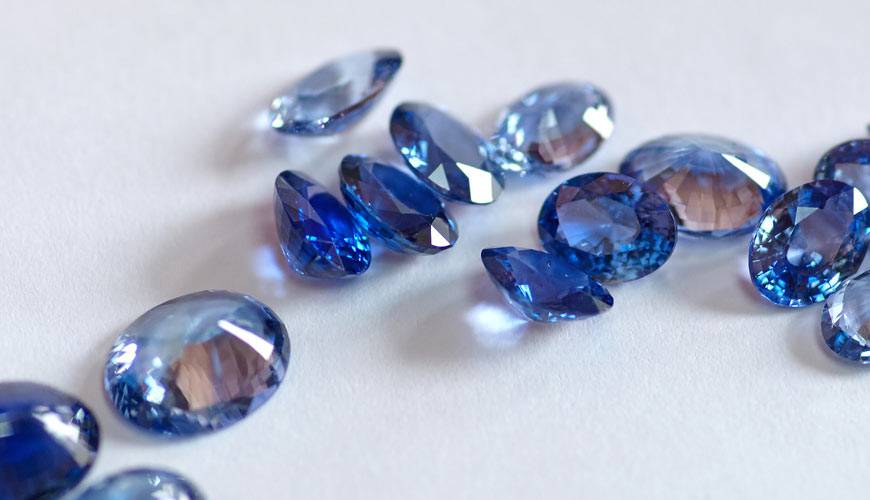
Alongside diamond, ruby, and emerald, sapphire is one of the most popular precious stones in France and around the world. Best known for its stunning blue hue, it can also appear in other colors. With its gentle, romantic aura, sapphire is one of the most widely used stones in fine jewelry. Thanks to its cool, deep tone, it pairs particularly well with cold precious metals such as white gold or platinum - though depending on the intensity of its color, it can also beautifully complement yellow or rose gold.
The word "sapphire" comes from the Hebrew "sappir", meaning "the most beautiful thing", or from the Greek sappheiros. Throughout history, cultures around the world have attributed mystical powers to this precious stone. In ancient civilizations, it was worn as protection against evil. For the Egyptians, it was considered the stone of justice and truth. During the Middle Ages, priests often wore a sapphire ring as a symbol of their devotion to God. Among the Hebrews, the Tablets of the Law given to Moses were said to have been engraved in this gem. Blue being the color of royalty, sapphire has always been synonymous with prestige and luxury - which is why it was so often worn by sovereigns and nobles.
Sapphire also carries deep symbolic meaning. As the birthstone for September, it evokes wisdom, peace, and truth, as well as purity and faithfulness.
This gemstone appears in all types of jewelry, from rings to sapphire pendants, as well as bracelets, brooches, and earrings. Sapphire is also widely used in engagement rings thanks to its rich symbolism - it can serve as the main stone or as an accent stone complementing diamonds, for example. Before use, sapphires may undergo heat treatment at 1,300°C to intensify their color and clarity while eliminating potential inclusions. This technique is widely accepted in the trade.
As for production, sapphire is found only in specific geographic regions. Generally formed in metamorphic or igneous rocks, it is most commonly found in alluvial (secondary) deposits. The main sapphire-producing countries are located in Southeast Asia (Sri Lanka, Thailand, Cambodia, Myanmar) and India (Kashmir). Mines also exist in all four corners of the world, from Madagascar to China, as well as Australia and the United States.

A member of the corundum family, sapphire is a stone with a trigonal structure composed primarily of oxygen and aluminum. The various oxides present - such as titanium and iron - give it that vivid blue color. With a hardness of 9 on the Mohs scale and a density of 4, sapphire is an exceptionally hard natural material with outstanding long-term durability.
While blue is the best-known and most prized sapphire color, sapphires exist in many other hues including pink, yellow, green, orange, and violet - and even red, making sapphire a close cousin of the ruby. They can also be completely colorless.
Choosing a gemstone requires a solid understanding of what makes one high quality. Here are the key criteria to consider when buying a sapphire.
Most commonly known for its blue tones, sapphire color ranges from light to dark. Generally speaking, the more intense, vivid, and uniform the color, the more valuable the stone. Taking blue - the most prized hue - as an example, the most sought-after shades range from velvety blue to blue-violet. Royal blue is the most coveted shade in this category. For non-blue hues, intensity is generally preferred over clarity.
The clarity of a sapphire depends largely on the visibility of its inclusions. A few may be detectable to the naked eye, but they should never block light from passing through the stone. Note that a sapphire with excellent clarity will have only a few inclusions - and those will be invisible to the naked eye. The purer the stone, the more valuable it is, and the higher the price.
Cut is important because it determines how well the stone displays a luminous, even color. When buying, always look for a well-cut stone.
The larger the sapphire, the higher its value. A sapphire between 2 and 5 carats is considered top quality.
Regardless of the stone chosen, always insist on a certificate issued by an independent, recognized authority - in particular to confirm that any heat treatment applied was "natural" and free of any additives that could alter the stone. It is in fact very common for sapphires to undergo heat treatment to intensify their color and mask inclusions. While this practice is accepted, it must be stated in the certificate accompanying the stone. Note that a sapphire with a fully natural, untreated color is extremely rare - which is precisely why such stones command a premium price.
Like many gemstones, sapphire is a gem with a wide range of properties. On both a physical and spiritual level, it is known for its purifying and calming qualities. As a stone of serenity, sapphire is said to soothe those prone to anger or emotional turbulence such as mental tension and confusion. Its benefits are wide-ranging and include the ability to ease depressive states, clear negative thoughts, stimulate focus and creativity, and bring a sense of lightness and joy.
On a physical level, sapphire is said to help relieve a number of ailments including migraines, fever, inflammation, insomnia, rheumatism, joint pain, and vision problems. It is also recognized for its beneficial effects on blood disorders, helping to strengthen the venous system.
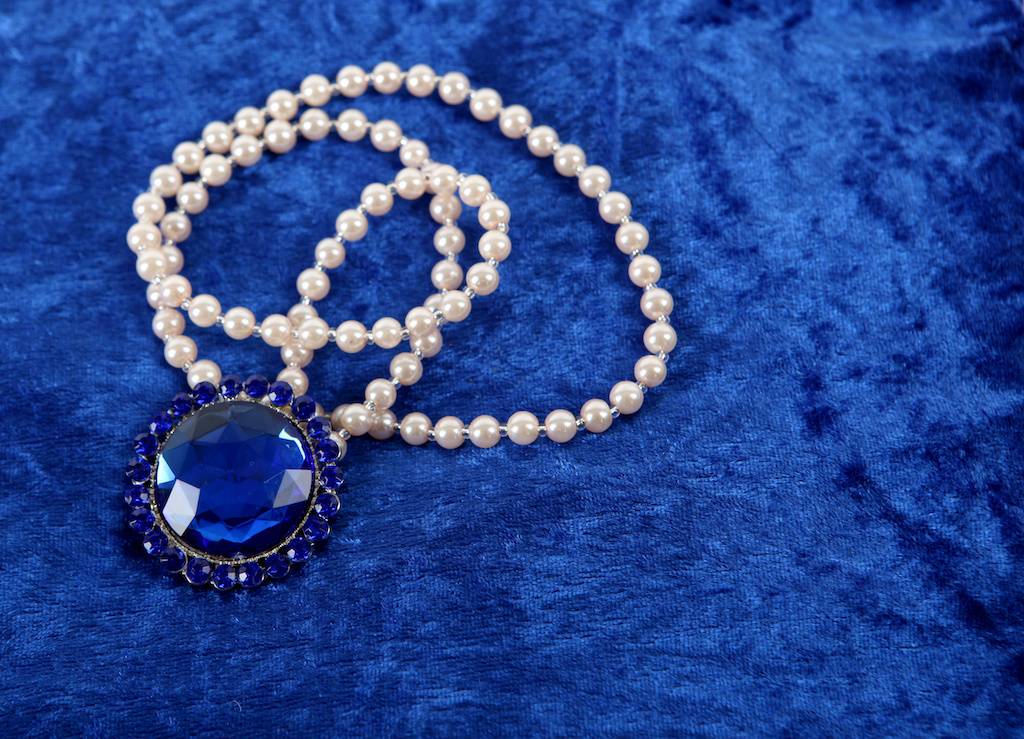
Whether you're treating someone special or indulging yourself, sapphire jewelry is always a winning choice. Bracelets, pendants, rings, sapphire earrings, even watches - this gemstone works across a wide range of styles. Ocarat gives you access to an online jewelry store with a vast collection where you're sure to find exactly what you're looking for. Every piece is carefully selected for quality, so you can add a touch of elegance and luxury to any look.
To avoid purchasing a low-quality stone, it's essential to know how to evaluate both the color and the clarity of a sapphire. These two criteria are decisive when determining gemstone quality and should be carefully examined to assess the true value of any precious stone.
Examining the stone under natural light can also help you tell a genuine gemstone from a fake. Natural light brings out any inclusions present, which are a telltale sign of a real gem's quality.
Although sapphire is a hard material built to last for years, proper care is still essential. Day to day, avoid contact with chemicals and store it separately from other pieces. Cleaning is simple: a soft brush and a little warm water are all you need, followed by a gentle pat dry with a dedicated cloth.
Ocarat handpicks the finest brands and styles to bring you an ever more prestigious selection of jewelry and watches. Whatever gemstone you're looking for, Ocarat's online jewelry store is here to help you find that perfect piece.
Share :
Official European Union notice on your rights in the event of a product's lack of conformity.