
0
Product added
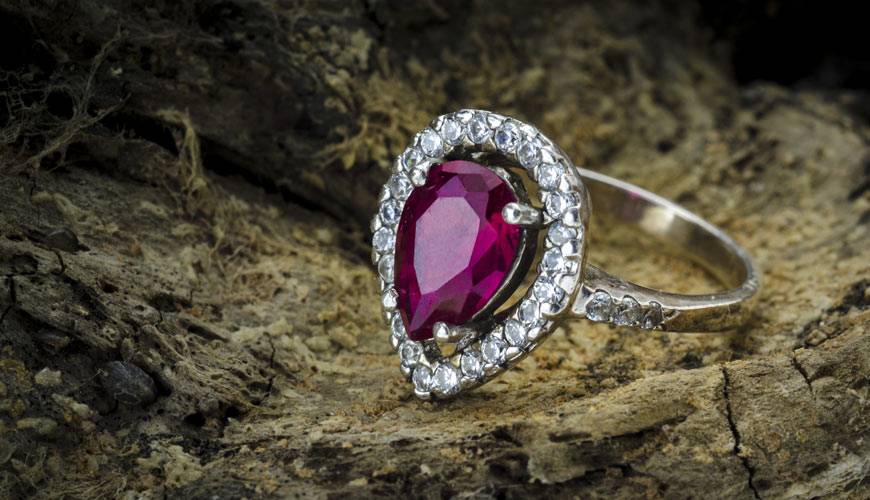
Ruby is the perfect embodiment of the world of precious gems, jewelry, and fine jewelry. This stone - one of only four classified as precious, alongside diamond, sapphire, and emerald - takes center stage in this guide.
What are its defining characteristics? Here, we reveal everything you need to know about the ruby - celebrated for its rich history and deep red color that captivates the eye and adorns the world's most beautiful jewelry.
Instantly recognizable for its rich, fiery, vibrant red, ruby ranks among the most iconic of all precious stones. A gem of rare beauty, it is coveted the world over. One of the hardest minerals on the Mohs scale, ruby commands tremendous fascination.
Primarily worn as jewelry, ruby pairs beautifully with all metal types, especially white gold, which enhances it to great effect. That said, the warm tone of yellow gold is also beloved by many women, as it brings out the ruby's intense red. Particularly stunning at dusk, it is most often worn in the evening. Find all the information and characteristics about this precious stone right here.
The word "ruby" comes from the Latin "rubeus," meaning "red." In India, it was called the "King of Precious Stones." Among Christians, it was said to represent the blood of Christ. It also appeared on many royal crowns and knights' helmets. Like many precious stones, ruby carries deep symbolism. Its intense red color evokes love, making it one of the most cherished stones for jewelry. Note that the ruby wedding anniversary marks 35 years of marriage. The stone also symbolizes health, prosperity, and wisdom.
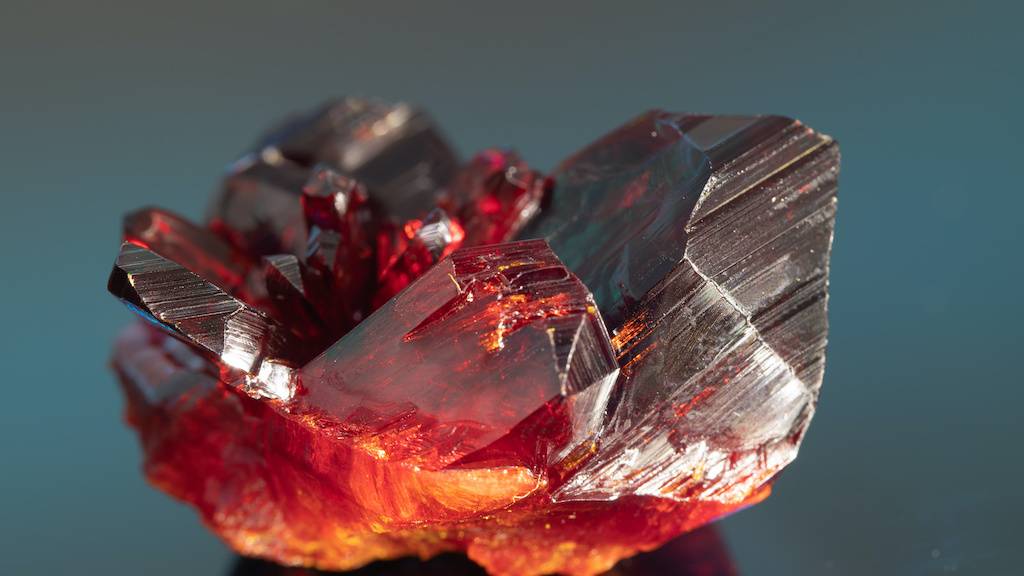
Contrary to popular belief, ruby is the most precious of all gemstones - even more so than diamond. This exceptionally rare gem belongs to the corundum mineral group and is primarily composed of chromium oxide, which influences its hue during formation. Its hardness makes it the fourth hardest mineral (9 on the Mohs scale).
The vibrant hue of rubies is primarily caused by the stone's natural inclusions. While they do not affect quality, they play a major role in the stone's color - except when they prevent light from passing through and dull its brilliance. When the stone is cut en cabochon, certain rutile inclusions known as "silk" reveal a six-rayed star on the surface. This optical effect is called "asterism," or a "star ruby."
While ruby is best known for its brilliant red, its hue can actually vary depending on several factors, particularly the region where it is mined. Found primarily in alluvial deposits, the main ruby-producing regions are Asia (Myanmar in the majority, Thailand, Cambodia, Vietnam, Sri Lanka) and Myanmar (Burma) above all - a land renowned for producing the finest rubies, including the famous "Pigeon's Blood", the most sought-after hue with its intense red and hint of blue. Rubies are also found in Africa, notably in Tanzania and Kenya, as well as in Afghanistan. Depending on origin, ruby color can range from red to orange, pink, violet, or brown. The purer and more vivid the red, the greater the stone's value.
In the world of jewelry, just as with diamonds, the value and beauty of a ruby are determined by the 4C rule. International gemological laboratories are responsible for grading them according to this system and issuing certificates. The most well-known are GIA, HDR, and IGI. We detail each criterion of the 4C rule below.
The cut determines the brilliance and sparkle of a ruby. When expertly executed, the cut allows the stone's fire to shine through at its best. In fact, the angles and proportions of the cut play a major role in the clarity and luminosity of the stone.
With "Pigeon's Blood" as its rarest and most coveted hue, ruby can also display colors ranging from pinkish red to deep red. These variations and nuances are taken into account when classifying the stone.
This refers to clarity - the number of inclusions found inside or on the surface of the stone. Note that very clean rubies are particularly rare, as they are naturally highly included stones. As a result, their price will be higher.
When discussing carats in relation to rubies, we are referring to the weight of the stone. Arguably the most well-known criterion when it comes to precious metals, the carat measures the weight of the ruby and plays an essential role in its price. One carat is equivalent to 0.20 grams.
Inseparable, these four criteria determine the value of a ruby so that it can be purchased and set in jewelry.
The durability and hardness of ruby make it a precious stone perfectly suited for everyday wear. Women find many occasions to showcase ruby jewelry. Among the most classic pieces, the ruby pendant stands out, alongside bracelets, necklaces, brooches, earrings, and engagement rings.
Ruby is also frequently used in watchmaking. For many years, watches were fitted with rubies. Today, however, they are mostly set with synthetic stones.
Caring for your ruby jewelry couldn't be simpler. Just like with diamonds, all you need is warm water, dish soap, and a soft brush - and you're done. Once the stone is clean, dry it with a soft cloth to prevent limescale deposits. Keep in mind that ruby is a gem that should not be overexposed to heat and should be removed when using harsh chemicals.
Beyond its beauty, the ruby offers a wealth of benefits. First and foremost, it is considered a stone of life. Highly stimulating on an energetic level, this stone is said to bring joy, vitality, and enthusiasm. It also acts on self-confidence, lending courage and willpower to even the most reserved individuals. Known for its calming and soothing properties, the ruby is also said to help combat anxiety and nightmares. Believed to protect its wearer from illness, fever, poisoning, and injury, it can also fight fatigue by restoring energy and vitality to the body.
On a physical level, ruby is a stone that plays a major role in heart health and the circulatory system. Believed to have a regulating effect on women's menstrual cycles, it is also recommended for anyone dealing with circulatory and/or cardiac issues.
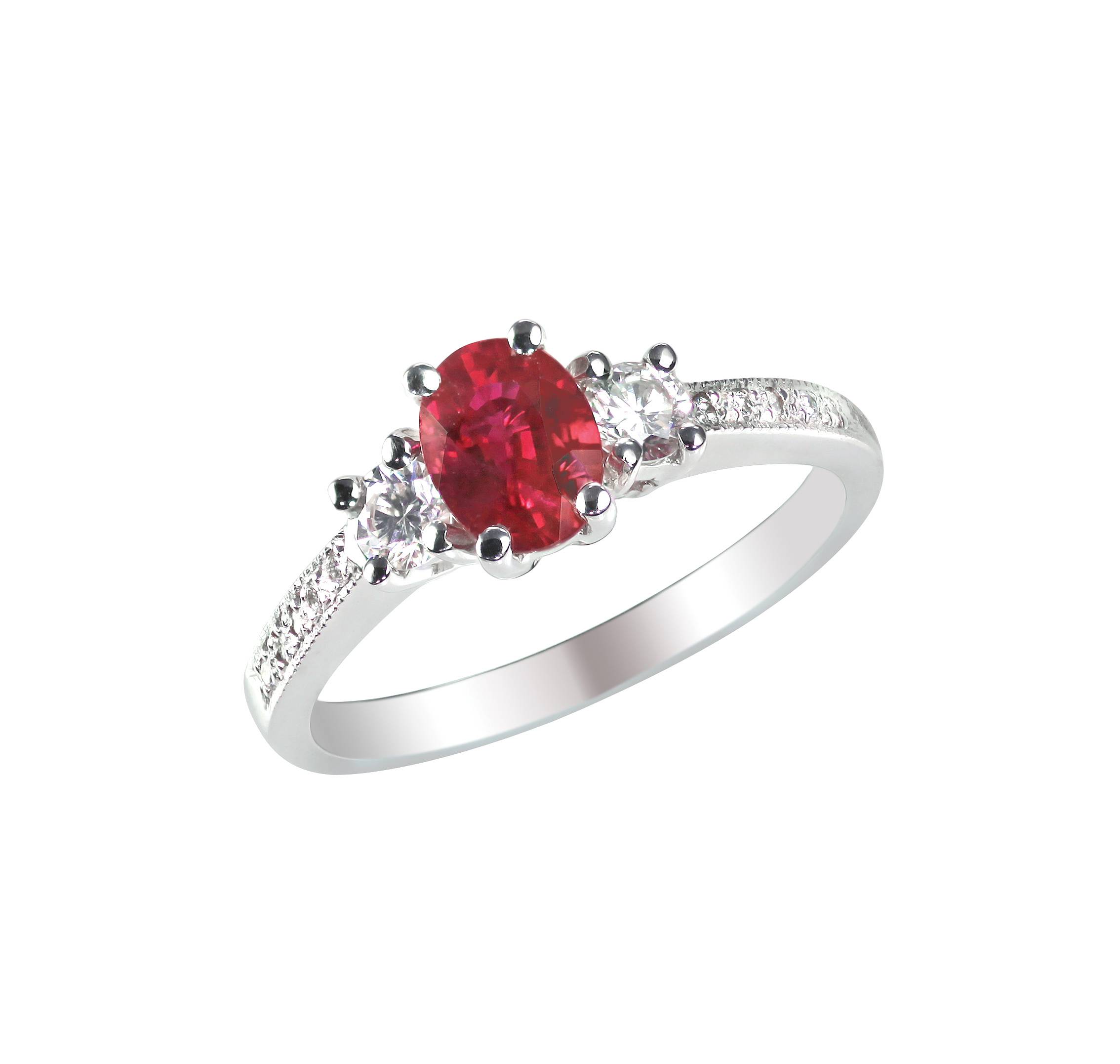
Whatever type of jewelry you're after, Ocarat offers a vast selection of pieces set with a red precious stone - from the ruby necklace to bracelets and a variety of earrings. Browse this specialized site and discover a wealth of quality pieces adorned with brilliantly red precious metals. Looking for a gift or simply treating yourself? Ocarat is the online jewelry store you need. Feel free to explore the site to find the perfect piece.
While ruby is easily recognized by its brilliant red color, you may occasionally encounter a synthetic stone. To identify a genuine ruby, your best clue lies in its inclusions. If the stone shows none at all, it is likely just an imitation.
In general, two criteria come into play when choosing a ruby: hue and brilliance. The stone should be neither too light nor too dark - ideally a vivid to intense red. While inclusions attest to the gem's authenticity, choose one whose inclusions do not result in a dull appearance.
Like any precious stone, ruby is sensitive to external aggressions and deserves regular care. While it is a stone that can be worn daily, this means it is exposed to certain substances that can damage it. It should therefore be cleaned periodically with a dedicated brush.
Committed to offering only the finest jewelry, Ocarat showcases beautifully crafted, radiant stones. Whether you're looking for a bracelet, a necklace, or a ruby ring, our online jewelry store offers a wide selection of products at the best prices.
Share :