
0
Product added
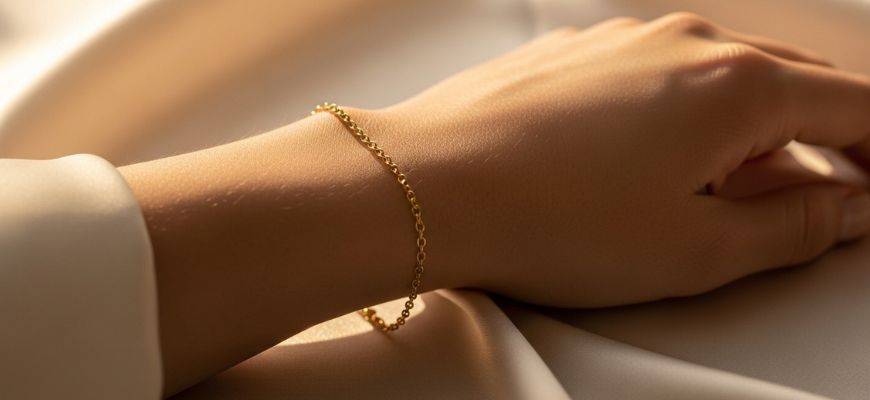
The intention is clear - and so, often, are the hesitations. A piece of genuine gold jewelry is made to be worn for years, sometimes decades, and its quality is apparent from the very first look. Before you buy, three questions almost always come up: which gold grade to choose, which color, and which type of piece for your intended use. This guide answers each in turn, with concrete benchmarks to help you get it right the first time.
The standard fineness in French jewelry is 750‰ (18 karats): the piece contains 750 parts pure gold per 1,000 - that's 75%. The remainder consists of alloying metals (silver, copper, palladium depending on the color) that adjust hardness and hue. This is the quality standard of major jewelry houses and the best balance between purity and durability for a jewelry piece worn daily.
375‰ (9 karats, meaning 37.5% pure gold) is legally approved for sale in France but remains a minority on the French market. The color is slightly less warm, and long-term durability is lower. This fineness is more common in the UK and Northern Europe. Over time, 375‰ gold may show subtle color shifts - the alloy contains a higher proportion of copper and silver, which can eventually alter the surface appearance. This is more noticeable than with 750‰, particularly with daily wear and regular contact with water or perspiration.
Pure gold at 999‰ (24 karats) is virtually never used in wearable jewelry: it's too soft and scratches and deforms with everyday use.
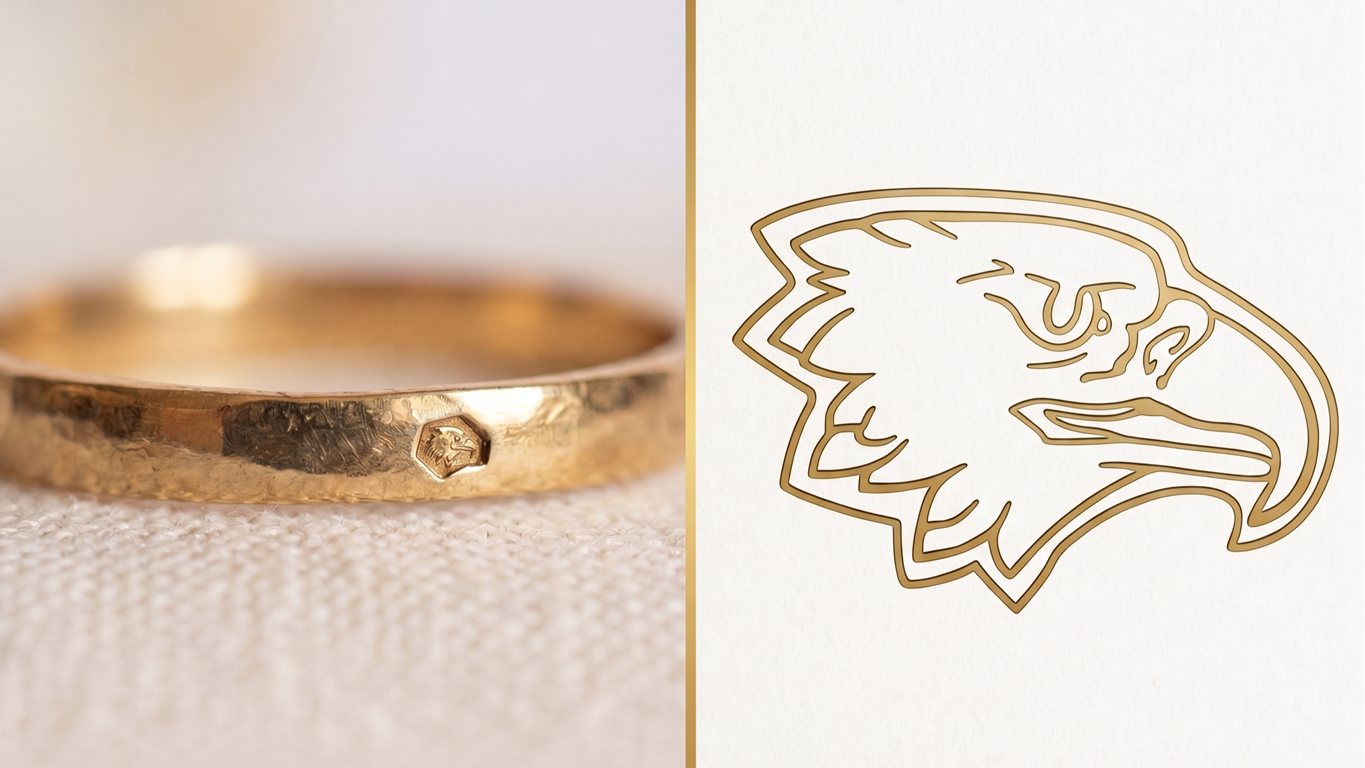
In France, any solid gold jewelry weighing more than 3 grams sold by a professional must bear a guarantee hallmark applied by the guarantee offices (customs authority).
For 750 gold (18 karats), this hallmark is the eagle's head - a figure engraved into the piece, most often on the clasp, the shank of a gold ring, or on the inside of a bangle. If no hallmark is visible, request an invoice explicitly stating the fineness in thousandths (750‰) and the metal.
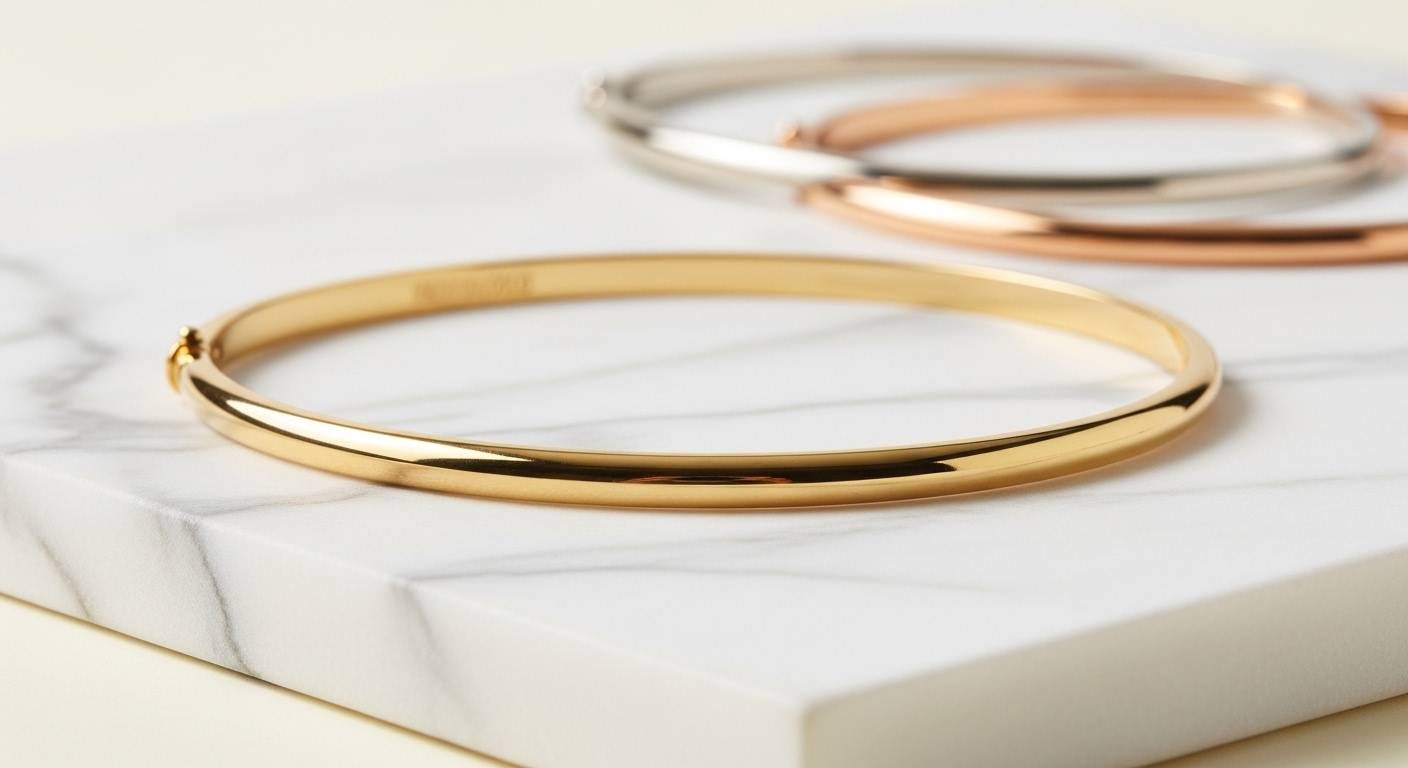
The color of gold has nothing to do with its purity - it depends on the metals added to the alloy. A 750 gold (18-karat) jewelry piece can be yellow, white, or rose: in all three cases, it contains 75% pure gold.
Yellow Gold. A classic alloy of gold, silver, and copper. This is the metal's natural color - the one that ages best with no special upkeep. No coating covers the alloy; what you see is the metal itself.
White Gold. An alloy of gold and palladium (nickel, which can cause allergic reactions, has largely been phased out by the industry). White gold jewelry is typically rhodium-plated - a thin layer of rhodium applied to the surface to enhance its bright, silvery-white shine. This plating gradually wears away over time, revealing the slightly yellowish undertones of the underlying alloy. A jeweler can restore the original look with a rhodium bath, usually needed every two to five years depending on how often the piece is worn. Expect to pay between 30 and 80 € depending on the piece and the jeweler.
Rose Gold. A copper-enriched alloy that produces a pink hue, with intensity varying based on the copper content. More stable over time than white gold - no rhodium plating needed, the color stays consistent without any upkeep.
For a first everyday jewelry piece, yellow and rose gold are the lowest-maintenance options. White gold offers a more contemporary look and pairs especially well with white stones (diamond, topaz, white quartz), but requires periodic upkeep over the long term.
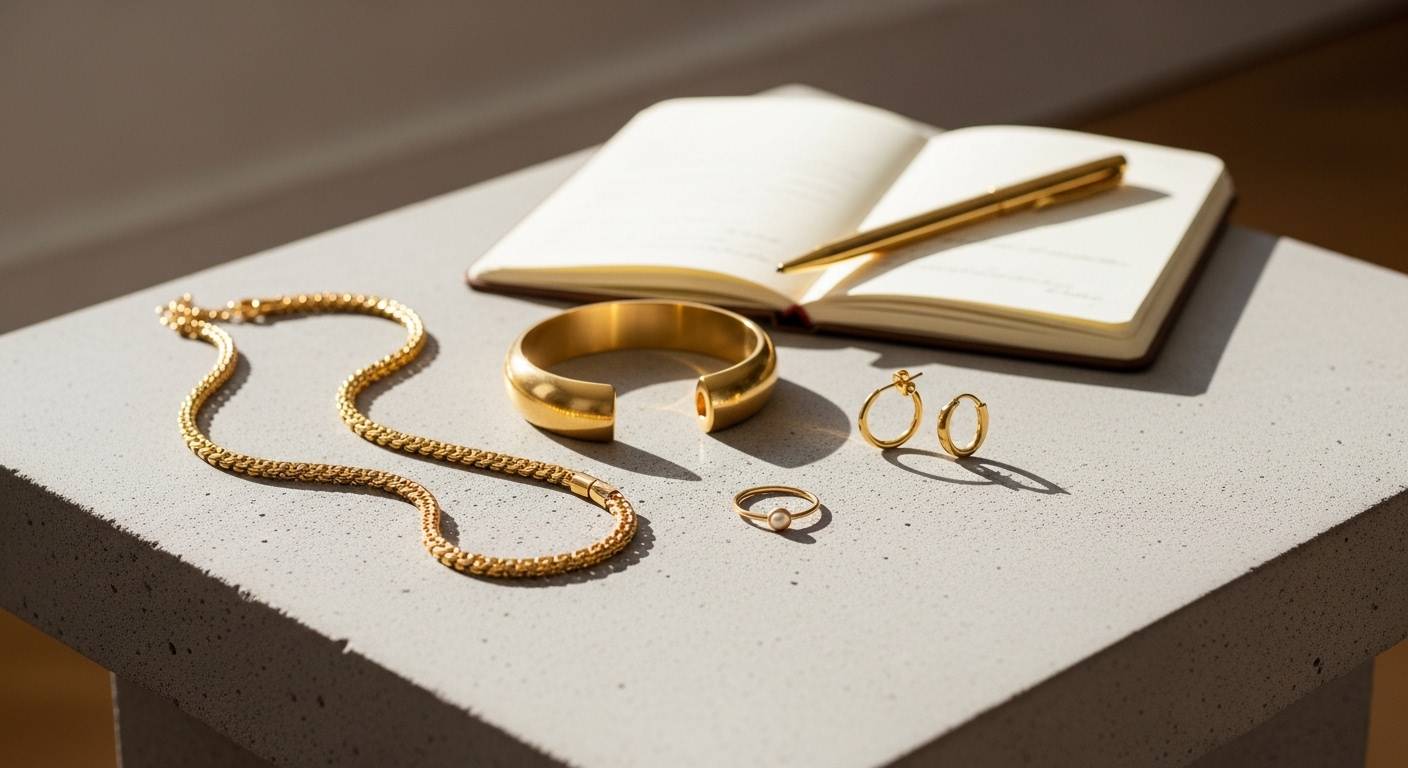
The type of piece shapes both the budget and your day-to-day relationship with it. It's worth clarifying this before making a choice.
A chain necklace or a fine chain in gold is the most versatile starting point: understated, durable when well chosen, and compatible with almost any outfit. A gold bangle or a pair of fine hoop earrings check the same boxes.
For jewelry worn continuously - in the shower, during sports, at work - opt for simple designs without fragile elements: no dense pavé settings, no delicate prong-set fine stones that could come loose. 750 gold (18 karats) is not affected by water or perspiration, but some finishes hold up better than others under intensive daily wear.
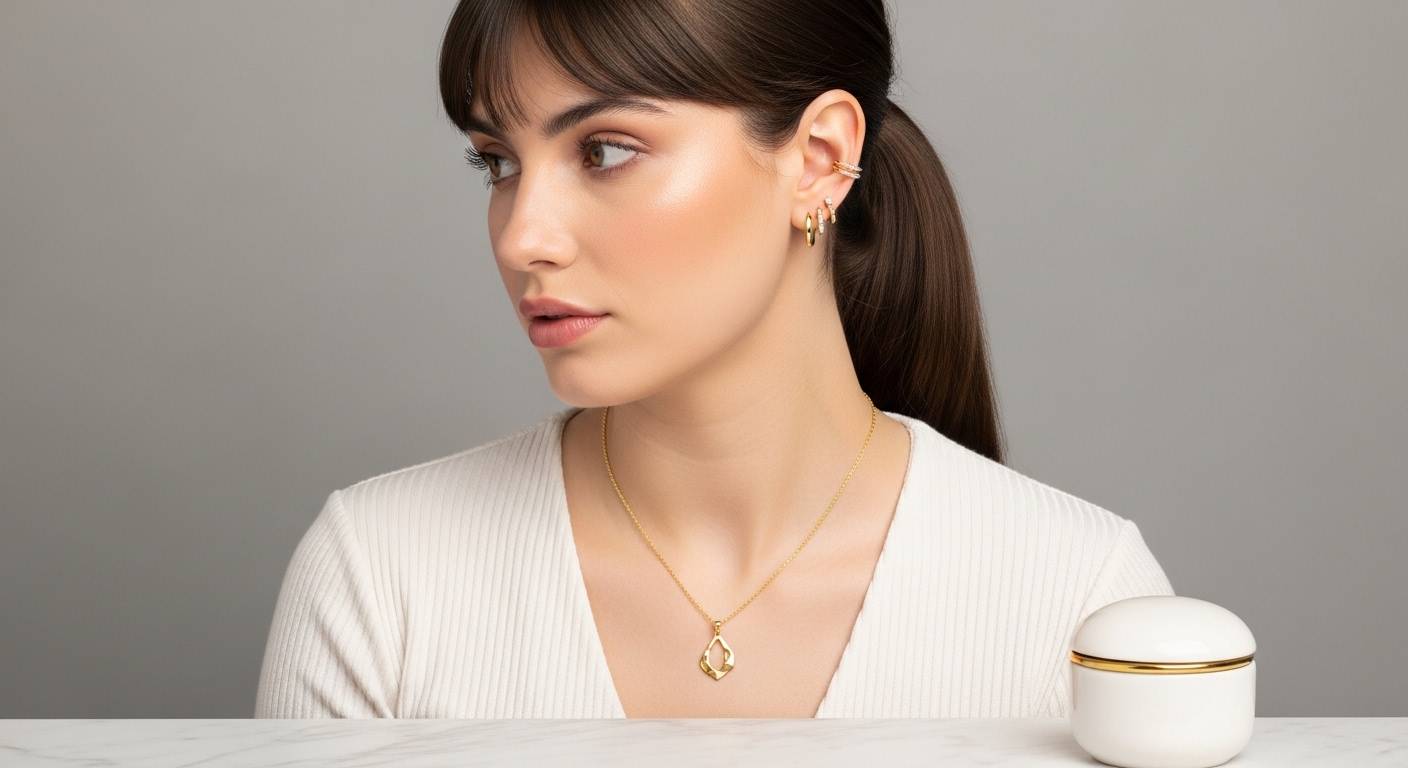
A ring is the most personal piece - and the one that requires the most preparation. You need to know your exact size (which varies by finger, season, and time of day) and may need to have it adjusted by a jeweler. A pendant necklace or a gold ID bracelet are iconic alternatives that require no sizing.
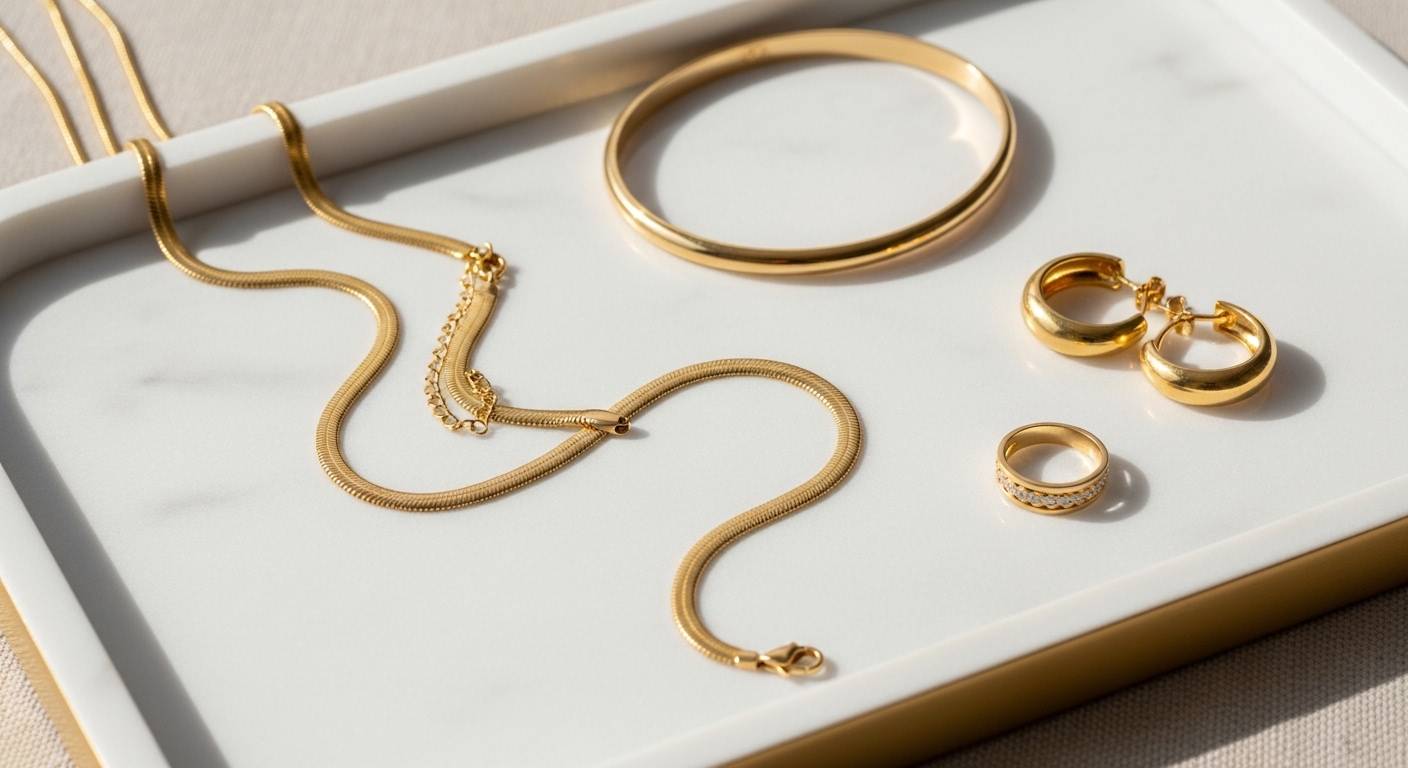
750 gold (18 karats) is valued by metal weight, which fluctuates with the gold market. For a simple piece - a fine gold chain, a slim bangle, small hoop earrings - starting prices typically range between 100 and 200 €. Pieces set with precious stones or featuring more intricate craftsmanship are priced significantly higher.
Jewelry worn around the clock - during sports, manual work, or sleep - needs a solid construction: a sturdy clasp, well-proportioned links, and no fragile pavé or delicate settings. Evening or occasion jewelry can handle more architectural and intricate designs without the risk of damage.
Yellow gold pairs with warm tones (beige, khaki, burgundy, brown); white gold with cool tones (gray, white, navy); rose gold bridges both. In practice, all three work with the vast majority of outfits - the choice ultimately comes down to personal taste and harmony with the jewelry you already wear.
| I'm looking for… | Recommendation | Explore |
|---|---|---|
| An everyday jewelry piece for subtle style | 18-Karat Yellow Gold Fine Chain or Hoop Earrings | Necklaces · Earrings |
| A Low-Maintenance Piece | Yellow Gold or Rose Gold (no rhodium plating) | Bracelets · Gold Jewelry |
| A jewelry piece with a stone | 18-Karat White Gold Pendant or Ring | Pendants · Rings |
| A Controlled Budget | Lightweight 18-Karat Gold Piece (slim bangle, chain…) | Gold Jewelry |
| A Statement Piece to Keep | 18-Karat Yellow Gold Ring or Pendant Necklace | Rings · Necklaces |
| A Safe and Timeless Gift | Yellow Gold Bangle Bracelet or Chain Necklace | Bangle Bracelets · Chains |
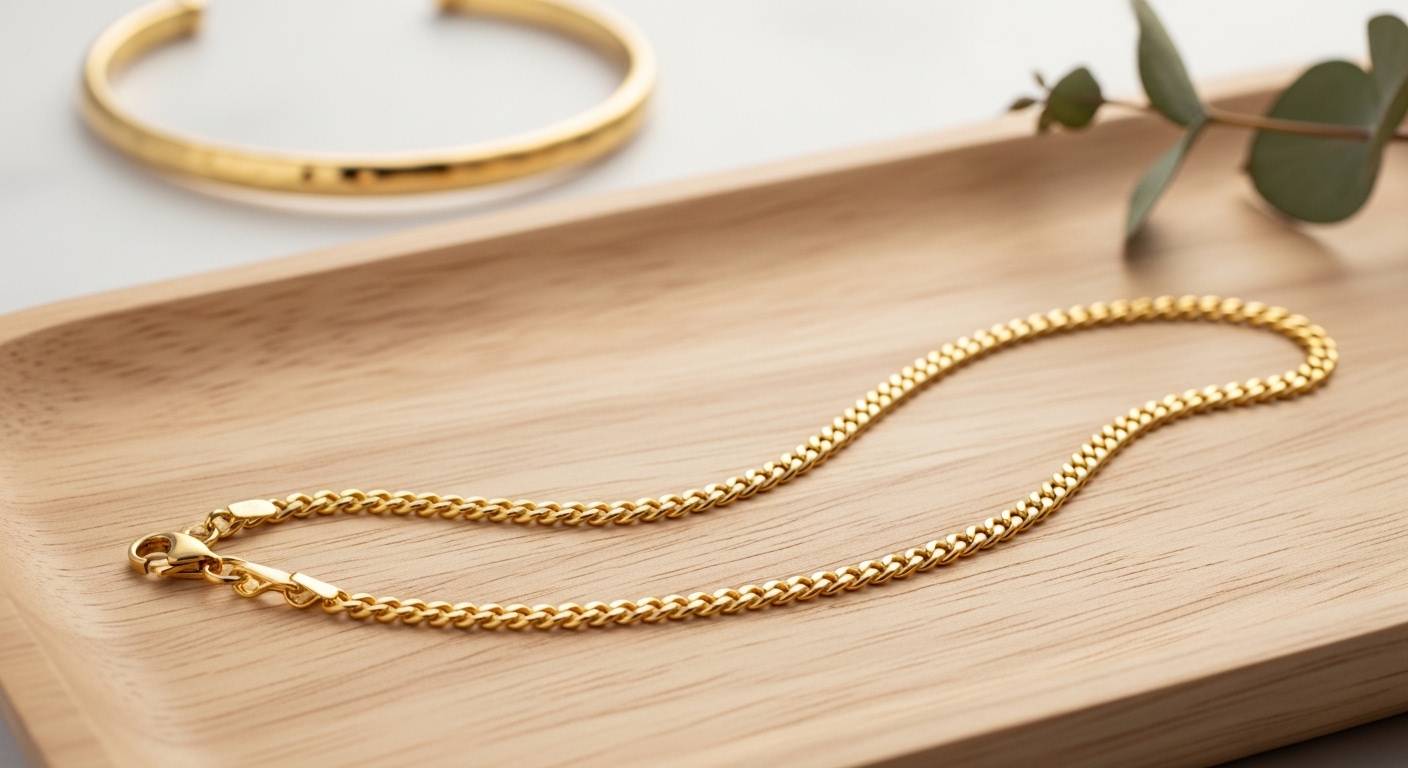
Solid gold (or "full gold") is an alloy where the entire thickness contains the proportion of gold indicated by its fineness - this is what a "750 gold" jewelry piece means. Gold-plated jewelry is a base metal piece (brass, zinc) coated with a thin surface layer of gold that wears away over time. Vermeil sits in between: a 925 silver base coated with at least 10 microns of 750‰ gold - more refined than simple gold plating, but distinct from solid gold.
Solid 18-karat gold is not affected by water or common cosmetic products - it doesn't rust or oxidize. However, rhodium-plated white gold jewelry sees its plating wear down faster with prolonged exposure to hot water and chemicals. Stone-set pieces require extra care depending on the setting type and the nature of the stone.
In France, any solid gold jewelry weighing more than 3 grams legally sold by a professional must bear an official guarantee hallmark. For 750 gold (18 karats), this is the eagle's head engraved on the piece - clasp, inside of a ring, shank. If absent, the invoice must explicitly state the fineness in thousandths (750‰) and the metal.
White gold leans cool and contemporary; yellow gold leans warm and classic. In practice, both work with virtually any outfit. The choice comes down to harmony with the jewelry you already wear - and how much upkeep you're willing to commit to: rhodium-plated white gold requires periodic refinishing.
The most reliable guide is contrast with your skin tone. Warm complexions - golden, olive, or deep - tend to be flattered by yellow or rose gold, which echo the warm undertones of the skin. Cooler or very fair skin tones often pair better with white gold or silver. That said, this isn't a hard rule: many people wear both depending on the outfit, and today's jewelry often mixes metals freely. What matters most is harmony with what you already wear - watches, gold wedding bands, heirloom pieces - rather than following any theoretical guideline.
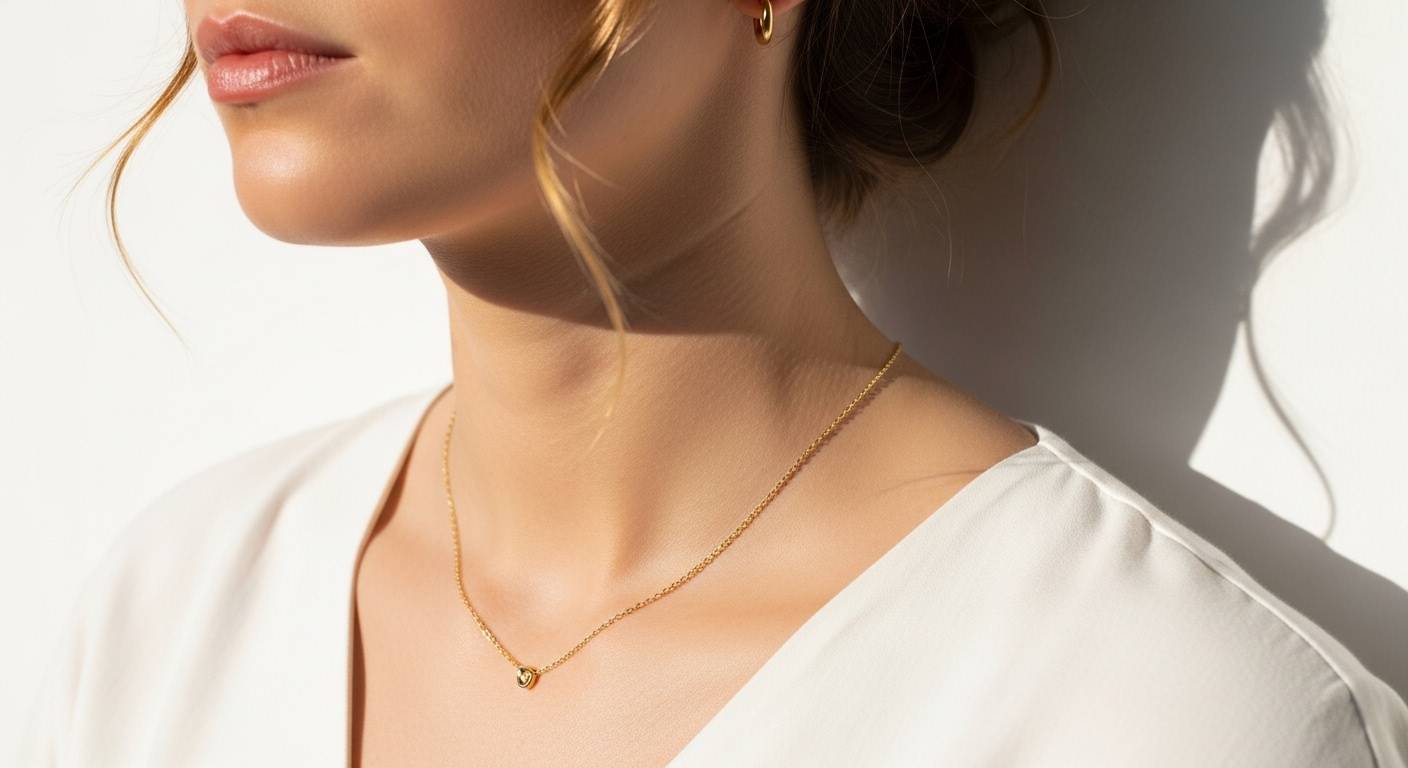
Whether you're looking for a subtle everyday chain, a statement ring, or a lasting gift, our collection covers every gold color in 750‰ (18 karats) - yellow, white, rose - across all jewelry styles. Free shipping in mainland France and Belgium, 4-installment payment at no extra cost, 30-day returns.
→ Gold Guide · Guide to Precious Metals in Jewelry
Share :